Wildlife
Why Thoughtful Game Lodge Selection Directly Improves Your Wildlife Sightings
Encounters Africa - 10 min read
Updated on 11 August 2026
Selecting the right lodge and timing your drives with seasonal animal patterns can dramatically increase meaningful encounters, from witnessing lion hunts at dawn to tracking elusive leopards at dusk across premier African reserves. Thoughtful game lodge selection directly improves your wildlife sightings by placing you in habitats where animals thrive and where expert guides understand their rhythms intimately. At Encounters Africa, we have seen time and again how a well-chosen base transforms a standard safari into a series of profound connections with the natural world.
The African bush reveals its secrets most readily to those who approach it with preparation and patience. A carefully selected game lodge serves as more than accommodation; it becomes your vantage point into a living ecosystem where every detail, from water sources to migratory corridors, influences what you will witness. This article explores precisely why location, timing, and lodge philosophy matter so deeply when pursuing memorable wildlife experiences across Southern and East Africa.
Understanding How Lodge Location Shapes Wildlife Encounters
Where you stay determines not only the species you are likely to encounter but also the quality and frequency of those moments. A lodge positioned beside a perennial water source in the dry season, for instance, offers reliable viewing of elephants, buffalo, and predators drawn to the same lifeline. In contrast, a mobile camp following the great migration in Tanzania places you directly in the path of millions of wildebeest and zebra.
Private concessions surrounding national parks often provide distinct advantages. With fewer vehicles and greater flexibility, guides can follow animals off established tracks, allowing for intimate observations without the pressure of schedules dictated by larger groups. This exclusivity frequently translates into extended sightings of big cats engaged in natural behaviours rather than brief glimpses from crowded vantage points.
The most rewarding wildlife sightings rarely happen by chance. They result from being in the right place at the right moment, supported by guides who have spent years reading the land and its inhabitants.
The Advantage of Private Reserves and Concessions
Reserves such as the Ol Pejeta Conservancy in Kenya demonstrate how conservancy models create thriving wildlife populations while supporting community initiatives. Here, the blend of black rhino protection programmes and predator research offers travellers the chance to witness conservation in action alongside exceptional game viewing.
Similarly, in Botswana, properties like Duba Plains Camp sit within vast private concessions where lion prides have become habituated to vehicles in the most respectful sense. The result is behaviour rarely seen in more visited areas: hunts unfolding at close range, territorial disputes observed from a respectful distance, and the quiet intimacy of a leopard moving through thickets at first light.

Why Thoughtful Game Lodge Selection Directly Improves Your Wildlife Sightings
The connection between lodge choice and sighting success lies in three core elements: habitat diversity, guide expertise, and operational philosophy. Lodges that invest in training their guiding teams, maintain low vehicle-to-guest ratios, and prioritise ethical viewing practices consistently deliver richer experiences. When a camp limits the number of vehicles at a sighting to two or three, animals remain relaxed, often continuing behaviours that would cease in the presence of larger crowds.
Consider the difference between a lodge that rushes guests back for fixed meal times and one that offers flexible dining aligned with animal activity. The latter understands that the golden hours around dawn and dusk hold the greatest potential for meaningful encounters. This flexibility, combined with vehicles equipped for long days in the bush, allows travellers to remain with a leopard on a kill or follow a wild dog pack during a hunt.
At Encounters Africa we work exclusively with properties that share our commitment to responsible safari practices. Their guides are not merely drivers but naturalists, trackers, and interpreters who help guests understand the intricate relationships within each ecosystem.
Seasonal Considerations That Influence Animal Behaviour
Timing transforms sightings from good to exceptional. The dry season from June to October in many regions concentrates animals around water, making them more visible and predictable. Yet the green season brings its own rewards: newborn calves, dramatic thunderstorms, and migratory birds in breeding plumage. Understanding these patterns allows for more strategic planning.
In the Masai Mara, the arrival of the wildebeest migration between July and October creates one of nature’s most spectacular events. A lodge situated along the Mara River offers front-row seats to river crossings where crocodiles lie in wait and lions patrol the banks. Choosing a camp on the eastern side during this period often yields fewer vehicles and more exclusive access to the drama.
The Role of Expert Guides in Elevating Sightings
Even the most perfectly positioned lodge depends on the skill of its guiding team. The best guides possess an almost intuitive understanding of animal behaviour, reading subtle signs that escape the untrained eye. A slight shift in a herd’s movement, a change in bird calls, or fresh tracks in the sand all become pieces of a puzzle that leads to extraordinary encounters.
These professionals also understand how to position vehicles for optimal viewing and photography while maintaining respect for the animals’ space. They know when to switch off engines, when to maintain distance, and when a quiet approach might allow a shy species to remain in view longer. This knowledge, built over years rather than months, cannot be overstated.
A skilled guide does not simply show you animals. They help you understand the stories behind each sighting, transforming a game drive into an immersive lesson in African ecology.
Tracking Skills That Reveal the Invisible
Tracking remains one of the most valuable abilities in the bush. Experienced trackers can identify not only which animal made a particular print but often how long ago it passed, in what direction, and at what speed. This information turns a routine drive into a detective story with a living conclusion.
In areas like the Okavango Delta, where water and dry land meet in complex patterns, these skills become even more crucial. A guide who can interpret the age of a hippo trail through papyrus or recognise the distinctive drag mark of a crocodile’s tail provides context that enriches every moment spent in the landscape.
Practical Strategies for Maximising Your Wildlife Experience
Successful wildlife viewing extends beyond lodge selection to how you approach each day in the bush. Positioning yourself at the front of the vehicle offers clearer sightlines and often better photographic opportunities. Remaining quiet, wearing muted colours, and following your guide’s instructions all contribute to more rewarding encounters.
Consider starting your day with the earliest possible departure. Many predators are most active in the hour before sunrise, when the light is soft and the bush is still cool. Similarly, ending the day with a sundowner in an area known for leopard activity can yield memorable sightings as these elusive cats begin their nocturnal hunts.
Questions to Ask When Choosing Your Safari Lodge
What is the maximum number of vehicles allowed at a sighting? How many guests share each vehicle? What is the guiding team’s average experience level? Does the lodge offer specialist guiding in areas such as birding or photography? These questions help identify properties truly committed to exceptional wildlife experiences.
Enquire about the flexibility of daily schedules. The finest lodges adapt to the rhythms of the bush rather than forcing nature into a timetable. They understand that some days call for a full morning tracking wild dogs, while others might benefit from a slower pace with time spent at a productive waterhole.
The difference between seeing wildlife and truly experiencing it often comes down to the questions asked before arrival and the mindset maintained once in the bush.
Conservation and Responsible Safari Practices
The most thoughtful lodges integrate conservation into every aspect of their operation. Revenue from tourism supports anti-poaching efforts, community development, and habitat restoration. When choosing where to stay, look for properties that demonstrate measurable impact through transparent reporting of their conservation initiatives.
Responsible operators also limit guest numbers to reduce pressure on the environment. A camp with just eight tents in a vast concession creates far less disturbance than one with fifty rooms. This lower density typically results in more authentic wildlife behaviour and a greater sense of immersion for guests.
Encounters Africa carefully selects partners who share our belief that luxury and conservation must go hand in hand. The lodges we recommend actively contribute to the protection of the landscapes that make these extraordinary sightings possible.

Case Studies: Lodges That Consistently Deliver Exceptional Sightings
Properties such as Chobe Chilwero Lodge in Botswana exemplify how location and expertise combine to create memorable experiences. Overlooking the Chobe River, the lodge offers both boat and land-based viewing of elephant herds that regularly number in the hundreds during the dry months.
In Kenya, Angama Mara sits high on the Oloololo Escarpment, providing a unique perspective over the plains below. The elevated position allows guests to spot movement across vast distances, while the guiding team excels at translating those distant observations into close encounters on the plains.
These examples illustrate how different approaches, from riverfront positions to elevated viewpoints, can each yield exceptional wildlife viewing when executed with care and knowledge.
Planning Your Own Wildlife-Focused Safari Journey
Creating a safari that delivers consistent and meaningful wildlife encounters requires thoughtful planning rather than simply booking the first available dates. Consider your specific interests, whether they centre on big cats, birdlife, or the intricate relationships within an ecosystem. This clarity helps identify the regions and lodges best positioned to meet those interests.
The dry season between June and October generally offers the most reliable game viewing across much of Southern and East Africa, with animals concentrated around water sources. However, shoulder months can provide excellent value with fewer visitors and dramatic seasonal transitions. For those seeking the wildebeest migration, precise timing between July and September proves essential.
At Encounters Africa, we draw upon decades of first-hand experience to match travellers with experiences that align with their expectations and aspirations. For discerning travellers seeking a private safari beyond our set itineraries, we invite you to contact us directly. We specialise in designing exceptional, tailor-made journeys for individuals, couples, families, and private groups of up to eight guests. Drawing on our handpicked network of distinguished camps and lodges, we curate every detail with precision and care, creating a seamless, deeply personal safari experience shaped entirely around your preferences, pace, and budget.
Whether you dream of watching a pride of lions hunt across golden grasslands or hope to observe the subtle social interactions of a leopard and her cubs, the right preparation and lodge selection will dramatically enhance your journey. The African wilderness rewards those who approach it with respect, curiosity, and patience.
Begin your planning today by reaching out to our team. Visit our enquiry form to start a conversation about your perfect wildlife-focused safari in Africa. The animals are waiting, and with thoughtful preparation, your encounters with them will stay with you for a lifetime.
More like this
Wildlife
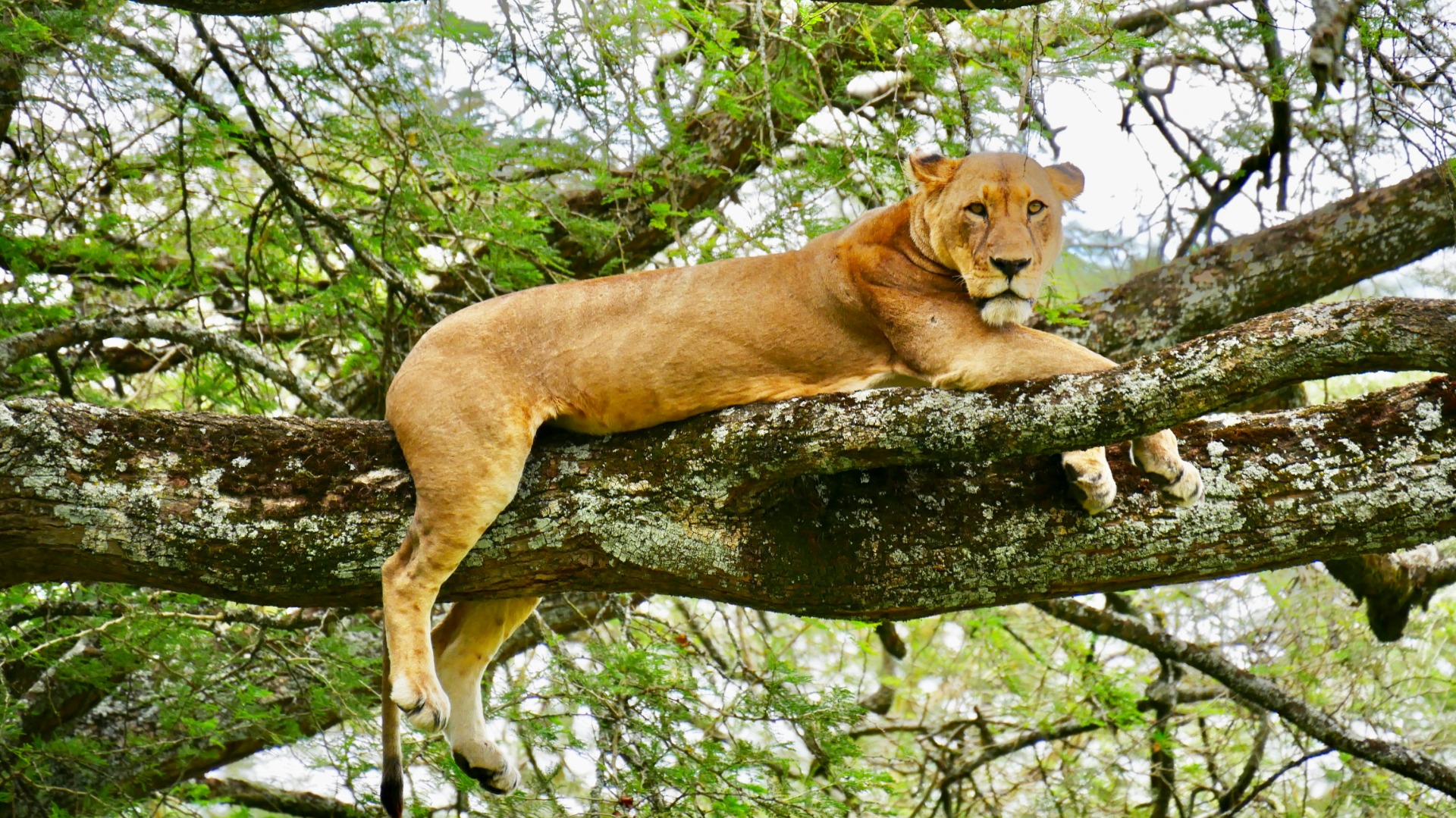
Why Tree Climbing Lions Thrive in Uganda's Ishasha Sector
Wildlife
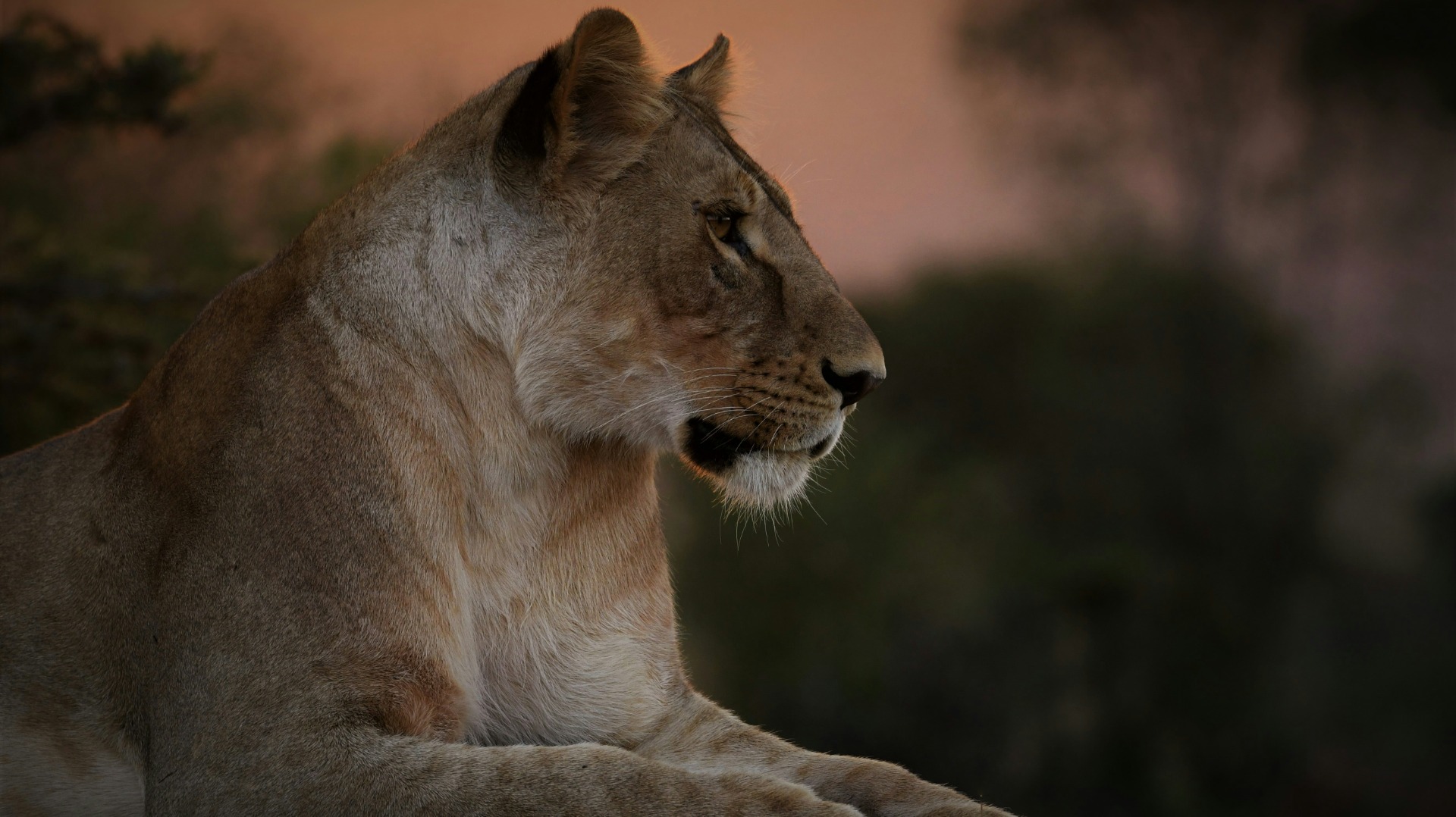
Why Zimbabwe Delivers Some of Africa's Most Photogenic Wildlife Encounters
wildlife
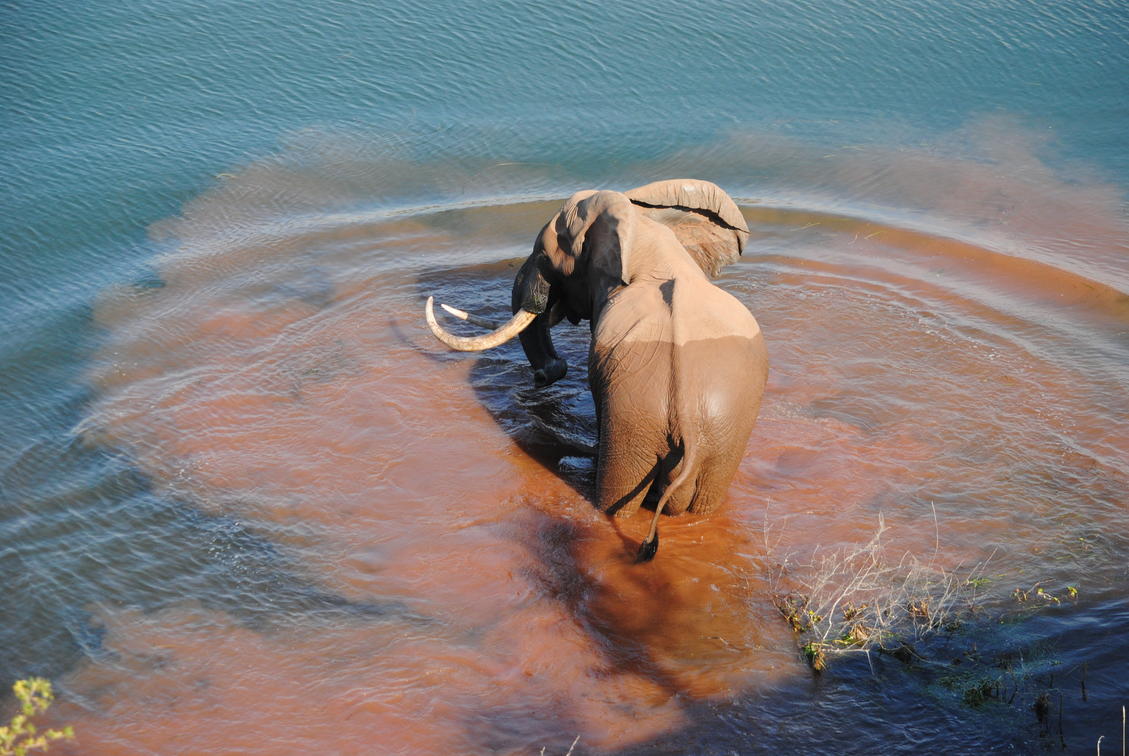
Why Zimbabwe Hosts Africa's Largest Elephant Concentrations
wildlife
Why Zimbabwe's Elephants Shape Every Habitat They Touch
Wildlife
Zimbabwe's Wildlife Numbers That Shape Every Safari Experience
Wildlife