photography
10 Fresh Photography Techniques for Botswana's Elite Safaris
Encounters Africa - 6 min read
Updated on 1 May 2026
Capturing the raw majesty of Botswana's elite safaris demands more than a steady hand—it requires mastery of 10 fresh photography techniques for Botswana's elite safaris. From the labyrinthine waterways of the Okavango Delta to the arid expanses of the Makgadikgadi Salt Pans, luxury lodges offer unparalleled access to wildlife in golden light. These updated strategies, honed for high-end encounters, elevate your images from snapshots to gallery-worthy art, blending technical precision with ethical awareness.
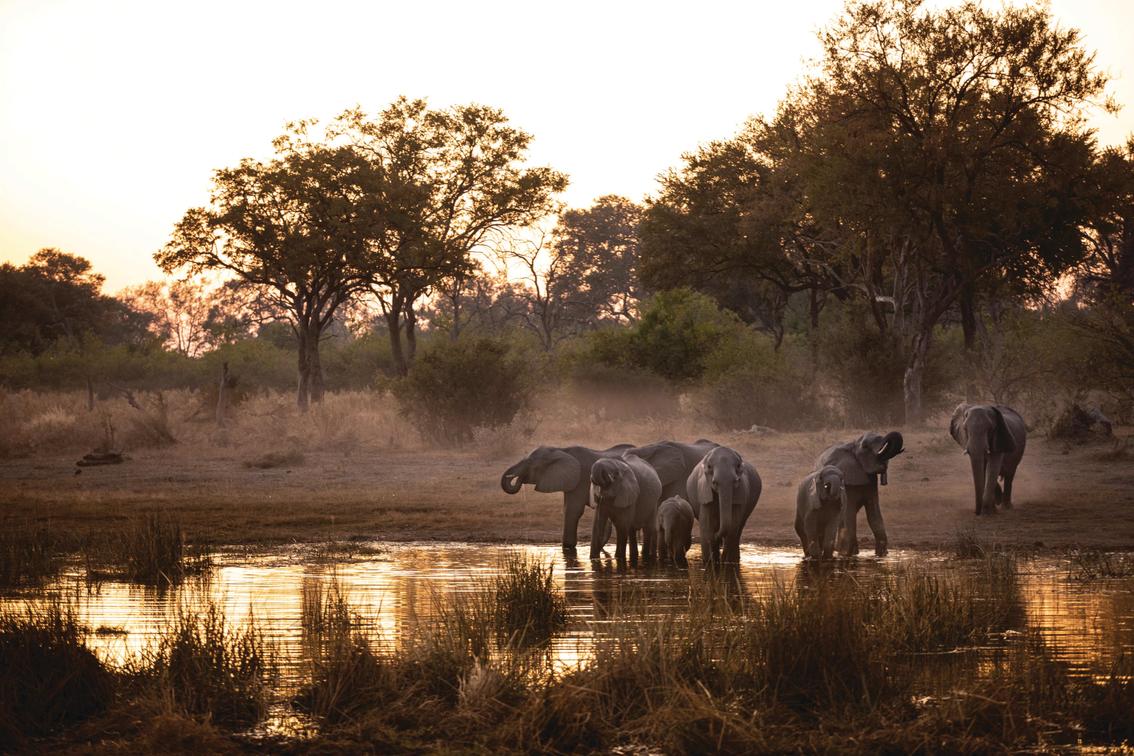
Botswana's elite safaris stand out for their intimacy: think private game drives from camps like those in Moremi Game Reserve, where elephants emerge from mist-shrouded palms at dawn. Photographers targeting these luxury experiences must adapt to dynamic light, skittish subjects, and conservation protocols. This guide delivers 10 actionable techniques, each tested in Botswana's premier wilderness, ensuring your portfolio reflects the sophistication of your journey.
Mastering Golden-Hour Timing in the Okavango Delta
The golden hour—that fleeting 30-60 minutes after sunrise or before sunset—transforms Botswana's landscapes into a canvas of warm amber and deep shadow. In the Okavango Delta, where luxury mokoro glides slice through lily-pad channels, position yourself facing east at dawn for silhouettes of giraffes against fiery skies. Use a wide-angle lens (16-35mm) at f/8 to capture expansive floodplains alive with birdsong and the earthy scent of papyrus.
Timing is precise: in Botswana's dry season (May to October), golden hour extends slightly due to clearer horizons, yielding 45 minutes of peak light. Scout locations the evening prior with your guide, noting elephant paths or hippo pools. Bracket exposures (±1 stop) to handle high contrast, merging them later in Lightroom for HDR-like depth without unnatural effects.
A common pitfall? Rushing the shot. Linger, breathing in the chorus of African fish eagles, and wait for wildlife to align naturally—patience rewards with frames that pulse with authenticity.
"In Botswana's golden hour, light doesn't illuminate—it sculpts the soul of the savannah."
Ethical Drone Photography Over Savuti's Plains
Drones unlock aerial perspectives of Botswana's elite safaris, but ethics reign supreme in areas like Savuti - Chobe National Park. Fly only with lodge permission—many luxury camps prohibit them to avoid stressing herds. Launch at 100-150m altitude during midday lulls, when animals rest, capturing vast buffalo congregations from above with a 24mm equivalent lens.
Key technique: Enable geofencing in apps like DJI Fly to respect no-fly zones near nests or waterholes. Shoot in D-Log for 10-bit colour grading, revealing the textured reds of Kalahari sands against emerald grasslands. Battery life averages 25 minutes; plan two flights per session, importing footage immediately to a laptop for backups amid dust.
- Check wind speeds under 15km/h to prevent drift in Botswana's gusty afternoons.
- Use ND filters (ND64) for smooth cinematic motion over migratory wildebeest.
- Review IUCN guidelines: maintain 400m distance from any large mammal.
Low-Light Mastery: Night Drives from Khwai Camps
Luxury night drives in the Khwai Community Area reveal nocturnal Botswana, where leopard eyes gleam like embers. Equip a spotlight-friendly setup: ISO 3200-6400, f/2.8, 70-200mm lens on a monopod. Focus manually in live view, tracking the subtle sway of acacia branches under starlit skies.
Technique: Shoot bursts at 10fps to freeze genets mid-pounce, underexposing by 1/3 stop to retain detail in highlights from vehicle lights. Post-process with noise reduction in Capture One, enhancing the velvet blackness that amplifies bioluminescent fungi glow. Drives typically span 2-3 hours post-sunset; position behind the tracker for unobstructed views.
Pro tip: Pair with audio recording—the hyena whoop layered into video edits immerses viewers in the night's symphony.
Macro Magic on the Boteti River Floodplains
Along the Boteti River - Makgadikgadi Pans National Park, zebras' dusty flanks host intimate worlds of dung beetles and iridescent flies. A 100mm macro lens at 1:1 ratio, with a diffused LED ring light, unveils textures lost in wide shots. Crawl low during midday siestas, when herds graze obliviously, inhaling the mineral tang of sun-baked earth.
Stabilise with a focus rail for stackable 20-image series, blending in Helicon Focus for edge-to-edge sharpness. ISO 400, f/16, 1/200s shutter captures dew-kissed proboscis details. Luxury lodges provide shaded hides; use them for 1-2 hour sessions, yielding prints that celebrate biodiversity's minutiae.
- Employ a plamp to steady live subjects without harm.
- Shoot tethered to a tablet for instant review in harsh light.
- Ethical note: Never relocate insects—let nature compose.
Teleconverter Tactics for Distant Elephants in Chobe
Chobe's colossal elephant herds demand reach: pair a 600mm lens with a 1.4x teleconverter for 840mm equivalence without quality loss. In luxury vehicles along the Chobe River Front, track matriarchs bathing, their tusks slicing spray at f/5.6. Botswana's herds number over 130,000—patience positions you for trunk sprays arcing like fountains.
Technique: Custom white balance at 5000K counters river mist's cool tones. Shoot at 1/1600s to freeze motion, VR on for handholding from bumpier tracks. Cull ruthlessly: aim for compositions where a calf's eye meets yours across 200m.
Reflections and Symmetry in Delta Lagoons
The Okavango's mirrored lagoons beg symmetry: compose with level horizons using a bubble app on your hot shoe. At dawn from luxury deck perch, frame impalas mirrored in glassy waters, f/11 for infinite depth. The air hums with frog choruses, amplifying the scene's serenity.
Enhance in post with selective clarity (20-30%) to pop ripple textures. Vertical panoramas from 3 vertical frames stitch flawlessly, ideal for landscapes where herons spear fish below flawless duplicates.
Burst Mode for Predator Action in Selinda
In Selinda Reserve, lions' hunts explode in seconds—set 14fps bursts on mirrorless bodies. Pre-focus on killsites, ISO auto-capped at 6400. The metallic scent of blood hangs heavy; time your shutter with the pride's coordinated rush.
Select 1-2 frames per sequence, cloning distractions in Photoshop. High-speed cards (UHS-II V90) prevent buffers from choking mid-action.
"Burst mode doesn't just capture the kill—it freezes the savannah's raw heartbeat."
Weather-Resistant Gear for Rainy Season Shots
Botswana's green season (November-March) drenches lenses, but rain-sleeved bodies thrive. Peak storms at 2pm yield dramatic backlit herds against bruised skies. ND grads balance exposures, f/8 at 1/500s piercing sheets of water.
Rainblurs add motion artistry to galloping wildebeest. Dry gear nightly in silica—luxury lodges offer drying rooms.
Post-Processing for Luxury Lodge Aesthetics
Elevate raw files with a luxury polish: Dodge family groups selectively (+0.3 exposure), burn shadows for depth. LUTs mimicking film stocks (Kodak Portra) warm Botswana's palettes. Calibrate monitors to 6500K for accurate savannah hues.
Batch watermark subtly, export JPEGs at 80% for web sharing from camp WiFi hotspots.
Common Questions: Best Camera Settings for Botswana Safaris
What are the ideal ISO ranges?
For daylight drives, stick to ISO 100-400; bump to 800-1600 for overcast or dense bush. Night shoots demand 3200+, with denoising tools handling grain.
When is peak wildlife photography season?
June-September offers dry conditions and concentrations around water; November-March greens up for lush portraits.
How to handle dust on lenses?
Use rear caps during drives, rocket blowers between shots, and sensor swabs nightly.
Plan Your Botswana Photography Safari
These 10 fresh photography techniques transform Botswana's elite safaris into visual triumphs. From ethical drones to golden-hour epics, they equip you for Encounters Africa's curated journeys. Tailor your experience with private guides maximising light and access.
For discerning travellers seeking bespoke photographic safaris beyond set itineraries, contact Encounters Africa directly. We craft tailor-made journeys drawing on our network of luxury camps, shaping every detail to your vision. Reach out today to begin.
More like this
photography
10 Fresh Photography Techniques for Kenya's Elite Safaris
photography
10 Fresh Photography Techniques for Luxury South African Safaris
photography
10 Fresh Photography Techniques for Rwanda's Elite Safaris
photography
10 Fresh Photography Techniques for Tanzania's Elite Safaris
photography
10 Fresh Photography Techniques for Uganda's Elite Safaris
photography