Photography
Camera Settings That Capture Kenya’s Shifting Light on Safari Drives
Encounters Africa - 8 min read
Updated on 28 July 2026
Camera settings that capture Kenya’s shifting light on safari drives form the backbone of memorable wildlife photography across the country’s iconic reserves. From the soft predawn mist rising over the Maasai Mara to the harsh equatorial glare that defines midday hours, understanding how to adapt your aperture, shutter speed, and ISO can transform fleeting moments into enduring images. Professional safari photographers consistently emphasise that Kenya’s dramatic light transitions demand quick thinking and precise adjustments, turning each game drive into a masterclass in exposure control.
The best time to visit Kenya for photography is typically during the dry seasons from June to October and December to March, when clearer skies and concentrated wildlife around water sources create optimal conditions. Expect golden hour light that bathes the savannah in warm tones for roughly 30 minutes after sunrise and before sunset, while midday hours between 11am and 3pm often require careful management of high contrast. This article draws on insights from seasoned professionals who have spent thousands of hours behind the lens in Kenya, offering practical techniques that travellers can apply immediately on their next journey.
Understanding Kenya’s Distinct Light Patterns
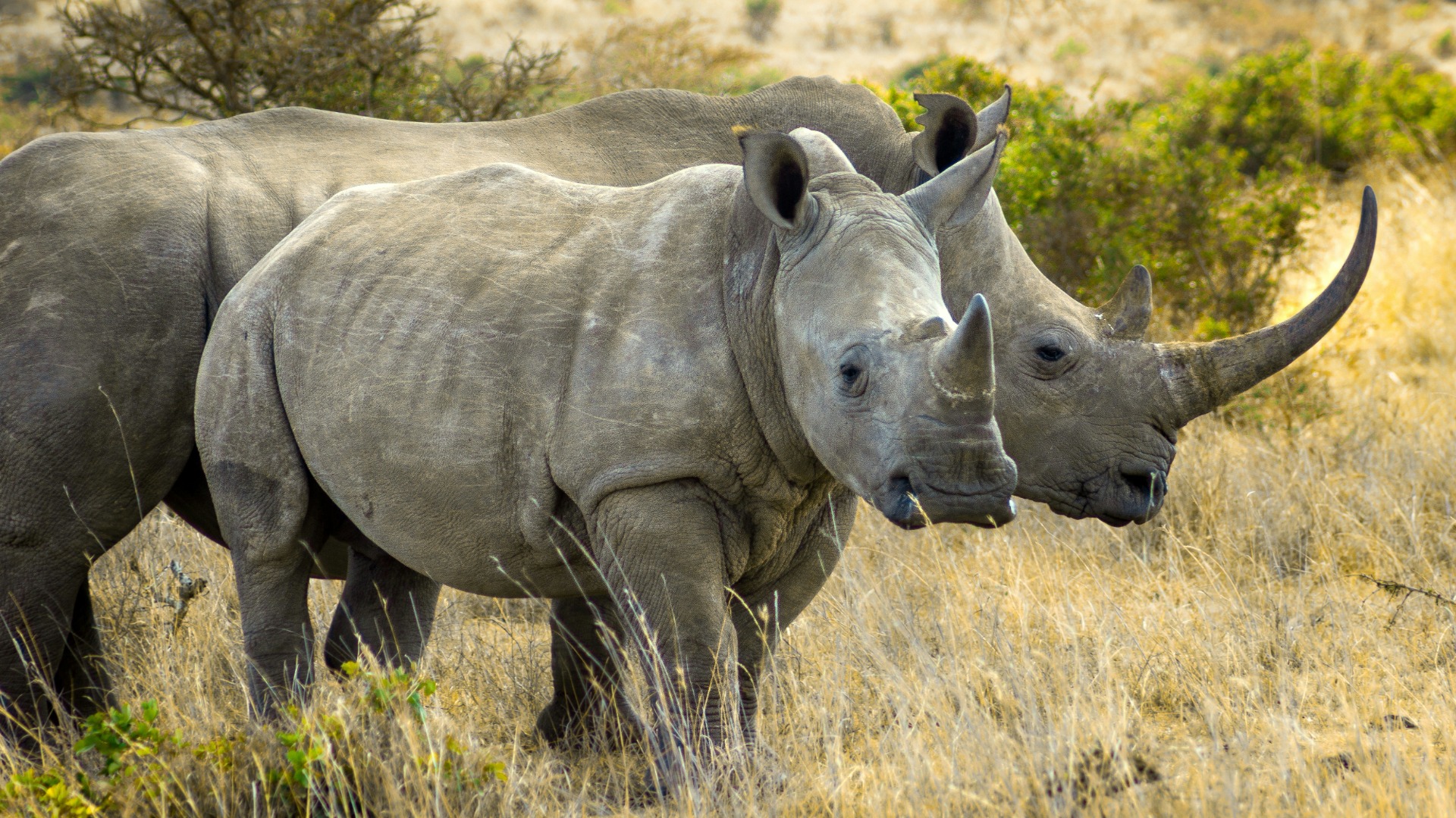
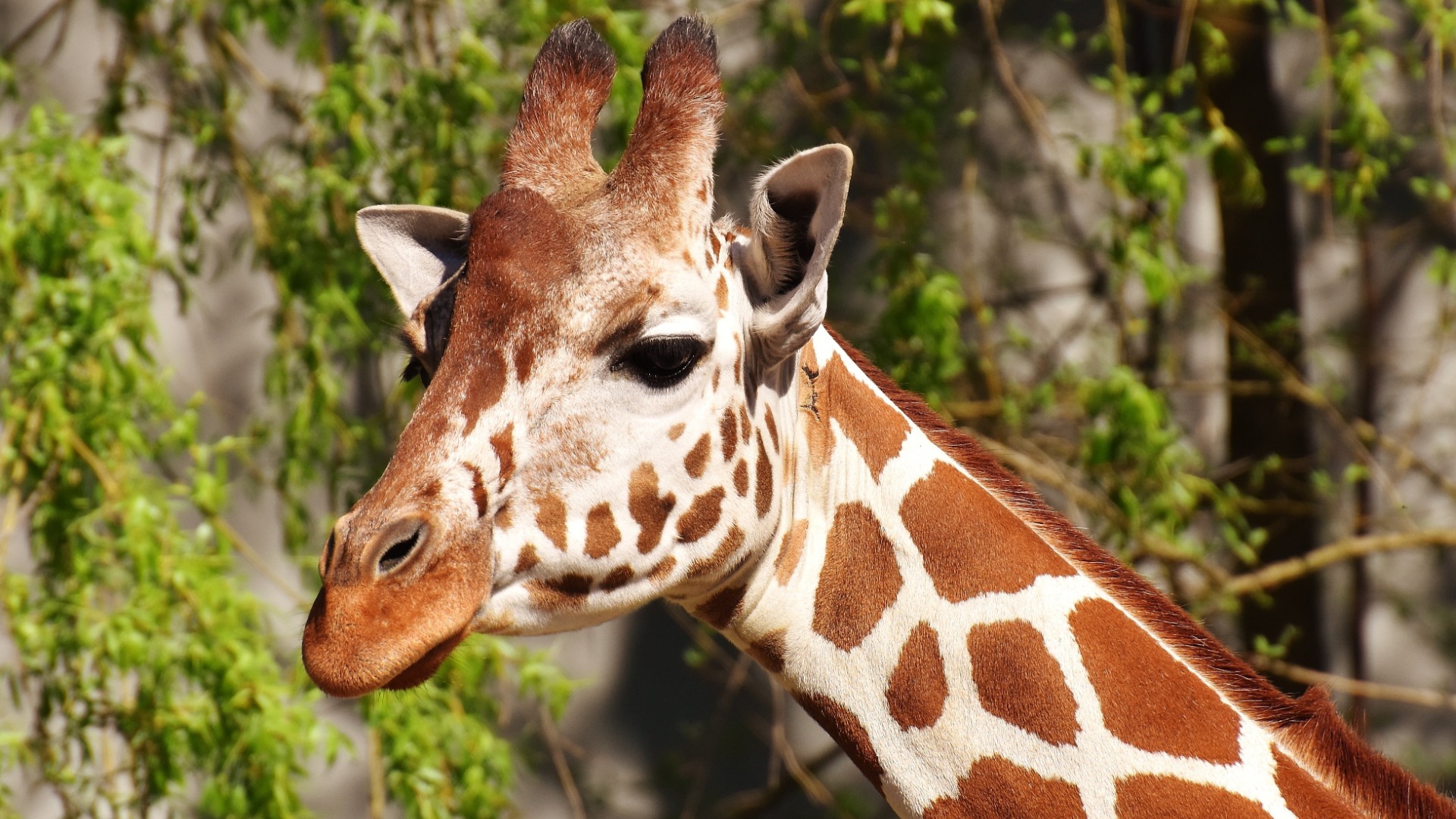
Kenya straddles the equator, which means sunlight strikes the earth more directly than in temperate regions, creating intense illumination even during what would be considered softer hours elsewhere. In the early morning, a delicate haze often softens the landscape around Masai Mara National Reserve, diffusing light beautifully for atmospheric portraits of lions or elephants emerging from the grasslands. By mid-morning this transitions rapidly into bright, direct sun that casts short, harsh shadows and can easily blow out highlights on pale animals such as reticulated giraffes.
Afternoon light brings its own challenges, particularly in areas like Amboseli National Park where volcanic dust can create a atmospheric glow but also significant lens flare. As the sun descends, the light warms dramatically, producing the rich amber hues that define classic safari photography. Recognising these predictable shifts allows photographers to anticipate conditions rather than react to them, ensuring they are prepared with the right settings before the perfect moment appears.

The light in Kenya changes faster than most visitors expect. Those who succeed are the ones who treat their camera settings as fluid rather than fixed, constantly adjusting to honour the landscape’s rhythm.
Essential Camera Settings for Predawn and Early Morning Drives
Predawn photography in Kenya requires embracing low light conditions while maintaining enough shutter speed to freeze subtle animal movements. Professional guides recommend starting with an aperture of f/4 to f/5.6 to gather maximum light, paired with a shutter speed of 1/250th of a second or faster for larger mammals. ISO settings between 1600 and 3200 are common during this period, though modern full-frame sensors handle noise remarkably well up to ISO 6400.
When mist rises over the plains, as frequently happens in the Mara between 5:30am and 6:15am, slightly underexposing by 1/3 to 2/3 of a stop prevents the bright fog from washing out detail. For Angama Mara, which overlooks the Mara River ecosystem, photographers often use exposure compensation of -0.7 when capturing herds moving through morning haze. Always shoot in RAW format to recover shadow details later, as the difference between a flat image and one rich with subtle tones can be dramatic.
White Balance Considerations at First Light
Automatic white balance often struggles during predawn hours when cool blue tones dominate. Setting a custom white balance around 4500K helps preserve the natural coolness of early light while preventing skin tones or animal coats from appearing unnaturally cold. Many professionals switch to Cloudy preset as the sun begins to rise, warming the images slightly to enhance the golden tones that appear around 6:20am.
Adapting to Harsh Midday Equatorial Light
Between 11am and 3pm, Kenya’s sunlight can reach over 2000 lumens per square metre, creating extreme contrast that challenges even the most sophisticated camera systems. The key is embracing this intensity rather than fighting it by using smaller apertures such as f/8 to f/11, which increases depth of field and reduces the risk of overexposed highlights. Shutter speeds of 1/1000th of a second or higher help manage the brightness while freezing action, with ISO dropped to 100-400 depending on exact conditions.
Many experienced safari photographers recommend using a polarising filter during these hours to cut through atmospheric haze and reduce reflections on water sources where animals gather. In places like Olare Motorogi Conservancy, where vehicles can approach wildlife closely, this combination allows for crisp images of cheetahs resting under acacia trees even when the sun is directly overhead. Remember to check your histogram frequently, as clipped highlights in Kenya’s bright conditions are difficult to recover.
Midday light in Kenya is not your enemy but a different creative tool. Learning to work with its intensity opens up opportunities for graphic compositions that simply aren’t possible during softer hours.
Golden Hour Techniques for Dramatic Wildlife Portraits
The 45 minutes before sunset in Kenya produce some of the most sought-after lighting conditions on the continent. During this period, aperture settings of f/5.6 to f/8 balance sharpness with beautiful background separation, while shutter speeds around 1/500th of a second capture both stationary and moving subjects effectively. ISO can usually remain at base levels between 100 and 200, preserving maximum image quality.
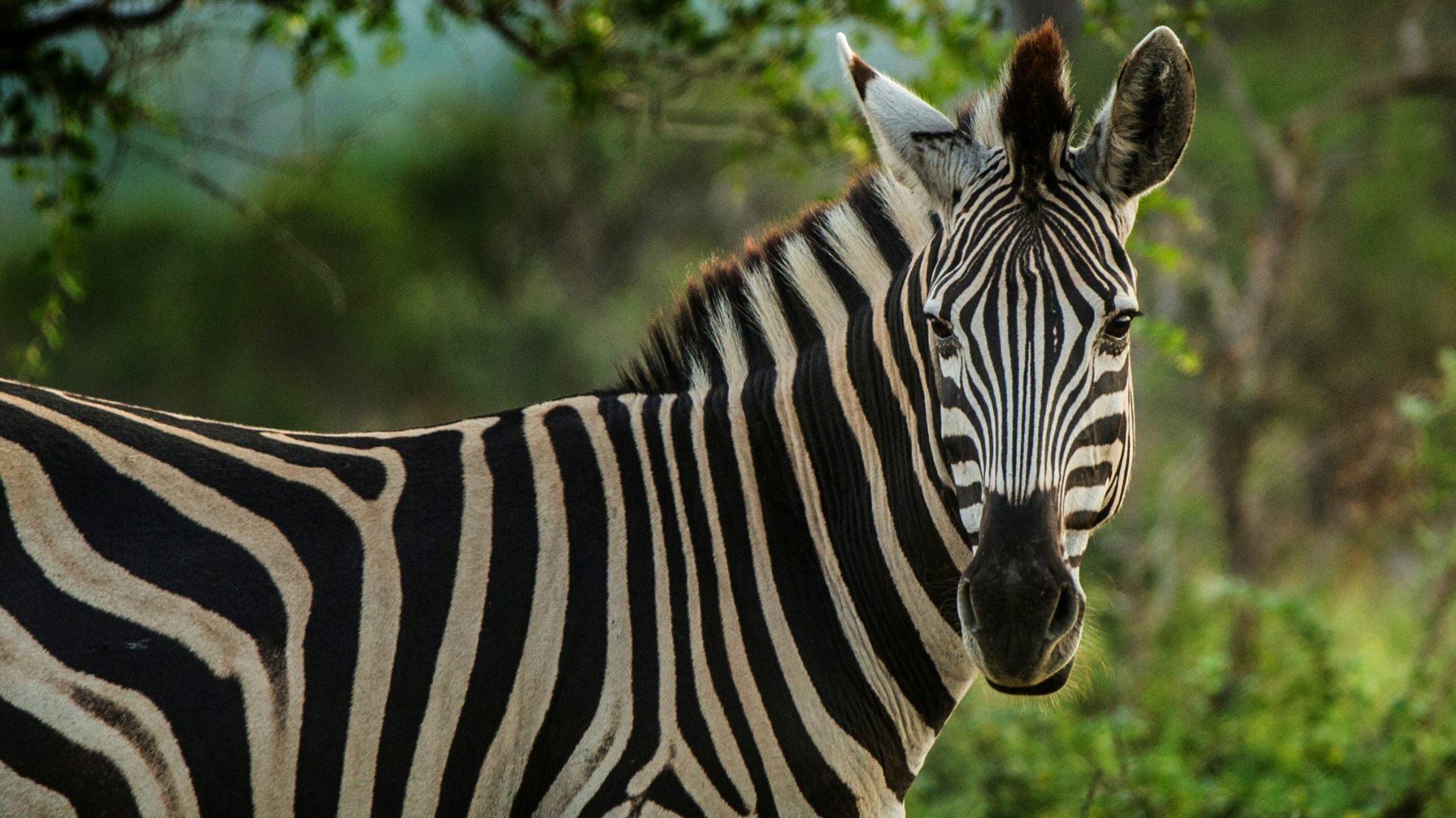
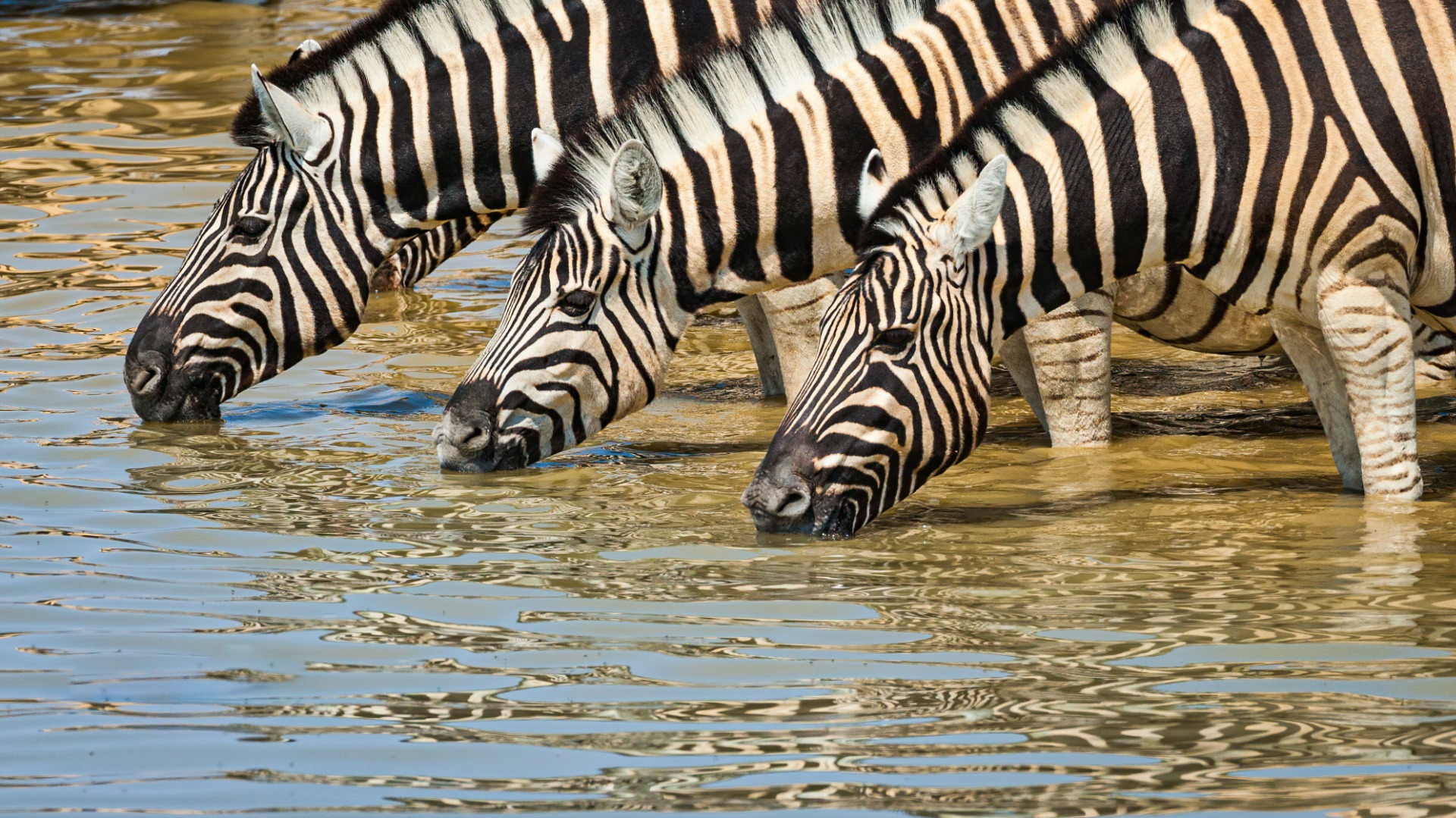
Backlighting during golden hour creates striking rim lighting around subjects like zebra or impala, particularly effective when shooting from a low angle. Professional photographers often underexpose slightly to maintain detail in the animal’s body while allowing the sun to create a natural halo effect. For those staying at Sand River Masai Mara, the open vehicle positioning allows for these lower perspectives that transform ordinary sightings into extraordinary photographs.
Handling Backlighting and Silhouettes
When the sun sits low on the horizon, spot metering on your subject rather than using evaluative metering prevents the camera from overcompensating for the bright background. A +1 exposure compensation often yields pleasing results for backlit portraits, while intentional underexposure by 1.5 to 2 stops creates powerful silhouettes against fiery orange skies, a technique particularly effective with giraffes or elephants at Tsavo East National Park.

Equipment Recommendations and Field Practicalities
While camera settings matter immensely, having the right tools for Kenya’s variable conditions makes adjustment easier. A 100-400mm or 200-500mm zoom lens offers versatility for changing distances during game drives, while a sturdy bean bag or gimbal head helps stabilise longer lenses on moving vehicles. Many professionals carry two camera bodies, one fitted with a wider 24-70mm lens for environmental context and another with telephoto glass for detailed portraits.
Protecting equipment from Kenya’s notorious red dust is essential. Lens cloths should be kept readily accessible, and camera bodies benefit from weather sealing. For those joining longer journeys, consider how different regions affect equipment choices, from the fine dust of the Laikipia plateau to the more humid conditions around the coast. Our related article on practical Kenyan photography techniques for capturing wildlife in motion explores complementary approaches to equipment selection.
Common Questions About Photography in Kenya
What camera settings should I use for lions at dawn in the Maasai Mara? For lions at dawn, begin with an aperture of f/4, shutter speed of 1/320th of a second, and ISO 1600-2500. This combination allows enough light while maintaining sharpness as the animals move. Adjust based on your specific light conditions, always checking the histogram to avoid losing detail in the lions’ dark manes.
How do professional photographers handle Kenya’s harsh midday sun? Professionals typically stop down to f/11, use shutter speeds of 1/1000th or faster, and keep ISO low. They also rely heavily on polarising filters and strategic positioning to use natural shade where possible. Many choose to capture more graphic, high-contrast compositions during these hours rather than attempting soft portraiture.
Is it worth bringing a tripod on Kenyan safari drives? Tripods are rarely practical on game drives due to vehicle movement and time constraints. Bean bags or vehicle-mounted supports prove far more useful. Reserve tripod use for lodge-based photography or when spending extended time at a particular location with permission from your guide.
Photography on safari is less about having the most expensive equipment and more about understanding how light, landscape and wildlife interact in each specific moment.
Conclusion
Mastering camera settings that capture Kenya’s shifting light transforms ordinary safari photographs into compelling visual stories that capture the essence of East African wilderness. By understanding the distinct qualities of predawn mist, harsh midday sun, and rich golden hour illumination, travellers can create images that resonate long after their journey ends. These technical skills, combined with respect for the animals and their environment, form the foundation of responsible and rewarding wildlife photography.
For discerning travellers seeking a private safari beyond our set itineraries, we invite you to contact us directly. We specialise in designing exceptional, tailor-made journeys for individuals, couples, families, and private groups of up to eight guests. Drawing on our handpicked network of distinguished camps and lodges, we curate every detail with precision and care, creating a seamless, deeply personal safari experience shaped entirely around your preferences, pace, and budget.
Whether you wish to focus specifically on photography or simply want to experience Kenya’s remarkable wildlife with a knowledgeable guide who understands the nuances of light and composition, reach out to Encounters Africa today. Our team of specialists will help craft a journey that aligns perfectly with your vision, ensuring you return home with both unforgettable memories and a portfolio of images that truly reflect the beauty of the Kenyan landscape.
More like this
Photography
Capture Zambia’s Dramatic Light: Prime Spots for Wildlife Photography
Photography
Chasing the Light: A Photographer's Personal Encounters in Kenya
photography
Choosing Bean Bags Over Gimbals for Photographic Safaris in Africa
photography
Drones Face Strict No-Fly Rules Across African Parks
Photography
Essential Camera Gear for Capturing Africa's Iconic Wildlife Moments
Photography