wildlife
Comparing Gorilla and Chimpanzee Tracking in Uganda Versus Rwanda
Encounters Africa - 8 min read
Updated on 31 August 2026
Uganda for primates draws wildlife travellers into misty forests where mountain gorillas and chimpanzees move through dense foliage. From the steep slopes of Bwindi to the rolling hills of Kibale, this East African country offers intimate gorilla and chimpanzee tracking with distinct terrain, trek lengths and costs compared to Rwanda. This even-handed guide weighs the practical differences for discerning travellers.
Encounters Africa, the specialist arm of the Secret Namibia group, designs these tailor-made safaris across eight countries by booking directly with camps and lodges for individuals, couples, families and private groups of up to eight. Drawing on three decades of combined experience and 81 published itineraries that can all be reshaped, the Cape Town-based team creates seamless journeys shaped around your preferences.
The forest closes around you, alive with the rustle of leaves and distant calls, turning each primate encounter into a memory that lingers long after the trek ends.
Why Uganda Appeals to Primate Enthusiasts
Uganda stands out for its remarkable primate diversity within a compact area. Travellers can track endangered mountain gorillas in Bwindi Impenetrable National Park and observe habituated chimpanzees in Kibale National Park, often within the same two-week itinerary. The experience feels immersive, with smaller group sizes and a sense of genuine wilderness.
Unlike more structured programmes elsewhere, Ugandan treks allow for extended observation time once the primates are located. Guides share nuanced insights into social behaviours, from silverback authority displays to the playful antics of young chimps. This depth rewards those who value understanding over quick sightings.
The landscapes themselves heighten the adventure. Expect to move through tangled undergrowth, across streams, and up slippery inclines where every step reveals new layers of the ecosystem. Birdsong fills the air, and the rich scent of damp earth and vegetation accompanies you throughout the day.
Gorilla Trekking in Uganda: Bwindi and Beyond
Bwindi Impenetrable National Park shelters roughly half the world's remaining mountain gorillas. Permits allow groups of eight or fewer to spend one hour with a habituated family, watching them forage, rest, and interact at close range. The setting is raw and intimate, with vegetation so thick that visibility can sometimes be limited to just a few metres.
Treks typically last between two and seven hours depending on where the gorillas have ranged overnight. Physical demands vary, but the terrain often includes steep, muddy slopes and tangled vines that require steady footing and a good level of fitness. Morning mist frequently clings to the canopy, creating an ethereal atmosphere as you begin your search.
Experienced rangers lead the way, cutting paths with machetes where needed and interpreting subtle signs such as fresh droppings or broken branches. The reward comes when the family appears, their calm presence contrasting with the effort of reaching them. Many travellers describe the moment of first eye contact as profoundly moving.
Standing quietly among these gentle giants, one feels the weight of our shared ancestry and the urgent need to protect what remains of their shrinking world.
Chimpanzee Tracking in Kibale National Park
Kibale's lush rainforest offers some of Africa's finest chimpanzee encounters. Habituation here allows closer and longer observation than in many other locations, with troops often moving through the trees in noisy, dynamic groups. The experience includes both ground-level viewing and watching their acrobatic displays high in the canopy.
Treks in Kibale are generally shorter and less strenuous than gorilla expeditions, lasting two to four hours on relatively flatter ground. Morning starts are crisp, with sunlight filtering through multiple layers of leaves and the forest floor carpeted in fallen fruit that attracts the chimps. Guides point out vocalisations and explain the complex hierarchy within each community.
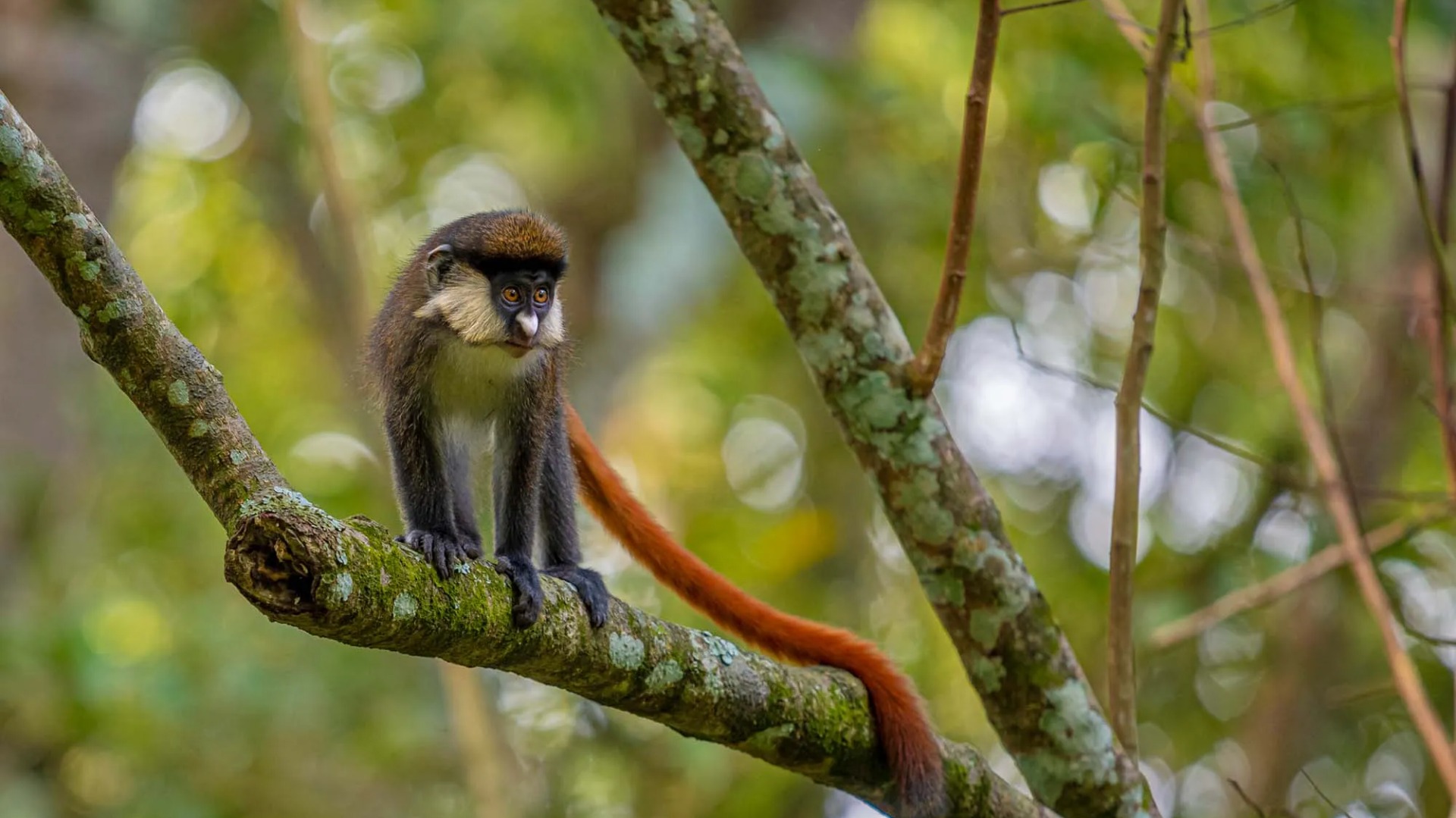
Visitors often combine chimpanzee tracking with forest walks that reveal other primates including red colobus, black-and-white colobus, and L'Hoest's monkeys. The biodiversity extends beyond mammals to hundreds of bird species and colourful butterflies that dance in shafts of light between the trees.
Comparing Gorilla and Chimpanzee Tracking in Uganda Versus Rwanda
What is the difference between gorilla trekking in Rwanda and Uganda? Rwanda's Volcanoes National Park features shorter, steeper treks on volcanic slopes with better infrastructure and higher permit costs, while Uganda's Bwindi offers longer, more variable treks through denser, lower-altitude rainforest at a lower price point. Rwanda typically provides more predictable gorilla locations due to its open bamboo zones, whereas Uganda's thicker vegetation can make sightings more challenging yet ultimately more intimate. Trek groups are limited to eight people in both countries, but Rwanda's higher altitude (around 2,500-3,000 metres) demands greater cardiovascular fitness than Bwindi's average 1,500-2,000 metre elevation. Current permit fees stand at approximately $1,500 in Rwanda versus $700 in Uganda (subject to seasonal operator variation), making the latter more accessible for extended primate-focused journeys.
Terrain, Trek Length and Practical Differences
The physical landscapes shape each experience distinctly. Rwanda's Virunga volcanoes create dramatic, high-altitude terrain with sharp inclines and occasional rocky sections. Treks here average three to five hours but can feel more intense due to thinner air and steeper gradients. Uganda's Bwindi, by contrast, presents a tangled mix of steep valleys and ridgelines within true rainforest, where humidity and slippery leaf litter add to the challenge over potentially longer distances.
Chimpanzee tracking in Kibale tends to be the least demanding of the three, with gentler undulations and well-maintained trails through tall forest. This makes it an excellent complementary activity for travellers combining gorilla and chimpanzee experiences in one journey. Both countries require sturdy hiking boots, rain gear, and gloves to protect against nettles and thorns.
Weather patterns influence comfort levels. Uganda's two rainy seasons (March to May and September to November) bring heavier downpours that transform trails into streams, while Rwanda's higher elevations can be cooler and misty year-round. The best months for drier conditions in both destinations generally fall between June and September and December to February.
Choosing between these neighbouring countries ultimately comes down to balancing physical challenge, budget, and the type of forest immersion you seek.
Cost Considerations and Permit Realities
Permit prices form the most obvious difference. Uganda's gorilla permits currently cost around $700 per person, significantly lower than Rwanda's $1,500 rate. This gap allows travellers to extend their stay or add chimpanzee tracking, community visits, or forest walks without stretching budgets as far. However, international flights into Entebbe versus Kigali and internal transfer costs can narrow the overall difference depending on routing.
Beyond permits, daily park fees, guide gratuities, and accommodation vary between the two nations. Uganda offers a broader range of lodging options from community-run lodges to more luxurious private camps, while Rwanda emphasises higher-end properties near the park boundaries. Both countries limit daily trekkers to protect the animals, so advance booking through specialists like Encounters Africa remains essential.
Value extends beyond numbers. Uganda's lower entry cost often translates to longer possible observation time in less crowded forest sectors. Rwanda counters with excellent support infrastructure and highly trained guides who excel at managing group dynamics around the gorillas. The choice depends on whether you prioritise affordability and variety or polished efficiency and dramatic volcanic backdrops.
Conservation Context and Responsible Travel
Both nations channel significant permit revenue into conservation and community projects. In Uganda, funds support anti-poaching patrols, habitat restoration, and local education programmes that reduce pressure on forest resources. Rwanda has similarly invested in veterinary care and genetic monitoring of its gorilla populations, which have shown encouraging growth in recent years.
Responsible primate tracking follows strict guidelines. Maintain a seven-metre distance where possible, avoid direct eye contact that might be interpreted as a threat, and never use flash photography. These rules protect both the animals from disease transmission and travellers from unnecessary stress to the groups.
Choosing operators who work closely with local communities ensures your visit contributes positively. Many lodges near Bwindi and Kibale partner with village projects, offering cultural performances and craft demonstrations that provide alternative income sources. This integrated approach strengthens the case for protecting these remarkable primates for future generations.
Planning Your Ugandan Primate Safari
A well-designed Uganda itinerary might begin with chimpanzee tracking in Bwindi Lodge before moving to gorilla experiences in the south. Combining both activities over ten to fourteen days allows time to absorb the different rhythms of forest life while minimising fatigue. Internal flights between Entebbe, Kibale, and Bwindi reduce road travel time and maximise days spent with the primates.
Consider pairing your primate focus with other Ugandan highlights such as tree-climbing lions in Queen Elizabeth National Park or boat trips on the Kazinga Channel. This creates a richer safari narrative that showcases the country's varied ecosystems. For those extending further, seamless connections to Rwanda or Kenya open up multi-country primate and plains game combinations.
Encounters Africa curates these experiences with precision, matching accommodation to your pace and ensuring every logistical detail supports rather than distracts from the wildlife encounters. Whether you seek the misty drama of Bwindi or the lively canopy of Kibale, the journey rewards those who approach it with patience and respect.
For discerning travellers seeking a private safari beyond our set itineraries, we invite you to contact us directly. We specialise in designing exceptional, tailor-made journeys for individuals, couples, families, and private groups of up to eight guests. Drawing on our handpicked network of distinguished camps and lodges, we curate every detail with precision and care, creating a seamless, deeply personal safari experience shaped entirely around your preferences, pace, and budget. Discover more in our traveller reviews or explore a sample exclusive wilderness safari that can be adapted for Uganda and Rwanda.
More like this
Wildlife
Field Scientists Follow Namibia's Desert Elephants Along Ancient Watercourses
wildlife
Following the Rhythms: How Botswana Wildlife Adapts Its Movements to Shifting Landscapes
wildlife
Gondwana Game Reserve Wildlife: Species Profiles and Viewing Timetable
wildlife
How African Hunters and Honeyguides Exchange Signals for Mutual Reward
wildlife
How African Wild Dog Packs Navigate Vast Ranges and Seasonal Dens
Wildlife