wildlife
Chronicles from Dinaka: Wild Packs Roaming Kalahari Fringe Woodlands
Encounters Africa - 5 min read
Updated on 1 May 2026
Deep in the Dinaka Private Reserve, wild packs roam the Kalahari fringe woodlands, their yips echoing through acacia thickets under starlit skies. This exclusive Botswana enclave cradles arid-adapted species like bat-eared foxes, aardwolves scavenging nights, springbok pronking across fringes. Track rhythms in exclusive low-density terrain, where Dinaka Private Reserve wildlife reveals itself in intimate, unhurried encounters.
Spanning 13,000 hectares of Kalahari transition zone, Dinaka offers low visitor densities—fewer than one vehicle per 1,000 hectares—ensuring profound connections with the land's rhythms. Encounters Africa guests witness predators and prey navigating seasonal shifts, from ephemeral pans to mopane woodlands. This guide chronicles the reserve's wildlife, drawing from years of on-site observations.
Dinaka Private Reserve Wildlife: Signature Species of the Fringe
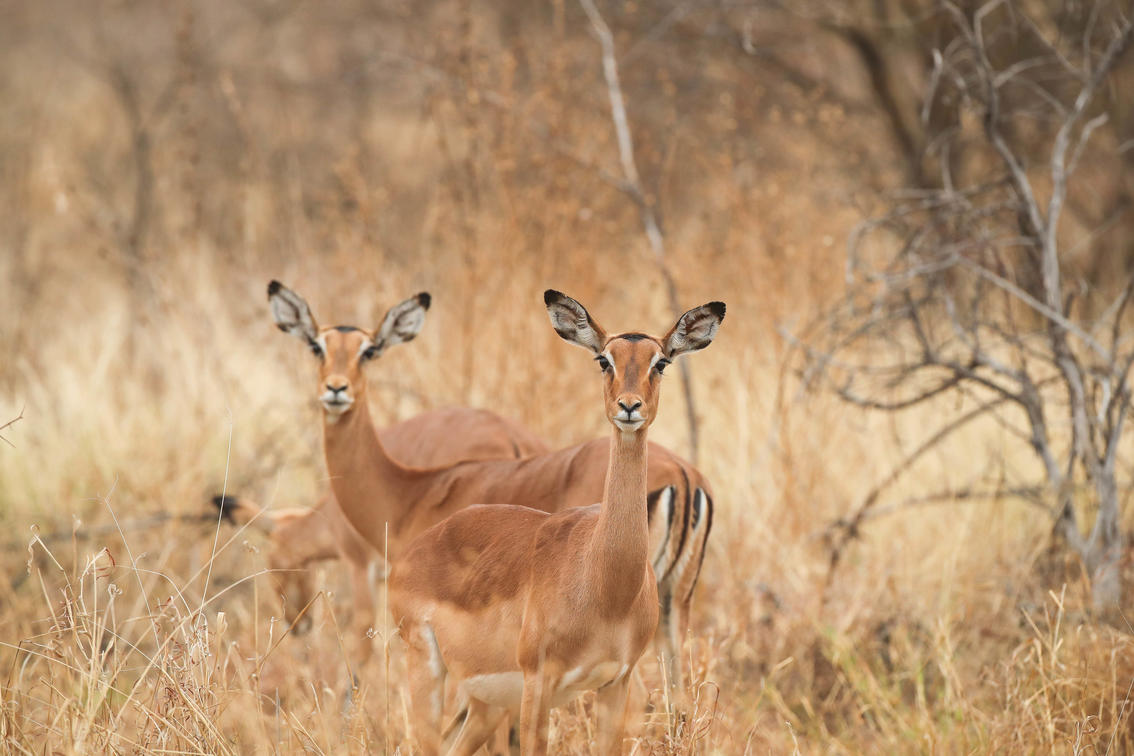
The Dinaka Private Reserve wildlife roster thrives in its semi-arid mosaic of grasslands, dunes, and fossil riverbeds. Bat-eared foxes, with ears like radar dishes, forage for harvester termites at dusk, their black-masked faces alert to the slightest rustle. These diminutive canids, numbering over 50 family groups here, embody the reserve's delicate balance.
Springbok herds, pronking in zigzag leaps to signal alarm, scatter across open fringes, their numbers swelling to 5,000 during wet seasons. Aardwolves, elusive termite specialists, patrol nights with sticky tongues, scavenging without competing directly with larger carnivores. This assemblage of specialists underscores Dinaka's role as a Kalahari outlier.
In Dinaka's fringe woodlands, every paw print tells a story of survival amid the Kalahari's whisper-dry winds.
Wild Dog Packs: Apex Drama in Low-Density Haven
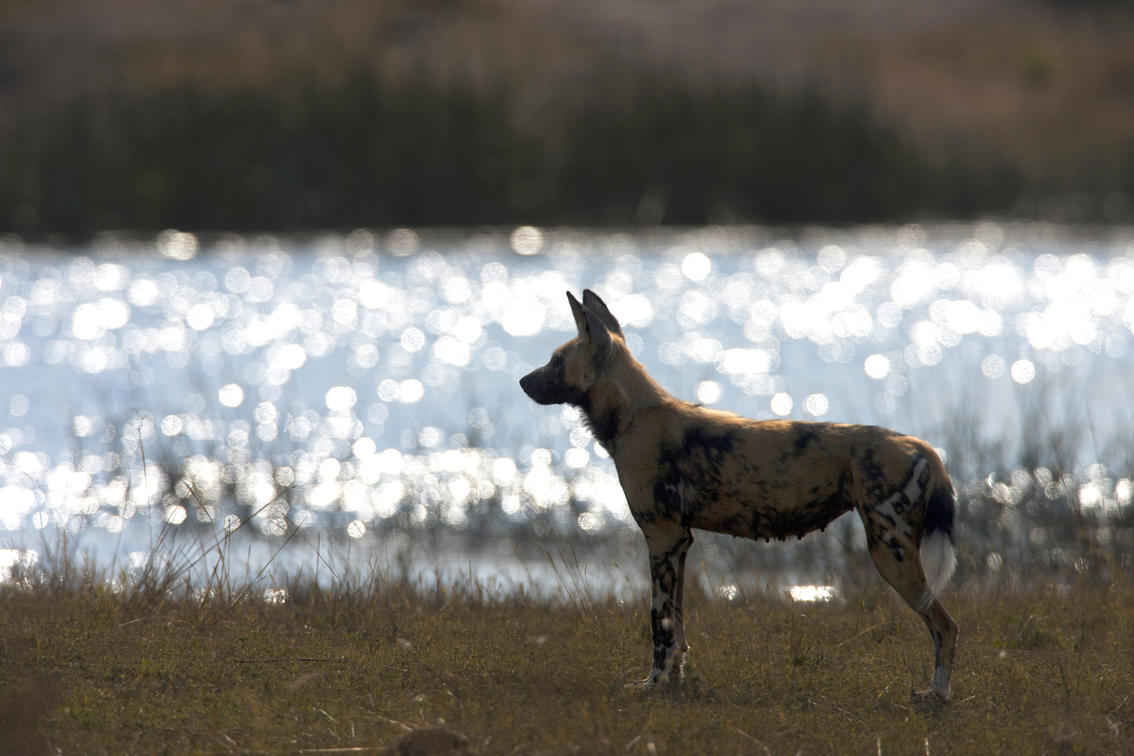
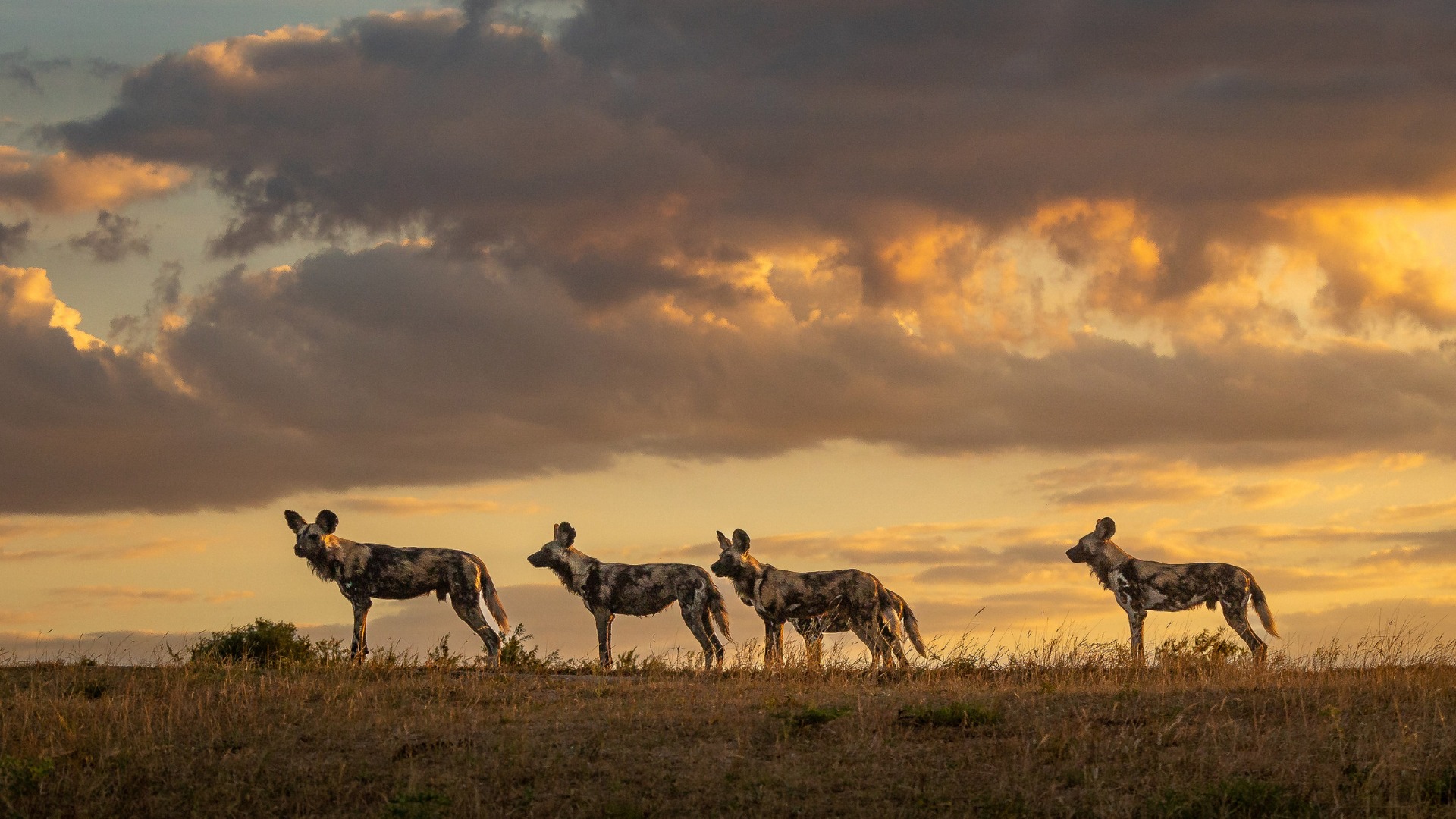
African wild dogs, or painted wolves, headline Dinaka Private Reserve wildlife sightings, with resident packs totalling 80-100 individuals across four clans. These endangered predators, boasting 80% hunt success rates, pursue impala through mopane stands in dawn choruses of high-pitched whoops. Guests often track a pack from den sites in May, witnessing pups emerge by July.
Denning Cycles and Hunt Tactics
Packs den in abandoned aardvark burrows from April to August, females birthing litters of 8-12 pups. Males provision with gruesome efficiency, ripping kills into bite-sized portions for the den. Dry-season scarcity funnels prey to waterpoints, amplifying viewing opportunities.
Observe how subordinates submit with grovels and whines, reinforcing pack hierarchy. Encounters Africa guides interpret these social cues, revealing the 70% pup survival rate unique to Dinaka's protected expanse.
Cheetahs and Leopards: Solitary Stalkers of the Dunes
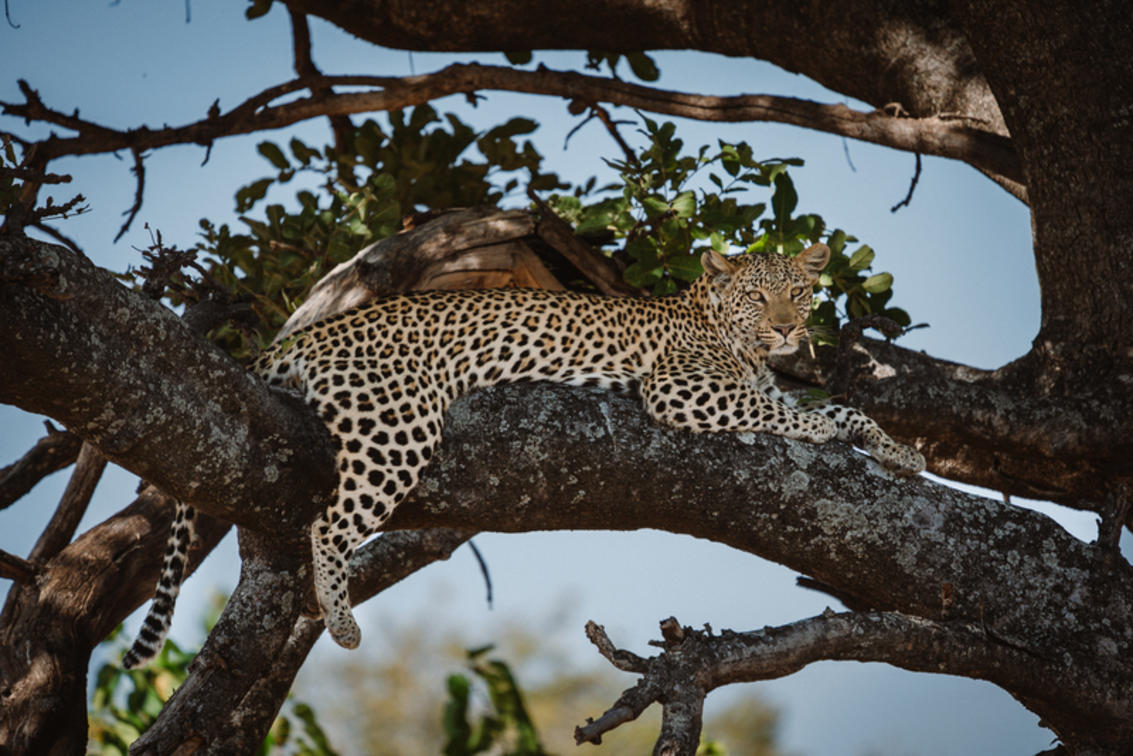
Cheetahs perch atop termite mounds, scanning for steenbok amid golden grasses, their numbers stable at 12-15 adults. These speed demons accelerate to 100 km/h in seconds, yet tire quickly, relying on Dinaka's open vistas for post-hunt rests. Leopard sightings peak nocturnally, with tree-draped kills visible from safari vehicles.
Lions, in prides of 10-14, shadow buffalo at ephemeral pans, their roars carrying 8 kilometres on still nights. Unlike denser parks, Dinaka's lions roam widely, covering 400 km² territories that overlap with wild dogs, sparking rare interspecies clashes.
Dinaka's cheetahs embody velocity in stillness—poised sentinels on the Kalahari's edge.
Birds and Smaller Wonders: Overlooked Kalahari Jewels
Dinaka Private Reserve wildlife extends to 300+ bird species, from crimson-chested bee-eaters hawking insects over pans to secretary birds stomping lizards on dunes. Aardvarks emerge post-sunset, snuffling anthills with metre-long tongues, while porcupines rattle quills in retreat. Meerkats stand sentry, their mobs of 20-30 scanning horizons.
Seasonal Avian Spectacles
Wet summers (November-March) draw European rollers in iridescent blues, while dry winters concentrate raptors like tawny eagles at kills. Ground hornbills, with booming calls, patrol family territories spanning 100 km², symbols of the reserve's health.
These smaller actors enrich the narrative, their behaviours as compelling as big cats. Binoculars reveal the fringe's intricate web.
Best Times to Witness Dinaka Private Reserve Wildlife
The optimal window for Dinaka Private Reserve wildlife viewing spans June to October, when dry conditions concentrate animals at scattered waterpoints. Temperatures hover at 25°C days and 5°C nights, with minimal rain ensuring clear tracks and active hunts. Packs den nearby, pups visible from vehicles.
June-July: Wild dog pups at play, lion hunts at dawn, springbok lambing peaks.
August-September: Cheetah cubs learning stalks, migratory birds depart, pans attract herbivores.
October: Pre-rains flush prey, predators gorge before green-up scatters them.
Wet season (November-March) greens the landscape, challenging sightings but rewarding with newborn impala and bird influxes. Fly into Maun airstrip for seamless transfers to camp.
Conservation Rhythms Sustaining Dinaka's Wild Packs
Dinaka's anti-poaching teams patrol 24/7, collaring key individuals for monitoring—15 wild dogs tracked via GPS since 2018. Partnerships with neighbouring Moremi Game Reserve create corridors for gene flow, boosting pack viability. Low-density model limits human impact, fostering natural behaviours.
Guests contribute via tracking contributions, funding snare sweeps that removed 200+ in 2023. This model sustains 20% higher wild dog densities than adjacent public lands.
Conservation at Dinaka isn't intervention—it's guardianship of ancient rhythms.
Plan Your Dinaka Private Reserve Wildlife Journey
Dinaka Private Reserve wildlife offers unparalleled intimacy in Botswana's Kalahari fringe, where packs roam free and foxes dance under moons. From wild dog dens to leopard lairs, every sighting etches lasting memories.
For discerning travellers seeking a private safari beyond our set itineraries, we invite you to contact us directly. We specialise in designing exceptional, tailor-made journeys for individuals, couples, families, and private groups of up to eight guests. Drawing on our handpicked network of distinguished camps and lodges, we curate every detail with precision and care, creating a seamless, deeply personal safari experience shaped entirely around your preferences, pace, and budget. Reach out to Encounters Africa to craft your Dinaka chronicle today.
More like this
wildlife
Comparing Gorilla and Chimpanzee Tracking in Uganda Versus Rwanda
Wildlife
Field Scientists Follow Namibia's Desert Elephants Along Ancient Watercourses
wildlife
Following the Rhythms: How Botswana Wildlife Adapts Its Movements to Shifting Landscapes
wildlife
Gondwana Game Reserve Wildlife: Species Profiles and Viewing Timetable
wildlife
How African Hunters and Honeyguides Exchange Signals for Mutual Reward
wildlife