Wildlife
Field Scientists Follow Namibia's Desert Elephants Along Ancient Watercourses
Encounters Africa - 11 min read
Updated on 13 August 2026
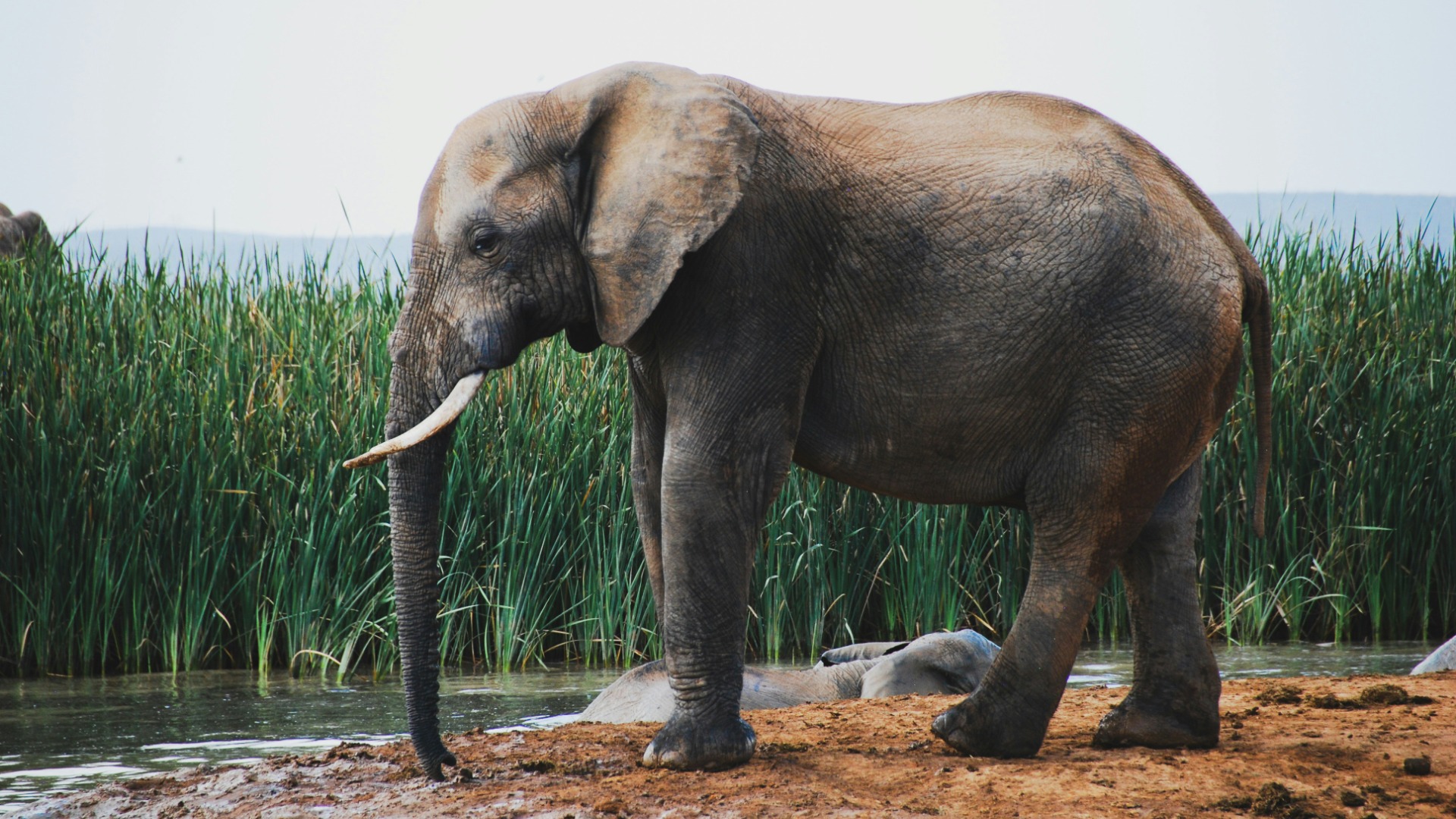
Biologists equipped with GPS collars and traditional knowledge from local trackers follow elephant herds through Namibia's ephemeral riverbeds, uncovering how these remarkable animals locate scarce water and navigate vast dry landscapes in the Kunene region. In the harsh northwest of Namibia, desert-adapted elephants demonstrate extraordinary resilience, travelling up to 70 kilometres in a single day across parched terrain where most large mammals would perish. Their movements along ancient watercourses reveal a sophisticated understanding of an environment that appears unforgiving yet holds hidden sources of life.
These elephants, often called desert elephants, represent one of Africa's most fascinating wildlife adaptations. Fewer than 300 individuals remain in the Kunene region, making every collaring project and tracking expedition vital for their long-term survival. Encounters Africa has witnessed their extraordinary journeys on numerous private safaris, where the sight of a lone bull emerging from swirling red dust leaves an indelible impression on every traveller fortunate enough to observe them.

Their trunks probe dry sand for moisture while their feet remember the precise location of underground springs that have sustained generations before them.
The Unique Adaptations of Namibia's Desert Elephants
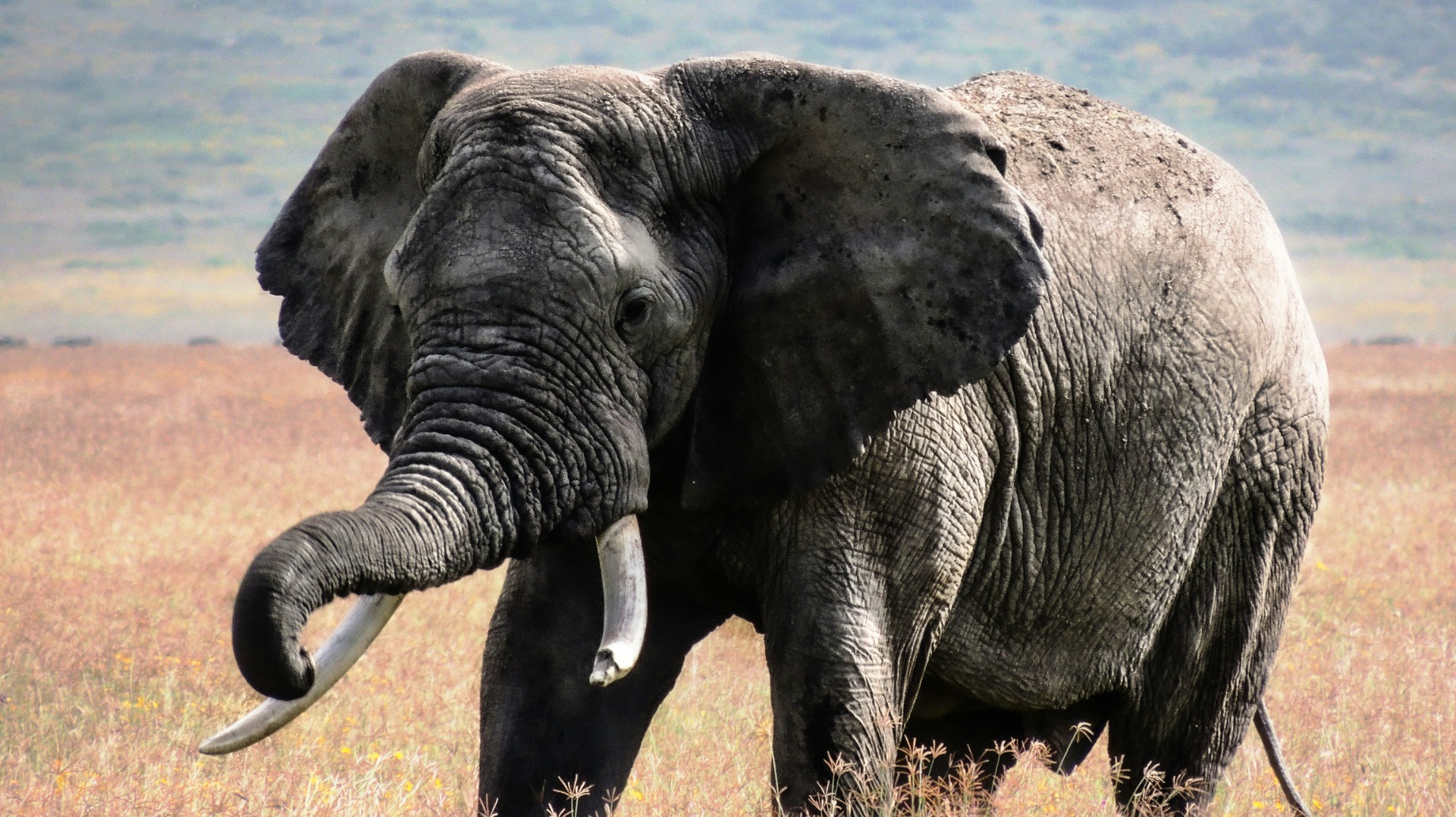
Desert-adapted elephants differ physically and behaviourally from their savanna cousins. Their bodies are leaner, with larger feet that distribute weight more effectively across loose sand. Larger surface area on their ears helps dissipate heat more efficiently during the scorching days when temperatures regularly exceed 40°C.
Perhaps most impressive is their ability to survive on significantly less water than other elephants. While typical African elephants require up to 200 litres daily, these desert specialists can manage with as little as 20 litres when necessary, obtaining much of their hydration from the moisture-rich plants they consume. Their knowledge of ephemeral water sources passed down through matriarchal lines represents a form of cultural inheritance that scientists are only beginning to understand.
During our tracking expeditions, we have observed how these elephants modify their behaviour according to seasonal changes. In the dry season from May to October, they concentrate along the Hoanib River and other ancient watercourses, digging wells up to two metres deep in dry riverbeds to access subsurface water. This behaviour not only sustains the elephants but creates vital water points for numerous other species.
Physical Characteristics That Enable Survival
The physical modifications that allow desert elephants to thrive in Namibia's arid zones extend beyond their leaner frames. Their skin appears more wrinkled, an adaptation that increases surface area for heat loss while trapping moisture. Their trunks, remarkably dexterous, can detect the faintest hint of moisture beneath seemingly barren ground.
Recent studies using thermal imaging have revealed that these elephants maintain lower core body temperatures than their counterparts in wetter regions, a physiological adaptation that conserves both energy and water. Their ability to go without drinking for up to four days demonstrates an extraordinary metabolic efficiency developed over countless generations.
Each footprint in the sand tells a story of survival against seemingly impossible odds, a testament to evolutionary ingenuity that continues to unfold before our eyes.
Technology Meets Tradition: How Scientists Track Desert Elephants
Modern elephant tracking in Namibia combines cutting-edge technology with the profound environmental knowledge held by local communities. Researchers from the Elephant Human Relations Aid (EHRA) and other organisations work closely with Himba and Herero trackers whose families have lived alongside these elephants for generations. This collaborative approach yields insights that neither science nor traditional knowledge could achieve in isolation.
GPS collars deployed on selected elephants transmit location data every few hours, creating detailed movement maps that reveal previously unknown migration routes and watering points. These collars, which weigh less than 2% of an elephant's body weight, are fitted during carefully managed operations that minimise stress to the animals. The data collected has already transformed our understanding of how these elephants navigate the 40,000 square kilometres of the Kunene region.
Alongside technological tracking, local trackers read the landscape with remarkable precision. They can identify individual elephants by their footprints, determine how recently they passed by examining dung moisture content, and predict their likely destination based on wind direction, temperature and seasonal plant availability. This traditional ecological knowledge spans centuries and provides context that GPS data alone cannot supply.
The Role of Local Knowledge in Conservation Research
Himba elders possess an intimate understanding of elephant behaviour that has proven invaluable to scientific studies. Their observations about which family groups use specific river systems during particular lunar phases have helped researchers interpret collar data more accurately. This integration of indigenous knowledge represents a significant shift in how conservation science operates in Namibia.
Community members participate in collaring operations, data interpretation workshops, and long-term monitoring programmes. This involvement ensures that research directly benefits local people, creating stronger incentives for protecting the elephants that share their traditional lands. Several former poachers have become respected members of tracking teams, demonstrating the transformative potential of inclusive conservation approaches.
Life Along Namibia's Ancient Watercourses
The dry riverbeds that crisscross Namibia's northwest serve as linear oases in an otherwise arid landscape. These ancient watercourses, formed over millions of years, channel occasional floodwaters from distant highlands while storing moisture in their sandy substrates. Elephants follow these riverbeds with remarkable precision, knowing exactly where to dig for water even when the surface appears completely dry.
The Hoanib, Hoarusib and Khumib rivers represent critical lifelines for desert elephants. During our guided expeditions from Desert Whisper Gondwana Collection Namibia, we often spend entire days following these ephemeral waterways, witnessing how elephants, black rhinos, giraffes and numerous smaller species depend on the same limited resources. The interconnectedness of this ecosystem becomes strikingly apparent when observed at close range.
Scientists have documented over 80 different locations where elephants regularly excavate wells in dry riverbeds. These wells, some maintained for decades, demonstrate a level of environmental engineering that benefits the entire ecosystem. After elephants have drunk their fill, other animals including oryx, springbok and even predators take advantage of the water made accessible.
Seasonal Patterns and Migration Routes
Desert elephants follow predictable yet flexible seasonal patterns. From November to April, when rare rains may transform the desert into a brief paradise of flowering plants, elephants disperse across wider areas. As the dry season intensifies, they return to the permanent water sources and known digging sites along the major river systems.
Tracking data has revealed that some family groups travel more than 200 kilometres between the coast and inland mountain ranges over the course of a year. These long-distance movements expose them to various threats including human-wildlife conflict in areas where their routes intersect with community lands and livestock grazing areas.
Following an elephant family along a dry riverbed at first light, with only the sound of their massive feet on sand and the occasional rumble of communication, connects one to something far older and wilder than our everyday experience.
Conservation Challenges Facing Desert Elephants
Despite their remarkable adaptations, Namibia's desert elephants face significant threats. Climate change has altered rainfall patterns, making once-reliable water sources less predictable. Human population growth in the region increases competition for scarce resources, while illegal hunting, though reduced, remains a concern in remote areas.
Human-elephant conflict represents perhaps the greatest immediate challenge. As elephants raid crops or damage water infrastructure during their search for food and water, local communities can quickly lose tolerance for their presence. Conservation programmes now focus on finding practical solutions that benefit both elephants and the people who share their landscape.
Organisations like Save the Rhino Trust and EHRA work with communities to develop alternative livelihoods that reduce pressure on natural resources while providing economic incentives for protecting wildlife. Tourism, when carefully managed, plays a crucial role in demonstrating the value of living alongside these extraordinary animals.
Current Population Status and Protection Measures
Current estimates suggest between 250 and 300 desert-adapted elephants remain in northwest Namibia, with numbers showing slow but steady growth thanks to dedicated conservation efforts. The establishment of community conservancies covering over 50,000 square kilometres has created a network of protected areas where wildlife and traditional land uses can coexist.
Anti-poaching patrols, community game guards, and international research partnerships all contribute to the protection of these elephants. The Namibian government's recognition of conservancies as legitimate wildlife management institutions has empowered local communities to benefit directly from tourism revenue generated by elephant viewing experiences.
What Tracking Data Reveals About Elephant Intelligence
The information gathered through GPS tracking and direct observation continues to reshape our understanding of elephant cognition and social structures. Matriarchs demonstrate remarkable spatial memory, leading their families to water sources not visited for several years with unerring accuracy. Young elephants learn these routes by following older family members, creating continuity across generations.
Researchers have documented instances where elephants appear to remember specific individuals after separations lasting over a decade. The complex communication system that includes infrasound rumbles travelling through both air and ground allows family groups to coordinate movements across vast distances, even when out of visual contact.
Perhaps most touching are the observations of elephants showing what appears to be grief when encountering the bones of deceased family members. They will often touch and manipulate these remains with their trunks and feet, sometimes carrying bones for considerable distances before eventually leaving them in specific locations.
Implications for Broader Conservation Strategies
The insights gained from studying desert elephants have implications far beyond Namibia. Understanding how these animals adapt to extreme conditions provides valuable information for conservation efforts in other arid regions facing climate change. Their ability to survive with minimal water offers hope that other elephant populations might adapt to changing conditions if given sufficient space and protection.
The success of community-based conservation models developed around Namibia's desert elephants serves as an important case study. When local people receive tangible benefits from protecting wildlife, sustainable conservation becomes possible even in challenging economic environments. This approach is now being adapted for use in other parts of Africa where human-wildlife conflict threatens endangered species.
Experiencing Desert Elephants Responsibly
For travellers eager to witness these remarkable animals, responsible tourism plays a vital role in their protection. Encounters Africa designs private journeys that prioritise ethical wildlife viewing, working exclusively with operators who support local conservation initiatives and community development projects.
The best time to observe desert elephants is during the dry season from June to October, when they concentrate along the major river systems. Early morning and late afternoon offer the most rewarding viewing opportunities, when the angled light creates dramatic contrasts across the red dunes and pale riverbeds.
Our experienced guides understand the importance of maintaining appropriate distances and minimising disturbance. They interpret subtle behavioural cues that indicate when elephants feel comfortable with our presence and when we should quietly withdraw. This respectful approach ensures that our visits do not negatively impact the very behaviours we have come to observe.
Preparing for Your Desert Elephant Encounter
Visitors to northwest Namibia should come prepared for extreme conditions. Temperatures can fluctuate dramatically between day and night, and even during the dry season, sudden thunderstorms can transform dry riverbeds into dangerous torrents within minutes. Proper clothing, hydration, and respect for local customs are essential components of any successful journey.
Photography enthusiasts should consider the practical challenges of shooting in harsh light and dusty conditions. Polarising filters help manage glare from sand and sky, while understanding elephant behaviour allows for more meaningful images that capture genuine natural behaviour rather than startled reactions to human presence.

Standing silently beside an ancient riverbed as a family of desert elephants passes within metres, their massive forms silhouetted against a burning orange sky, creates a memory that stays with travellers for a lifetime.
Conclusion
The work of field scientists following Namibia's desert elephants along ancient watercourses represents far more than academic research. It forms part of a broader effort to understand, protect and learn from these extraordinary animals who have mastered survival in one of Earth's most challenging environments. Their story reminds us of the intricate connections between wildlife, traditional knowledge, modern science and responsible tourism.
Through continued research, community engagement and carefully managed wildlife experiences, we can help ensure that future generations will also have the privilege of witnessing these remarkable elephants navigating their arid domain. The lessons learned here about adaptation, resilience and coexistence offer valuable insights for conservation challenges across Africa and beyond.
For discerning travellers seeking a private safari beyond our set itineraries, we invite you to contact us directly. We specialise in designing exceptional, tailor-made journeys for individuals, couples, families, and private groups of up to eight guests. Drawing on our handpicked network of distinguished camps and lodges, we curate every detail with precision and care, creating a seamless, deeply personal safari experience shaped entirely around your preferences, pace, and budget.
Contact Encounters Africa to begin planning your journey to witness Namibia's desert elephants and the dedicated scientists working to understand and protect them. Your visit can contribute directly to the conservation efforts that make these extraordinary encounters possible.
More like this
wildlife
Following the Rhythms: How Botswana Wildlife Adapts Its Movements to Shifting Landscapes

wildlife
Gondwana Game Reserve Wildlife: Species Profiles and Viewing Timetable
wildlife
How African Hunters and Honeyguides Exchange Signals for Mutual Reward

wildlife
How African Wild Dog Packs Navigate Vast Ranges and Seasonal Dens
Wildlife
How Elephants Coordinate Through Seismic Signals and Low-Frequency Rumbles
wildlife