wildlife
Following the Rhythms: How Botswana Wildlife Adapts Its Movements to Shifting Landscapes
Encounters Africa - 10 min read
Updated on 9 July 2026
Botswana animals and habitats reveal an intricate dance shaped by the annual pulse of rain and drought across one of Africa's most varied landscapes. From the floodplains of the Okavango Delta to the vast salt pans of the Makgadikgadi, wildlife here moves with remarkable precision, responding to subtle shifts in water and vegetation that dictate where they feed, breed and seek refuge. This rhythm creates one of the continent's most compelling natural spectacles, where every season brings a new chapter in the lives of its iconic species.
Botswana wildlife follows precise seasonal patterns driven by rainfall and vegetation cycles. The habits and movements of zebra herds crossing the Makgadikgadi, lions tracking prey near Savuti, and leopards navigating the dense mopane woodlands offer travellers a window into a finely tuned ecosystem that has adapted over millennia to dramatic environmental change.
The Pulse of Botswana's Diverse Habitats
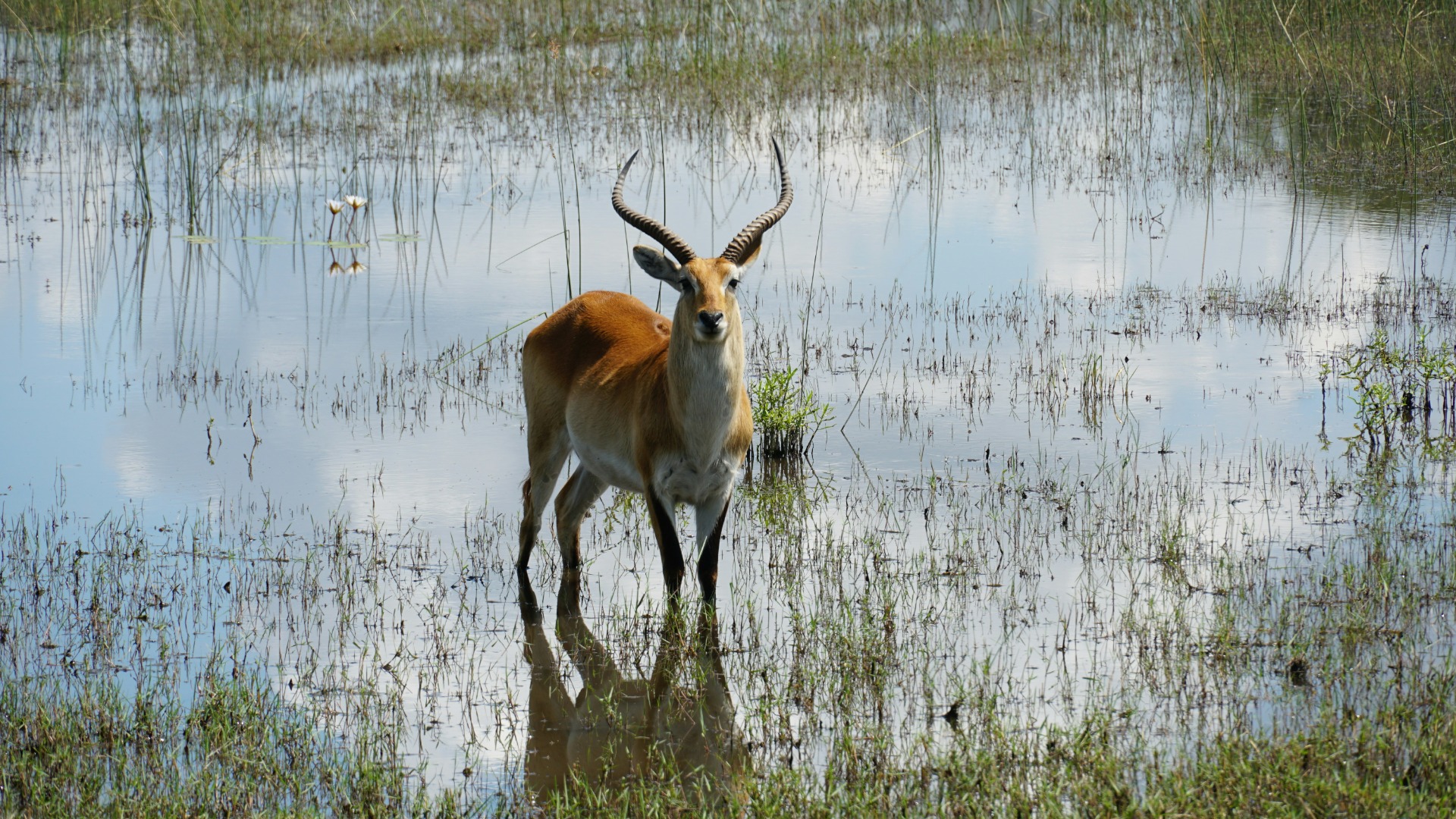
Botswana spans more than 580,000 square kilometres of contrasting environments, each supporting its own cast of animals and habitats. In the north, the Okavango Delta fans out across 15,000 square kilometres during peak flood season between May and October, creating a labyrinth of channels, lagoons and grassy islands that sustain one of the highest concentrations of large mammals on the continent.
Further south, the Makgadikgadi Salt Pans transform from arid, cracked earth in the dry season to shallow lakes after summer rains, drawing thousands of flamingos and other waterbirds. The Chobe River Front offers permanent water that concentrates game during the dry months from June to October, while the mopane woodlands of the Central Tuli Block provide dense cover for species that prefer more secluded terrain.
The true wonder of Botswana lies not in the sheer number of animals, but in how each species reads the landscape's changing moods and adjusts its movements accordingly.
These varied ecosystems are connected by ancient migration corridors that allow animals to move hundreds of kilometres in search of resources. Understanding these patterns transforms a safari from simple game viewing into an appreciation of nature's sophisticated timing. For those planning their journey, the best Botswana safari experiences align visits with these natural cycles rather than fighting against them.

Seasonal Rhythms: How Botswana Wildlife Adapts Its Movements
The habits and movements of wildlife in Botswana are governed primarily by the arrival and retreat of water. The wet season from November to April brings rains that fill pans and stimulate fresh grass growth, prompting widespread dispersal of herbivores. As the landscape dries from May onwards, animals begin their return to permanent water sources, creating dramatic concentrations that predators exploit.
Zebra and wildebeest undertake one of Africa's lesser-known migrations, moving in their thousands from the Okavango and Linyanti systems towards the Makgadikgadi grasslands when summer rains arrive. Recent studies using GPS collars have tracked zebra covering up to 500 kilometres in a single season, following ancient pathways that avoid the most heavily flooded areas while seeking mineral-rich grazing.
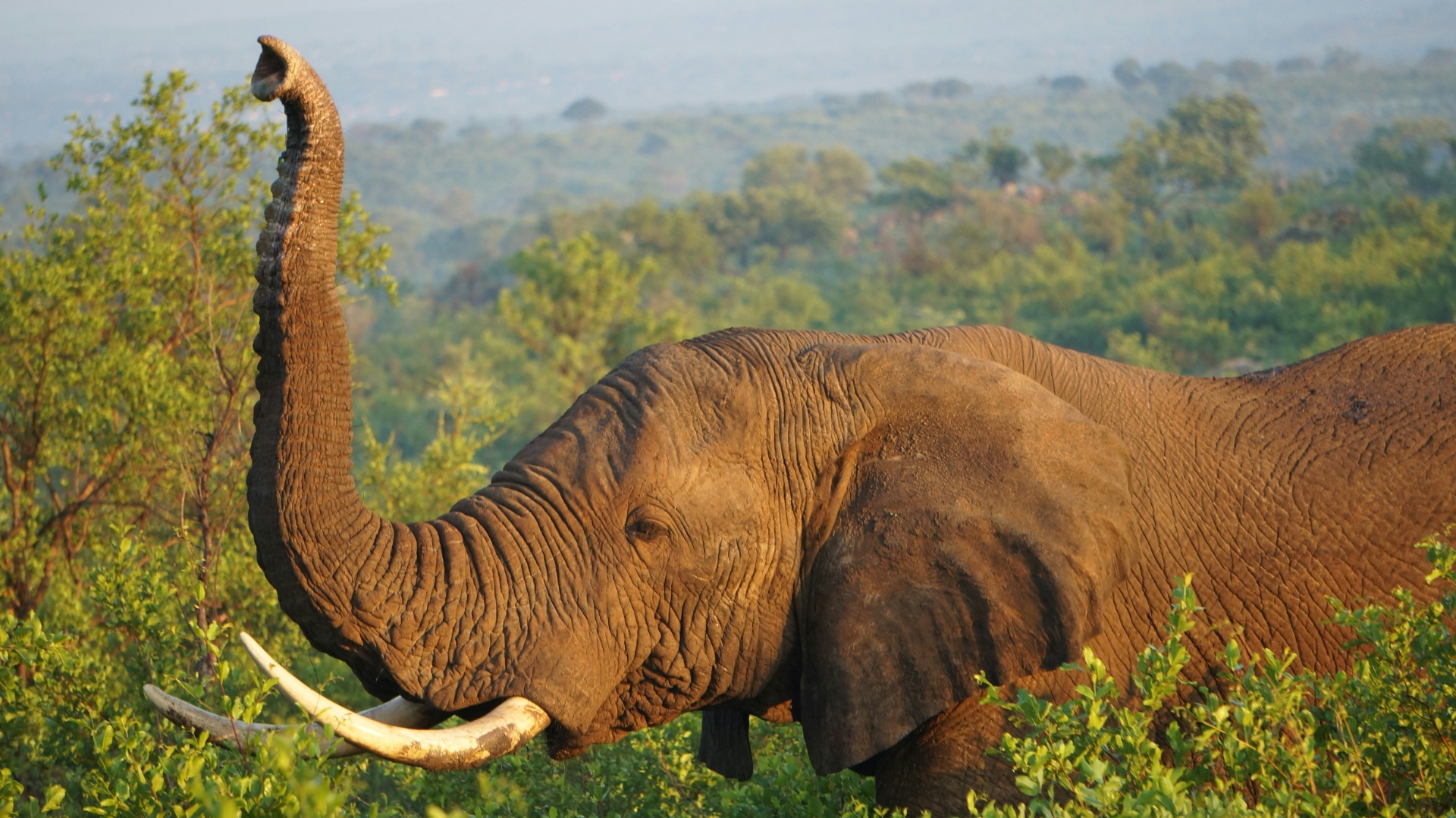
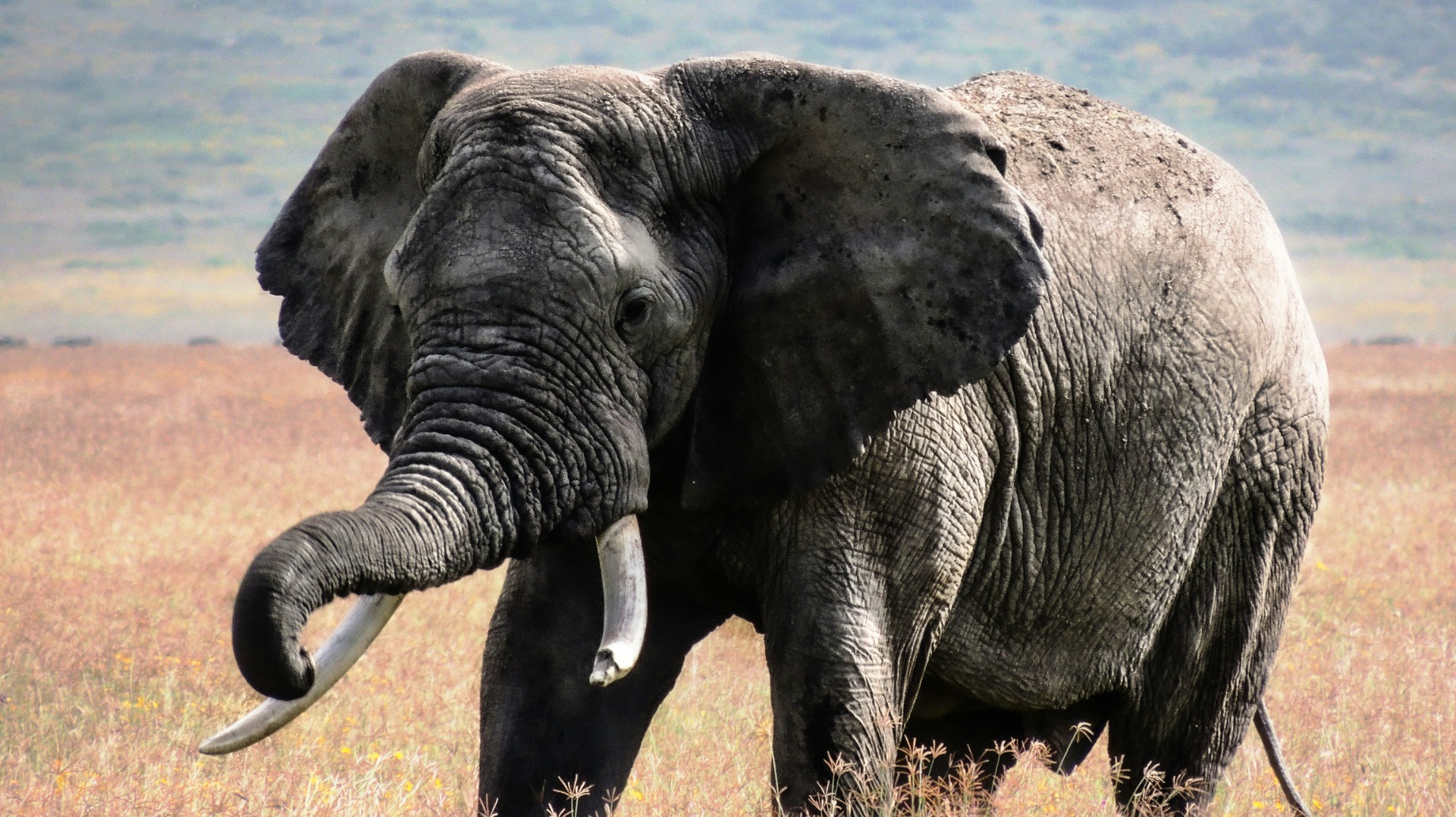
Elephants demonstrate perhaps the most sophisticated understanding of their environment. Herds in northern Botswana remember the location of hundreds of seasonal waterholes, returning to them year after year with remarkable accuracy. During the dry season, these intelligent giants dig wells in dry riverbeds, creating water sources that benefit numerous other species.
In Botswana, the landscape itself seems to breathe. When the rains come, the earth softens and the animals scatter; when the sun hardens it once more, they return to the rivers like iron filings drawn to a magnet.
Predators adjust their territories and hunting strategies according to these movements. Lions in the Savuti region, for instance, shift from ambushing prey near permanent channels in the dry season to following migratory herds across open plains when the rains arrive. This adaptability has allowed Botswana wildlife to thrive despite periodic droughts and changing climate patterns.
Key Species and Their Habitat Preferences
The Okavango Delta supports healthy populations of the Big Five, with approximately 130,000 elephants making it one of the last great strongholds for these giants on the continent. These Botswana animals and habitats create fascinating interactions, particularly during the dry season when elephants become ecosystem engineers, opening paths through dense vegetation and digging for water.
Predators flourish here too. The region hosts around 2,500 lions, with prides in the Duba Plains Private Reserve known for their remarkable swimming ability as they navigate between islands in pursuit of buffalo. Leopards favour the dense riverine forests and mopane woodlands, where their solitary nature and exceptional camouflage allow them to hunt effectively despite high competition from other carnivores.
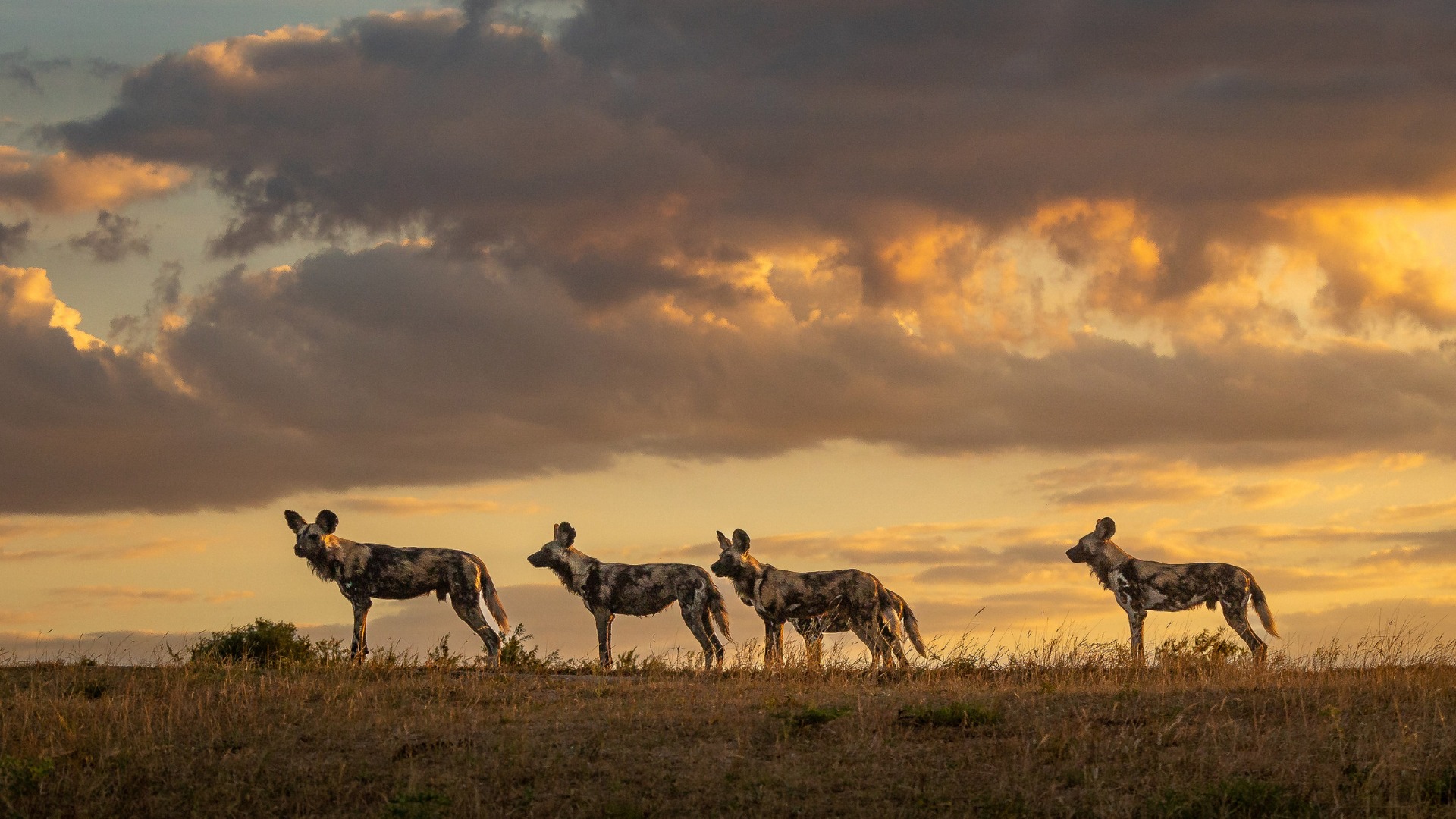
More specialised species find niches across Botswana's varied terrain. The Moremi Game Reserve provides critical habitat for African wild dogs, with packs requiring territories of up to 1,000 square kilometres to support their energetic hunting style. Sable and roan antelope prefer the woodland edges of the northern parks, while the salt pans support specialised grazers like springbok that can survive on minimal water intake.
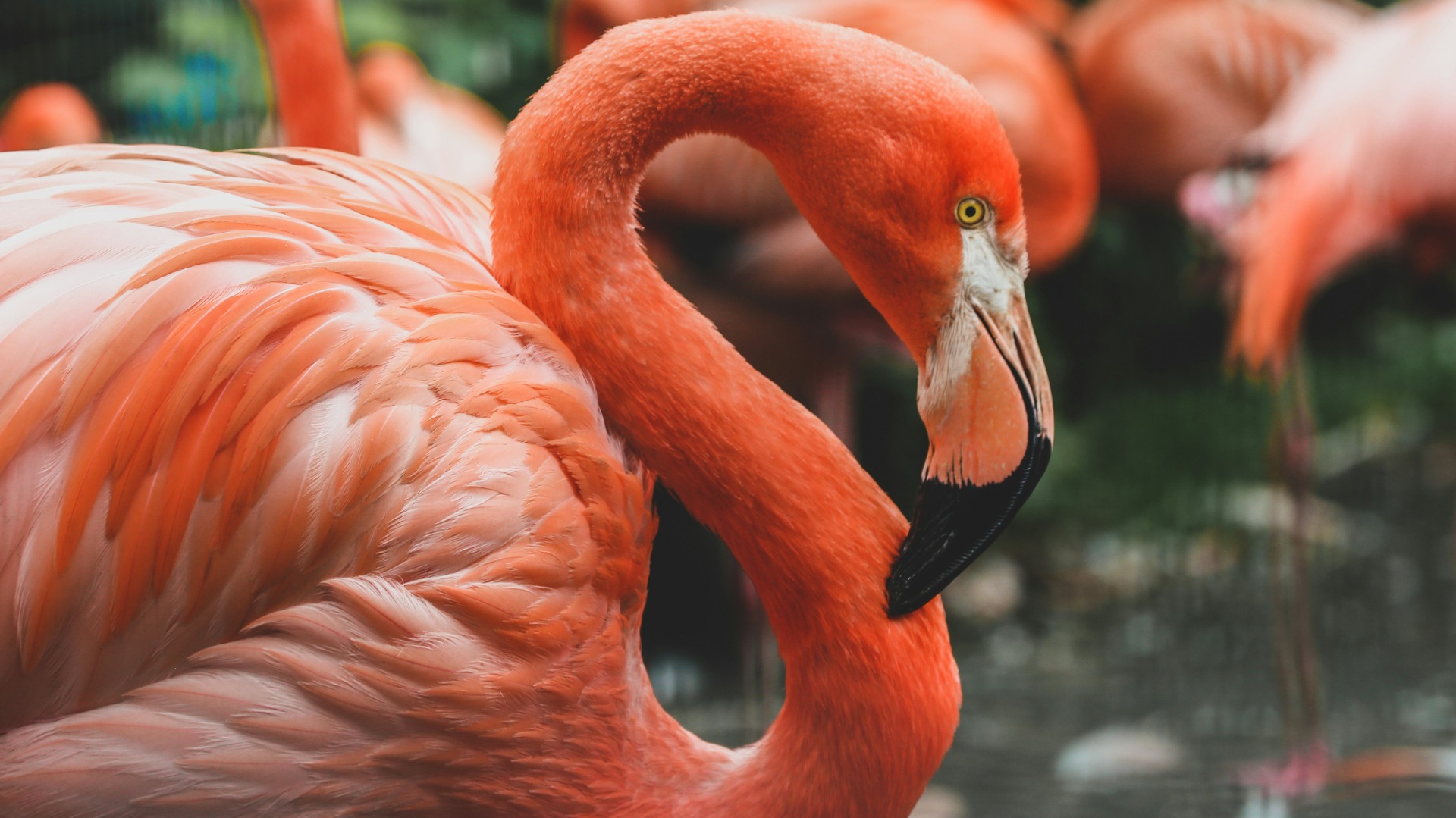
Birdlife adds another dimension to these habitats. The Okavango supports over 500 species, including the spectacular Pel's fishing owl and slaty egrets. During the wet season, the Makgadikgadi becomes a vital breeding ground for greater and lesser flamingos, with colonies sometimes numbering over a million birds.
The Role of Private Concessions in Conservation
Private reserves such as the Selinda Reserve and Duba Plains Private Reserve play a crucial role in protecting these movements and habitats. By limiting visitor numbers and focusing on low-impact tourism, these areas maintain the space wildlife needs to follow their natural patterns without excessive disturbance.
These conservancies often border national parks, creating larger connected landscapes where animals can move freely. The Khwai Community Area, managed by local communities, demonstrates how tourism revenue can support both wildlife protection and human development, ensuring that conservation remains relevant to those who share the land with Botswana wildlife.
Understanding Wildlife Behaviour on Safari
Observing the habits and movements of wildlife in Botswana requires patience and knowledge. Professional guides help travellers interpret subtle signs - the direction of fresh tracks, the alarm calls of different species, and the composition of herds - that reveal what animals are doing and why.
Early morning and late afternoon drives coincide with peak activity periods for most species. During the heat of the day, many animals rest in shade, making sightings less frequent but offering excellent opportunities to observe natural behaviours such as grooming, nursing young, or social interactions within prides and herds.
Walking safaris in areas like the Okavango Delta provide intimate perspectives on smaller creatures and the intricate relationships between plants and animals. These experiences reveal how termite mounds support entire miniature ecosystems or how certain acacia species have evolved defences against browsing elephants.
A safari in Botswana is not simply about seeing animals. It is about understanding the conversations happening all around you - between predator and prey, between the land and its inhabitants, between one season and the next.
Conservation Challenges and Success Stories
Botswana has maintained strong wildlife populations through progressive conservation policies, including a hunting ban implemented in 2014 that was partially lifted in 2019 with strict controls. The country is home to approximately 37 percent of Africa's remaining African wild dogs, making its protection efforts globally significant.
However, challenges remain. Human-wildlife conflict increases as agricultural activities expand, particularly around elephant corridors. Climate change threatens to alter rainfall patterns, potentially disrupting the seasonal rhythms that Botswana animals and habitats have evolved to follow.
Community-based conservation initiatives are proving effective. Revenue from photographic tourism supports anti-poaching efforts and provides alternatives to practices that might harm wildlife. The success of these programmes demonstrates that when local communities benefit directly from conservation, they become its strongest advocates.

When to Witness These Natural Rhythms
The best time to visit depends on which aspects of Botswana wildlife you most wish to observe. The dry season from June to October offers exceptional game viewing as animals concentrate around permanent water sources. This period brings clear blue skies and mild daytime temperatures, though nights can be surprisingly cool.
The green season from November to April transforms the landscape with new growth and dramatic thunderstorms. While game viewing can be more challenging due to dispersed animals and thick vegetation, this is the prime time for birdwatching, predator sightings with cubs, and witnessing the zebra migration across the Makgadikgadi region.
Many experienced travellers choose shoulder seasons - May or November - when crowds are fewer and the transition between wet and dry creates particularly interesting animal behaviour as they anticipate the changing conditions.
How Botswana Wildlife Adapts Its Movements to Shifting Landscapes: Common Questions Answered
What drives the seasonal movements of animals in Botswana? Primarily rainfall and its effect on vegetation and water availability. Animals have evolved to respond to these predictable patterns, with many species timing their breeding cycles to coincide with periods of abundance.
Do all species migrate in Botswana? No. While zebra, wildebeest and some elephant herds undertake long-distance movements, many predators and smaller species maintain smaller home ranges, adapting their hunting or foraging strategies to local conditions rather than moving large distances.
How does climate change affect these patterns? Rising temperatures and changing rainfall patterns may alter the timing and extent of floods in the Okavango and the filling of seasonal pans. Conservationists monitor these changes closely to understand potential impacts on Botswana wildlife.
Can visitors observe these movements without causing disturbance? Yes. Responsible operators ensure vehicles maintain appropriate distances, limit time spent with individual animals, and avoid off-road driving that might damage sensitive habitats. Early morning departures and the use of specialist guides help minimise impact while maximising learning.
Planning Your Journey Into Botswana's Living Landscape
The intricate relationship between Botswana animals and habitats creates one of Africa's most authentic wilderness experiences. By understanding these seasonal rhythms, travellers gain deeper appreciation for the sophisticated natural systems at work and witness behaviours that few other destinations can offer with such clarity.
Whether watching a leopard melt into the shadows of a mopane woodland at dusk, observing a lion pride coordinating an ambush near a drying waterhole, or simply sitting in silence as thousands of zebra stream across an open plain, these moments connect us to something larger than ourselves. They remind us that we are visitors to a world governed by ancient rules that continue to function when given sufficient space and protection.
For discerning travellers seeking a private safari beyond our set itineraries, we invite you to contact us directly. We specialise in designing exceptional, tailor-made journeys for individuals, couples, families, and private groups of up to eight guests. Drawing on our handpicked network of distinguished camps and lodges, we curate every detail with precision and care, creating a seamless, deeply personal safari experience shaped entirely around your preferences, pace, and budget.
Encounters Africa works with the finest operators across Botswana, from intimate camps in the Khwai region to luxurious retreats overlooking the Chobe River Front. Our specialists can help you select the perfect combination of locations and experiences to witness the habits and movements of wildlife in Botswana at their most compelling.
Begin your exploration by visiting our enquiry form to share your interests and vision. From there, we will craft a journey that honours both your desires and the remarkable natural heritage of this extraordinary country.
More like this
wildlife
Gondwana Game Reserve Wildlife: Species Profiles and Viewing Timetable
wildlife
How African Hunters and Honeyguides Exchange Signals for Mutual Reward
wildlife
How African Wild Dog Packs Navigate Vast Ranges and Seasonal Dens
Wildlife
How Elephants Coordinate Through Seismic Signals and Low-Frequency Rumbles
wildlife
How Elephants Send Messages That Travel for Miles Without Making a Sound
wildlife