wildlife
Gondwana Game Reserve Wildlife: Species Profiles and Viewing Timetable
Encounters Africa - 6 min read
Updated on 1 May 2026
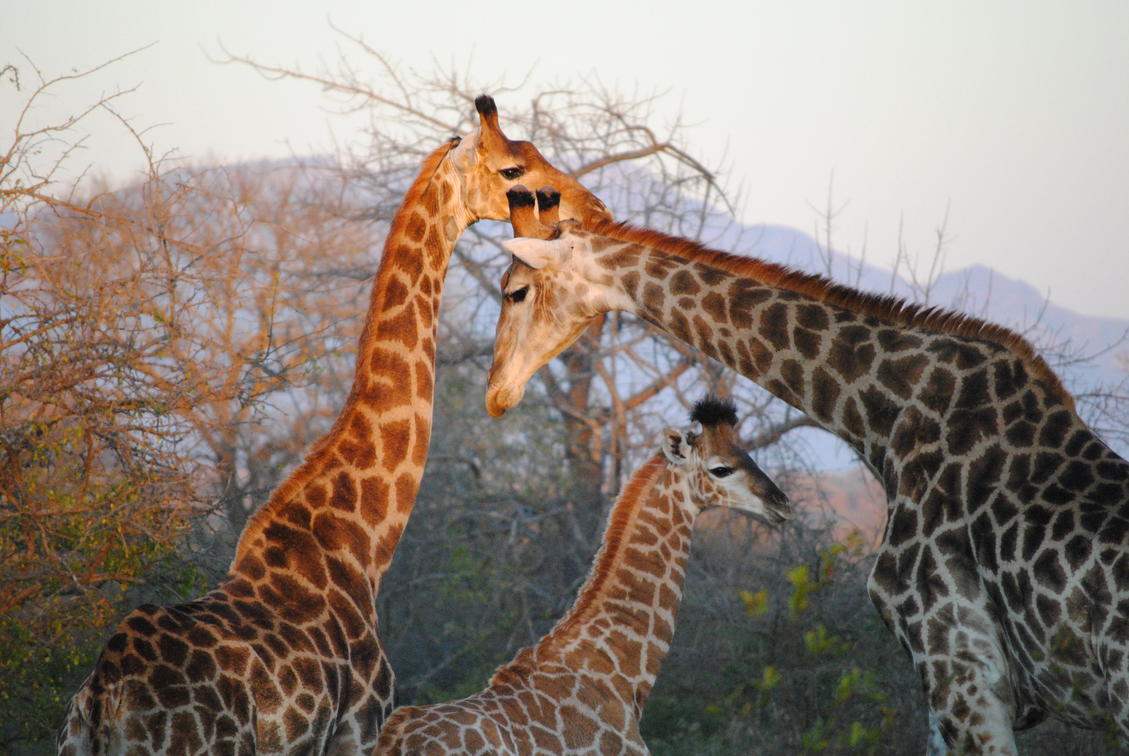
Imagine the crunch of fynbos underfoot as a rhino lumbers through coastal scrub at Gondwana Game Reserve. This South African haven, cradling over 11,000 hectares of diverse habitats from rugged mountains to sweeping valleys, hosts an extraordinary array of wildlife adapted to the Cape's unique ecosystems. Gondwana Game Reserve wildlife thrives here, with species profiles revealing intimate behaviours and a viewing timetable pinpointing peak moments for sightings.
Restored through meticulous conservation since 2000, the reserve now shelters reintroduced icons like Cape buffalo and black rhino alongside endemic predators. Low visitor numbers—capped at sustainable levels—grant prolonged, undisturbed encounters. The best times align with dry months from May to October, when animals congregate at streams and pans.
Gondwana's Diverse Habitats: Foundations for Wildlife Profiles
Gondwana Game Reserve spans a mosaic of fynbos-covered hills, renosterveld plains, and sheltered valleys dotted with milkwood thickets. These landscapes, once fragmented by farming, now support thriving populations through active restoration. Elevation shifts from 300 to 1,200 metres create microclimates ideal for specialised species.
Coastal scrub along the southern edges harbours browsing rhinos, while valley floors draw Cape buffalo to graze lush grasses after rains. Predators like leopard stalk these varied terrains, their presence confirmed by track and camera trap records from reserve ecologists. Understanding these habitats unlocks the behaviours of Gondwana Game Reserve wildlife.
Renosterveld, one of the world's most threatened vegetation types, blankets open areas where herds of eland and Cape mountain zebra roam. This biodiversity hotspot influences everything from insect life to apex predators, shaping daily rhythms observable from game drives.
Gondwana's restored fynbos and valleys cradle species that define the Cape's wild heart, from rhino browses to caracal hunts.
Key Mammal Species Profiles in Gondwana Game Reserve
Black rhino, reintroduced in small family groups, navigate thickets with surprising agility, their horns glinting in morning light. These critically endangered icons number around 20 in the reserve, monitored via telemetry collars. They favour acacia pods and fynbos shrubs, grazing most actively at dawn and dusk.
Cape Buffalo: Valley Dwellers
Cape buffalo herds, totalling over 400 individuals, dominate valley floors, their deep grunts echoing as they wallow in mud. Bulls spar in bachelor groups, while cows protect calves fiercely. Post-rain flushes draw them to new grass, making afternoons prime for sightings.
These 'black death' powerhouses strip bark from trees, altering landscapes that sustain smaller herbivores. Encounters often unfold near seasonal streams, where they quench thirst in tight formations.
Cape Mountain Zebra and Eland
Cape mountain zebra, with their distinctive dewlap, pronk across rocky slopes—over 100 stripes the hills in family bands. Eland, Africa's largest antelope, browse higher elevations, their spiral horns silhouetted against sunsets. Both species evade predators through speed and elevation choices.
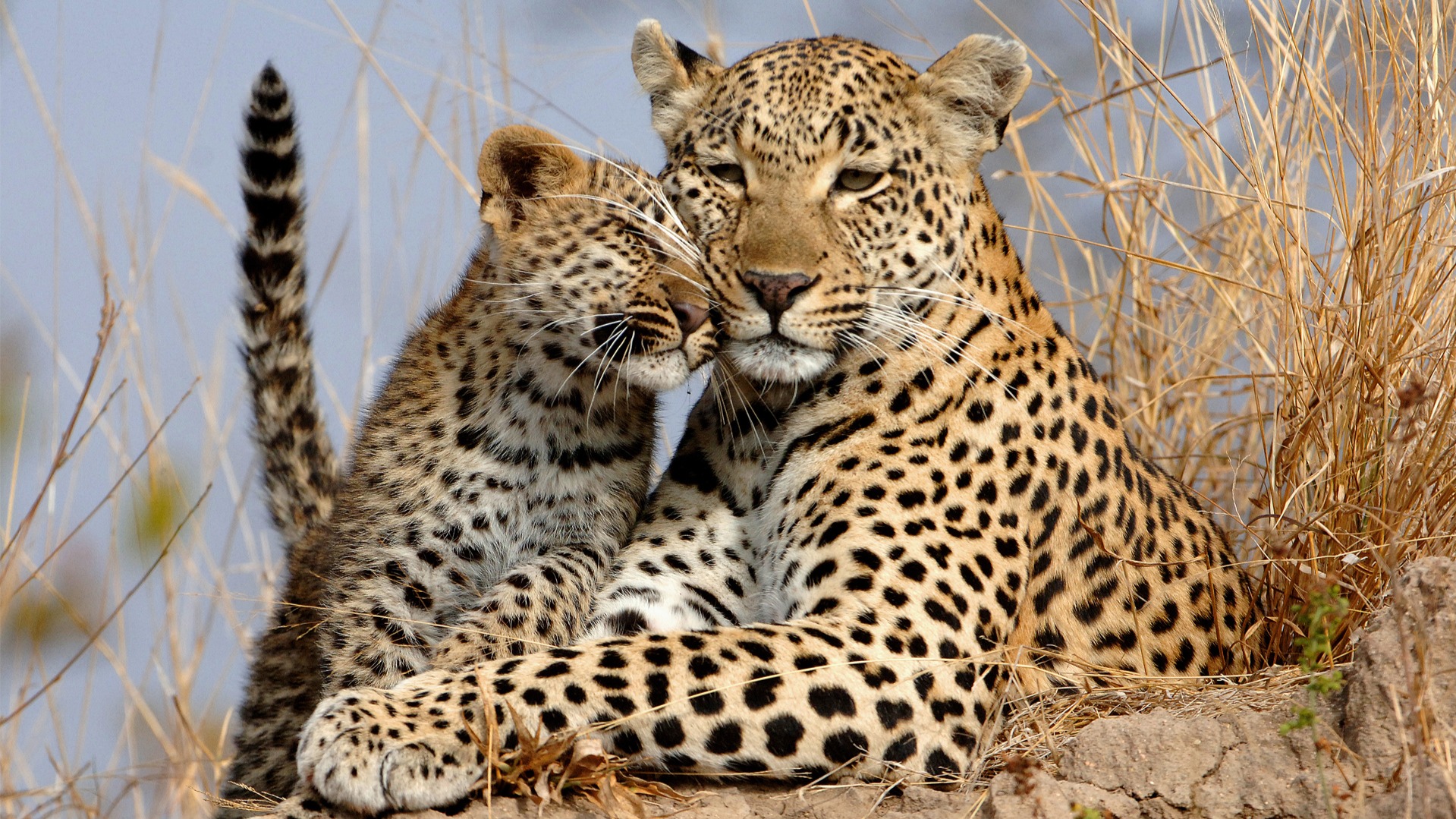
Leopard, the reserve's elusive apex cat, caches kills in milkwood branches, with at least 15 resident adults patrolling territories. Their spotted coats blend into dappled shade, rewarding patient night drives.
Best Times for Wildlife Viewing: Gondwana Game Reserve Timetable
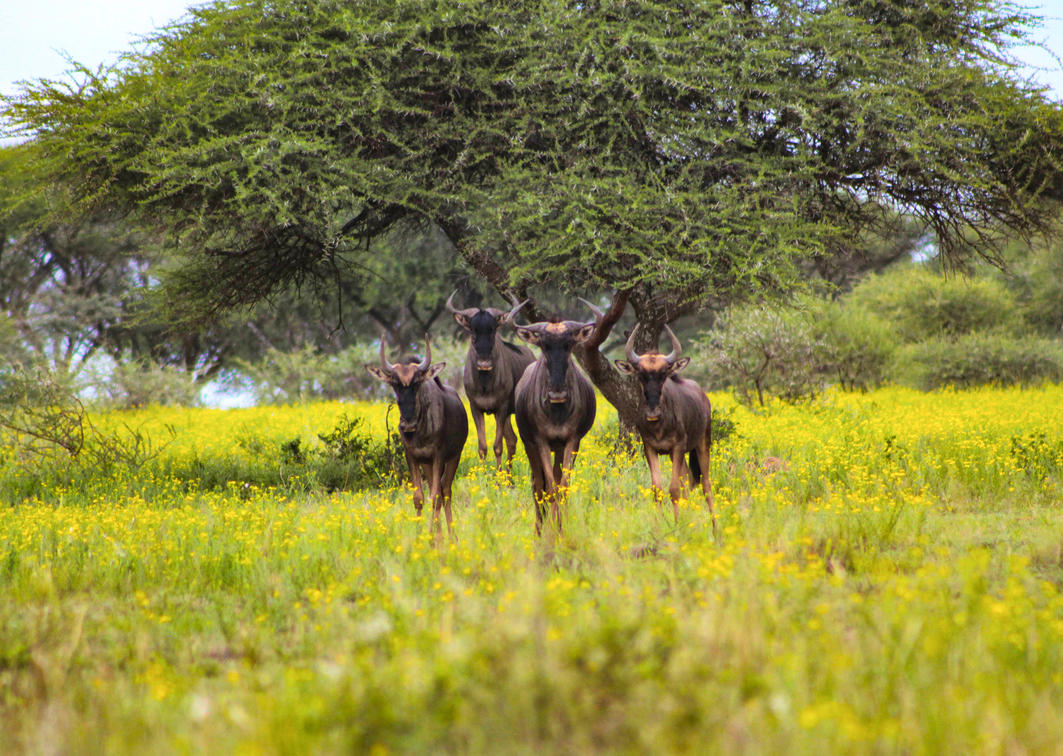
The optimal window for Gondwana Game Reserve wildlife viewing spans May to October, the dry winter months when water scarcity funnels animals to predictable sources. Daytime temperatures hover at 15-20°C, ideal for extended drives without midday heat haze. Herds concentrate along streams, boosting sighting probabilities to over 90% for large mammals.
November to April brings summer rains, greening valleys but dispersing prey into lush cover. Wildlife remains active, though sightings require more tracking skill amid taller grasses. Early mornings and late afternoons consistently yield the sharpest views year-round.
Monthly Viewing Peaks and Expectations
May-June: Dry season onset clusters buffalo and zebra at pans; rhinos visible in open scrub as foliage thins.
July-August: Coldest months heighten predator activity—leopards hunt boldly, caracals prowl edges at dusk.
September-October: Pre-rain flush prompts rutting displays in eland and bontebok; birds flock to emerging insects.
November-December: Calving season for impala boosts leopard sightings; lush valleys teem with newborns.
This timetable, drawn from 20 years of lodge ranger logs, helps tailor journeys to specific interests, whether predator pursuits or herbivore spectacles.
May-Oct dry months transform Gondwana into a theatre of concentrated wildlife drama at every water point.
Smaller Predators and Endemics: Hidden Gems of Gondwana
Caracal, with tufted ears and lightning reflexes, ambushes birds and small antelope at twilight—dusk drives reveal their pale flanks bounding across plains. Aardvark digs pockmark night-time routes, while bat-eared fox clans listen for harvester termites under full moons. These species profiles highlight Gondwana's nocturnal underbelly.
Bontebok, vibrant red-coated antelope, graze renosterveld in matriarchal herds of 10-20. Grey rhebok bound steep slopes, evading eagles with agile leaps. Fynbos endemics like the Cape grysbok, shy and solitary, demand sharp eyes from elevated viewpoints.
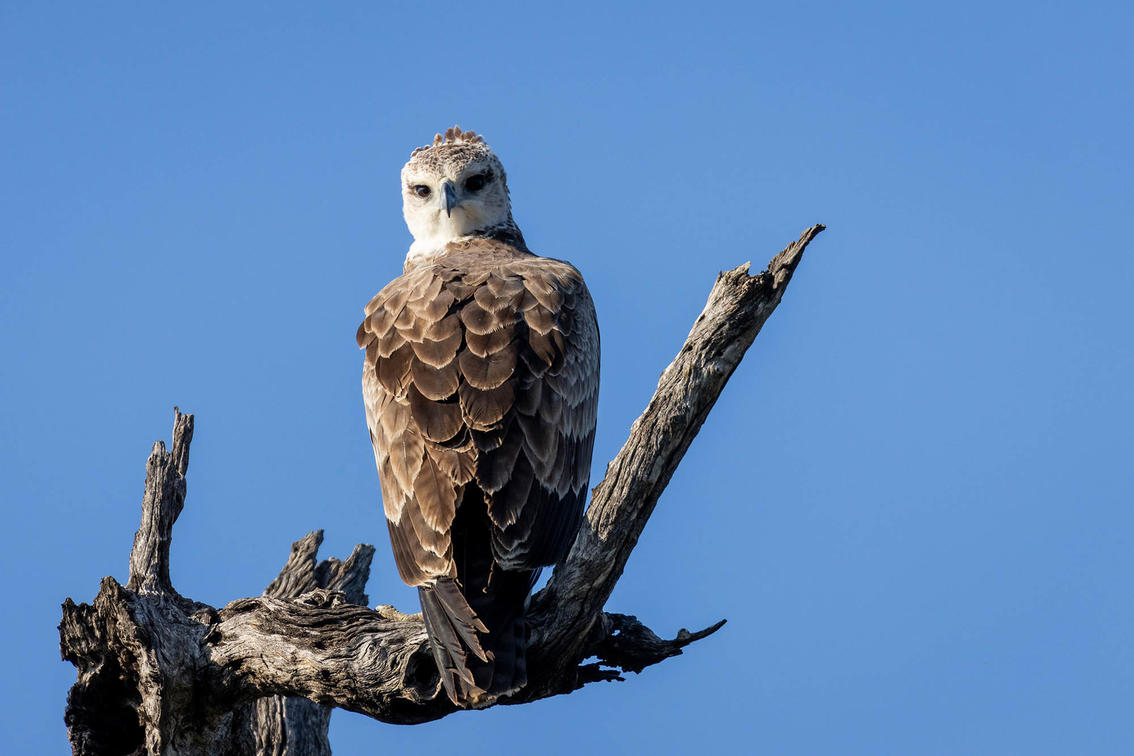
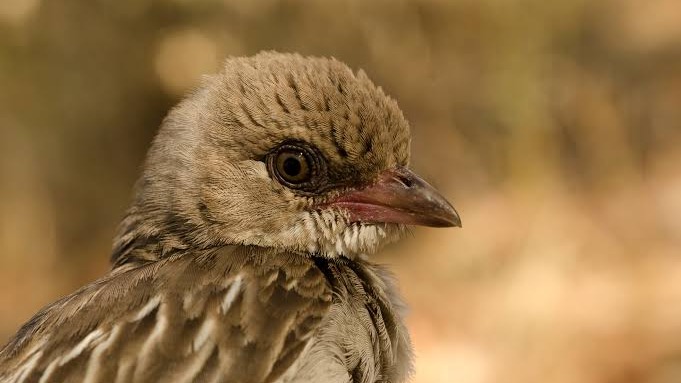
Birds add vivid layers: 220 species include protea canaries flitting through flowers and black eagles soaring thermals. Cape sugarbirds sip nectar from blooming king proteas in spring, their calls piercing crisp air.
Conservation Success Stories Shaping Gondwana Wildlife
Gondwana's rhino programme has grown from zero to 20 black rhinos since 2004, bolstered by anti-poaching patrols and veterinary interventions. Cape buffalo, sourced from South Africa's premier herds, now form self-sustaining populations exceeding 400. These efforts underscore the reserve's role in bolstering meta-populations.
Habitat rehabilitation—replanting 1,000 hectares of fynbos—has revived corridors for Cape mountain zebra, now numbering 150. Partnerships with nearby reserves like De Hoop Nature Reserve expand gene pools. Trackers log daily movements, informing adaptive management.
Low-impact tourism funds these initiatives, with lodge revenues supporting 50+ jobs in local communities. Encounters Africa champions such reserves for their ethical, immersive experiences.
Practical Tips for Spotting Gondwana Game Reserve Wildlife
Book dawn and dusk game drives for peak activity; rangers position vehicles upwind for undisturbed approaches. Binoculars with 8x magnification reveal distant behaviours, like leopard grooming cubs. Pack layers for cool mornings—temperatures dip to 5°C in July.
Opt for private vehicles to linger at sightings without crowds.
Scan rocky outcrops for klipspringer and caracal silhouettes.
Listen for buffalo grunts or zebra barks to locate hidden herds.
Visit in September for wildflower carpets framing mammal spectacles.
For deeper immersion, walking safaris with armed guides expose spoor and feeding signs. Stay at luxury lodges within the reserve for seamless access—properties like those near Gondwana offer decks overlooking active waterholes.
Plan Your Gondwana Wildlife Journey with Encounters Africa
Gondwana Game Reserve wildlife offers profound encounters in a setting of raw beauty and conservation triumph. From rhino silhouettes against mountain backdrops to caracal dashes in fading light, every drive etches memories. This timetable and profiles equip you for meaningful observations.
For discerning travellers seeking a private safari beyond set itineraries, contact Encounters Africa directly. We specialise in designing exceptional, tailor-made journeys drawing on our network of distinguished camps. Explore similar thrills in our South Africa wildlife guide.
More like this
wildlife
How African Hunters and Honeyguides Exchange Signals for Mutual Reward
wildlife
How African Wild Dog Packs Navigate Vast Ranges and Seasonal Dens
Wildlife
How Elephants Coordinate Through Seismic Signals and Low-Frequency Rumbles
wildlife
How Elephants Send Messages That Travel for Miles Without Making a Sound
wildlife
How Flamingos Endure Africa's Brutal Salt Pans Through Specialized Breeding Cycles
wildlife