wildlife
How African Wild Dog Packs Navigate Vast Ranges and Seasonal Dens
Encounters Africa - 8 min read
Updated on 31 August 2026
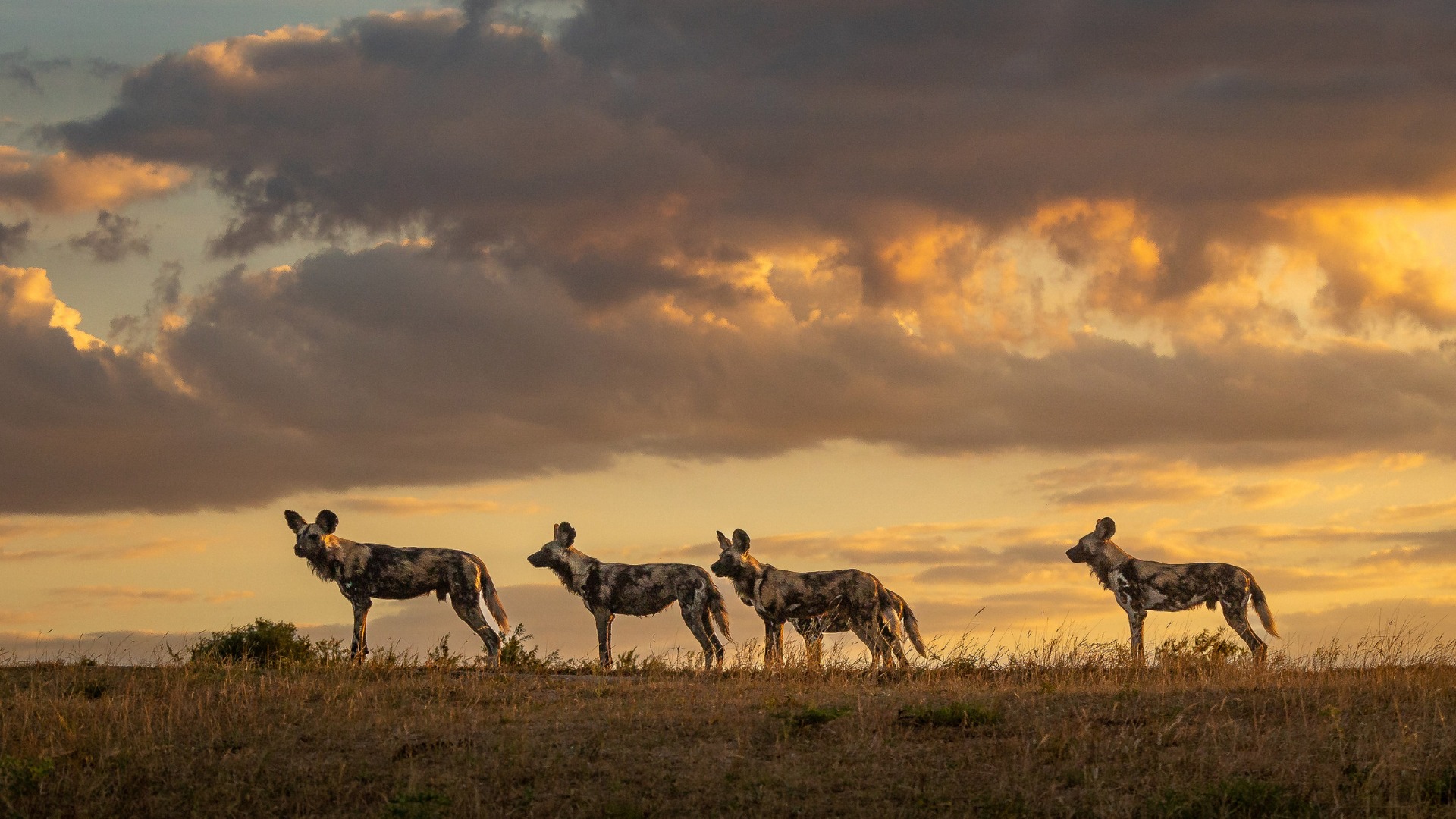
Tracking African wild dogs reveals one of the most intricate social systems in the African bush. These painted wolves, as they are sometimes known, operate within tight-knit packs where every member plays a defined role, from the dominant breeding pair to the yearlings that help raise the next generation. Their survival hinges on vast territories that can span more than a thousand square kilometres and a precise denning calendar that dictates when the pack becomes temporarily sedentary.
African wild dog packs navigate enormous home ranges and seasonal dens with remarkable coordination. This guide delves into their pack structure, the biology of their breeding season, the challenges posed by their expansive territories, and the regions where travellers stand the greatest chance of a genuine encounter. Encounters Africa is the specialist arm for safaris beyond Namibia, covering South Africa, Botswana, Kenya, Tanzania, Rwanda, Uganda, Zambia and Zimbabwe. Cape Town-based with three decades of combined experience, we book directly with camps and lodges, tailoring journeys for individuals, couples, families and private groups of up to eight using our 81 published itineraries that can all be reshaped. Discover a sample Botswana Delta itinerary and explore more wildlife-focused journeys at Secret Namibia's luxury safaris page.
The Complex Hierarchy Within African Wild Dog Packs
At the heart of every African wild dog pack lies a strict but cooperative hierarchy. Usually only the alpha male and alpha female breed, while subordinate adults forgo reproduction to support the dominant pair and the pups. This system ensures that energy is focused on raising a single litter each year, with the entire pack sharing the duties of hunting, guarding and feeding the young through regurgitation.
The social bonds within these groups are exceptionally strong. Individuals greet one another with enthusiastic whining and nuzzling before setting off on a hunt, a ritual that reinforces cohesion. Younger dogs often display submissive behaviour towards elders, and the pack’s success depends on this unity when pursuing prey across open terrain or dense woodland.
The painted wolf’s survival is not the story of a lone predator, but of a collective intelligence that turns each member into both hunter and guardian.
Cooperative Breeding and Pup Rearing
Once the alpha female gives birth, usually to between six and twelve pups, the pack’s focus shifts entirely. All adults take turns at the den, regurgitating meat for the nursing mother and later for the growing pups. This shared investment dramatically increases pup survival rates compared with many other carnivores.
By four months of age the pups begin following the pack on shorter journeys, learning the rhythms of the hunt. Older siblings from previous litters often act as playful teachers, helping the newcomers develop the endurance and coordination required for life on the move.
Denning Season: When Packs Become Stationary
Denning season marks the only period when African wild dogs remain in one place for any length of time. This usually occurs between June and August in southern Africa, although exact timing can vary by region and annual rainfall patterns. The pack selects a secure underground burrow, often an abandoned aardvark hole or termite mound, where the alpha female can give birth and nurse her litter in relative safety.
During these critical weeks the pack’s daily movements shrink dramatically. Adults radiate out from the den on hunting forays, returning regularly to feed the mother and pups. This predictability offers a narrow but valuable window for observers, provided they maintain respectful distance and avoid disturbing the sensitive early months.
How Long Does Denning Last?
The denning phase typically lasts around three months, after which the pups are mobile enough for the pack to resume its nomadic lifestyle. However, the first six to eight weeks are the most vulnerable, and any disturbance during this time can cause the pack to abandon the site entirely.
Experienced guides monitor denning activity discreetly, using the knowledge to plan visits that maximise sighting opportunities while minimising stress to the animals. The sight of a pack returning at dusk, dusty and triumphant, to a den buzzing with excited pups remains one of the most moving spectacles in African wildlife.
The Enormous Home Ranges of African Wild Dogs
African wild dogs require territories far larger than most other predators. In areas with abundant prey, a pack may roam across 200 to 500 square kilometres, while in more arid regions home ranges can exceed 1,000 square kilometres. These vast spaces allow them to avoid competition with lions and spotted hyenas while locating sufficient prey to sustain a pack of ten to twenty individuals.
Because their territories are so large, wild dog densities remain naturally low. A single park the size of the Masai Mara might support only a handful of packs at any one time. This dispersion makes sightings unpredictable and heightens the sense of privilege when one does occur.
Following a pack across its sprawling domain teaches you that true wilderness cannot be contained by park boundaries or human expectations.
Why Such Large Ranges Matter for Conservation
The need for extensive, connected landscapes has profound implications for conservation. Fences, roads and human settlements fragment these ranges, isolating packs and increasing the risk of inbreeding or conflict with livestock farmers. Initiatives that create wildlife corridors and community conservancies therefore play a vital role in the species’ long-term survival.
Travellers who choose operators supporting these initiatives contribute directly to the protection of the corridors that wild dogs depend upon. In several key areas, private conservancies now offer some of the most stable habitats for these endangered carnivores.
Where Are You Most Likely to See African Wild Dogs?
The question travellers ask most frequently is: Where are you most likely to see African wild dogs? In Southern and East Africa, the strongest realistic chances occur in specific pockets of Botswana, northern South Africa and parts of Tanzania and Zambia. Botswana’s Okavango Delta and surrounding concessions, particularly the private reserves of the northern Kalahari, consistently produce good sightings because of lower lion densities and vast contiguous wilderness. In South Africa, the private reserves adjoining Kruger National Park and the Waterberg region offer some of the continent’s highest densities thanks to intensive monitoring and habitat management. Tanzania’s Selous Game Reserve (now Nyerere National Park) and Zambia’s South Luangwa National Park also deliver regular encounters, especially during the dry season when packs are more visible near water sources. Success rates vary by operator, vehicle access and annual conditions, but these regions currently provide the most reliable opportunities for a meaningful sighting during a well-planned safari.
Seasonal Factors That Improve Your Odds
The denning months of June to August often coincide with the dry season in many areas, concentrating both predators and prey around remaining water. This overlap can improve sighting prospects, although the pack’s reduced range during denning means you must be in precisely the right sector of a reserve.
Early morning and late afternoon drives yield the best results. Wild dogs are most active at these cooler hours, and their distinctive mottled coats stand out beautifully against golden grasslands or the dusty tracks they favour for travel.
Responsible Viewing and Photographic Opportunities
Approaching wild dogs requires patience and fieldcraft. Their sensitive hearing and wariness of vehicles mean guides must switch off engines well in advance and allow the pack to accept the presence of observers. Once habituated, however, the dogs often ignore vehicles, providing exceptional opportunities to witness their natural behaviour.
Photography during these moments rewards those with fast shutter speeds and anticipation. The explosive acceleration of a pack launching an ambush, the delicate nuzzling between adults and pups, or the dusty return to a den at twilight all create images that capture the essence of cooperative survival.
In the fleeting seconds when a pack melts into the bush, you understand why so many experienced safari guides consider the African wild dog their favourite animal to track.
Supporting Wild Dog Conservation Through Travel
Every responsible safari contributes to the future of this endangered species. By staying at camps that fund monitoring programmes, anti-snaring patrols or community education, travellers help maintain the vast landscapes these packs require. Several private reserves in South Africa and Botswana have successfully boosted local populations through such efforts.
Choosing to visit less-visited areas also spreads tourism revenue more evenly, reducing pressure on the most famous parks while supporting habitats that might otherwise face conversion to agriculture. The presence of appreciative visitors can, in the long run, help shift local attitudes towards greater tolerance of predators outside protected zones.
Planning Your Encounter With Africa’s Most Endangered Predator
Observing African wild dogs in their natural environment is never guaranteed, yet the possibility alone adds a layer of quiet anticipation to any safari. Understanding their pack dynamics, the demands of their enormous territories, and the narrow windows offered by denning season allows travellers to time their journeys more effectively and appreciate each rare sighting more deeply.
Whether you are drawn by their athletic grace, complex social lives or urgent conservation story, these painted wolves embody the wild heart of the African continent. For discerning travellers seeking a private safari beyond our set itineraries, we invite you to contact us directly. We specialise in designing exceptional, tailor-made journeys for individuals, couples, families, and private groups of up to eight guests. Drawing on our handpicked network of distinguished camps and lodges, we curate every detail with precision and care, creating a seamless, deeply personal safari experience shaped entirely around your preferences, pace, and budget. Please visit our enquiry form to begin planning your own wild dog adventure with Encounters Africa.
More like this
Wildlife
How Elephants Coordinate Through Seismic Signals and Low-Frequency Rumbles
wildlife
How Elephants Send Messages That Travel for Miles Without Making a Sound
wildlife
How Flamingos Endure Africa's Brutal Salt Pans Through Specialized Breeding Cycles
wildlife
How Habitat Shapes Big Cat Sightings Across Africa
Wildlife
How Kenyan Wildlife Adapts to Life Beyond the Tourist Tracks
Wildlife