wildlife
How African Hunters and Honeyguides Exchange Signals for Mutual Reward
Encounters Africa - 9 min read
Updated on 20 August 2026
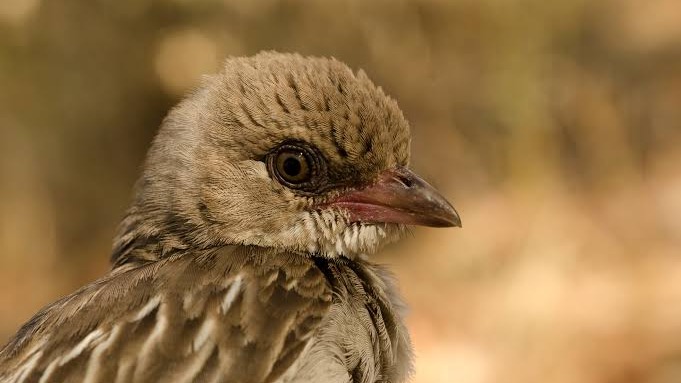
Deep in the woodlands of southern Africa, the greater honeyguide uses a distinctive chatter to summon human partners. Together they locate wild beehives, with the bird claiming wax and larvae while the hunters harvest honey—an extraordinary partnership refined across centuries. This remarkable interspecies collaboration, known as the honeyguide's deal, reveals how two very different minds can work in concert for mutual reward. Encounters Africa travellers often hear about this unique bond during walking safaris, where guides share stories that blend natural history with living cultural tradition.
The greater honeyguide has evolved one of nature's most sophisticated signalling systems, directing Hadza hunters in Tanzania and Yao honey-hunters in Mozambique toward hidden beehives. Research published in 2016 by biologists in Mozambique documented that following these birds increases a hunter's success rate by more than 500 percent. Such precise cooperation, sustained for at least 2,000 years according to genetic studies, stands as one of Africa's most compelling wildlife narratives.

The honeyguide does not simply flutter nearby; it dances through the canopy with purpose, its chattering call rising and falling like an insistent invitation that no experienced hunter can ignore.
The Ancient Origins of an Unlikely Alliance
Long before colonial maps traced the contours of the continent, indigenous communities recognised the greater honeyguide as a willing partner rather than mere coincidence. Oral histories from the San people of the Kalahari describe this relationship stretching back through countless generations, with specific whistles and calls developed to answer the bird's summons. These traditions persist today among scattered communities across Botswana, Tanzania and parts of Mozambique.
Scientific validation arrived relatively recently. In 1989, ornithologist Isack and biologist Reyer published the first rigorous study in Science magazine, confirming what local hunters had always known: the birds deliberately guide humans to bees' nests. Subsequent research using GPS trackers on both birds and humans has mapped these remarkable journeys, revealing that honeyguides remember successful partnerships and return to the same human groups season after season.
What makes this partnership particularly fascinating is its voluntary nature. The honeyguide could feast alone on wax and larvae, yet it chooses to recruit human help to access the rich rewards inside well-defended hives. In return, the hunters leave enough honeycomb behind to satisfy their feathered collaborator, creating a sustainable exchange that benefits both species while leaving the colony intact enough to recover.
Understanding the Greater Honeyguide
The greater honeyguide, scientifically known as Indicator indicator, possesses unique physiological adaptations that allow it to digest beeswax—a substance most animals find indigestible. Its digestive system houses specialised bacteria that break down the complex hydrocarbons, giving the bird exclusive access to a valuable food source. This evolutionary advantage becomes even more powerful when paired with human strength and tools.
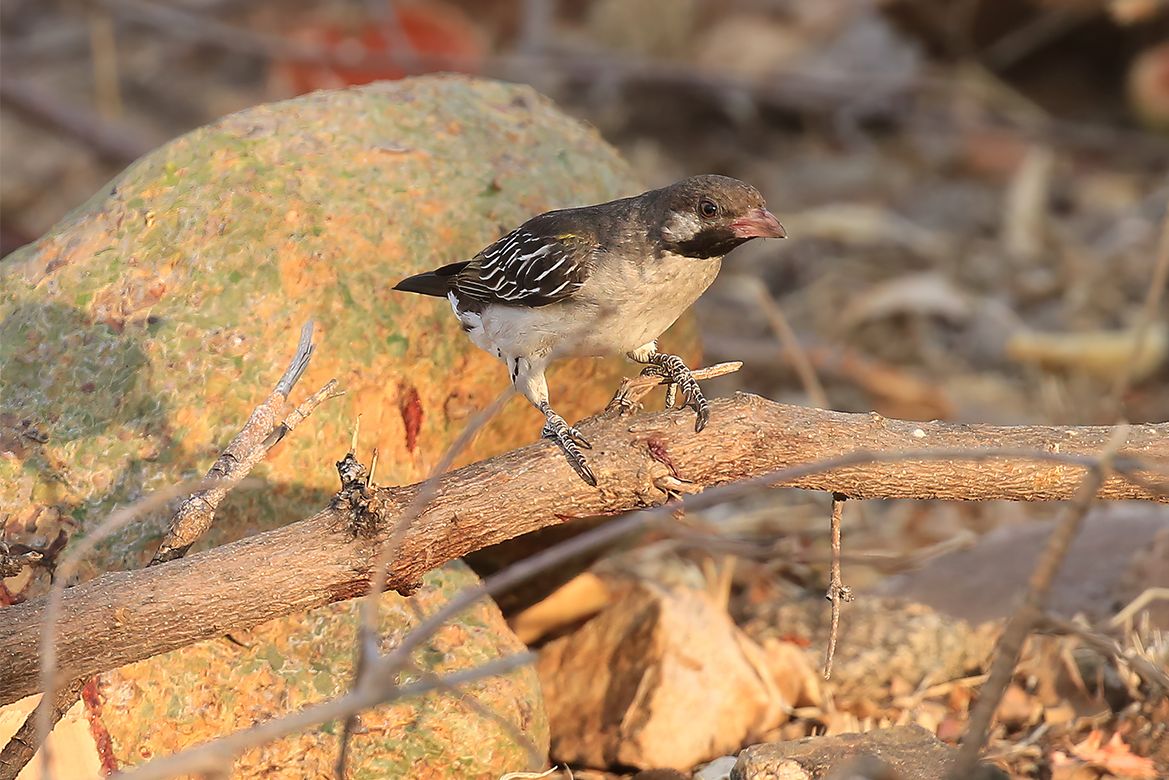
These unassuming brown birds measure roughly 20 centimetres in length with distinctive white outer tail feathers that flash conspicuously during their guiding flights. Their calls vary between regions, reflecting local cultural adaptations where human responses have been fine-tuned over generations to match specific vocal patterns. During the dry season from May to October, when hives contain maximum honey stores, the guiding behaviour reaches its peak intensity.
How the Honeyguide's Deal Works in Practice
The process begins when a honeyguide locates a beehive but cannot access it alone. The bird then seeks out human partners, often perching conspicuously and emitting its characteristic chattering call. Experienced hunters recognise this sound immediately and respond with their own whistles or calls, signalling their willingness to follow.
Once the partnership is confirmed, the honeyguide leads the way through thick bush, flying ahead in stages and waiting for the humans to catch up. The journey can cover distances of up to three kilometres, with the bird adjusting its pace to match the group's progress. Upon reaching the hive, the honeyguide perches nearby, sometimes even entering the cavity to indicate the exact location while the hunters prepare their smoking materials and tools.
After the humans have subdued the bees and harvested the honey, the bird claims its reward. Studies show that honeyguides consume primarily the wax and larvae rather than the honey itself, which the humans collect in containers or gourds. This division of resources ensures both parties benefit without direct competition, creating what biologists term a mutualistic relationship refined through natural selection.
Each successful hunt strengthens the bond between specific birds and particular human groups, forming relationships that can span several seasons and demonstrate remarkable memory on both sides.
The Human Side of the Partnership
For the Yao people of northern Mozambique, honey hunting represents far more than a means to obtain sweetener. Young boys learn the specific calls and responses from their fathers, absorbing centuries of accumulated knowledge about both the birds and the complex behaviour of African bees. These skills carry cultural weight, marking the transition from boyhood to manhood in many communities.
In Tanzania's Lake Eyasi region, the Hadza maintain perhaps the most studied honeyguide relationships. Their specialised whistles can be heard carrying across the dry woodlands, often answered within minutes by eager birds. The Hadza leave behind roughly half the honeycomb after each harvest, ensuring the honeyguides receive adequate compensation while sustaining the bee colonies for future seasons.
Scientific Insights into Interspecies Communication
Recent technological advances have allowed researchers to decode the precise nature of this communication. Using audio recorders and motion-activated cameras, scientists have documented distinct variations in honeyguide calls that appear to convey different levels of urgency or distance to the target hive. Some calls seem to indicate particularly rich rewards, while others signal more challenging or distant targets.
A 2023 study published in Science examined 1,000 honey-hunting expeditions across three African countries, revealing that successful guiding events occur in 74 percent of cases where humans respond appropriately to the bird's call. The research also found that individual honeyguides develop preferences for certain human groups, returning repeatedly to those who leave generous portions of wax and larvae.
These findings challenge traditional views of animal intelligence, suggesting that honeyguides possess sophisticated cognitive abilities including spatial memory, risk assessment, and even elements of reputation tracking. The birds appear to remember which human groups reliably provide access to hives and which ones disturb colonies excessively or fail to leave adequate rewards.
Conservation Implications of This Ancient Bond
As habitat loss threatens both honeyguides and traditional honey-hunting communities, preserving this partnership takes on new urgency. Protected areas that maintain healthy bee populations and allow traditional hunting practices support not only the birds but entire ecosystems. The presence of active honeyguide-human relationships often indicates broader environmental health, with intact woodlands, diverse flowering plants, and sustainable bee colonies.
Community-based conservation programmes increasingly recognise the value of these traditional knowledge systems. By supporting honey-hunting practices that maintain balance, conservationists help preserve both cultural heritage and biodiversity. Several lodges in Tanzania now incorporate honeyguide experiences into their walking programmes, allowing guests to witness this remarkable partnership while contributing to local economies.
What This Partnership Teaches Modern Conservation
The honeyguide's deal offers profound lessons about cooperation across species boundaries. In an era of rapid environmental change, understanding these ancient alliances helps scientists develop more effective conservation strategies that work with rather than against natural systems. The partnership demonstrates how traditional ecological knowledge can complement modern scientific approaches.
Similar mutualistic relationships exist throughout African ecosystems, from oxpeckers and large mammals to certain ants and acacia trees. Each reveals different aspects of co-evolution and interdependence. The honeyguide story stands out, however, for its direct involvement of humans as active participants rather than mere observers or beneficiaries.
In the quiet moments after a successful honey harvest, when the bird returns to claim its share and the hunters taste their sweet reward, one senses something profound about the possibilities of cross-species understanding.
Experiencing the Honeyguide's Deal Firsthand
Travellers with Encounters Africa can witness elements of this partnership during specialised walking experiences in select areas where traditional honey hunting continues. Knowledgeable guides explain the calls, demonstrate appropriate responses, and share stories passed through generations. These encounters offer far more than simple wildlife viewing—they provide windows into sophisticated ecological relationships that have endured for millennia.
The dry season between June and October offers optimal conditions for observing this behaviour, when beehives contain peak honey stores and honeyguides become particularly active. Early morning and late afternoon typically yield the best opportunities, as the birds hunt during cooler hours when bees are less aggressive.
The Future of an Enduring Partnership
Climate change poses new challenges to this ancient relationship. Shifting rainfall patterns affect both bee populations and the flowering plants they depend upon. Traditional honey-hunting communities face pressure from modernisation, with younger generations sometimes choosing urban opportunities over learning the complex skills of their ancestors.
Yet hope remains in the resilience of both the birds and the cultural practices that sustain their partnership. Conservation initiatives that support traditional land rights and sustainable harvesting methods help maintain the delicate balance that has served both species so well. Educational programmes in local schools increasingly highlight the scientific and cultural importance of the honeyguide, fostering pride in these unique traditions.
Modern technology, somewhat paradoxically, may help preserve this ancient bond. GPS tracking and audio databases allow researchers to monitor honeyguide populations more effectively, while smartphone applications help document traditional calls and responses across different regions. This fusion of old and new approaches offers promising pathways for protecting both the partnership and the ecosystems that support it.
Discover More About Africa's Hidden Wildlife Partnerships
The honeyguide's deal represents just one example of the continent's remarkable interspecies relationships. From the complex social structures of elephant families to the intricate connections between predators and prey, Africa continues to reveal new dimensions of natural cooperation. For those inspired by these stories, our Tanzania walking safaris offer opportunities to explore these themes in greater depth.
At Encounters Africa, we believe that understanding these sophisticated ecological relationships deepens every safari experience. Whether witnessing a honeyguide in action or tracking larger game across the savanna, each encounter carries greater meaning when viewed through the lens of interconnectedness. For discerning travellers seeking a private safari beyond our set itineraries, we invite you to contact us directly. We specialise in designing exceptional, tailor-made journeys for individuals, couples, families, and private groups of up to eight guests. Drawing on our handpicked network of distinguished camps and lodges, we curate every detail with precision and care, creating a seamless, deeply personal safari experience shaped entirely around your preferences, pace, and budget.
Consider combining your interest in traditional knowledge with visits to Camp Xakanaxa in Botswana's Moremi Game Reserve or exploring the cultural landscapes around Ol Pejeta Conservancy in Kenya. Each destination offers its own perspective on the complex relationships that sustain African wilderness.
More like this

wildlife
How African Wild Dog Packs Navigate Vast Ranges and Seasonal Dens
Wildlife
How Elephants Coordinate Through Seismic Signals and Low-Frequency Rumbles
wildlife
How Elephants Send Messages That Travel for Miles Without Making a Sound
wildlife
How Flamingos Endure Africa's Brutal Salt Pans Through Specialized Breeding Cycles
wildlife
How Habitat Shapes Big Cat Sightings Across Africa
Wildlife