wildlife
How Flamingos Endure Africa's Brutal Salt Pans Through Specialized Breeding Cycles
Encounters Africa - 10 min read
Updated on 20 August 2026
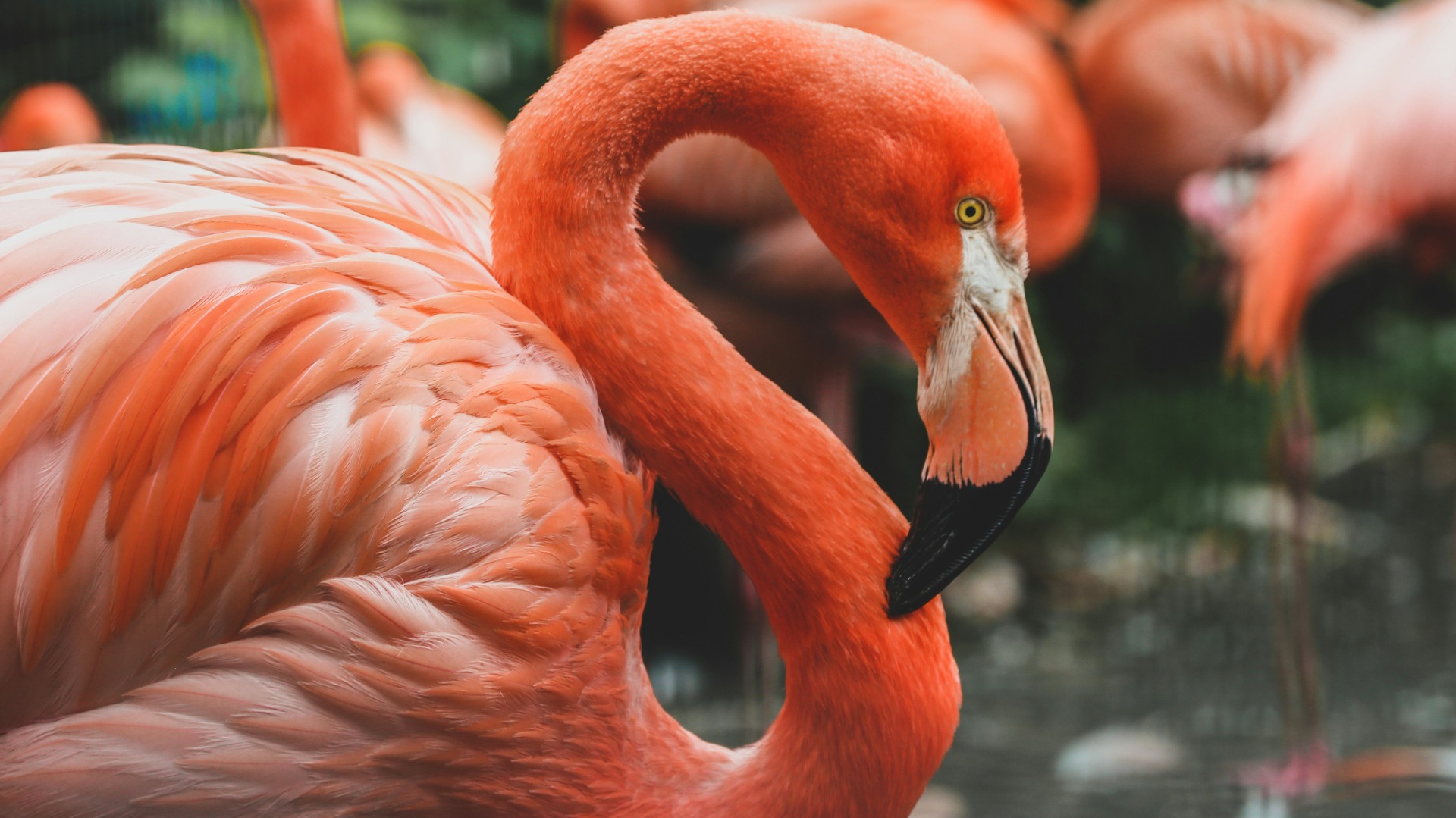
In the shimmering haze of Africa's most unforgiving salt pans, lesser and greater flamingos execute one of nature's most astonishing survival feats. These salt pan specialists have evolved precise breeding cycles and feeding adaptations that allow them to thrive where few other creatures can persist, turning hypersaline waters into nurseries for thousands of chicks each year. Their story reveals both remarkable resilience and the delicate balance required to endure temperatures that regularly exceed 40°C.
Flamingos endure Africa's brutal salt pans through specialized breeding cycles that align with seasonal water fluctuations, sophisticated filtration systems in their beaks, and communal behaviours that provide safety in numbers. From the vast Etosha Pan in Namibia to the soda lakes of Kenya, these pink-hued birds transform environments lethal to most life into vibrant breeding grounds supporting colonies numbering in the hundreds of thousands.

The Harsh Realm of Africa's Salt Pans
Across the continent's arid interiors, salt pans represent some of the most extreme environments imaginable. These vast, flat expanses of evaporite crust form when seasonal waters recede, leaving behind concentrated brine that can reach salinities six times that of seawater. Surface temperatures often climb beyond 60°C during the day, while nights bring rapid cooling that cracks the earth into geometric patterns.
In Namibia, the Etosha Pan stretches over 4,700 square kilometres, a blinding white canvas where water appears only after good rains. Further east, Botswana's Makgadikgadi Salt Pans cover an area larger than Switzerland during their dry phase, transforming into shallow lakes when the rains arrive. Kenya's Lake Nakuru and Lake Bogoria offer slightly different challenges with their soda-rich waters, where pH levels can exceed 10.
These are places that seem designed to repel life, yet flamingos arrive in their tens of thousands, painting the horizon in shifting shades of rose and crimson against the cracked white earth.
What makes these locations viable for flamingos is the microscopic life that flourishes precisely because few predators can survive the conditions. Cyanobacteria and diatoms multiply rapidly in the warm, mineral-rich waters, providing the primary food source that sustains entire colonies through their breeding season. The same alkalinity that destroys most organic material concentrates these nutrients in a form only specialised feeders can access.
Specialized Anatomy: Nature's Perfect Filter Feeders
The flamingo's beak represents one of evolution's most ingenious designs. Unlike most birds, their upper mandible is smaller and fits inside the larger lower one, creating a highly efficient filtration system. When feeding, they hold their heads upside down, using their tongues to pump water through lamellae—tiny hair-like structures that trap algae and small invertebrates while expelling excess water and salt.
This adaptation allows them to harvest the specific strains of Spirulina and other cyanobacteria that colour their feathers pink through carotenoid pigments. A single flamingo can filter several litres of water per minute, processing enough microscopic organisms to meet their substantial energy needs during breeding. Their legs, remarkably long and equipped with specialised scales, prevent sinking into the soft mud while also allowing them to wade into deeper waters where competition is lower.
Thermoregulation presents another challenge these salt pan specialists have mastered. Their blood vessels in the legs can constrict or dilate to manage heat exchange with the environment, while their feathers provide insulation against both scorching days and freezing nights. During particularly hot periods, they often stand in water to cool their bodies through evaporation.
The Synchronized Breeding Cycle: Timing is Everything
Flamingo reproduction follows an intricate seasonal rhythm dictated by rainfall patterns that vary dramatically across regions. In East Africa, breeding at sites like Lake Natron typically occurs between August and November, while southern African colonies respond to summer rains that usually arrive between November and March. This timing ensures that shallow feeding areas remain available throughout the critical chick-rearing period.
Courtship begins with spectacular group displays where hundreds or thousands of birds participate in synchronized marching, head-flagging, and wing-spreading rituals. These dances serve multiple purposes: they help individuals assess potential mates while simultaneously stimulating the entire colony's reproductive hormones. Once pairs form, they construct distinctive mud nests—volcano-shaped mounds approximately 30 centimetres high that protect eggs from flooding and keep them above the heated ground.
In these vast colonies, the collective energy of thousands of dancing flamingos creates a sound and movement that resonates across the pans like a living heartbeat of the desert.
The female typically lays a single chalky white egg, which both parents incubate for approximately 28 to 32 days. After hatching, the chick remains in the nest for several days before joining a crèche—a massive nursery group where hundreds of young are watched over by a few adults while their parents forage. This communal childcare system represents an essential adaptation for species that must travel considerable distances to find sufficient food.
How Flamingos Endure Africa's Brutal Salt Pans Through Specialized Breeding Cycles
The question travellers most frequently ask about these remarkable birds centres on exactly how they manage to raise young in environments that would seem hostile to any form of life. The answer lies in a combination of precise physiological adaptations and carefully timed behavioural strategies that have been refined over millennia.
During the breeding season, flamingos produce a specialised milk-like substance in their upper digestive tracts, similar to pigeon milk. This crop milk, rich in fat and protein, feeds the chicks for their first weeks of life before they transition to filter-feeding themselves. The production of this milk requires significant parental investment, explaining why flamingos typically breed only every other year.
Water management presents perhaps their greatest challenge. Flamingos possess specialised salt glands above their eyes that extract excess salt from their bloodstream, secreting it through their nostrils. This desalination system allows them to drink water that would dehydrate most animals within hours. Their kidneys have also evolved to concentrate urine to an extraordinary degree, conserving every possible drop of moisture.
Research conducted at Lake Natron in Tanzania has documented colonies successfully breeding in water temperatures reaching 42°C with salinities approaching saturation point. These studies reveal that the key lies in the birds' ability to locate and exploit microhabitats within the broader pan where conditions remain just within their tolerance levels.
Feeding Strategies in Extreme Conditions
Beyond their unique beaks, flamingos employ sophisticated feeding behaviours that maximise efficiency in nutrient-poor environments. They often feed in tight groups that stir up sediment, creating a soup of organic material that benefits the entire flock. Different species partition resources—lesser flamingos specialise in cyanobacteria while greater flamingos focus more on small crustaceans and insect larvae.
During particularly challenging periods, they may travel up to 150 kilometres in a single night to reach better feeding grounds. Satellite tracking has revealed that individual birds from Botswana's Makgadikgadi Salt Pans regularly fly to the Okavango Delta or even further to find suitable conditions when local resources become depleted.
Conservation Challenges in a Changing Climate
Despite their remarkable adaptations, flamingos face increasing pressures from human activities and climate change. Many of their traditional breeding sites are threatened by water extraction for agriculture and mining, while shifting rainfall patterns disrupt the precise timing their breeding cycles require. At Lake Natron, proposals for soda ash extraction have raised concerns about potential disruption to what remains the most important breeding site for lesser flamingos in East Africa.
Conservation efforts focus on protecting key sites and monitoring population trends across multiple countries. The establishment of protected areas around critical wetlands has helped, but the birds' dependence on widely dispersed and often temporary water bodies makes comprehensive protection challenging. International cooperation becomes essential when birds regularly cross borders between Kenya, Tanzania, Botswana, and Namibia.
Encounters Africa guests frequently witness these magnificent birds during visits to the Makgadikgadi Salt Pans or while exploring the shores of Lake Nakuru. Our expert guides share insights into the subtle signs that indicate breeding activity and explain how weather patterns influence colony movements throughout the year.
Understanding these fragile connections between weather, water, and wildlife reminds us that even the most resilient species operate within narrow margins of environmental stability.
Experiencing Flamingos on Safari
Witnessing a flamingo colony in full breeding display ranks among Africa's most memorable wildlife spectacles. The sheer scale—sometimes exceeding 500,000 birds at a single site—combined with their synchronised movements creates an experience that transcends typical game viewing. The constant murmuring calls, the shifting colours as birds turn in unison, and the distinctive smell of the alkaline waters all contribute to an immersive encounter with nature's ingenuity.
The best time to observe breeding activity varies by location. In southern Africa, December through March often coincides with peak activity at the Makgadikgadi Salt Pans following good summer rains. In East Africa, the period from June to October frequently offers excellent viewing at Lake Bogoria and Lake Nakuru, though conditions can change rapidly based on rainfall.
Photography enthusiasts should prepare for challenging lighting conditions on the reflective salt surfaces. Early morning and late afternoon provide the most favourable light, while polarising filters help manage glare from water and crystallised salts. Patience rewards those who wait for the moments when thousands of birds suddenly launch into coordinated flight, their wings catching the light like scattered rose petals against the sky.
For those seeking deeper engagement with these remarkable ecosystems, our specialised photography safaris incorporate expert naturalist guides who understand both the birds' behaviour and the technical aspects of capturing their essence in such demanding environments. These experiences often combine time at the pans with visits to complementary habitats where different aspects of flamingo ecology become apparent.

Looking to the Future
The continued success of flamingo populations depends on maintaining the delicate hydrological balance that sustains their breeding sites. As climate patterns shift, the timing of rainfall and evaporation rates will likely change, potentially affecting the synchronisation between food availability and chick-rearing demands. Scientists continue monitoring these trends, gathering data that informs conservation strategies across multiple range states.
Community involvement in protecting these sites has proven crucial. In several locations, local residents have become active participants in monitoring programmes, contributing valuable traditional knowledge about weather patterns and historical flamingo movements. This collaborative approach strengthens both conservation outcomes and local livelihoods through carefully managed ecotourism.
The story of these salt pan specialists ultimately offers hope and inspiration. Their ability to transform apparent wastelands into thriving nurseries demonstrates nature's capacity for elegant solutions to seemingly impossible challenges. As we work to preserve the wetlands and salt pans essential to their survival, we also protect the intricate web of life that depends on these unique environments.
Discover Africa's Flamingo Spectacles with Encounters Africa
The intricate breeding cycles and remarkable adaptations of flamingos represent just one chapter in Africa's complex wildlife narrative. For discerning travellers seeking a private safari beyond our set itineraries, we invite you to contact us directly. We specialise in designing exceptional, tailor-made journeys for individuals, couples, families, and private groups of up to eight guests. Drawing on our handpicked network of distinguished camps and lodges, we curate every detail with precision and care, creating a seamless, deeply personal safari experience shaped entirely around your preferences, pace, and budget.
Whether you wish to witness the spectacular gatherings at Makgadikgadi Salt Pans, explore the soda lakes of Kenya, or combine flamingo viewing with other iconic African experiences, our team can craft an itinerary that captures the essence of these remarkable birds and their harsh yet beautiful habitats. From Chobe Game Lodge to exclusive camps overlooking the pans, we connect you with properties where expert guides enhance your understanding of the subtle interconnections sustaining these colonies.
Begin planning your journey by visiting our enquiry form today. Let Encounters Africa guide you towards a deeper appreciation of Africa's salt pan specialists and the extraordinary environments they call home.
More like this
wildlife
How Habitat Shapes Big Cat Sightings Across Africa
Wildlife
How Kenyan Wildlife Adapts to Life Beyond the Tourist Tracks
Wildlife
How Kenyan Wildlife Shapes Daily Decisions on a Luxury Safari
wildlife
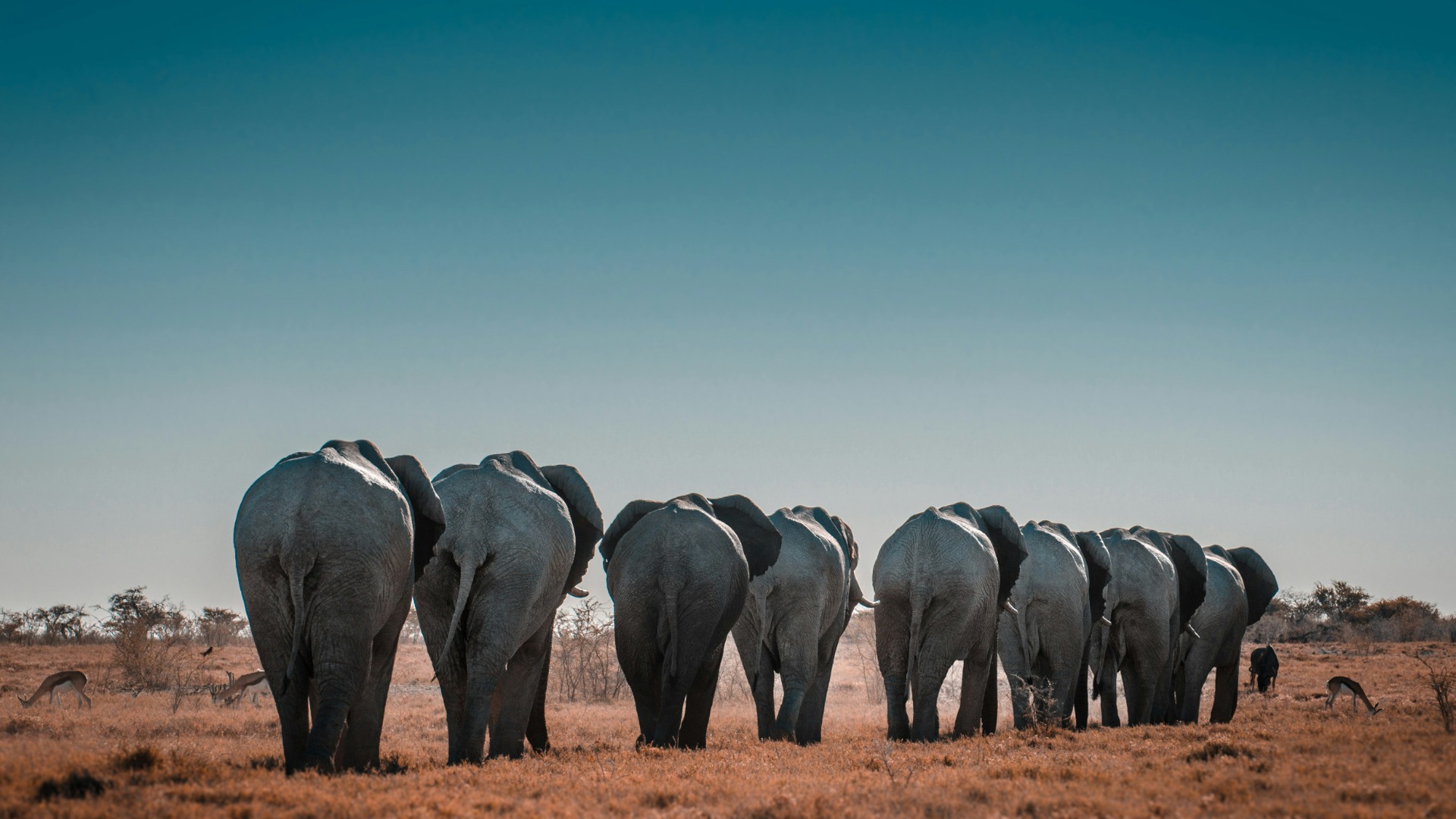
How Lake Kariba's Flooding Reshaped Elephant Migration Patterns and Daily Foraging
wildlife
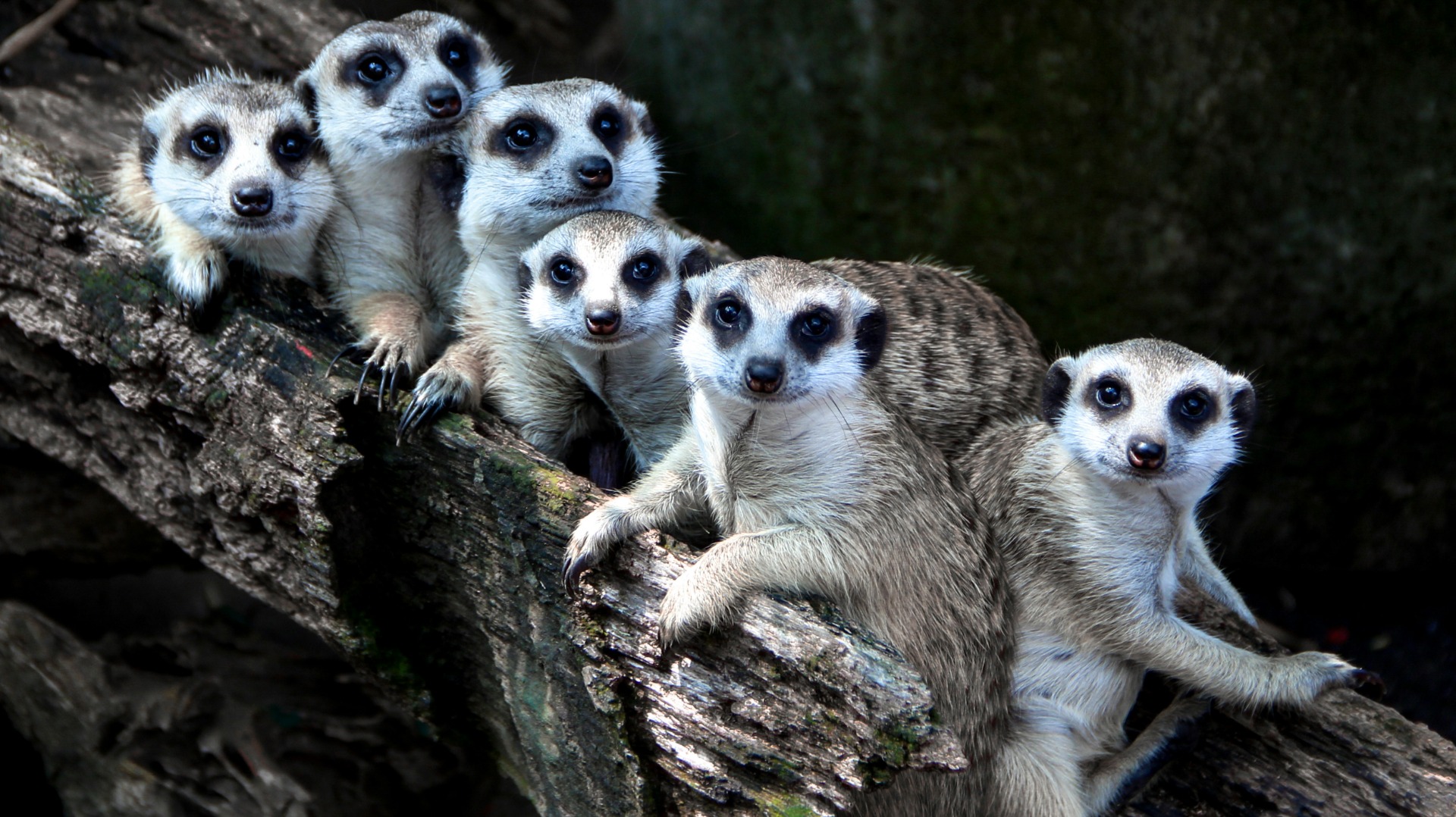
How Meerkat Burrows Quietly Reshape Water Flow Across the African Savannah
wildlife