wildlife
How Habitat Shapes Big Cat Sightings Across Africa
Encounters Africa - 7 min read
Updated on 27 August 2026
Habitat shapes big cat sightings across Africa far more than random luck on any given luxury safari. From the sweeping grasslands that allow cheetahs to reach full sprint to the dense thickets where leopards melt into shadow, each species has evolved to thrive in specific environments. This reality means travellers who understand these nuances can dramatically improve their odds of meaningful encounters with lions, leopards and cheetahs alike.
Encounters Africa is the specialist arm for safaris beyond Namibia, covering South Africa, Botswana, Kenya, Tanzania, Rwanda, Uganda, Zambia and Zimbabwe. Cape Town-based with three decades of combined experience, we book directly with camps and lodges, tailoring journeys for individuals, couples, families and private groups of up to eight using our 81 published itineraries that can all be reshaped. Read our comparison of two iconic wildlife destinations at Etosha versus Kruger wildlife comparison.
Why Habitat Determines Big Cat Success Rates
The African bush is not a uniform stage where predators appear by chance. Terrain, vegetation density, prey availability and even the height of grass all influence how visible and how active each cat species becomes. Skilled rangers read these elements like a map, positioning vehicles where the landscape naturally funnels animals into view.
Open country favours speed and endurance hunters, while broken terrain with cover rewards ambush specialists. Understanding this allows Encounters Africa to match each traveller’s priorities with the right concession or reserve at the optimal time of year. The result is not guaranteed sightings but consistently stronger probabilities rooted in ecology rather than fortune.
The bush reveals its secrets to those who learn its language of grass height, tree cover and seasonal water.
Prime Ecosystems for Lion Sightings
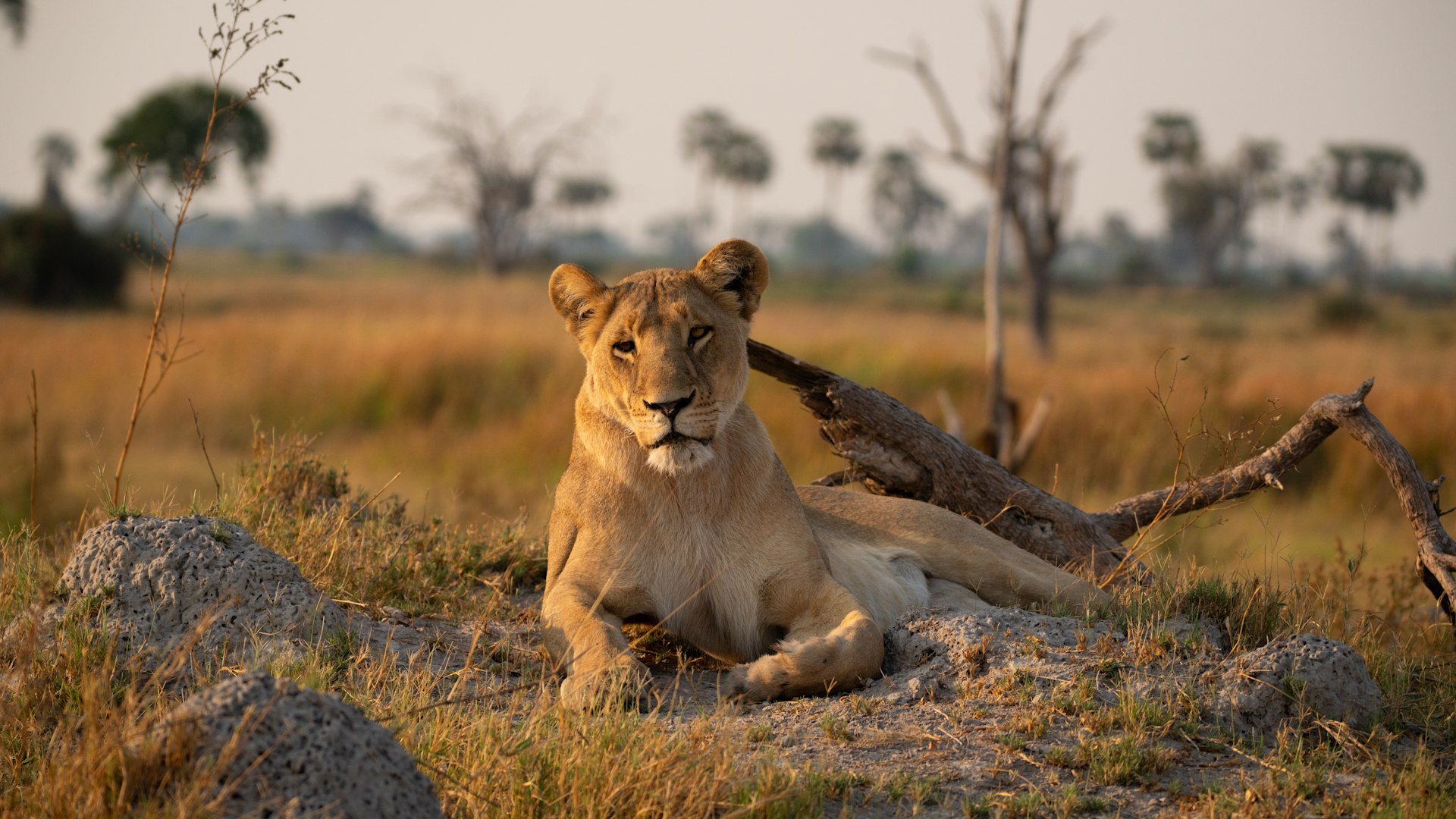
Lions prefer open to semi-open savannah where they can hunt cooperatively and patrol large territories. The Masai Mara in Kenya and parts of the Okavango Delta deliver some of the most reliable lion viewing because abundant prey and manageable grass heights keep prides visible for extended periods.
In South Africa, the private reserves bordering Kruger National Park such as the Sabi Sand offer exceptional lion encounters thanks to high game densities and the ability to follow prides off-road. Here, habituated coalitions often rest in full view during the heat of the day, allowing guests to study their social dynamics at close range.
Botswana’s Duba Plains Private Reserve stands out for its famous swimming lions that have adapted to a flooded landscape, demonstrating how local habitat variations create unique behavioural signatures within the species.
Seasonal Factors That Influence Lion Visibility
The best time to visit for lion viewing is typically during the dry season (May to October in Southern Africa, June to October in East Africa) when reduced vegetation and concentrated water sources bring both predators and prey into predictable areas. Numbers vary by operator and year, yet dry months consistently produce higher daily sighting rates across most concessions.
Optimal Habitats for Leopard Encounters
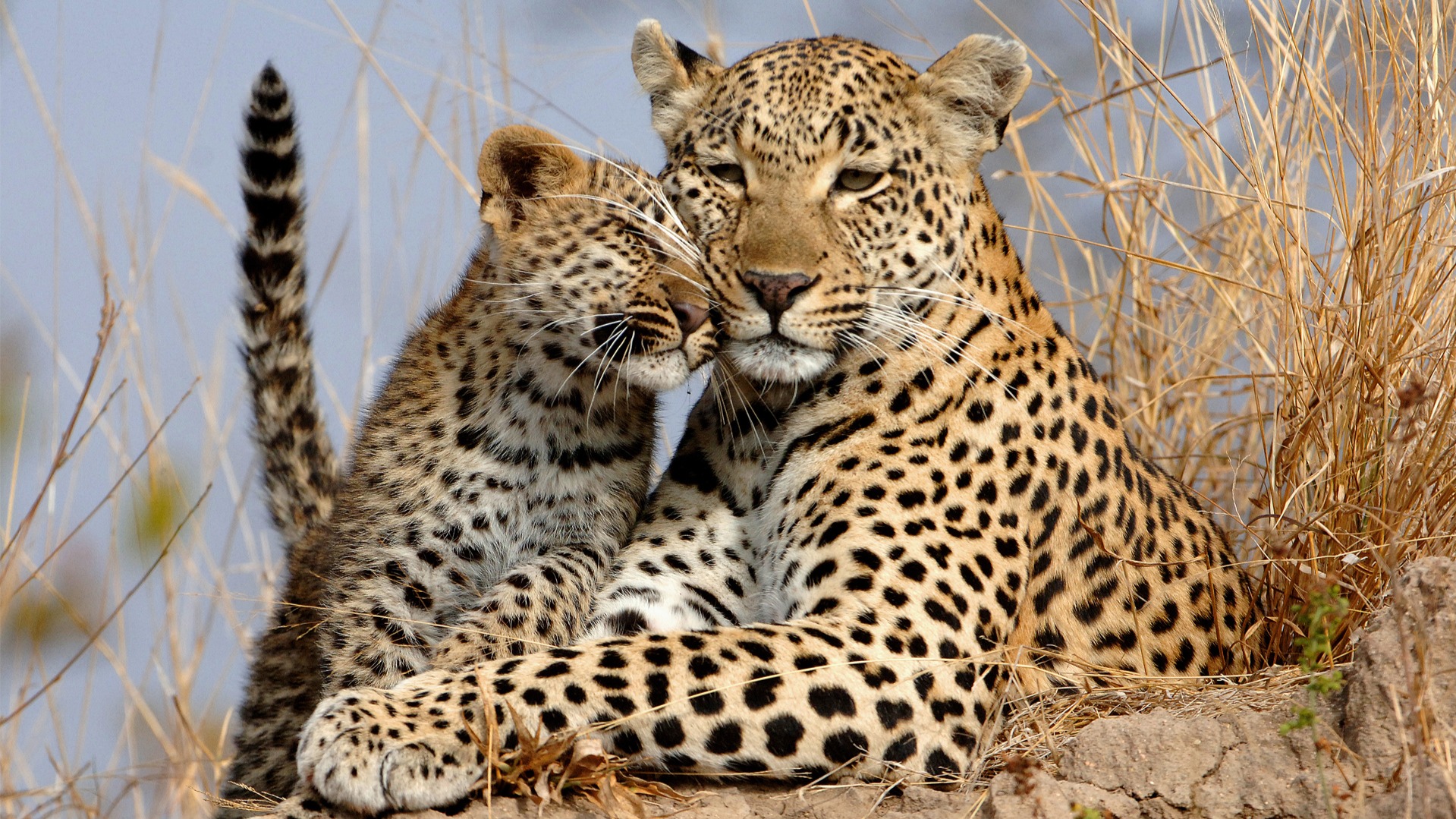
Leopards are solitary ambush hunters that require thick cover to stalk and cache their kills. The most productive leopard ecosystems therefore feature a mosaic of riverine woodland, rocky outcrops and medium-height bush rather than endless open plains.
The Sabi Sand Game Reserve in South Africa remains the benchmark for leopard viewing, with densities estimated at one leopard per 2.5 square kilometres in some sectors. Private vehicles and experienced trackers allow guests to follow these elusive cats on foot or by vehicle as they move through familiar territories that have been protected for generations.
In Botswana, the Selinda Reserve and certain Khwai concessions offer strong leopard prospects where mopane and acacia thickets line seasonal waterways. East Africa’s Laikipia conservancies also produce regular sightings, particularly around rocky kopjes that provide vantage points and secure resting spots.
A leopard’s camouflage is so complete that the animal often reveals itself only when it chooses to move.
Landscapes That Favour Cheetahs
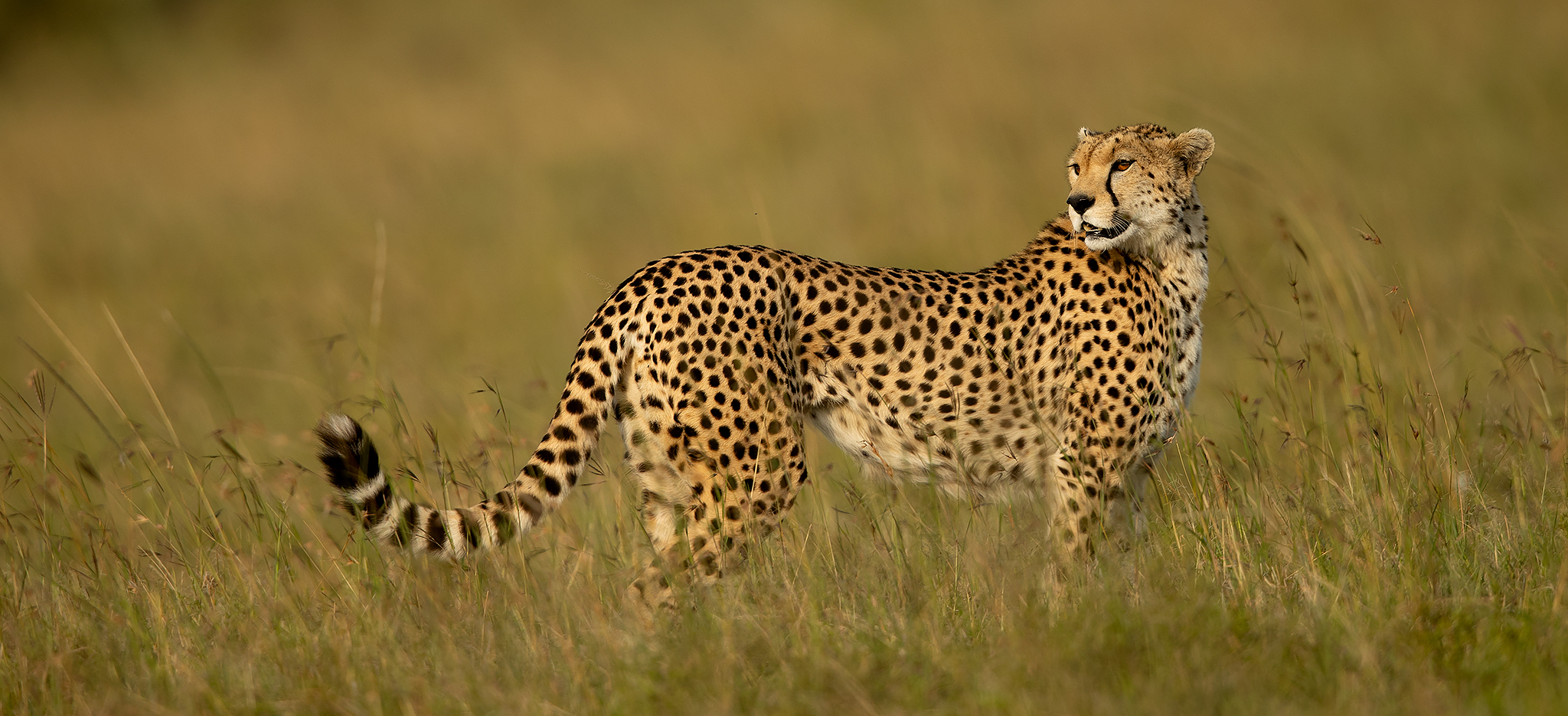
Cheetahs need open ground with good visibility to reach the 100 kilometres per hour bursts that define their hunting style. They avoid areas with too many large predators or dense cover that could conceal ambush threats to their cubs.
The short-grass plains of the southern Serengeti in Tanzania during the calving season (January to March) and the open savannahs of Kenya’s Masai Mara National Reserve offer some of the continent’s strongest odds. Here, cheetahs can be observed for long periods as they scan for prey or rest on termite mounds.
In Southern Africa, the drier fringes of the Kgalagadi Transfrontier Park and parts of the Central Kalahari deliver excellent cheetah viewing because the sparse vegetation allows these slender cats to exploit their superior speed across wide vistas.
Why Cheetah Numbers Remain Vulnerable
Despite ideal habitat, cheetah populations stay low because of high cub mortality from other predators and their specialised physiology. Responsible operators therefore support long-term monitoring projects that contribute valuable data while guests observe these elegant hunters.
Which African Country Is Best for Seeing Big Cats?
No single country claims supremacy because each big cat species responds to different habitat conditions, yet South Africa currently offers the strongest overall probability of seeing all three species well during one journey. Its combination of private reserves with high predator densities, skilled guides, and flexible vehicle access produces consistent daily encounters across multiple concessions.
Kenya and Tanzania follow closely for travellers prioritising cheetahs on open plains, while Botswana excels for lion behaviour in wetland settings. The ideal choice therefore depends on which cat excites you most and how you wish to experience the broader ecosystem around it. A well-designed itinerary can easily combine two or even three countries to target specific strengths.
Planning Your Big Cat Focused Safari
Successful big cat sightings begin with honest conversation about priorities. Encounters Africa reviews each enquiry against current game reports, water levels and camp positioning before suggesting routes. Our direct relationships with properties allow us to secure the most favourable locations and vehicles for photography or simply quiet observation.
Consider pairing a classic East African plain with a Southern African thicket experience. A typical two-centre journey might start in the Mara Naboisho Conservancy for cheetahs and lions before moving to a Sabi Sand lodge for leopard tracking. Such combinations work especially well for private groups who value variety over a single landscape.
Travel in the shoulder seasons can further enhance the experience by reducing vehicle numbers while maintaining strong wildlife concentrations. Our team constantly updates conditions across the eight countries we cover so that every itinerary reflects the latest ecological realities rather than outdated assumptions.
Knowledge of habitat turns hope into strategy and transforms good safaris into exceptional ones.
Begin Shaping Your Own Big Cat Safari
From the first enquiry to the final sundowner, Encounters Africa curates every element around your specific interests in lions, leopards and cheetahs. Whether you seek intimate behavioural moments, photographic opportunities or simply the thrill of watching these magnificent predators in their element, our Cape Town-based team draws on deep regional knowledge to create seamless, deeply personal journeys.
For discerning travellers seeking a private safari beyond our set itineraries, we invite you to contact us directly. We specialise in designing exceptional, tailor-made journeys for individuals, couples, families, and private groups of up to eight guests. Drawing on our handpicked network of distinguished camps and lodges, we curate every detail with precision and care, creating a seamless, deeply personal safari experience shaped entirely around your preferences, pace, and budget.
Send us your big cat safari enquiry today and let us translate your wildlife aspirations into an expertly crafted African journey. Explore our full range of tailor-made safari itineraries or discover complementary perspectives on Namibia through our sister brand at this luxury multi-country fly-in route.
More like this
Wildlife
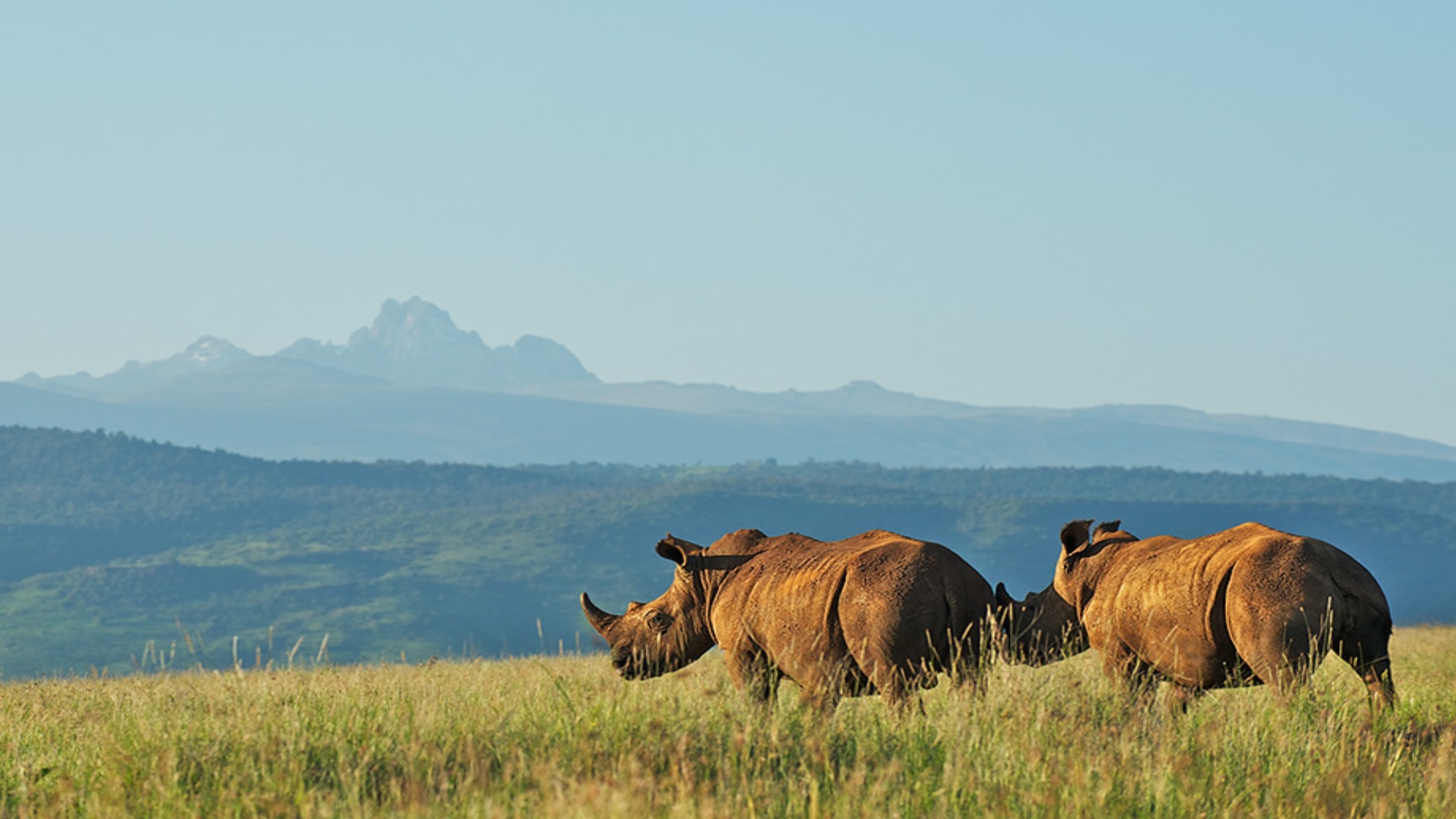
How Kenyan Wildlife Adapts to Life Beyond the Tourist Tracks
Wildlife
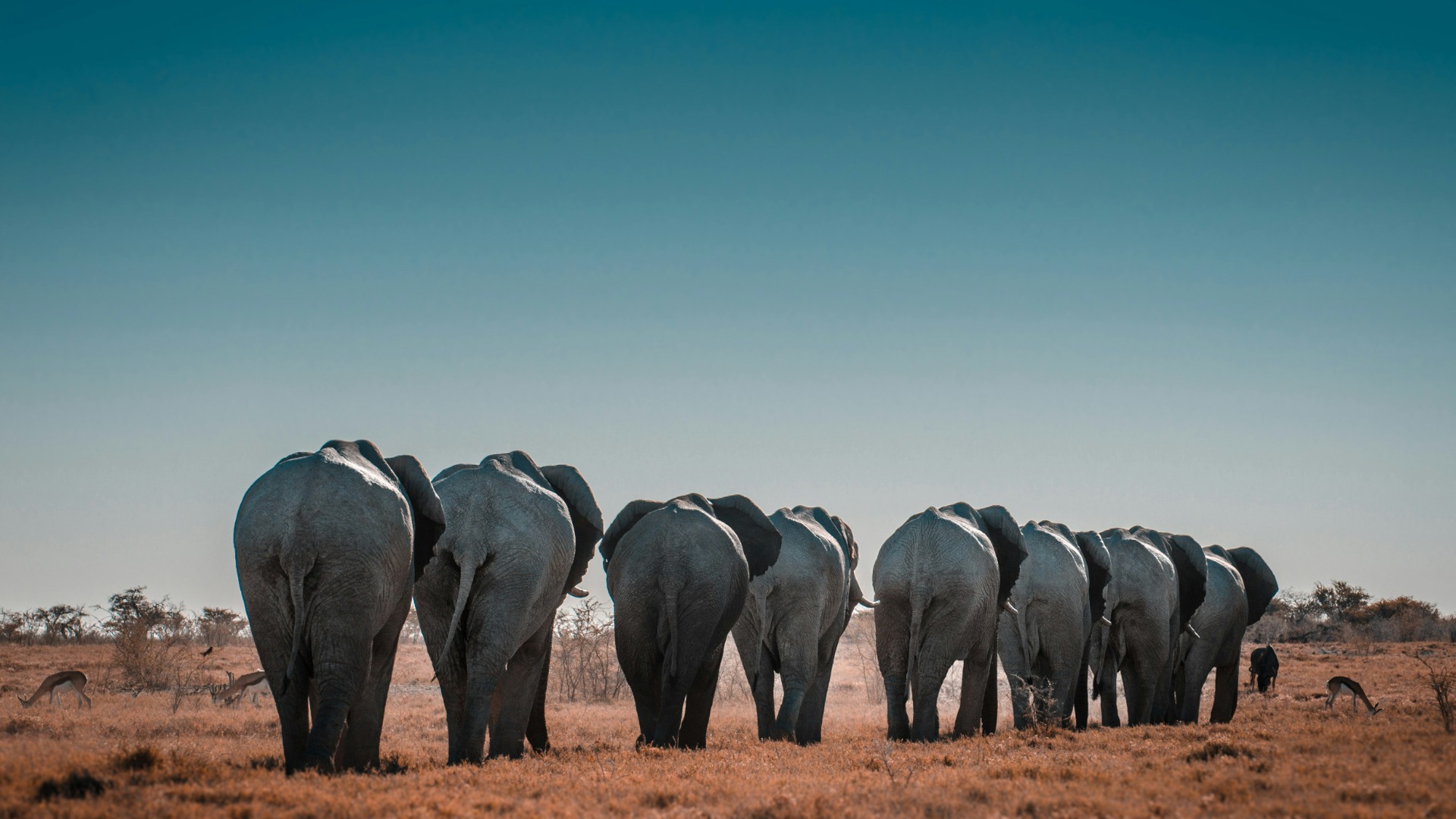
How Kenyan Wildlife Shapes Daily Decisions on a Luxury Safari
wildlife
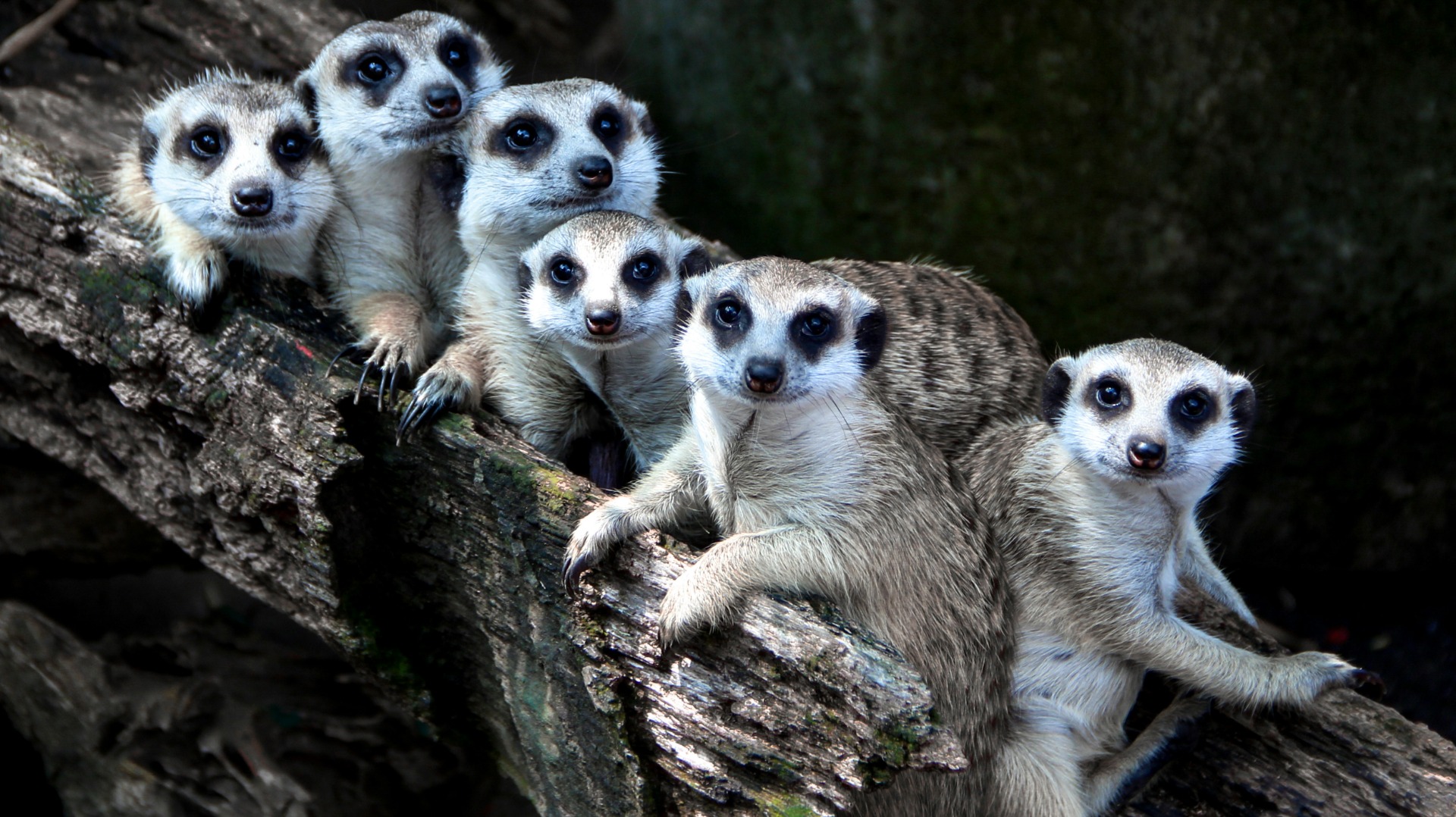
How Lake Kariba's Flooding Reshaped Elephant Migration Patterns and Daily Foraging
wildlife
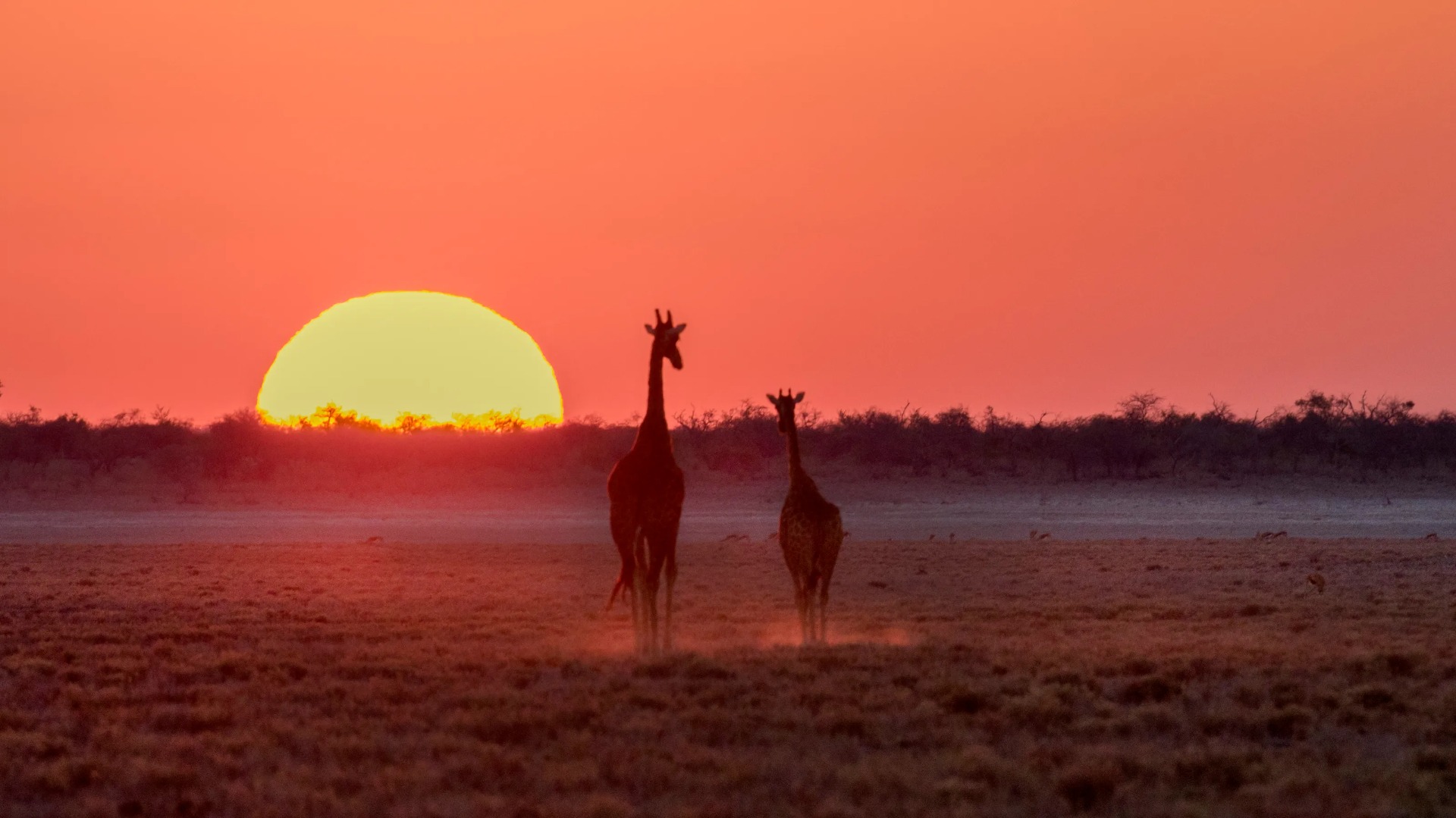
How Meerkat Burrows Quietly Reshape Water Flow Across the African Savannah
wildlife
How Night Drives Transform Safari Sightings After Dusk
Wildlife