Wildlife
How Kenyan Wildlife Adapts to Life Beyond the Tourist Tracks
Encounters Africa - 11 min read
Updated on 16 June 2026
Wildlife in Kenya reveals its most authentic behaviours far from the well-trodden paths where vehicles gather at first light. The approved article title invites readers to explore how Kenyan wildlife adapts to life beyond the tourist tracks, offering a deeper understanding of the daily negotiations that shape survival in the bush. From shifting territories after seasonal burns to the intricate navigation of dense vegetation, these patterns tell a compelling story of resilience that enriches any thoughtful safari experience.
Beyond lodge verandas lies a quieter story of Kenyan wildlife: how giraffes navigate thorny thickets, lions claim territories after fires, and antelope herds adjust routes around new water sources. This wildlife article draws on observations from seasoned rangers and long-term studies to illuminate the sophisticated ways animals respond to their ever-changing environment. For those planning a journey with Encounters Africa, such insights transform a standard game drive into something far more meaningful.
The Hidden Rhythms of Kenyan Wildlife Adaptation
Kenyan wildlife operates according to ancient rhythms that often remain invisible to short-term visitors. In the vast landscapes stretching from the Laikipia plateau to the remote corners of the Masai Mara, species have developed remarkable strategies to thrive amid fluctuating resources and occasional human presence. These adaptations represent generations of learned behaviour passed through family groups and social networks.
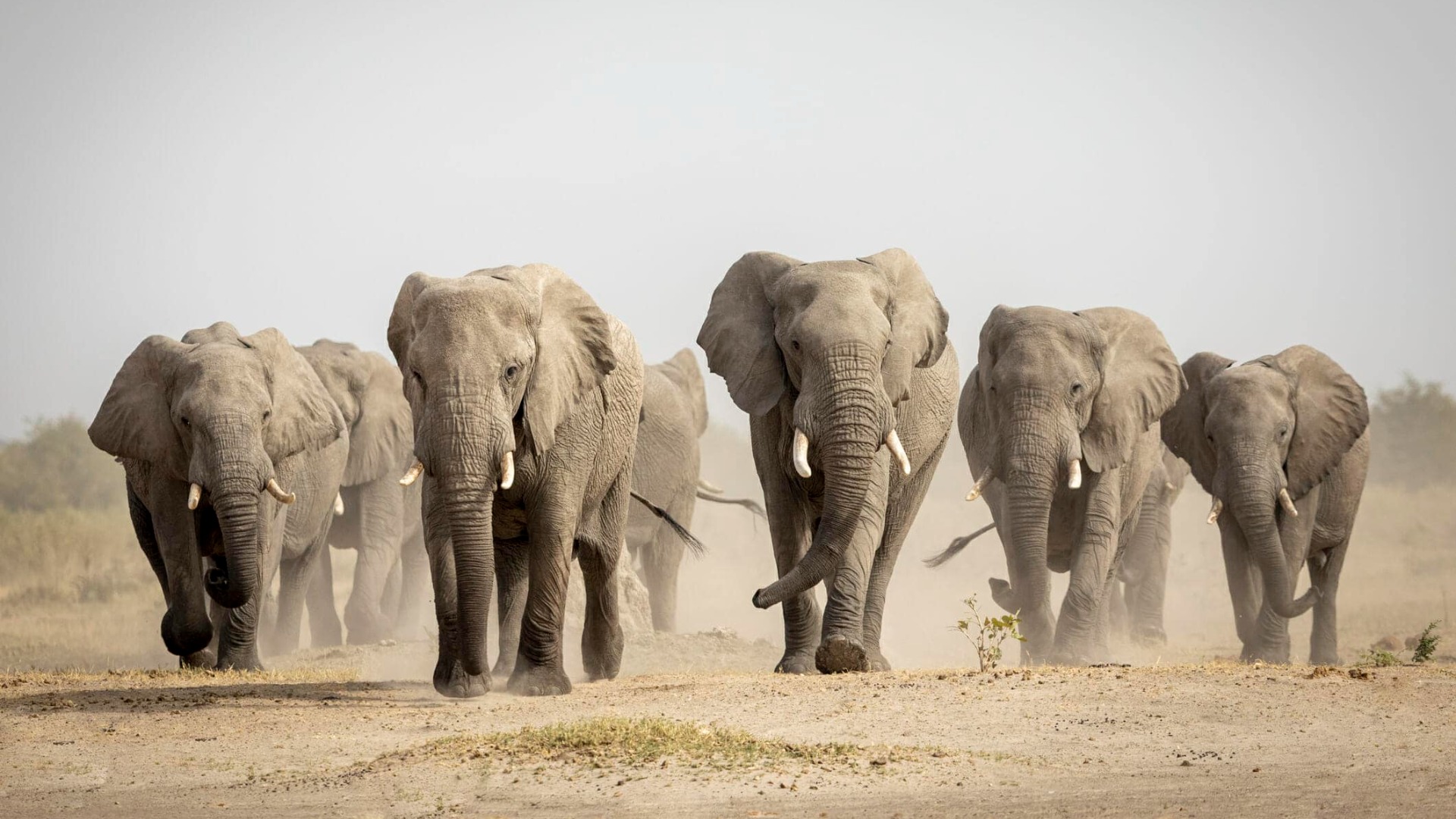
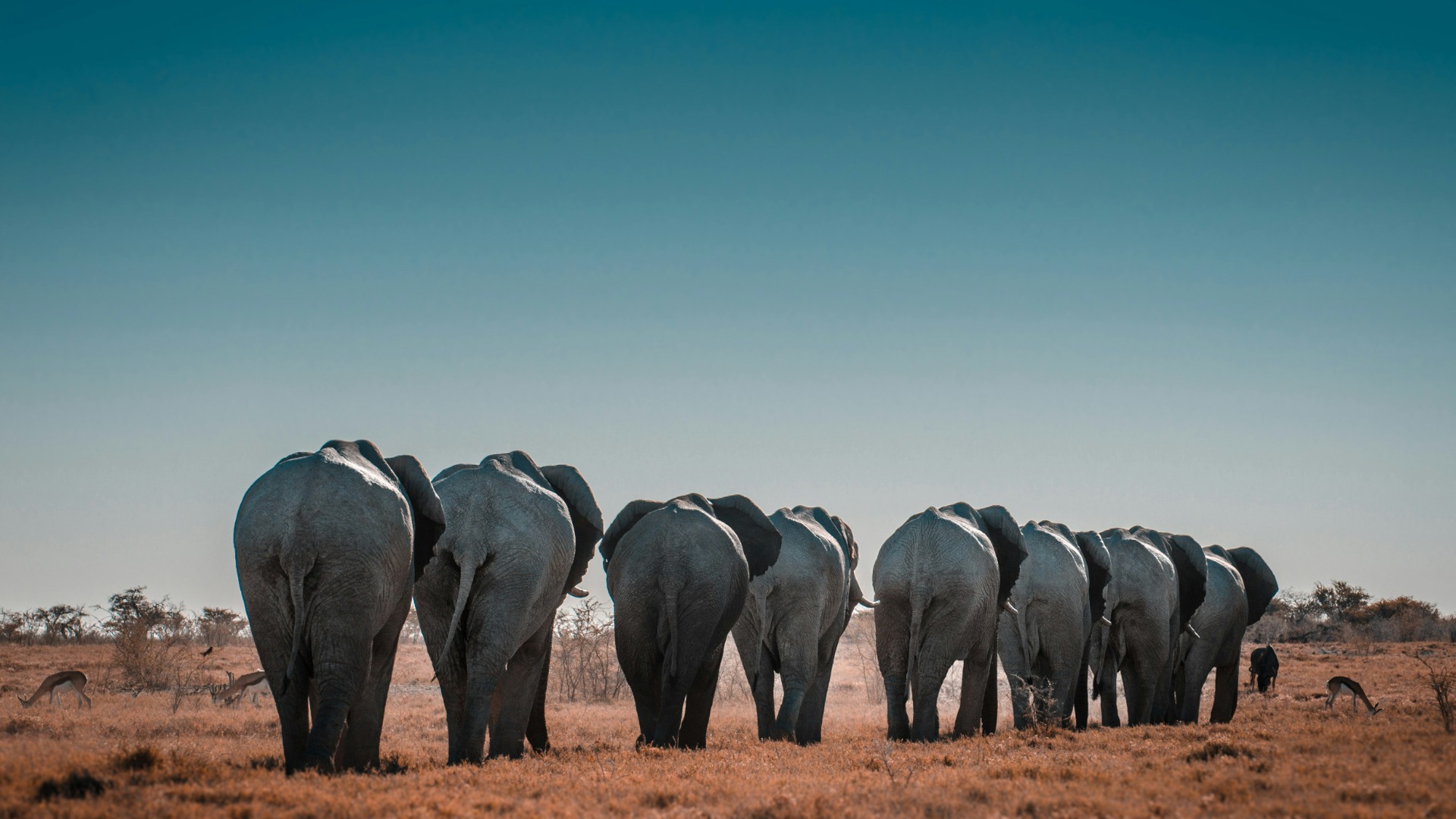
Elephants, for instance, demonstrate exceptional spatial memory that allows them to locate water sources that may only appear every few years. Their routes frequently skirt areas of high vehicle activity, choosing instead to move during the cooler hours when human disturbance is minimal. Recent collaring studies in northern conservancies have recorded elephants covering up to 60 kilometres in a single night to reach preferred feeding grounds.
The true character of Kenyan wildlife emerges not in the golden hour photographs, but in the patient adjustments made when no one is watching.
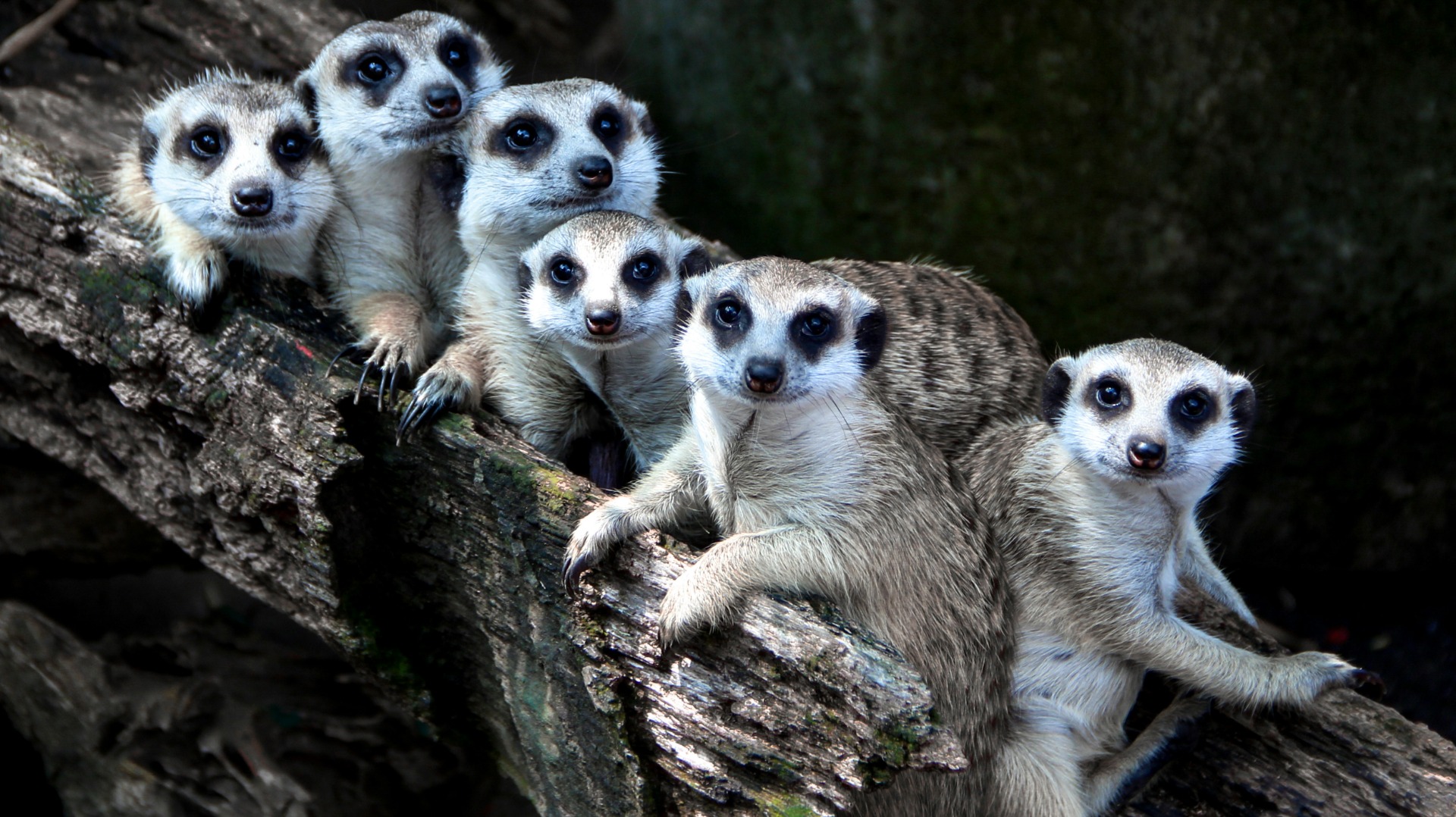
Smaller creatures display equally fascinating modifications. Dwarf mongooses adjust their sentinel duties based on wind direction and vegetation density, while ground hornbills have been observed altering their foraging territories following changes in livestock grazing patterns on community lands. These subtle shifts maintain balance within complex ecosystems that support over 90 mammal species and more than 1,000 types of birds.
How Giraffes Master the Thorny Thickets
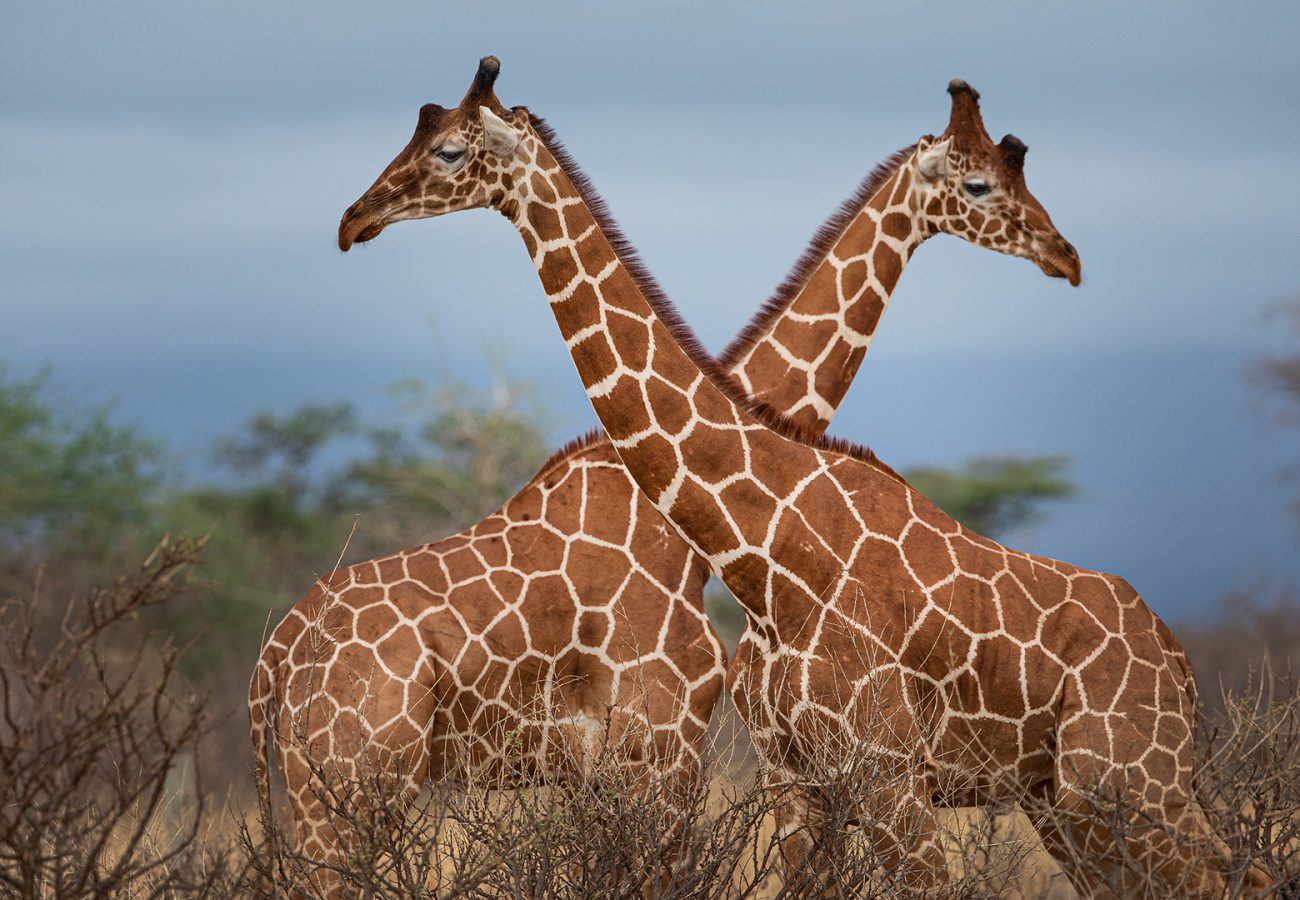
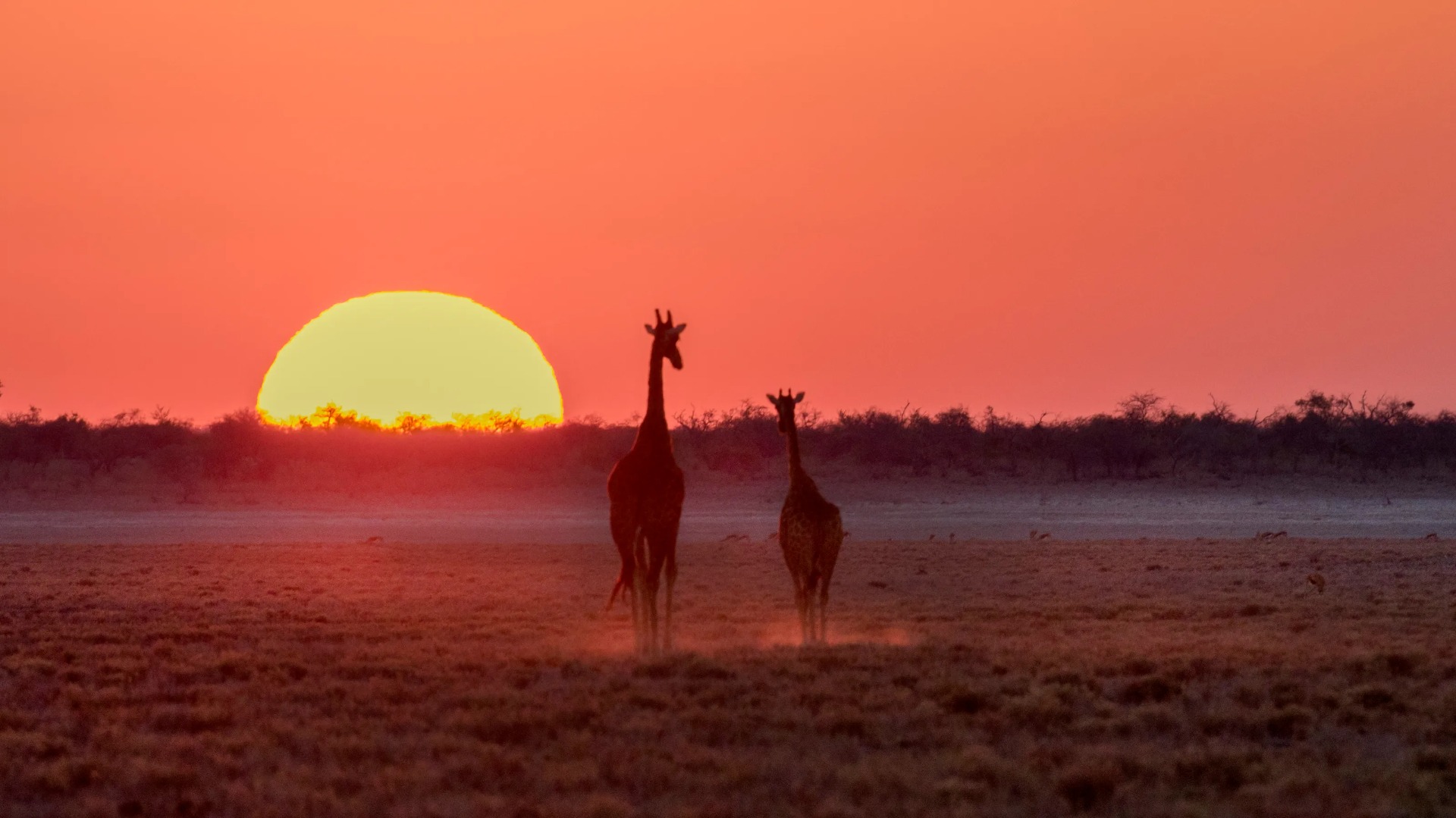
Giraffes rank among the most visually striking examples of wildlife in Kenya, yet their daily existence involves constant calculation. Their long necks and prehensile tongues allow them to reach acacia leaves that other browsers cannot access, but this advantage comes with risks. The formidable thorns of certain acacia varieties can reach lengths of 8 centimetres, requiring precise manoeuvring that scientists have only recently begun to fully document through high-speed camera traps.
In the Ol Pejeta Conservancy, researchers have recorded giraffes using their ossicones—the horn-like structures on their heads—to carefully push aside branches before feeding. This behaviour reduces injury risk by approximately 40 percent compared to less experienced individuals. During particularly dry periods, these tall browsers will travel up to 15 kilometres further than usual to find stands of preferred acacia species that have received adequate rainfall.
The social structure of giraffe herds also demonstrates adaptability. While traditionally viewed as loose associations, newer studies suggest stronger bonds between specific females that last for years. These alliances help younger animals learn optimal feeding techniques and predator avoidance strategies in areas where lions and hyenas remain active throughout the night.
Seasonal Changes in Giraffe Movement Patterns
During the long rains between March and May, giraffes tend to disperse into thicker bush where visibility for predators decreases. This period coincides with the birth of many calves, who benefit from the additional cover provided by lush vegetation. By contrast, the dry season from July to October sees these animals congregating closer to permanent water sources, where they must remain vigilant against increased predator activity.
Observations from the Loisaba Tented Camp area show that mature bulls often act as sentinels during these concentrated periods, using their height advantage to spot approaching danger from considerable distances. Their distinctive alarm posture—standing rigidly with neck held vertically—alerts the entire group within moments.
Lions and the Art of Post-Fire Territory Claims
Fire plays a crucial role in shaping the Kenyan bush, and lions have evolved sophisticated responses to these dramatic landscape changes. Controlled burns, often conducted between January and March to encourage fresh grass growth, create temporary opportunities that prides quickly exploit. The removal of thick undergrowth makes hunting easier for several weeks following a burn, with success rates increasing by as much as 25 percent according to long-term data from the Mara ecosystem.
Following a significant fire event, lion prides will often expand their territories by up to 30 percent, taking advantage of displaced prey animals that struggle to find cover. This expansion requires careful coordination between pride members, with younger males typically taking the lead in scent-marking newly accessible areas. These territorial adjustments can last for several months until vegetation regrows and the balance of power shifts once again.
After the flames subside, the bush reveals new possibilities. Lions read these changes with remarkable precision, claiming spaces that will sustain their cubs through the coming dry months.
The complex social dynamics within lion prides further demonstrate their adaptability. In areas where traditional prey becomes scarce due to drought or disease, coalitions have been documented successfully targeting larger species including young buffalo and even sub-adult elephants. Such behaviour requires precise timing and cooperation that can only develop through years of shared experience within stable social units.
The Impact of Fire Management on Predator-Prey Dynamics
Modern conservation approaches increasingly incorporate traditional burning practices with scientific monitoring. In several Kenyan conservancies, rangers now use satellite imagery to plan burns that create a mosaic of habitats rather than large scorched areas. This method supports greater biodiversity while providing lions with hunting opportunities without forcing them into closer contact with human settlements.
Studies conducted over the past decade indicate that areas with carefully managed fire regimes support 15 to 20 percent more prey species during the dry season. This abundance directly benefits lion populations, with healthier prides producing more surviving cubs each year.
Antelope Herds and Their Strategic Route Adjustments
Antelope species represent the backbone of Kenya's predator-prey systems, and their movement patterns reveal extraordinary environmental awareness. Impala, gazelle, and hartebeest regularly modify their traditional migration routes based on rainfall patterns, vegetation quality, and predator pressure. In the Mara North Conservancy, herds have been documented shifting their crossing points along the Mara River by several kilometres when water levels or crocodile activity change.
These adjustments require remarkable collective decision-making. Older females typically lead the way, drawing on memories of previous seasons to guide the group toward reliable resources. Younger animals learn these routes through observation, creating a cultural knowledge that passes through generations independent of genetic inheritance.
Water source management has become increasingly important as climate patterns shift. Many herds now incorporate detours of up to 10 kilometres to reach new water points created through conservation initiatives. These routes often follow natural contours of the land, minimising energy expenditure while avoiding areas of high human activity.
Understanding Predator Avoidance Strategies
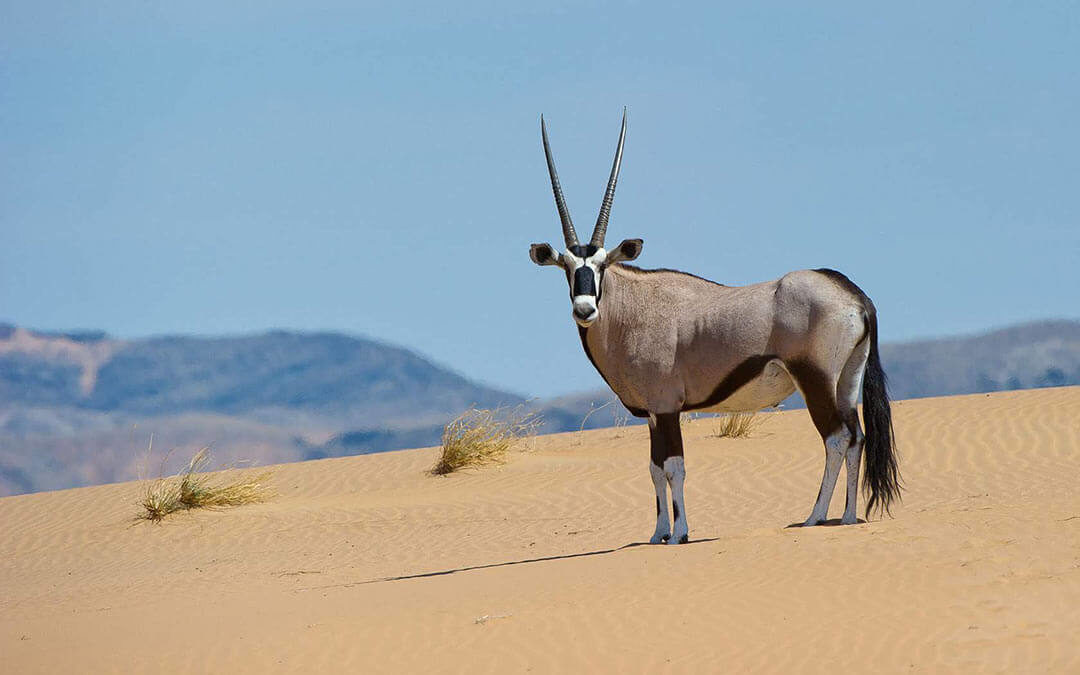
Antelope employ multiple sophisticated strategies to reduce predation risk. Thomson's gazelles, for example, use a distinctive stiff-legged jumping motion called stotting when they detect cheetahs. This behaviour signals to the predator that the individual is healthy and difficult to catch, often causing the hunter to abandon the chase.
In more densely wooded areas, species such as bushbuck and duiker rely on camouflage and freezing behaviour rather than speed. Their ability to remain completely motionless for up to 20 minutes allows them to avoid detection by leopards that depend primarily on sight when hunting.
What This Means for Your Kenyan Safari Experience
Understanding these adaptation strategies transforms how travellers engage with Kenyan wildlife. Rather than simply seeking impressive sightings, informed visitors begin to recognise the subtle signs that reveal deeper ecological stories. A flattened area of grass might indicate where a pride rested after a successful hunt, while specific alarm calls can tell you which predator is nearby even if you cannot see it.
The best time to witness these natural behaviours is typically during the shoulder seasons, when visitor numbers decrease and animals follow less predictable patterns. Between mid-May and June, or from October to early December, the bush feels more alive with authentic wildlife activity as the usual rhythms resume without constant interruption.
Every track, every broken branch, every distant call forms part of an intricate conversation that has continued for millennia. Learning to listen changes everything.
Experienced guides play an essential role in interpreting these signs. At camps like Elewana Elephant Pepper Camp, the guiding team includes individuals who have spent decades observing the same prides and herds. Their knowledge helps visitors understand not just what they are seeing, but why particular behaviours are occurring at that specific moment.
Conservation Challenges and Community Involvement
The future of Kenyan wildlife depends heavily on finding sustainable ways for people and animals to share the landscape. Community conservancies have emerged as one of the most effective models, with local landowners receiving direct benefits from wildlife protection. These initiatives have increased protected habitat by over 60 percent in some regions since 2010, creating vital corridors that allow animals to move freely between traditional ranges.
However, challenges remain. Climate change is altering rainfall patterns in ways that affect both wildlife and livestock, sometimes leading to increased conflict. Innovative solutions include the installation of predator-proof enclosures for night-time livestock protection, which has reduced lion killings by up to 80 percent in participating communities.
Research continues to reveal new insights about how Kenyan wildlife responds to these pressures. Camera trap surveys in remote areas regularly capture unexpected interactions between species, while genetic studies help conservationists understand population connectivity across fragmented habitats. This scientific foundation supports more effective protection strategies that benefit both animals and the people who share their environment.
Common Questions About Kenyan Wildlife Adaptation
How do animals in Kenya adapt to seasonal changes? Kenyan wildlife adjusts through modified movement patterns, altered feeding strategies, and changes in social behaviour. For example, many species time their breeding with the rains to ensure adequate food for their young, while others undertake longer journeys to reach reliable water sources during dry periods. These adaptations have developed over thousands of years and continue to evolve in response to modern challenges.
What role do fires play in the Kenyan ecosystem? Fires, both natural and managed, play a vital regenerative role. They clear old vegetation, encourage fresh growth that supports grazers, and create hunting opportunities for predators. When properly managed, fire regimes maintain habitat diversity that benefits numerous species across the food chain.
Can visitors observe these adaptation behaviours on safari? Yes, particularly when travelling with knowledgeable guides who understand the subtle signs. Early morning and late afternoon drives often reveal the most authentic wildlife activity, as animals are more active during these cooler periods. Choosing less crowded conservancies rather than heavily visited national reserve sections increases your chances of witnessing natural behaviours.
Discovering the Authentic Pulse of the Kenyan Bush
The story of Kenyan wildlife extends far beyond dramatic river crossings or impressive predator sightings. It encompasses the countless small adjustments, strategic movements, and learned behaviours that allow diverse species to coexist in a changing landscape. This deeper understanding enriches every moment spent in the bush, revealing connections that might otherwise remain hidden.
For discerning travellers seeking a private safari beyond our set itineraries, we invite you to contact us directly. We specialise in designing exceptional, tailor-made journeys for individuals, couples, families, and private groups of up to eight guests. Drawing on our handpicked network of distinguished camps and lodges, we curate every detail with precision and care, creating a seamless, deeply personal safari experience shaped entirely around your preferences, pace, and budget.
Whether your interests lie in following elephant family groups through the Laikipia landscape, tracking lion prides in the conservancies bordering the Masai Mara, or simply learning to read the signs that reveal the bush's hidden conversations, Encounters Africa can create a journey that meets your aspirations. Our experienced team works closely with you to ensure every element supports both your desires and the wellbeing of the remarkable wildlife you have come to experience.
Begin your discovery by reaching out through our enquiry form. Let us help you craft an authentic encounter with Kenyan wildlife that honours both the animals and the complex ecosystems that sustain them. The bush holds countless stories waiting to be understood by those willing to look beyond the obvious.
More like this
Wildlife
How Kenyan Wildlife Shapes Daily Decisions on a Luxury Safari
wildlife
How Lake Kariba's Flooding Reshaped Elephant Migration Patterns and Daily Foraging
wildlife
How Meerkat Burrows Quietly Reshape Water Flow Across the African Savannah
wildlife
How Night Drives Transform Safari Sightings After Dusk
Wildlife
How Seychelles Wildlife Moments Reshape Your View of Ocean Conservation
Wildlife