Wildlife
How Kenyan Wildlife Shapes Daily Decisions on a Luxury Safari
Encounters Africa - 10 min read
Updated on 18 June 2026
Kenyan wildlife profoundly influences every aspect of a luxury safari, from the timing of game drives to the choice of which conservancy to visit at different times of year. The behaviour of lions, elephants, and the vast herds of the Great Migration dictates not only where travellers venture each day but also how guides interpret the landscape and adapt plans in real time. This intricate dance between animals and their environment creates a living classroom that turns a safari into something far more immersive than a simple checklist of sightings.
From the sweeping grasslands of the Maasai Mara to the acacia-dotted hills of Laikipia, Kenyan wildlife and animals in Kenya shape daily decisions on a luxury safari in ways both subtle and dramatic. Conservation programmes and seasonal patterns influence everything from predator-prey dynamics to the availability of water sources, offering travellers richer, more meaningful encounters when they understand the rhythms at play.
The Daily Rhythm of Wildlife Observation
On any given morning in Kenya, the first decision of the day often hinges on where the animals have moved overnight. Fresh tracks, distant calls, and reports from neighbouring camps all feed into a complex puzzle that determines whether to head towards a river crossing, follow a coalition of cheetahs, or linger near a known leopard territory. These choices are rarely arbitrary; they emerge from years of accumulated knowledge about how Kenyan wildlife responds to weather, lunar cycles, and the movements of prey species.
Experienced guides monitor everything from the position of the sun to the height of the grass. In the dry season, when water becomes scarce, elephants and buffalo congregate around remaining pans, drawing predators in their wake. This concentration of Kenyan wildlife makes certain areas more productive at specific times, allowing safari operators to craft itineraries that maximise meaningful sightings while minimising disruption to natural behaviours.
The most rewarding moments on safari rarely come from chasing big numbers, but from understanding why an animal has chosen this particular tree, this waterhole, or this patch of shade at this precise hour.
Private conservancies such as Ol Pejeta Conservancy and Lewa Conservancy offer particularly flexible frameworks. Because they sit outside the national reserve system, daily decisions can be tailored even more closely to the current movements of Kenyan wildlife. A sudden gathering of reticulated giraffes or the discovery of fresh rhino spoor might prompt an immediate change of plan, turning what could have been a routine drive into an unforgettable experience.
How Seasonal Changes Dictate Safari Strategy
The annual calendar in Kenya revolves around two distinct rainy seasons and the long, dry months in between. From July to October, the Great Migration brings approximately 1.5 million wildebeest and 400,000 zebra into the Maasai Mara from Tanzania. This influx dramatically alters daily safari decisions, with guides rising before dawn to position vehicles at likely river crossing points along the Mara River.
During the short rains of November and the long rains from March to May, vegetation transforms and water sources multiply. Animals disperse across wider areas, requiring a different approach that favours tracking over static observation. Knowledge of these patterns allows Encounters Africa to recommend optimal times for specific experiences, whether witnessing the drama of river crossings or enjoying the relative solitude of the green season when wildflowers carpet the plains.
The Masai Mara in particular demonstrates how Kenyan wildlife and animals in Kenya respond to these seasonal shifts. The arrival of the migration not only boosts predator populations but creates a cascade effect throughout the ecosystem. Hyenas, jackals and vultures all adjust their hunting and scavenging patterns accordingly, creating an ever-changing tableau that guides interpret for their guests each day.

Understanding seasonal rhythms transforms a safari from passive viewing into an active dialogue with the landscape and its inhabitants.
The Role of Weather in Daily Planning
Even within seasons, daily weather conditions heavily influence wildlife behaviour and therefore safari strategy. After overnight rain, guides know that dust will be settled and animals more likely to be active in the cooler morning hours. Conversely, during periods of extreme heat, many species become largely nocturnal, prompting a shift towards late afternoon and evening drives when temperatures drop.
Cloud cover, wind direction, and even barometric pressure all play their part. A stiff breeze might mask the sound of an approaching vehicle, allowing closer approaches to skittish species. These nuanced factors demonstrate why Kenyan wildlife observation remains both an art and a science, with each day presenting new variables to consider.
Conservation Programmes That Shape Safari Experiences
Modern conservation initiatives across Kenya have fundamentally changed how travellers engage with wildlife and animals in Kenya. The establishment of community conservancies has created vast new areas where wildlife can move freely while providing economic benefits to local populations. These protected spaces often offer more intimate safari experiences precisely because visitor numbers are carefully controlled.
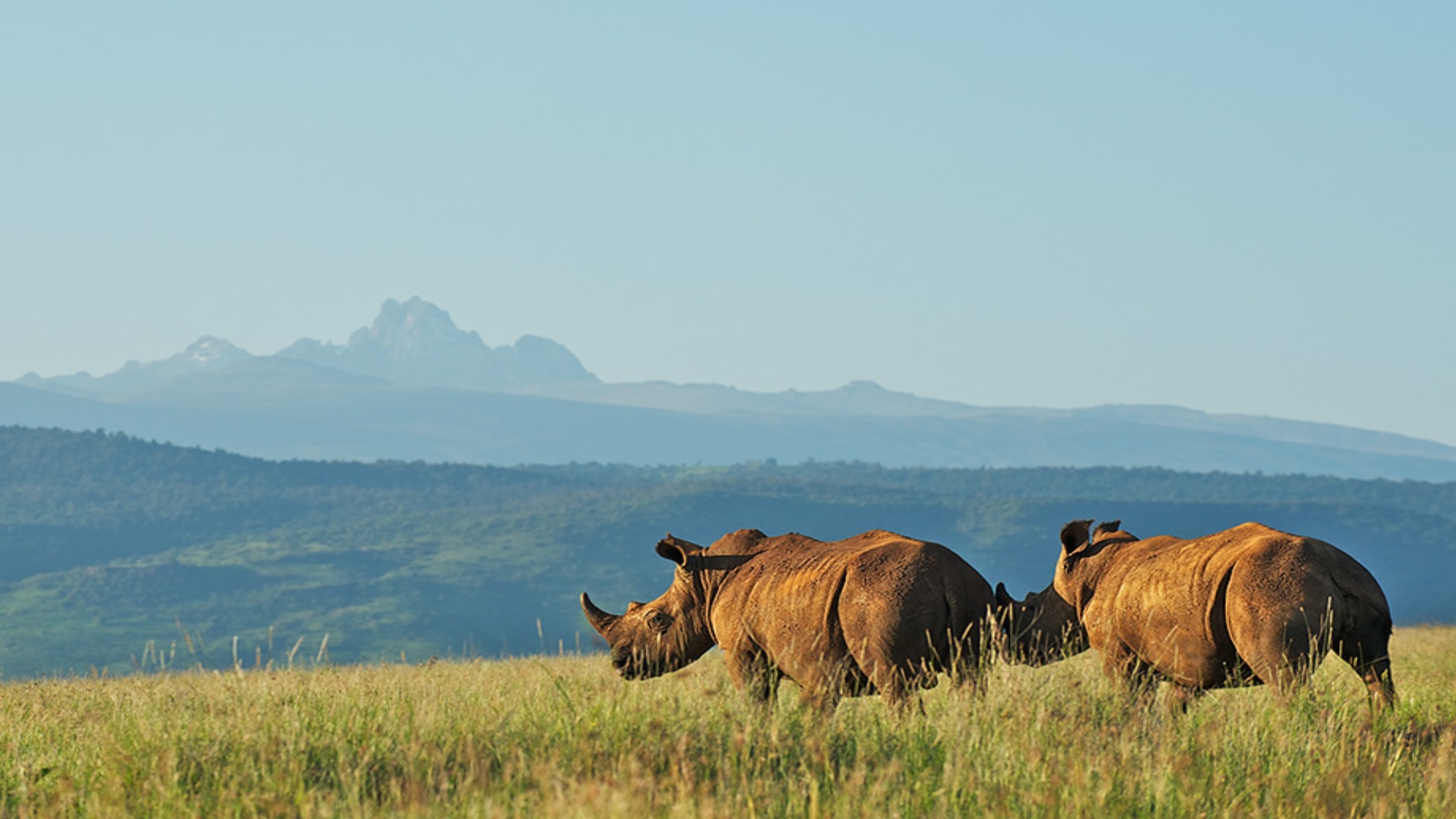
In Laikipia, programmes focused on black rhino conservation have led to one of Africa's highest densities of these critically endangered animals. Daily decisions on a luxury safari here might involve early morning tracking on foot with experienced rangers, an activity that requires both physical fitness and a deep respect for the animals' space. The knowledge that tourism revenue directly funds anti-poaching efforts adds profound meaning to each encounter.
The Kenya Wildlife Service works alongside private operators and conservancies to monitor populations, with data from these efforts directly informing safari strategies. When lion prides shift territories or elephant herds establish new migration routes, this information ripples through the industry, affecting everything from lodge placement to the training of guides.
Community Involvement and Its Impact
Many of the most successful conservation models in Kenya now centre on meaningful community participation. In the Mara Naboisho Conservancy, revenue from tourism supports education, healthcare and livestock management programmes that reduce human-wildlife conflict. This holistic approach creates an environment where Kenyan wildlife can thrive while guests gain insight into the complex relationship between people and nature.
These initiatives influence daily safari decisions by opening up new areas for exploration and providing opportunities to meet community members whose lives are intimately connected with the wildlife. A visit to a traditional manyatta might be scheduled around game drive timings, creating a richer narrative that encompasses both the animals and the people who share their landscape.
Understanding Predator-Prey Dynamics on Safari
The intricate balance between hunters and the hunted forms one of the most compelling aspects of Kenyan wildlife observation. Rather than simply hoping to see a kill, experienced guides help travellers understand the complex strategies both sides employ. A herd of zebra will position sentinels while drinking, while lions coordinate their approaches with remarkable tactical awareness.
In areas like the Ol Pejeta Conservancy, the presence of both black and white rhinos creates additional layers of interest. These prehistoric-looking creatures influence the behaviour of other species around them, with their movements often dictating where smaller antelope feel safe to graze. Understanding these relationships transforms a simple sighting into a window onto a sophisticated ecosystem.
Our article on walking safaris in Kenya explores how approaching wildlife on foot heightens awareness of these subtle interactions, revealing details that might be missed from a vehicle.
Specialist Guiding and Interpretation
The quality of interpretation can dramatically affect how travellers perceive Kenyan wildlife. Guides who understand individual animals' histories, from a particular lioness's hunting style to an elephant matriarch's decision-making process, bring the bush to life in remarkable ways. This depth of knowledge allows for more meaningful connections with the natural world.
Many luxury camps now employ specialist naturalist guides who focus on specific aspects of the ecosystem, whether birds, insects, or medicinal plants. Their expertise helps travellers appreciate the countless small interactions that support the more visible drama of Kenya's charismatic megafauna.

Every track, every call, every change in the wind carries information that shapes both animal behaviour and our own experience of the African wild.
Practical Considerations for Wildlife-Focused Safaris
When planning a safari centred on Kenyan wildlife, timing remains crucial. The dry season from June to October generally offers the best game viewing conditions, with animals concentrated around water sources and vegetation at its sparsest. However, the shoulder months of November and May can provide exceptional value, with fewer visitors and the added drama of dramatic thunderstorms.
Choosing the right location matters enormously. While the Maasai Mara delivers the spectacle of the migration, conservancies around Mount Kenya and in the Laikipia plateau offer more exclusive experiences with species such as the endangered Grevy's zebra and Jackson's hartebeest. A well-crafted itinerary might combine several areas to provide a comprehensive overview of Kenya's remarkable biodiversity.
What to Expect During Different Seasons
The Great Migration Season (July-October): Expect to witness up to 1.5 million wildebeest and zebra moving across the plains, with dramatic river crossings and near-constant predator activity. Days often begin before first light to reach crossing points in time.
The Green Season (November-May): Dispersed wildlife requires more active searching but rewards patience with lush landscapes, newborn animals, and the possibility of having entire plains to yourself. Migratory birds add spectacular colour to the experience.
The Dry Season (June-October, excluding migration peak): Excellent general game viewing with concentrated animals around waterholes. This is often the optimal time for photography due to clear skies and dramatic light.
The Future of Kenyan Wildlife Conservation
The story of Kenyan wildlife continues to evolve, with new challenges and innovative solutions emerging each year. Climate change has begun altering traditional migration patterns, requiring constant adaptation from both animals and those who study them. Conservancy models are proving increasingly successful, with local communities playing ever more central roles in protecting their natural heritage.
Technological advances, from GPS collars to camera traps and AI-powered monitoring systems, provide unprecedented insights into animal behaviour. This data not only improves conservation outcomes but enriches the safari experience by allowing guides to share cutting-edge findings with their guests.
Encounters Africa maintains close relationships with leading conservation organisations across Kenya, ensuring that every journey contributes meaningfully to the protection of these remarkable ecosystems. Our specialists stay abreast of the latest developments, from new anti-poaching initiatives to community education programmes, incorporating this knowledge into carefully tailored itineraries.
Planning Your Kenyan Wildlife Experience
Understanding how Kenyan wildlife shapes daily decisions on a luxury safari transforms the entire experience from observation to participation. When travellers appreciate the complex factors guiding each day's activities, they develop a deeper connection with both the animals and the people dedicated to their protection.
Whether hoping to witness the raw power of a lion hunt, track critically endangered rhinos through acacia woodland, or simply absorb the vastness of a landscape teeming with life, Kenya offers unparalleled opportunities for meaningful engagement with the natural world. The key lies in working with specialists who understand these intricate patterns and can translate them into personalised journeys.
For discerning travellers seeking a private safari beyond our set itineraries, we invite you to contact us directly. We specialise in designing exceptional, tailor-made journeys for individuals, couples, families, and private groups of up to eight guests. Drawing on our handpicked network of distinguished camps and lodges, we curate every detail with precision and care, creating a seamless, deeply personal safari experience shaped entirely around your preferences, pace, and budget.
Begin your journey by exploring our Kenya safari collection or visit our enquiry form to start a conversation about your perfect Kenyan wildlife encounter. The animals are waiting, and every day brings new possibilities shaped by the timeless rhythms of the African wild.
More like this
wildlife
How Lake Kariba's Flooding Reshaped Elephant Migration Patterns and Daily Foraging
wildlife
How Meerkat Burrows Quietly Reshape Water Flow Across the African Savannah
wildlife
How Night Drives Transform Safari Sightings After Dusk
Wildlife
How Seychelles Wildlife Moments Reshape Your View of Ocean Conservation
Wildlife
How South African Wildlife Aligns Its Day Around Water and Light
wildlife