Culture
How Community Rituals in Rwanda Continue to Shape Modern Identity
Encounters Africa - 10 min read
Updated on 3 July 2026
Rwanda cultural practices remain a vital force in contemporary society, blending centuries-old customs with the needs of a nation rebuilding itself. From monthly community labour days to expressive traditional dances, these living traditions continue to reinforce values of unity, resilience, and shared purpose across the country. This article explores how community rituals in Rwanda continue to shape modern identity, offering travellers a deeper appreciation of the cultural landscape they encounter.
A visitor joining a village gathering quickly senses that these practices are far more than performances or obligations. They form the quiet architecture of social cohesion in a country where history weighs heavily yet hope drives forward momentum. Encounters Africa has witnessed how respectful engagement with Rwanda cultural practices enriches every safari journey, creating connections that linger long after the mountains and forests fade from view.
The Enduring Power of Umuganda
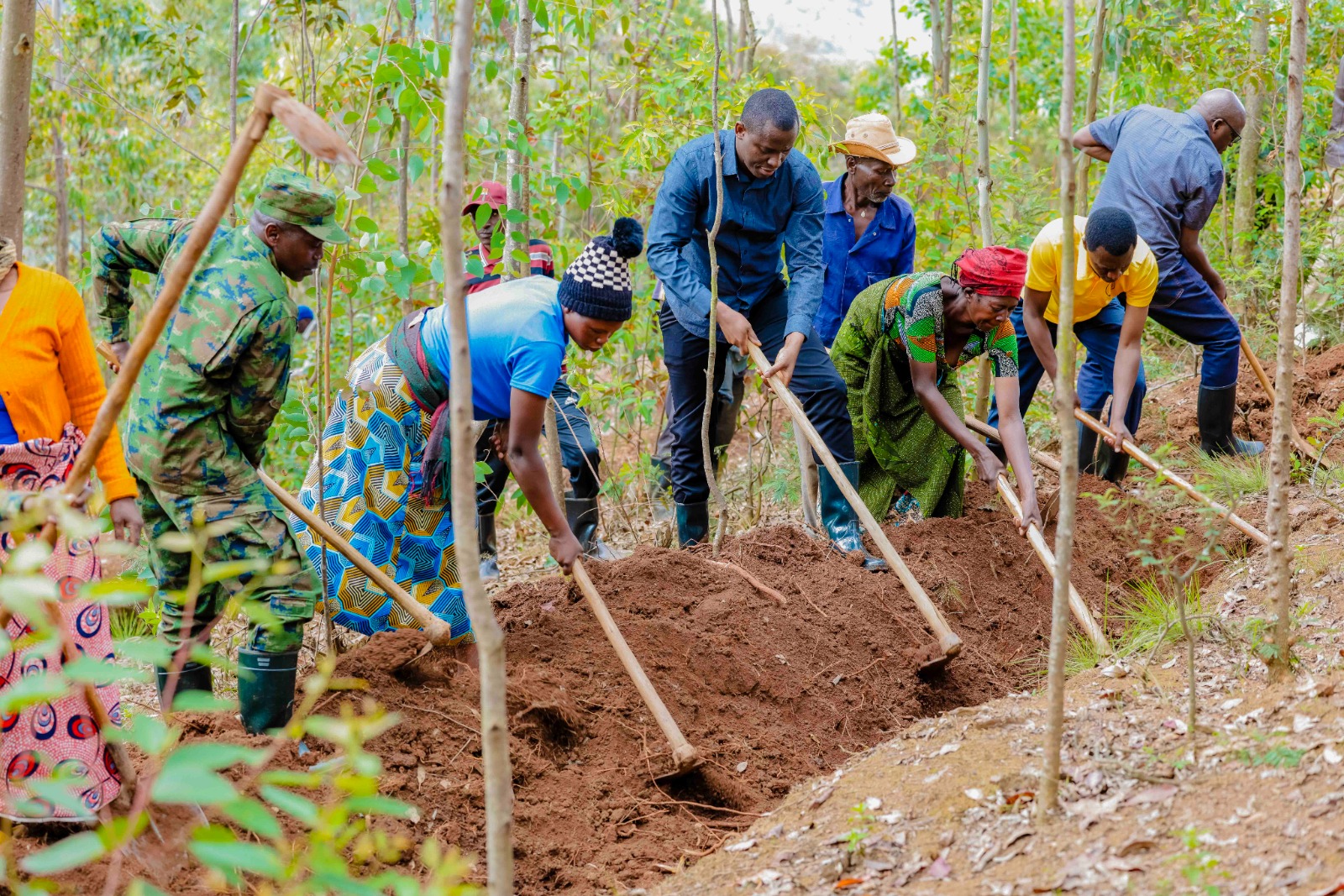
Every last Saturday of the month, streets across Rwanda fall quiet as citizens from all walks of life participate in Umuganda. This compulsory yet deeply communal activity translates literally as "coming together in common purpose" and typically lasts three hours. Participants clear drainage ditches, plant trees, or repair public buildings while exchanging news and ideas in an atmosphere of purposeful cooperation.
The practice, revived in its current form after 1994, draws on pre-colonial traditions of mutual assistance known as "ubudehe." Today it involves an estimated 10 million Rwandans each month, making it one of the world's largest regular community mobilisation efforts. Government statistics show that Umuganda has contributed to the planting of over 60 million trees nationwide since its formal reintroduction.
Umuganda reveals how collective effort can transform both landscapes and mindsets, turning individual responsibility into national renewal.
Travellers fortunate enough to observe or participate in Umuganda witness something profound. The absence of hierarchy during these sessions, where ministers work alongside farmers, embodies the egalitarian spirit that underpins much of Rwanda cultural practices. Local leaders facilitate discussions afterwards, addressing community concerns in a transparent forum that strengthens social trust.
Historical Roots and Modern Adaptation
While the current structure of Umuganda was formalised in 2007 through national policy, its essence stretches back through generations. Pre-colonial Rwandan society relied heavily on such cooperative labour for agricultural success in the hilly terrain. The ritual's revival demonstrates remarkable cultural adaptability, repurposing tradition to address contemporary challenges including environmental restoration and social reconciliation.
Research conducted by the University of Rwanda indicates that regular participation correlates with higher levels of reported community trust. This data underscores how Rwanda cultural practices function as active tools for nation-building rather than mere historical relics.
Intore Dance: Martial Grace and National Pride
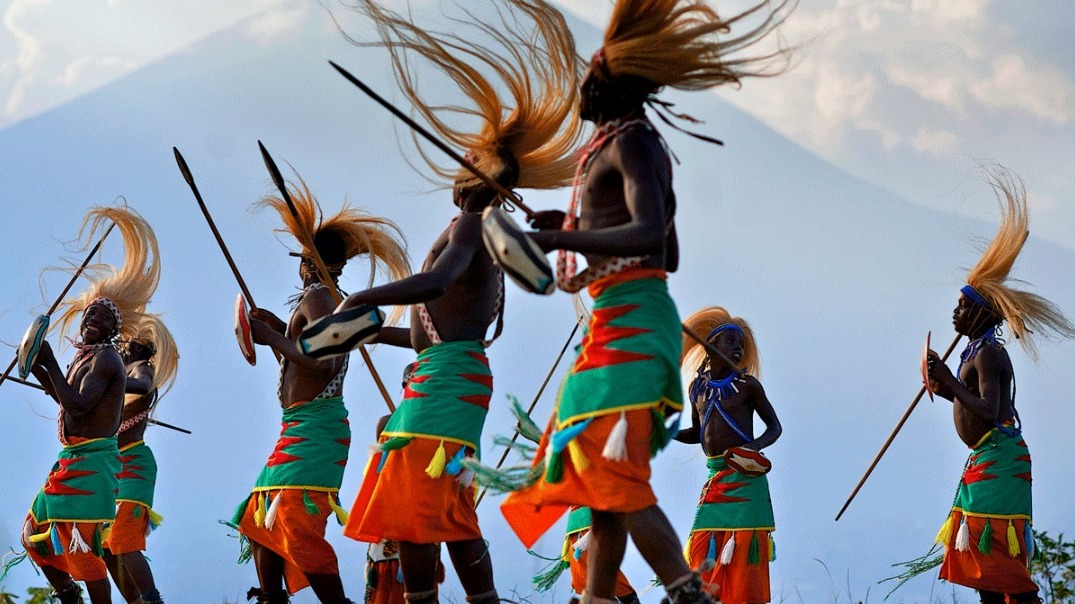
Few experiences capture the vitality of culture in Rwanda quite like witnessing an Intore performance. The dance, traditionally performed by warriors to celebrate victory and valour, features intricate footwork, rhythmic drumming, and dramatic gestures with spears and shields. Today it serves as both artistic expression and diplomatic tool, performed at state functions and cultural festivals throughout the year.
The name Intore means "the chosen ones," referring to the elite warriors selected from across the kingdom in pre-colonial times. A complete performance typically involves three distinct elements: the dance of the dancers (ingabo), the dance of the drummers (ingoma), and the poetic recitation (amazina). Professional troupes now train young people in these disciplines, ensuring transmission to new generations.
In the thunder of drums and flash of spears, Intore dance preserves the memory of resilience while celebrating Rwanda's vibrant present.
Modern interpretations have evolved to include female performers, expanding the traditionally male practice into a more inclusive art form. This evolution mirrors broader shifts in Rwandan society while maintaining the core aesthetic and rhythmic foundations that make Intore instantly recognisable.
Learning Through Observation
Visitors can experience Intore at various cultural centres, including the Rwanda Arts Museum in Kigali and during evening programmes at select lodges. The best time to witness authentic performances occurs during the annual Kwita Izina gorilla naming ceremony in September or at cultural villages in Musanze and Kigali.
Understanding the historical context transforms a visually spectacular dance into something far more meaningful. Each gesture carries significance, from the high kicks representing strength to the coordinated group movements symbolising unity, elements that resonate deeply with Rwanda cultural practices as a whole.
Storytelling Traditions and Ancestral Knowledge
Beyond public performances, the quieter art of storytelling remains central to culture in Rwanda. Elders pass down history, moral lessons, and practical knowledge through vivid oral narratives during evening gatherings around the fire. These sessions, known locally as "umugani," preserve genealogies, explain natural phenomena, and transmit behavioural codes that guide community life.
In a country where 60 percent of the population is under 25 years old, these intergenerational exchanges carry particular significance. Storytelling sessions help younger Rwandans understand their place within a longer historical continuum while addressing contemporary challenges through traditional wisdom.
The Rwandan government has recognised this importance by supporting cultural preservation programmes that document and digitise traditional stories. Over 2,000 oral histories have been recorded through initiatives coordinated with local elders since 2015, creating an invaluable archive for future generations.
The Role of Proverbs and Symbolism
Rwandan proverbs, rich in metaphor drawn from the natural world, encapsulate complex ideas in few words. A visitor might hear "Amai n'ibintu" (milk and things), referring to the traditional sharing of resources, or "Ubumwe ni agatebo k'umugani" (unity is the basket of proverbs), highlighting how cooperation strengthens cultural transmission.
These linguistic treasures form part of the subtle fabric of Rwanda cultural practices, appearing in everyday conversation as well as formal settings. Learning even a few allows travellers to engage more meaningfully with their hosts and demonstrates respect for local intellectual traditions.
Rites of Passage and Life Cycle Ceremonies
Significant life events in Rwanda are still marked by carefully observed rituals that blend traditional elements with contemporary realities. Naming ceremonies, marriage customs, and funeral rites each follow specific protocols that reinforce family bonds and community connections. While urbanisation has modified some practices, the underlying values of respect, reciprocity, and remembrance remain constant.
Birth celebrations often feature the presentation of a newborn to the community on the seventh or eighth day, accompanied by specific blessings and the careful selection of a name carrying ancestral significance. Marriage negotiations, though evolving, still frequently involve family representatives and the symbolic exchange of gifts that acknowledge the joining of two lineages.
These personal milestones, observed with dignity and joy, remind us that individual lives remain intimately connected to the larger social tapestry of Rwanda.
Contemporary Adaptations
Young Rwandans increasingly blend traditional elements with modern preferences in their ceremonies. A wedding might feature both a customary cow gift and a contemporary reception, creating hybrid events that honour heritage while embracing the future. This creative synthesis represents one of the most dynamic aspects of culture in Rwanda today.
Documentation of these evolving practices has become an important focus for cultural researchers. Studies indicate that over 80 percent of Rwandan families still incorporate at least some traditional elements in major life events, suggesting remarkable continuity despite rapid social change.
Artisan Traditions and Material Culture
The skilled hands of Rwandan artisans continue to produce objects that carry both practical function and deep symbolic meaning. Basket weaving, in particular, represents one of the country's most distinctive crafts, with the intricate "agaseke" baskets traditionally presented at weddings to symbolise the new home being created. These tightly woven containers with their distinctive geometric patterns require weeks of patient labour.
Pottery, wood carving, and ironwork each maintain their own traditions, though many young people now also channel their creativity through contemporary media while drawing inspiration from ancestral forms. The Rwanda Cultural Village at the foot of the Virunga Mountains offers visitors the chance to observe and sometimes participate in these living crafts.
Supporting local artisans has become an important aspect of responsible travel in Rwanda. Purchasing directly from cooperatives ensures that traditional skills remain economically viable while providing travellers with authentic souvenirs that carry genuine cultural significance.
How Community Rituals in Rwanda Continue to Shape Modern Identity
The question visitors most frequently ask is how these traditions function in a rapidly modernising nation. The answer lies in their remarkable flexibility. Rather than remaining frozen in time, Rwanda cultural practices evolve while maintaining their essential purposes of connection, education, and identity formation.
After the 1994 genocide, which claimed approximately 800,000 lives, cultural rituals played a crucial role in healing and reconciliation. The revival of practices that emphasised shared humanity helped rebuild the social fabric. Today, these same traditions support Rwanda's ambitious development goals while preserving a distinct cultural identity in an increasingly globalised world.
Education programmes now incorporate traditional knowledge alongside modern curricula. The Imbuto Foundation and similar organisations use storytelling and cultural education to instil values of integrity and community service in young Rwandans. This integration of past and present creates a resilient cultural foundation for the country's future.
Practical Guidance for Respectful Engagement
Travellers wishing to engage meaningfully with these traditions should approach them with genuine curiosity and appropriate deference. Simple gestures like learning basic greetings in Kinyarwanda, dressing modestly at cultural events, and asking permission before photographing ceremonies demonstrate respect. Participation should only occur when explicitly invited, and observers should maintain attentive silence during solemn moments.
The most rewarding experiences often happen in smaller community settings rather than formal tourist performances. A homestay arrangement or a visit to a rural development project coordinated through responsible operators can provide opportunities to witness daily expressions of Rwanda cultural practices in authentic contexts.

Carrying the Spirit of Rwanda Home
The living heritage of Rwanda offers far more than colourful photo opportunities or interesting facts for travel journals. These community rituals represent a profound commitment to values that transcend any single generation: collective responsibility, respect for elders, creative adaptation, and the belief that individual wellbeing depends on communal harmony.
As Rwanda continues its remarkable journey of transformation, its cultural practices provide both anchor and compass. They remind citizens and visitors alike that true progress honours the past while embracing the future with courage and creativity. For those who engage with open hearts, these traditions offer lessons that resonate far beyond Rwanda's borders.
For discerning travellers seeking a private safari beyond our set itineraries, we invite you to contact us directly. We specialise in designing exceptional, tailor-made journeys for individuals, couples, families, and private groups of up to eight guests. Drawing on our handpicked network of distinguished camps and lodges, we curate every detail with precision and care, creating a seamless, deeply personal safari experience shaped entirely around your preferences, pace, and budget.
Consider extending your Rwanda journey with a cultural focus by exploring Volcanoes National Park communities or combining gorilla tracking with meaningful cultural encounters. Our team can arrange sensitive visits that support local initiatives while offering genuine insight into living traditions. For those looking for a private safari beyond our set itineraries, we would be delighted to hear from you directly through our enquiry form.
Further reading on our blog includes insights into Ugandan heritage and explorations of community-based conservation across East Africa, each revealing different facets of the rich cultural tapestry of the region.
More like this
Culture
How Creole Culture Shapes Everyday Life Across the Seychelles Islands
Culture
How Cultural Moments in Uganda Deepen Every Safari Experience
Culture
How Cultural Tribes in South Africa Shape Everyday Life and Landscapes
Culture
This Is How Kenya’s Living Traditions Shape Memorable Journeys
Culture
How Rwandan Families Keep Oral Traditions Alive Across Generations
Culture