wildlife
How Meerkat Burrows Quietly Reshape Water Flow Across the African Savannah
Encounters Africa - 9 min read
Updated on 20 August 2026
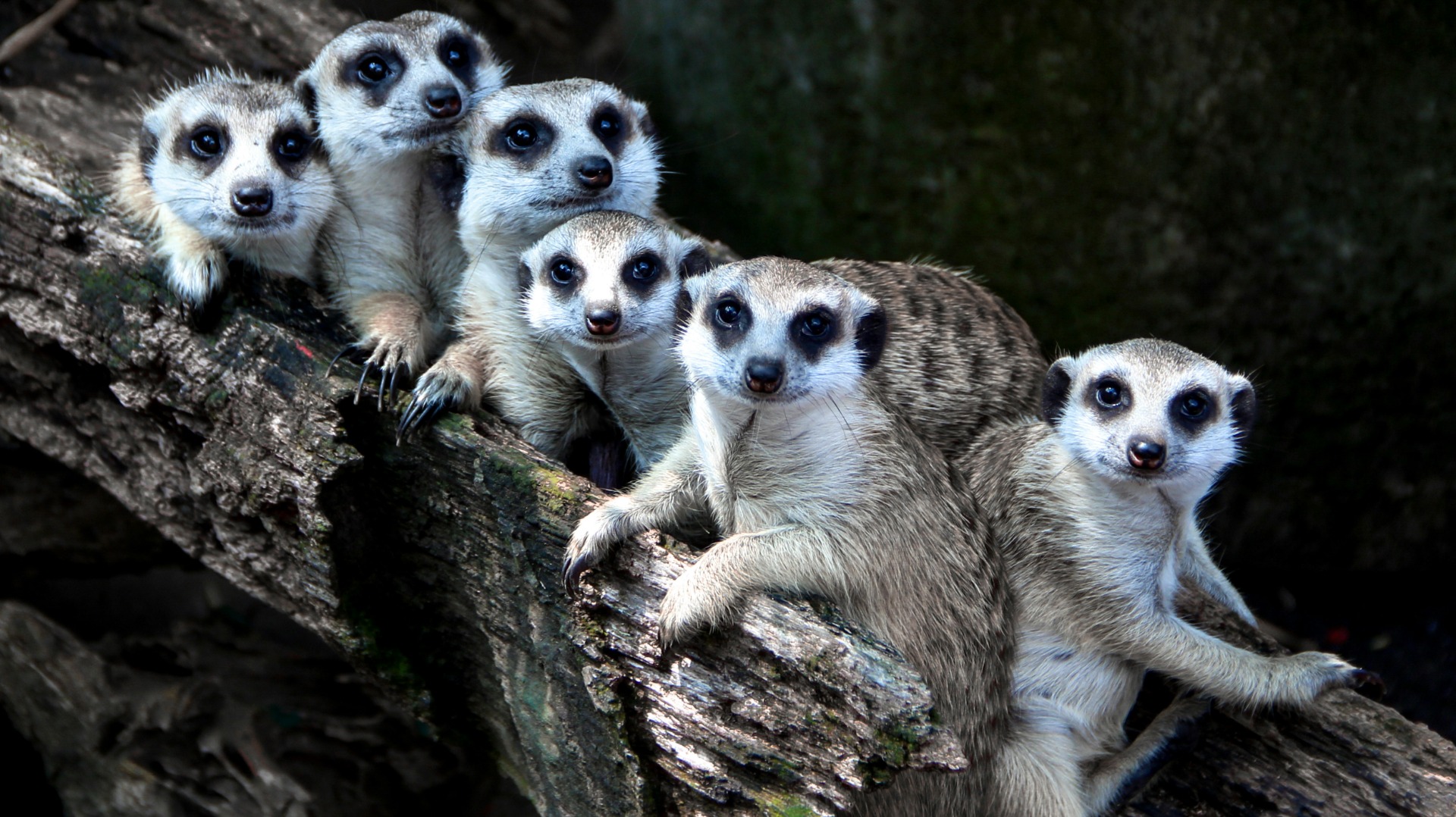
Far below the sun-baked Kalahari, meerkat colonies excavate intricate tunnel networks that channel rainwater, aerate hardpan soil, and create vital refuges for creatures from insects to reptiles. These industrious mammals, often celebrated for their sentinel behaviour and social bonds, quietly function as keystone architects across the African savannah. Their burrows do far more than provide shelter; they reshape water flow, influence plant growth and support an astonishing array of biodiversity in landscapes that can appear unforgiving.
Researchers following meerkat troops in South Africa have uncovered how these underground engineers sustain entire ecosystems. A single colony can move up to three tonnes of soil each year, creating networks that stretch for hundreds of metres. The result is a subtle but profound transformation of the savannah that affects everything from surface hydrology to the survival of countless other species.

Meerkats do not merely inhabit the Kalahari; they redesign it from beneath, turning compacted earth into a living sponge that captures rain and breathes life into arid plains.
The Hidden Architecture Beneath the Surface
Meerkat burrows are marvels of natural engineering. A typical system features a central sleeping chamber lined with soft grasses, multiple entrance holes, and a labyrinth of tunnels that can reach depths of two metres. These structures are not static; colonies maintain and expand them continuously, often inheriting and renovating burrows used by generations before them.
What appears on the surface as modest mounds of excavated soil belies the scale of activity below. Tunnels slope gently to direct water away from living quarters while simultaneously allowing it to percolate slowly into surrounding ground. This dual function prevents flash flooding during sudden downpours and ensures moisture reaches deeper soil layers that would otherwise remain parched.
During the dry season, these networks become cool sanctuaries where temperatures can be up to 15 degrees Celsius lower than the blistering surface. For the meerkats themselves, this offers respite from the relentless Kalahari sun. Yet their generosity extends far beyond their own kind.
Engineering for Water: How Burrows Direct Flow
One of the most remarkable discoveries involves the role of meerkat burrows in managing rainwater across the savannah. Studies conducted between 2018 and 2022 in the Kuruman River Reserve revealed that burrow systems increase local water infiltration rates by nearly 300 percent compared to undisturbed hardpan soil.
When heavy rains arrive, water that might otherwise sheet across the surface and evaporate rapidly instead funnels into burrow entrances. From there it spreads through the tunnel network, slowly seeping into the surrounding earth. This process recharges shallow aquifers and creates pockets of moisture that sustain grasses and shrubs long after the rains have passed.
The effect scales up dramatically when considering colony density. In prime meerkat habitat, researchers have recorded up to 25 active burrow systems per square kilometre. Collectively, these small mammals move enough earth annually to alter drainage patterns across thousands of hectares.
Meerkat Burrows and Savannah Ecosystems: A Keystone Connection
The influence of meerkat burrows on savannah ecosystems extends well beyond water management. By breaking up compacted soils, the animals improve aeration, allowing oxygen to reach plant roots and soil microbes that drive nutrient cycling. This seemingly small action supports a cascade of benefits that ripple through the food web.
Vegetation growing near burrow entrances often displays higher nutritional content, attracting herbivores ranging from steenbok to wildebeest. In turn, these grazers deposit nutrient-rich dung that further enriches the soil, creating fertile micro-patches in otherwise uniform landscapes. The result is a patchwork of biodiversity hotspots that would be far less productive without the meerkats' constant labour.
Perhaps most striking is the way burrow systems function as biodiversity refuges. Abandoned or active tunnels provide shelter for creatures that might otherwise struggle to survive the harsh conditions above ground. From scorpions and beetles to snakes and monitor lizards, dozens of species make use of this subterranean real estate.
In the intricate web of savannah life, meerkats serve as unseen foundation builders whose daily toil supports far more than their own pups and sentinels.
Refuges That Sustain a Hidden World
Walk across a meerkat colony at dawn and the surface seems quiet save for the sentinel's watchful stance. Descend into their world, however, and a different story emerges. Researchers using fibre-optic cameras have documented over 40 vertebrate species and more than 100 invertebrates utilising these burrows.
Ground squirrels frequently share accommodation, while pygmy falcons nest in disused chambers. Even larger predators such as Cape cobras and boomslangs take advantage of the cool, protected environment. For many of these animals, the burrows represent the difference between survival and extinction during periods of extreme heat or drought.
The social structure of meerkat colonies adds another layer of complexity. Dominant pairs maintain primary burrows while subordinate members help with digging, pup care and vigilance. This cooperative behaviour ensures the constant expansion and maintenance of tunnel systems that benefit the wider ecosystem.
What Researchers Have Discovered in the Kalahari
Long-term studies at the Kalahari Meerkat Project, running since 1993, have transformed our understanding of these remarkable animals. What began as behavioural research has expanded into ecological investigations revealing the broader environmental impact of meerkat activity.
Using a combination of GPS tracking, soil moisture sensors and vegetation surveys, scientists have mapped how burrow density correlates with plant diversity and water retention. Data collected over two decades shows that areas with active meerkat populations maintain greener patches during dry periods, supporting more consistent insect populations and, consequently, more birdlife.
One particularly illuminating finding concerns the relationship between burrow age and ecological benefit. New tunnels primarily serve meerkat needs, but as systems mature over five to ten years, they develop complex side chambers and connecting passages that create ideal conditions for other species. The oldest recorded systems, some estimated at over 30 years old, function almost like underground oases.
Measuring the Invisible Impact
Quantifying the contribution of meerkats requires patient, meticulous work. Researchers have installed miniature weather stations and soil probes around burrow entrances to record rainfall patterns, evaporation rates and moisture levels at different depths. The numbers tell a compelling story: burrow-adjacent soils retain water up to six times longer than areas just 20 metres away.
Camera traps positioned at tunnel mouths have captured everything from striped polecats hunting at night to leopard tortoises seeking shade during midday heat. These observations challenge the notion that meerkats compete with other species; instead, they appear to facilitate coexistence in resource-scarce environments.
Climate change adds urgency to this research. As temperatures rise and rainfall patterns become more erratic across southern Africa, the stabilising effect of meerkat burrows may prove increasingly valuable. Early modelling suggests that areas with healthy meerkat populations could show greater resilience to prolonged droughts.
Beyond the Kalahari: Similar Underground Engineers
While meerkats command much attention, they are not the only subterranean architects shaping African landscapes. Similar roles are played by mole rats in Kenya, aardvarks across multiple regions, and various ground squirrels. Each contributes in distinctive ways to soil health and water dynamics.
In the Okavango Delta, termite mounds create elevated islands that support woody vegetation in a wetland environment. These structures, like meerkat burrows, modify local hydrology and create habitat diversity. The parallel is striking: small creatures undertaking monumental work that sustains much larger ecosystems.
Understanding these connections helps conservationists prioritise protection of entire ecological communities rather than single flagship species. When meerkat populations decline due to habitat loss or disease, the effects cascade through the system in ways that may not be immediately obvious.
The true value of meerkats lies not in their entertaining antics but in their quiet, persistent labour that keeps the savannah breathing even in its driest moments.
Visiting Meerkat Country Responsibly
For travellers eager to witness these underground engineers firsthand, several excellent opportunities exist across southern Africa. The Kuruman River Reserve in South Africa's Northern Cape offers some of the most habituated meerkat groups, allowing close but respectful observation of their daily routines.
Early morning visits, when the animals emerge to warm themselves in the first light, provide the best chance to see sentinel behaviour and cooperative pup care. Knowledgeable local guides explain not only meerkat social dynamics but also the wider ecological importance of their burrowing activity.
Combining a meerkat experience with time at distinguished camps such as Malewane Lodge or Duba Plains Camp allows visitors to appreciate the contrast between arid Kalahari environments and the lush waterways of the Okavango Delta. Each landscape tells its own story of adaptation and resilience.
Responsible viewing means maintaining distance from burrow entrances, never feeding the animals, and supporting conservation initiatives that protect both meerkats and their habitats. Many projects welcome visitor contributions that fund continued research into these fascinating ecosystem engineers.
Why These Small Mammals Matter for the Future
As African landscapes face mounting pressures from climate shifts and human activity, recognising the role of species like meerkats becomes increasingly important. Their burrows represent a form of natural infrastructure that enhances ecosystem services worth millions in equivalent engineered solutions.
Current estimates suggest that meerkat activity across the Kalahari alone affects water dynamics over an area larger than some national parks. When multiplied by similar contributions from other burrowing species, the cumulative impact on savannah health is substantial.
Conservation strategies that protect meerkat populations therefore deliver benefits far beyond the animals themselves. By maintaining healthy colonies, we indirectly safeguard soil integrity, plant diversity, and the countless creatures that depend on the hidden world beneath the surface.

Discovering the Architects of the Savannah
The story of meerkat burrows reminds us that the most significant contributions to ecosystem health often come from the least celebrated species. These small, charismatic mammals work tirelessly below ground, creating conditions that allow life to flourish above it in surprising and beautiful ways.
The next time you watch a meerkat sentinel scan the horizon, remember the intricate network of tunnels beneath its feet. Those hidden passages are quietly reshaping water flow, supporting biodiversity, and demonstrating nature's remarkable capacity for self-sustaining design.
For discerning travellers seeking a private safari beyond our set itineraries, we invite you to contact us directly. We specialise in designing exceptional, tailor-made journeys for individuals, couples, families, and private groups of up to eight guests. Drawing on our handpicked network of distinguished camps and lodges, we curate every detail with precision and care, creating a seamless, deeply personal safari experience shaped entirely around your preferences, pace, and budget.
Whether your interests lie in understanding keystone species like meerkats, tracking the Great Migration, or experiencing the dramatic landscapes of South Africa, Encounters Africa crafts journeys that reveal the continent's most compelling stories. Visit our enquiry form to begin planning your own discovery of the African savannah's hidden wonders.
More like this
wildlife
How Night Drives Transform Safari Sightings After Dusk
Wildlife
How Seychelles Wildlife Moments Reshape Your View of Ocean Conservation
Wildlife
How South African Wildlife Aligns Its Day Around Water and Light
wildlife
How South Africa's Karoo Creatures Endure Months Without Rain

Wildlife
How Tanzanian Wildlife Shapes Daily Life in the Serengeti
wildlife