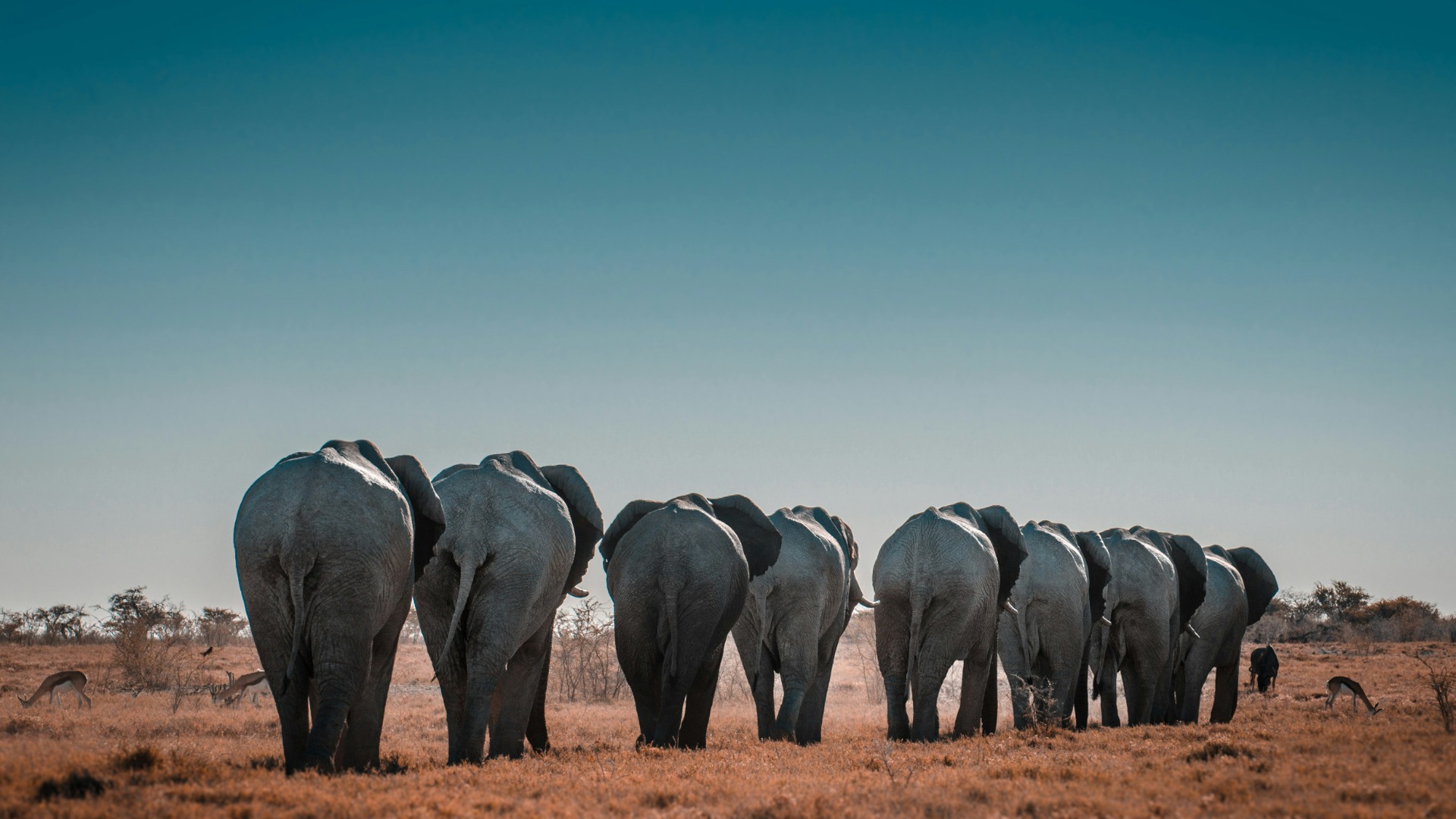
wildlife
How Lake Kariba's Flooding Reshaped Elephant Migration Patterns and Daily Foraging
Encounters Africa - 10 min read
Updated on 24 August 2026
The creation of Lake Kariba in the 1950s stands as one of Africa's most significant environmental transformations, directly reshaping the lives of its largest land mammals. When the Zambezi River was dammed, rising waters submerged more than 5,500 square kilometres of woodland and wildlife corridors, forcing elephants to abandon ancient migration routes while hippos discovered new territories along the expanding shorelines. Today, these changes continue to influence herd dynamics, foraging patterns, and seasonal movements in profound ways that researchers have documented through decades of field observations.
Lake Kariba offers a compelling case study in how large-scale human intervention can alter wildlife behaviour across generations. The reservoir, which spans the border between Zambia and Zimbabwe, now supports some of the continent's densest concentrations of elephants and hippos. This article explores the specific adaptations these giants have made, drawing on scientific studies and guide insights to reveal a story of resilience amid dramatic landscape change.

The Flooding of a Valley and Its Immediate Impact on Wildlife
Between 1958 and 1963, the construction of the Kariba Dam created the world's largest artificial lake by volume. The rising waters inundated the fertile valley floor, home to vast mopane and acacia woodlands that had sustained elephant herds for centuries. As their traditional feeding grounds disappeared beneath the flood, elephants faced an immediate crisis that would fundamentally alter their seasonal movements.
Hippos, by contrast, initially benefited from the transformation. The new shoreline and submerged vegetation provided abundant grazing opportunities, allowing populations to expand rapidly in the decades following inundation. Field records from the 1970s show hippo numbers in certain sectors increasing by as much as 40 percent within 15 years of the dam's completion.
The submersion of thousands of square kilometres of woodland didn't simply displace animals; it rewrote the rules of survival for entire generations of elephants and hippos, creating new patterns that persist more than six decades later.
Early observations documented elephants crossing newly formed islands and peninsulas in search of remaining dry-season forage. Many traditional migration paths that once followed the Zambezi's natural flood cycle were severed, compelling herds to seek alternative routes through higher ground or along the lake's perimeter. These adjustments came at considerable energetic cost, particularly for breeding females and young calves.
How Lake Kariba Reshaped Elephant Migration Patterns
Elephants in the Lake Kariba region once followed predictable seasonal migrations between the riverine woodlands and upland mopane forests. The flooding disrupted these ancient pathways, forcing herds to develop new strategies that balance the need for water with access to sufficient browse. Long-term GPS collar studies conducted between 2005 and 2018 revealed that many family groups now undertake shorter but more frequent movements along the lake's fluctuating shoreline.
The creation of Zambia's lakeside habitats has led to increased concentrations of elephants during the dry season. Where once herds might have travelled 40 to 60 kilometres between water sources, many now remain within 15 kilometres of the lake for extended periods. This compression of range has intensified competition for resources and altered social dynamics within herds.
Researchers have noted distinct changes in bull behaviour, with mature males spending more time in bachelor groups along the lake edge. These bulls exploit the nutrient-rich aquatic vegetation that became available after flooding, supplementing their diet with water lilies and submerged grasses that were previously inaccessible. The shift has influenced musth cycles and mating opportunities, as bulls remain closer to female herds for longer periods.
By adapting their movements to the lake's seasonal rhythms, elephants have demonstrated remarkable behavioural flexibility, though the long-term consequences for genetic diversity and population health continue to be studied by conservation teams working in the region.
Changes in Daily Foraging Strategies
The loss of extensive woodlands has compelled elephants to become more opportunistic foragers. Where they once stripped bark from mature trees in a sustainable rotation, many herds now focus heavily on regenerating shrublands and agricultural areas bordering the lake. Crop raiding has become more prevalent, creating occasional conflict with lakeside communities that requires careful management.
During the wet season, elephants take advantage of the lake's rising waters to access fresh growth on newly inundated islands. Observers have documented groups swimming distances of up to 800 metres to reach these temporary feeding grounds, showcasing physical adaptations that may have been less frequently employed before the dam's construction.
Hippo Territory Expansion Along New Shorelines
Hippos responded to the formation of Lake Kariba with rapid territorial expansion. The extensive new shoreline created countless shallow bays and inlets ideal for daytime resting, allowing pods to establish territories in areas that were once dry savanna. Population surveys conducted in the early 2000s estimated that the lake supported approximately 4,000 to 5,000 hippos, representing one of the largest single concentrations on the continent.
The daily foraging range of hippos has also changed significantly. Instead of making long nocturnal excursions into the bush, many groups now feed primarily along the grassy margins of the lake. This reduction in travel distance has decreased energy expenditure but increased grazing pressure on specific shoreline vegetation communities.
Interestingly, the presence of permanent deep water has allowed hippos to maintain larger pod sizes year-round. Before the dam, seasonal drying of the Zambezi would force groups to disperse; the stable lake environment now supports more complex social structures with dominant males defending larger territories.
Interactions Between Elephants and Hippos at Shared Water Sources
The concentration of both species around Lake Kariba has led to increased interactions at key access points. During the dry season, when water levels drop, elephants and hippos frequently share narrow shoreline corridors. Guides report that while the two species generally tolerate one another, tensions can arise over prime drinking spots or favoured grazing patches.
Elephants have been observed using their superior size to displace hippos from certain areas, particularly at night when both species are active. However, hippos maintain dominance in deeper water, where their agility and powerful jaws give them clear advantage. These interactions have contributed to a complex mosaic of shared and exclusive use zones along the 2,000-kilometre shoreline.
Current Field Observations and Long-term Studies
Modern research combining GPS tracking, camera traps, and direct observation has provided detailed insights into how Lake Kariba continues to shape elephant and hippo behaviour. A 15-year study by the Zambezi Elephant Fund documented how family groups have established semi-permanent home ranges that follow the lake's contours rather than traditional river corridors.
Climate data integrated with movement records shows that elephants now time their movements more closely with the lake's annual water level fluctuations, which can vary by as much as 8 metres between wet and dry seasons. This precise calibration represents a significant departure from the broader regional patterns observed in unaffected areas of the Zambezi basin.
Hippo studies using underwater acoustic monitoring have revealed changes in vocal communication patterns. With larger and more stable pods, the frequency and complexity of territorial calls appear to have increased, suggesting adaptations to the new social environment created by the lake's formation.
More than sixty years after the floodwaters rose, the elephants and hippos of Lake Kariba continue to demonstrate how wildlife can adapt to profound environmental change, offering valuable lessons for conservation across the continent.
What This Means for Safari Experiences at Lake Kariba
For travellers seeking to witness these remarkable behavioural adaptations, Lake Kariba presents unique viewing opportunities. The concentration of animals along the shoreline allows for extended observation periods from both land and water-based activities. Houseboat safaris offer a particularly intimate perspective, enabling guests to watch elephants swimming between islands and hippos emerging at dusk to graze.
The best time to visit for observing these patterns is during the late dry season (September to November), when water levels are at their lowest and animals concentrate around accessible shorelines. During this period, the probability of witnessing swimming elephants increases significantly compared to other times of year.
Responsible operators in the region work closely with local conservation initiatives to ensure that increased visitor interest supports rather than disrupts these delicate behavioural patterns. Chiawa Safaris and similar camps have pioneered low-impact approaches that prioritise long-term monitoring and community benefits.
Conservation Challenges and Community Involvement
The transformation of the landscape around Lake Kariba has created ongoing conservation challenges, particularly regarding human-wildlife conflict. As elephants have adapted to include more crop-raiding in their foraging strategies, local communities have developed innovative deterrents and compensation schemes that deserve wider recognition.
Organisations working in the area have successfully integrated traditional knowledge with modern tracking techniques to better understand and mitigate conflict. These efforts demonstrate how understanding historical behavioural changes can inform more effective contemporary conservation strategies.
Frequently Asked Questions About Lake Kariba's Wildlife
How did the creation of Lake Kariba specifically change elephant migration?
The flooding submerged traditional migration corridors, forcing elephants to develop new routes along the lake perimeter and to higher ground. GPS studies show average daily movement distances have decreased by approximately 30 percent, with herds now following the lake's seasonal water fluctuations more closely than the broader Zambezi flood cycle.
Have hippo populations increased because of the dam?
Yes. The expanded shoreline and permanent water allowed hippo numbers to grow substantially in the decades after construction. Current estimates suggest the lake supports several thousand individuals, with larger average pod sizes than were recorded in the pre-dam river system.
Can visitors see elephants swimming in Lake Kariba?
During the dry season, particularly from September to early November, elephants regularly swim between islands and the mainland. This behaviour, which became more common after the flooding created these temporary feeding grounds, offers one of the most memorable wildlife spectacles in Southern Africa.

Planning Your Lake Kariba Wildlife Experience
The story of Lake Kariba's elephants and hippos reminds us that Africa's wildlife has always demonstrated remarkable adaptability. Understanding these behavioural shifts not only enriches the safari experience but also informs how we approach conservation in an increasingly modified landscape. The giants of Kariba have much to teach us about resilience, change, and the complex relationship between humans and the natural world.
For discerning travellers seeking a private safari beyond our set itineraries, we invite you to contact us directly. We specialise in designing exceptional, tailor-made journeys for individuals, couples, families, and private groups of up to eight guests. Drawing on our handpicked network of distinguished camps and lodges, we curate every detail with precision and care, creating a seamless, deeply personal safari experience shaped entirely around your preferences, pace, and budget.
Whether you wish to spend extended time observing elephant family dynamics from a houseboat or tracking hippo movements through the quieter bays, Encounters Africa can craft an itinerary that brings you closer to these fascinating behavioural stories. Our Zambia safari collection features several distinguished properties around Lake Kariba that work directly with ongoing research and monitoring programmes.
Reach out today to begin planning your journey into this remarkable chapter of African conservation history.
More like this
wildlife
How Meerkat Burrows Quietly Reshape Water Flow Across the African Savannah
wildlife
How Night Drives Transform Safari Sightings After Dusk
Wildlife
How Seychelles Wildlife Moments Reshape Your View of Ocean Conservation
Wildlife
How South African Wildlife Aligns Its Day Around Water and Light
wildlife
How South Africa's Karoo Creatures Endure Months Without Rain

Wildlife