Wildlife
How Seychelles Wildlife Moments Reshape Your View of Ocean Conservation
Encounters Africa - 10 min read
Updated on 24 June 2026
Marine wildlife in the Seychelles offers travellers a profound window into the intricate dance between land and sea ecosystems. A single dive at Cousin Island can reveal eagle rays gliding past, followed by a forest walk where endemic birds call overhead. Such Seychelles wildlife moments demonstrate how island ecosystems balance land and sea conservation.
These encounters do more than provide fleeting thrills. They quietly reshape how we understand ocean conservation, revealing the tangible results of decades of dedicated protection across this Indian Ocean archipelago. With 115 islands scattered across vast turquoise waters, the Seychelles supports an astonishing array of species that have become ambassadors for marine recovery worldwide.
The Unique Marine Ecosystems of the Seychelles
The Seychelles stands apart in the Indian Ocean thanks to its remarkable blend of granite and coralline islands. Granite outcrops create dramatic underwater landscapes where massive boulders form caves and swim-throughs, while coral atolls fringe outer islands with vibrant reefs. This geological diversity supports over 900 species of fish and more than 150 species of coral.
Marine wildlife in the Seychelles thrives within a network of protected areas covering nearly half the country's waters. The designation of vast marine protected areas in 2020 expanded safeguarded zones to 410,000 square kilometres, creating one of the largest such networks in the western Indian Ocean. These measures have allowed fish stocks to rebound dramatically in many locations.
The quiet presence of a hawksbill turtle returning to nest on the same beach where it hatched decades earlier carries more persuasive power than any scientific paper on marine recovery.
From shallow lagoons teeming with juvenile reef fish to deep drop-offs where pelagic species cruise, each environment tells its own story of resilience. Travellers who spend time both above and below the water begin to appreciate how terrestrial conservation directly supports marine health, and vice versa.
Key Protected Marine Areas Worth Exploring
St Anne Marine National Park, established in 1973 as the first marine national park in the western Indian Ocean, remains a cornerstone of Seychelles conservation. Its six islands protect 14 square kilometres of sea, where snorkellers regularly encounter parrotfish, butterflyfish and the occasional nurse shark.
Further afield, the Aldabra Atoll UNESCO World Heritage Site represents one of the most pristine coral ecosystems on earth. This raised atoll, which emerged from the sea approximately 125,000 years ago, supports giant tortoises alongside vibrant reefs where grey reef sharks patrol with quiet authority. Access remains deliberately limited to preserve its remarkable biodiversity.
The Cousin Island Special Reserve combines terrestrial and marine protection in a model that has inspired conservationists globally. Since rats and cats were eradicated in the 1970s, nesting seabird populations have increased tenfold, while surrounding waters benefit from the nutrient-rich guano that washes from the island.

Iconic Species Defining Seychelles Wildlife Moments
Marine wildlife in the Seychelles reveals itself through patient observation rather than dramatic chase. The graceful flight of manta rays filtering plankton near Silhouette Island creates moments of pure wonder that linger long after the encounter ends. These gentle giants, with wingspans reaching five metres, frequent specific cleaning stations where wrasse remove parasites from their bodies.
Hawksbill and green turtles represent two of the most emotionally charged encounters available to travellers. Between October and February, female hawksbills haul themselves onto beaches at night to lay their eggs, a process that has continued largely unchanged for 100 million years. Witnessing this ancient ritual under starlit skies often becomes the defining memory of a Seychelles journey.
Marine wildlife in the Seychelles carries a particular intimacy. The warm, clear waters allow for extended, unhurried observation that reveals individual personalities even among creatures we might otherwise consider distant.
Birdlife provides an equally compelling dimension to these experiences. The Seychelles magpie-robin, once reduced to just 16 individuals in the 1960s, now numbers over 500 thanks to intensive conservation work. Watching these charismatic birds forage in beach forests while whale sharks cruise offshore creates powerful connections between terrestrial and marine conservation narratives.
Endemic Treasures Found Nowhere Else
The Seychelles white-eye, Seychelles warbler and Seychelles paradise flycatcher represent remarkable avian success stories. Each species faced near-extinction before dedicated recovery programmes restored viable populations. Their continued existence demonstrates how focused conservation can reverse seemingly inevitable declines.
Among marine species, the coelacanth's discovery in 1938 off the Comoros Islands sparked global scientific interest, but specimens have since been found in Seychelles waters too. This living fossil, thought extinct for 66 million years, reminds us how little we still understand about deep ocean environments surrounding these islands.
How Seychelles Wildlife Moments Transform Perspectives
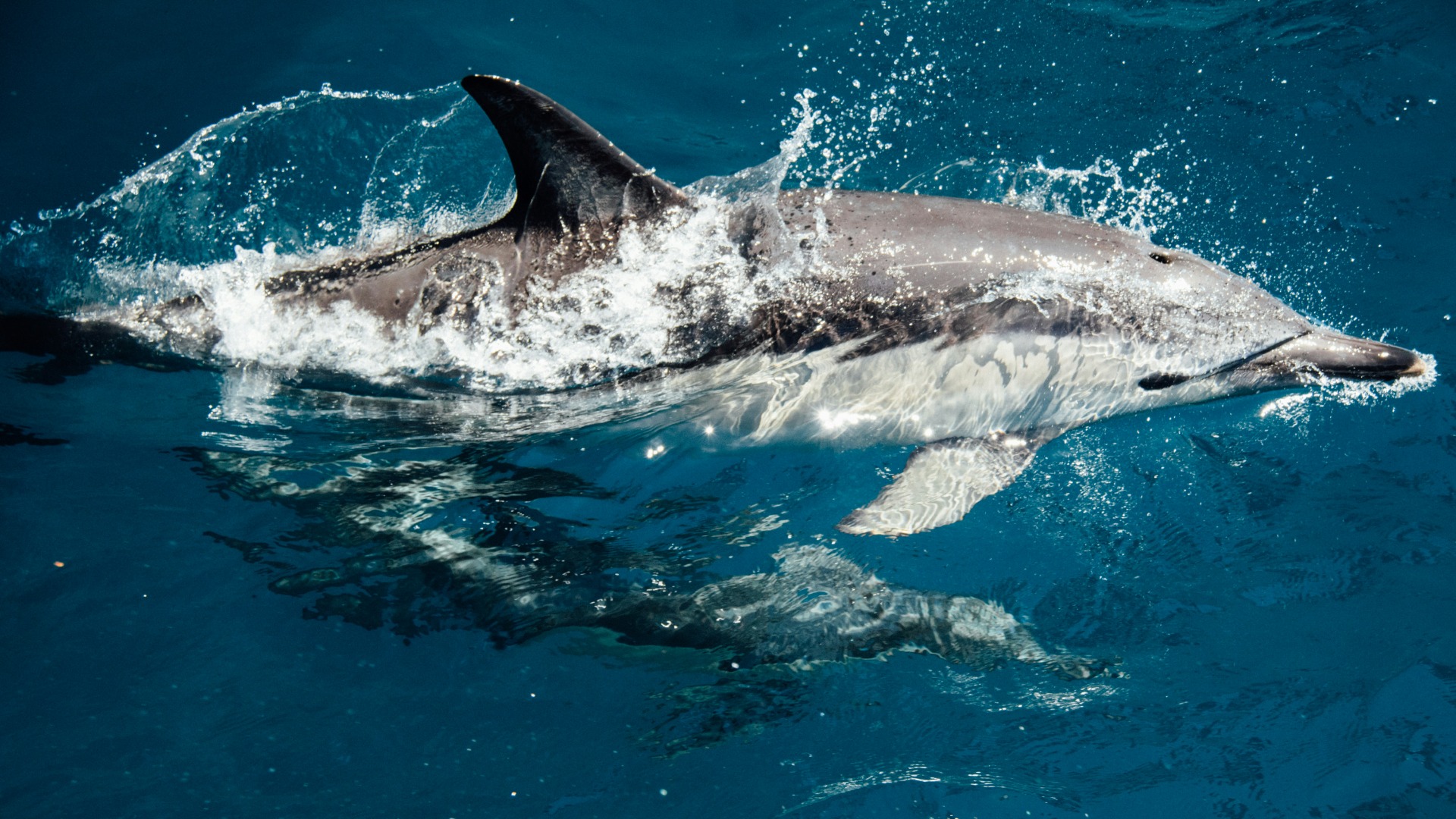
Seychelles wildlife moments possess a particular power to reframe our relationship with the natural world. When a pod of spinner dolphins suddenly appears during a boat transfer, their effortless grace and obvious joy often prompt travellers to reconsider their own environmental footprint upon returning home.
These encounters work on multiple levels. The immediate sensory experience of warm water, vibrant colour and unexpected proximity to wild creatures creates emotional connections that data alone cannot achieve. Later reflection frequently leads to changed consumer choices, travel decisions and even career paths among those deeply moved by what they have witnessed.
Encounters Africa regularly observes how clients return from Seychelles journeys with renewed commitment to ocean conservation. The tangible evidence of successful protection efforts, visible in healthy reefs and recovering species populations, offers something increasingly rare in our world: genuine hope backed by observable results.
The Psychological Impact of Authentic Wildlife Encounters
Research conducted by the University of Seychelles has documented measurable increases in environmental awareness and pro-conservation behaviour following immersive wildlife experiences. Participants showed particular shifts in attitude when they could directly observe the benefits of marine protected areas compared to unprotected sites.
The physical memory of floating above a healthy reef, watching thousands of fish move in perfect synchronisation, creates a personal stake in ocean health that abstract statistics rarely achieve. This transformation represents one of the most valuable outcomes of carefully designed conservation travel.
Conservation Success Stories in the Seychelles
The recovery of the Seychelles magpie-robin stands as one of conservation's greatest achievements. From a population of just 16 birds confined to one island in 1965, the species now flourishes across multiple islands thanks to habitat restoration, supplementary feeding and meticulous population management.
Marine protection has yielded equally impressive results. Fish biomass inside no-take zones has increased by up to 300 percent in some areas, according to long-term monitoring by the Seychelles National Parks Authority. These healthy populations then spill over into adjacent waters, supporting both conservation goals and sustainable fishing livelihoods.
What distinguishes Seychelles conservation is its quiet effectiveness. Without fanfare, decades of patient work have produced measurable recovery across multiple species and ecosystems, offering a model for island nations worldwide.
The Seychelles Islands Foundation manages both Aldabra and Cousin with remarkable success. Their scientific research programmes have contributed substantially to global understanding of seabird ecology, turtle navigation and coral reef resilience in the face of climate change.
Community Involvement in Marine Protection
Local communities play an increasingly central role in Seychelles conservation efforts. Former fishermen have transitioned into roles as marine rangers, eco-guides and monitoring technicians, bringing intimate knowledge of local waters to protection initiatives.
Education programmes in schools emphasise the connection between healthy marine environments and economic wellbeing. Children who grow up learning to identify reef fish and understanding turtle nesting cycles become powerful advocates for continued protection as adults.

Practical Information for Experiencing Seychelles Wildlife Moments
The best time to witness marine wildlife in the Seychelles depends on what you hope to experience. Between October and April, calmer seas and warmer water temperatures create ideal conditions for diving and snorkelling, while the period from May to September brings stronger winds but excellent visibility for pelagic sightings.
Turtle nesting occurs primarily between October and February, with peak activity usually in December and January. Whale shark aggregations near certain islands are most reliable between August and November, though individuals can be spotted year-round.
Responsible operators ensure that wildlife encounters cause minimal disturbance. This means maintaining appropriate distances from turtles during nesting, never touching marine life, and following strict guidelines when swimming with whale sharks or manta rays.
Choosing the Right Experience for Your Interests
Travellers seeking comprehensive understanding should combine land-based nature walks with marine activities. A morning forest walk on Aride Island followed by an afternoon snorkel at nearby reefs illustrates the interconnectedness of Seychelles ecosystems particularly well.
For those with specific interests, specialised guides can focus on particular species or ecological processes. Bird enthusiasts might prioritise visits to seabird colonies during breeding season, while underwater photographers often target specific reef sites known for their dramatic topography and marine life.
The most meaningful Seychelles wildlife moments often occur in unexpected places and at unpredictable times. Staying present and curious, rather than chasing particular species, typically yields the richest experiences.
The Future of Marine Wildlife in the Seychelles
Climate change presents the most significant long-term challenge to Seychelles ecosystems. Rising sea temperatures have caused coral bleaching events, though many reefs have shown remarkable capacity for recovery between episodes. Scientists continue monitoring these patterns to understand resilience factors.
Sea level rise threatens low-lying coralline islands, while ocean acidification affects shell-forming organisms throughout the food chain. The Seychelles government has committed to ambitious carbon reduction targets and continues expanding marine protection as part of its climate adaptation strategy.
Despite these challenges, the progress achieved over recent decades provides genuine cause for optimism. Species recoveries that once seemed impossible have become reality through sustained effort, international collaboration and local commitment.
Why Choose Encounters Africa for Your Seychelles Journey
For discerning travellers seeking a private safari beyond our set itineraries, we invite you to contact us directly. We specialise in designing exceptional, tailor-made journeys for individuals, couples, families, and private groups of up to eight guests. Drawing on our handpicked network of distinguished camps and lodges, we curate every detail with precision and care, creating a seamless, deeply personal safari experience shaped entirely around your preferences, pace, and budget.
Our deep understanding of Seychelles marine ecosystems allows us to craft experiences that balance wonder with respect. Whether you seek to witness turtle nesting under moonlight, swim alongside gentle whale sharks, or simply absorb the profound peace of these ancient islands, we ensure your journey leaves both you and the environment enriched.
Conclusion
Marine wildlife in the Seychelles offers far more than beautiful photographs or memorable holidays. These encounters invite us to reconsider our place within complex natural systems and recognise our capacity to support their recovery. The Seychelles demonstrates that thoughtful, sustained conservation can yield remarkable results even in our rapidly changing world.
Each Seychelles wildlife moment contributes to a larger narrative of hope and possibility. As travellers, we have the privilege of witnessing this recovery while learning how our choices back home can support similar efforts globally. The warm waters and vibrant reefs of the Seychelles await those ready to have their perspectives transformed.
For those looking for a private safari beyond our set itineraries, we would be delighted to hear from you directly. We specialise in creating beautifully tailored journeys for solo travellers, couples, families, and private groups of up to eight guests. Through our trusted network of carefully selected camps and lodges, we craft each safari around your individual interests, preferred pace, and budget, ensuring a seamless and deeply personal experience from beginning to end. Please visit our enquiry form to begin planning your transformative Seychelles adventure with Encounters Africa. We also recommend reading our recent article on why South African wildlife moments create lasting connections and exploring our Seychelles safari collection for further inspiration.
More like this
Wildlife
How South African Wildlife Aligns Its Day Around Water and Light
wildlife
How South Africa's Karoo Creatures Endure Months Without Rain

Wildlife
How Tanzanian Wildlife Shapes Daily Life in the Serengeti
wildlife
How the Zambezi's Seasonal Floods Shape Wildlife Behavior Near Victoria Falls
Wildlife
How to Read Botswana’s Wildlife Signs Before the Animals Appear
Wildlife