Wildlife
How South African Wildlife Aligns Its Day Around Water and Light
Encounters Africa - 9 min read
Updated on 29 July 2026
The daily rhythms for wildlife in South Africa are shaped by the interplay of water sources and shifting light. From the first pale glow on the horizon to the deep shadows of dusk, animals across reserves like the Sabi Sand and Kruger National Park organise their lives around temperature, hydration and visibility. Understanding these patterns transforms any safari into a window onto a finely tuned natural clock.
A typical day on safari reveals how South African wildlife aligns its movements with the availability of water and the changing quality of light. Lions often hunt at dawn when the air is cool and prey is less alert, while elephants converge on waterholes during the hottest hours. These behaviours are not random; they reflect millennia of adaptation to the rhythms of sun and seasonal rainfall. Encounters Africa has observed these patterns across hundreds of journeys, helping travellers anticipate and appreciate the quiet drama unfolding each day.
The Importance of Water in Daily Wildlife Routines
Water dictates the pulse of life across South African landscapes more than any other resource. In the dry season, which runs from May to October, animals may travel several kilometres between favoured pans and rivers. During the wet months from November to April, temporary pools appear, spreading wildlife more evenly and allowing rarer sightings in areas that are usually arid.
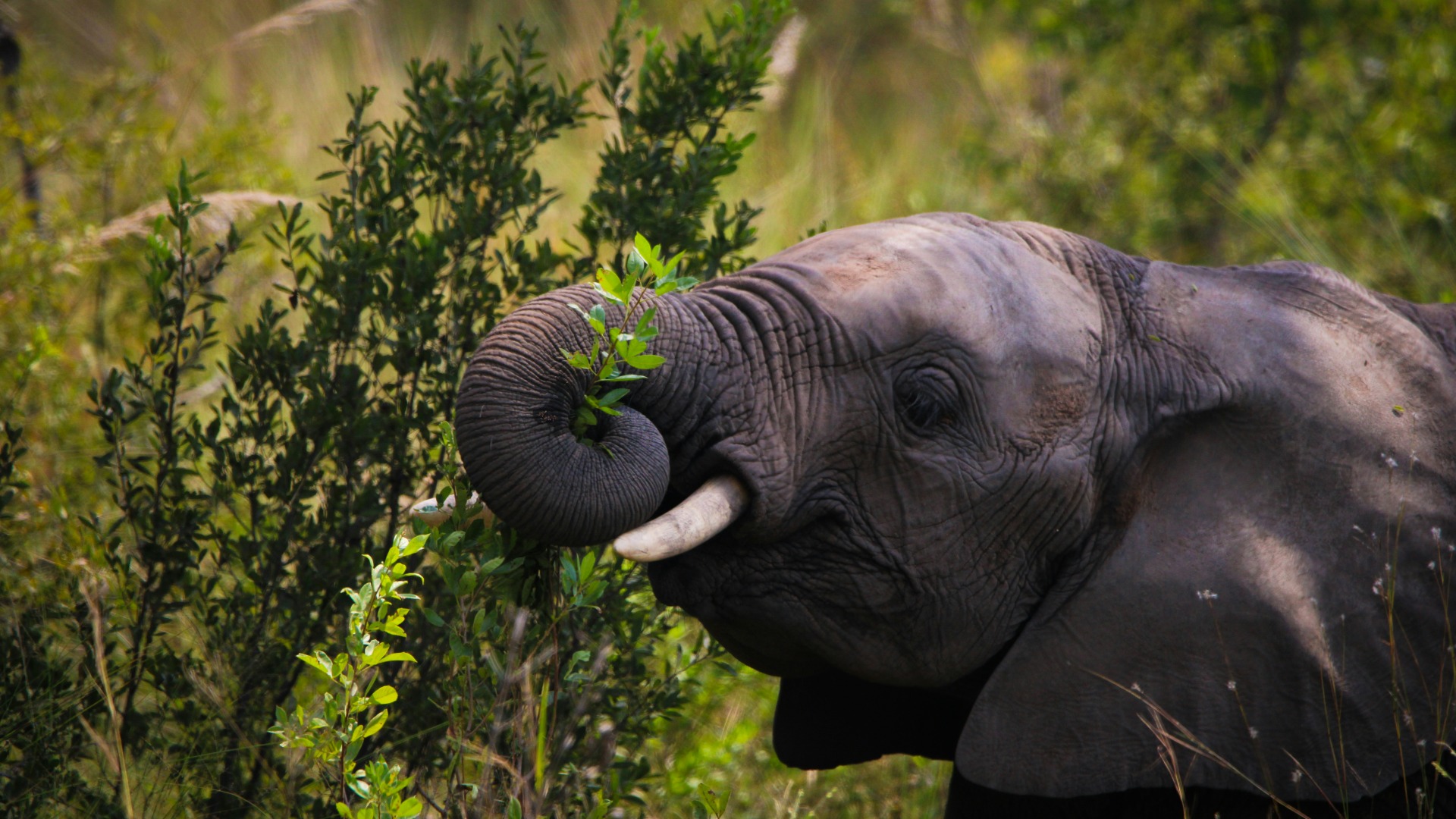
Elephants, the ecosystem engineers, visit water at least twice daily. Their massive bodies lose up to 50 litres of moisture through respiration and evaporation, making reliable sources essential. Herds often arrive at midday when temperatures peak, using their trunks to spray cooling water over one another in a spectacle that draws every other species within earshot.
The quiet moments at a waterhole can reveal more about the hierarchy of the bush than any high-speed chase.
Predators position themselves near water during the heat of the day, conserving energy while waiting for prey to come to them. Buffalo and zebra approach cautiously, often in large groups for safety, their movements creating audible ripples that travel far across the still air.

Dawn: First Light and the Hunters’ Hour
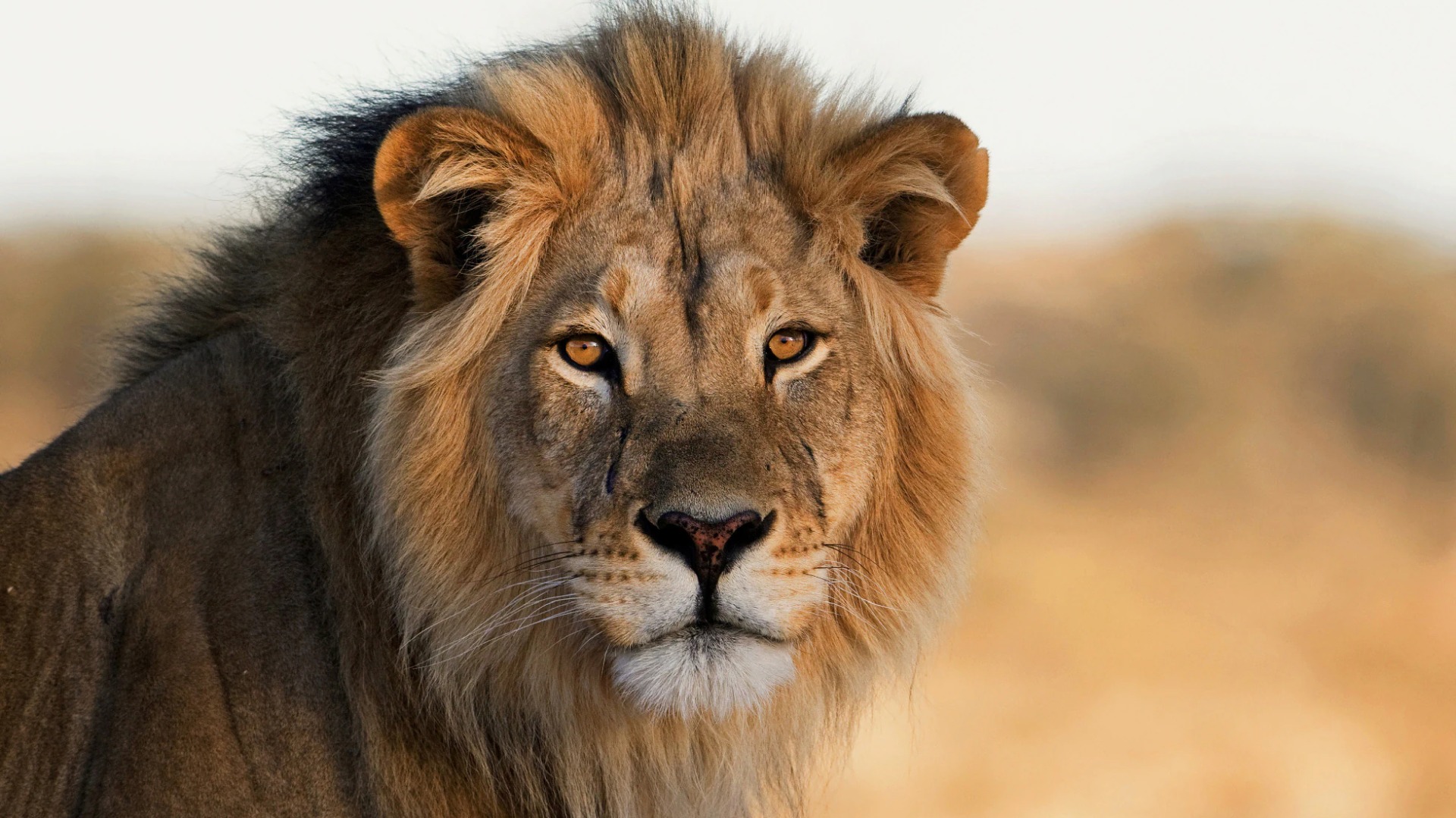
As the sky lightens in the east, the bush comes alive with purposeful movement. Lions in South Africa are most active in the two hours after sunrise, using the soft, low-angle light to mask their approach. Their tawny coats blend with the golden grasses, and the cooler temperatures allow them to cover ground without overheating.
Hyenas return to dens after nocturnal patrols, while leopards melt into thickets with whatever remains of their night’s kill. Birdlife explodes into sound, with hornbills, francolins and barbets announcing the new day. This is when experienced rangers scan for fresh tracks that reveal which animals passed during darkness.
Many herbivores take advantage of this safer window to graze. Impala and kudu feed actively before the sun climbs higher and predators become less visible. The quality of light at this hour is extraordinary for observation, with long shadows and warm tones that make every detail stand out.
Anticipating Behaviour at First Light
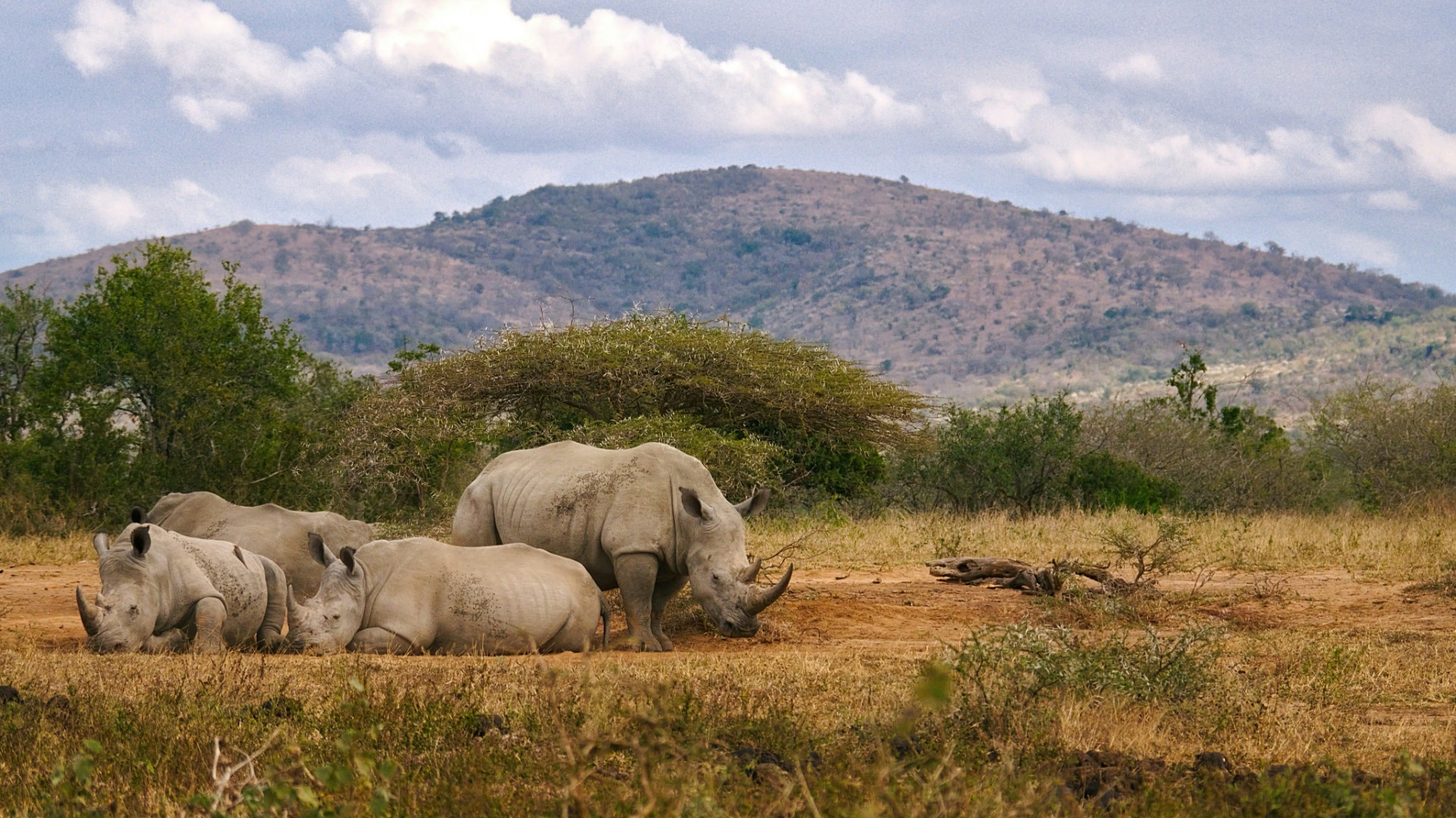
Guides at lodges such as Dulini Leadwood know that certain waterholes attract specific species at dawn. White rhino often drink in the half-light, their poor eyesight compensated by acute hearing and smell. Observing these patterns allows travellers to be in position before the animals arrive.
Mid-Morning to Midday: Seeking Shade and Water
By late morning the temperature rises sharply, and most animals shift from active movement to rest or hydration. This period reveals some of the most memorable gatherings at water sources. Elephants dominate the larger pans, but smaller species wait their turn in the surrounding bushes, creating a natural theatre of patience and hierarchy.
Zebras and wildebeest often drink together, benefiting from collective vigilance. Giraffes spread their front legs wide in an awkward but necessary stance to reach the water, remaining vulnerable for only a few seconds at a time. The play of light on wet hides and the reflections in still pools create scenes of remarkable beauty.
In the heat of the day the bush seems to pause, yet beneath the surface a complex social drama continues at every water source.
Predators use this time for digestion and sleep. Lion prides sprawl in the shade of acacia trees or rocky outcrops, their bodies rising and falling in unison. Only the flick of an ear or the twitch of a tail reveals they are not statues. This apparent inactivity is strategic; they are storing energy for the next hunt.
The Role of Light in Midday Observations
The harsh overhead sun creates strong contrasts that can make photography challenging yet rewarding. Skilled observers learn to look for subtle movements in the shade, where the temperature can be several degrees cooler. The angle of light also affects how animals position themselves, often facing away from the glare.
Afternoon: The Slow Build Towards Activity
As the sun begins its descent, the bush stirs again. Temperatures drop and the quality of light softens, encouraging movement. This is when many species return to water for a second drink before the night ahead. Hippos emerge from rivers and pools where they have spent the daylight hours submerged, their pinkish skin glistening in the golden light.
Birds become more active, with rollers and bee-eaters hunting from prominent perches. Smaller antelope move cautiously through the dappled shade. The changing angle of sunlight reveals textures and colours that were washed out at midday, creating perfect conditions for detailed observation.
At lodges like Malewane Lodge in the Thornybush Private Nature Reserve, afternoon drives often coincide with the first signs of predatory intent. The lions that slept through the heat begin to stretch and greet one another, their low grunts carrying across the savannah.
Dusk and After Dark: The Night Shift
The final hour of daylight brings a different energy to the landscape. Nocturnal species begin to stir while diurnal animals seek safe places to rest. This transition period is rich with possibility as the boundary between day and night blurs.
Leopards become more visible as they move towards favoured hunting grounds. Their spotted coats catch the last rays of sun, creating fleeting moments of breathtaking beauty. Owls and nightjars replace the daytime chorus, their calls adding another layer to the sensory experience of a South African safari.
After true darkness falls, the rhythms continue but become harder to observe without specialist equipment. Many lodges offer night drives with infrared lights that allow guests to witness the secret lives of porcupines, civets and the occasional aardvark without disturbing their natural behaviour.
The hours after sunset reveal a parallel world where different rules apply and different players take centre stage.
How Seasonal Changes Affect These Daily Patterns
The daily rhythms described above shift noticeably between wet and dry seasons. In the dry months, water sources become focal points where large numbers of animals congregate predictably. This concentration makes sightings more reliable but can increase competition and stress within herds.
During the wet season, the abundance of water allows animals to spread out, following fresh grazing. Birth peaks often coincide with the arrival of new grass, creating a landscape filled with vulnerable young that in turn influences predator behaviour. Understanding these broader seasonal patterns helps travellers choose the right time for their safari based on specific interests.
Recent studies from Kruger National Park show that elephants adjust their drinking times by up to two hours depending on temperature and rainfall. Similar adaptations have been recorded in lions, whose hunting success rates improve by nearly 20 percent during cooler periods. These statistics highlight how finely tuned the natural systems truly are.

Common Questions About South African Wildlife Daily Rhythms
When is the best time to visit South Africa to observe natural wildlife behaviour? The dry season from May to October generally offers more predictable sightings around water sources, while the wet season from November to April provides lush landscapes and excellent game viewing for birds and newborn animals. The choice depends on what you most wish to experience.
Do animals change their routines when vehicles are present? Research indicates that most species in well-regulated reserves quickly habituate to safari vehicles, treating them as neutral parts of the landscape. Professional guides maintain respectful distances and avoid crowding, allowing natural behaviours to continue uninterrupted.
How can I maximise my chances of seeing specific behaviours? Working with an experienced operator like Encounters Africa, who understands local conditions, allows for strategic timing of game drives. Early morning and late afternoon excursions consistently yield the most active wildlife viewing across South African reserves.
Conservation Implications of Understanding Daily Rhythms
Recognising these natural patterns has become increasingly important for conservation efforts. Anti-poaching teams use knowledge of watering times to position patrols effectively, while habitat management programmes consider the impact of artificial water points on traditional movement patterns.
Climate change is already altering some of these rhythms. Rising temperatures have pushed certain species to drink earlier or later in the day, while changing rainfall patterns affect the reliability of natural water sources. Long-term studies in South Africa are tracking these shifts to inform adaptive management strategies.
Responsible safari operators contribute to this understanding by recording observations and sharing data with researchers. Every journey becomes part of a larger picture that helps protect these remarkable ecosystems for future generations.
Planning Your Safari Around Natural Rhythms
Appreciating how South African wildlife aligns its day around water and light adds profound depth to any safari experience. Rather than simply ticking off species, travellers begin to read the landscape like a living document, understanding the why behind each sighting.
Encounters Africa specialises in curating journeys that follow these natural rhythms rather than imposing artificial schedules. Our guides and partners have spent decades observing and documenting the daily lives of the animals in their care, allowing us to position our guests at the right place at the right time with minimal disturbance.
For discerning travellers seeking a private safari beyond our set itineraries, we invite you to contact us directly. We specialise in designing exceptional, tailor-made journeys for individuals, couples, families, and private groups of up to eight guests. Drawing on our handpicked network of distinguished camps and lodges, we curate every detail with precision and care, creating a seamless, deeply personal safari experience shaped entirely around your preferences, pace, and budget.
Whether you wish to witness the silent power of a lion hunt at first light or simply sit quietly at a waterhole as the day unfolds around you, we can create the perfect journey. The bush operates on its own schedule. The most rewarding safaris are those that learn to move in harmony with it.
More like this
wildlife
How South Africa's Karoo Creatures Endure Months Without Rain

Wildlife
How Tanzanian Wildlife Shapes Daily Life in the Serengeti
wildlife
How the Zambezi's Seasonal Floods Shape Wildlife Behavior Near Victoria Falls
Wildlife
How to Read Botswana’s Wildlife Signs Before the Animals Appear
Wildlife
How to Spot South African Wildlife in Kruger Without Disturbing the Herds
wildlife