wildlife
How South Africa's Karoo Creatures Endure Months Without Rain
Encounters Africa - 9 min read
Updated on 24 August 2026
In the heart of South Africa, the Karoo stretches across more than 400,000 square kilometres of semi-arid scrubland where annual rainfall often dips below 250 millimetres. Here, wildlife has mastered the art of enduring months without measurable rain. From springbok that extract moisture from sparse shrubs to lizards that channel night-time condensation, discover the precise physiological tricks enabling mammals, birds and reptiles to thrive in South Africa's vast, water-scarce Karoo interior.
These survival strategies reveal an ecosystem finely tuned to extreme variability. Temperatures swing from freezing winter nights to scorching summer days above 40°C, yet a surprising diversity of creatures persists. Understanding how they do so offers valuable insights for travellers venturing into this stark yet captivating landscape on a private safari.

The Karoo's Harsh Realities
The Karoo is defined by its dramatic seasonal contrasts. Summer brings intense heat that evaporates any surface water within hours, while winter nights can drop below zero, cloaking the landscape in frost. Vegetation consists mainly of hardy succulents, thorny acacias and drought-resistant shrubs that provide minimal hydration.
Rainfall is not only scarce but unpredictable, sometimes arriving in sudden downpours that trigger brief flushes of green before the land returns to its parched state. For animals, this means constant adaptation rather than reliance on regular water sources. Many species have evolved to survive for weeks or even months with little or no free-standing water.
The Karoo teaches us that true resilience lies not in abundance but in the ability to extract life from the seemingly lifeless.
How Mammals Conserve and Obtain Moisture
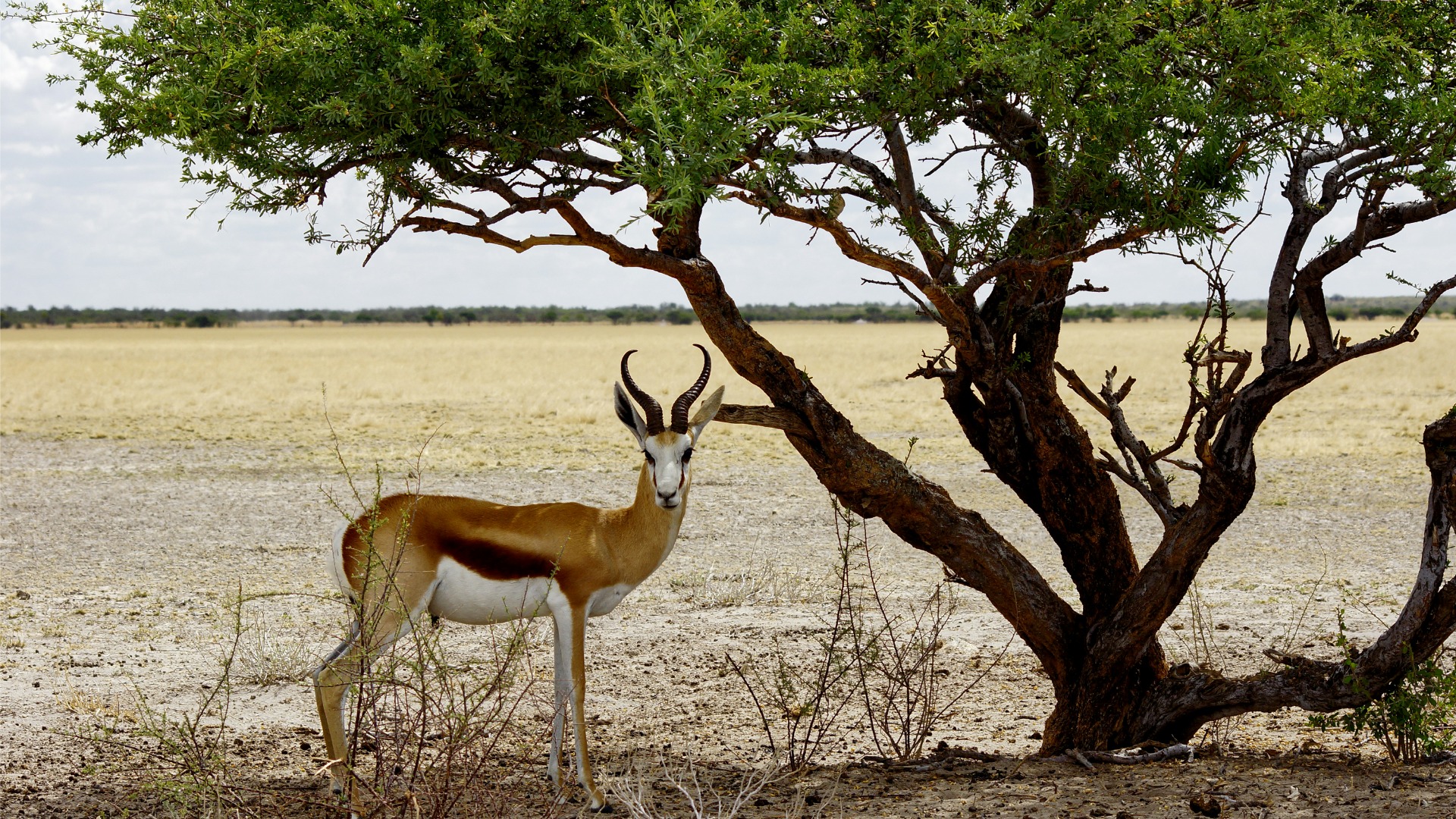
Karoo mammals have developed remarkable ways to minimise water loss and source hydration from their food. The springbok, a signature antelope of the region, obtains most of its moisture from the leaves and flowers of plants like the spekboom and various succulents. Their kidneys are highly efficient, concentrating urine to retain every possible drop of fluid.
Black-backed jackals and bat-eared foxes rely on the body fluids of their prey, including insects, small rodents and reptiles. These carnivores rarely need to drink, deriving sufficient liquid from successful hunts. The aardvark, a nocturnal insectivore, sources moisture from the termites and ants it digs from deep underground burrows where humidity levels are slightly higher.
The Black-Footed Cat's Nocturnal Efficiency
One of the Karoo's most efficient predators is the black-footed cat, which boasts an astonishing hunting success rate of around 60 percent. This tiny feline, weighing less than two kilograms, hunts rodents, birds and insects at night when temperatures are cooler and dew forms on vegetation. By avoiding daytime activity, it reduces evaporative water loss through panting.
Research in the Karoo has shown these cats can survive without drinking for extended periods, obtaining all necessary hydration from their prey. Their compact size allows them to shelter in abandoned burrows during the heat of the day, further conserving energy and moisture.
Avian Adaptations in an Arid Landscape
Birds face particular challenges in the Karoo because of their high metabolic rates and exposure to drying winds. Species such as the sociable weaver have evolved communal nesting strategies that help regulate temperature and reduce individual water needs. Their massive haystack-like nests, which can house hundreds of birds, maintain more stable internal humidity.
Many Karoo birds are nomadic, moving across vast distances in response to sporadic rainfall events. The Ludwig's bustard, for instance, travels hundreds of kilometres following green-up after rain. Others, like the Karoo lark, have specialised nasal glands that excrete excess salt, allowing them to process brackish water sources that would dehydrate most animals.
In the Karoo, survival often depends on timing rather than strength – knowing precisely when to move, when to nest, and when to remain motionless under the baking sun.
Reptilian Masters of Water Conservation
Reptiles are particularly well-suited to the Karoo's extremes. Many species, including the armadillo girdled lizard and various geckos, collect dew that condenses on their bodies during cool nights. The Namaqua chameleon actually changes colour to reflect more sunlight while also using its skin to channel moisture towards its mouth.
Snakes such as the horned adder bury themselves in loose sand during the hottest hours, emerging at dusk to ambush prey. Their low metabolic rate means they require far less water than mammals of similar size. Tortoises, including the leopard tortoise, can store water in specialised bladder sacs, allowing them to survive for up to a year without drinking when food is available.
The Remarkable Fog-Basking Behaviour
Some Karoo lizards practise a behaviour known as fog-basking, tilting their bodies to collect moisture from morning mists that occasionally drift across the landscape. This condensed water runs down specialised scales and into their mouths. Such precise adaptations highlight how even tiny amounts of atmospheric moisture can sustain life in this demanding environment.
Plants as the Foundation of Survival
The Karoo's flora forms the crucial base for all animal life. Succulents like the quiver tree and various aloes store water in their fleshy leaves and stems, providing emergency hydration for browsers during dry spells. The spekboom, often called the 'elephant's food' plant, is particularly remarkable – it can switch between C3 and CAM photosynthesis depending on conditions, making it exceptionally drought-tolerant.
Many insects and small mammals feed on the seeds and leaves of these plants, which in turn support larger predators. This interconnected web demonstrates how the entire ecosystem is built around water efficiency at every level. Without these resilient plants, the Karoo's characteristic wildlife would simply not exist.
Seasonal Strategies and Behavioural Adaptations
Karoo creatures employ sophisticated behavioural patterns to cope with seasonal changes. Many become crepuscular or fully nocturnal during the hottest months, avoiding the energy-sapping midday heat. Others enter a state of torpor or reduced activity when resources are scarcest, dramatically lowering their metabolic demands.
Breeding is carefully timed to coincide with periods of higher rainfall probability, usually between November and March. This ensures that young are born when at least some fresh vegetation is available. For species like the bat-eared fox, this means larger litters during favourable years and smaller ones when conditions are particularly harsh.
The delicate balance of the Karoo shows how every drop of moisture, every shaded crevice and every hardy plant matters in sustaining an intricate web of life.
Conservation Challenges in a Changing Climate
Climate change is bringing new pressures to the Karoo. Rising temperatures and increasingly erratic rainfall patterns threaten the delicate equilibrium that local species have evolved over millennia. Conservation efforts now focus on protecting key corridors that allow animals to move in response to changing conditions and preserving the critical succulent vegetation that underpins the food chain.
Private reserves and community conservation projects play an important role in maintaining habitat connectivity. By limiting livestock numbers and restoring natural vegetation, these initiatives help ensure that wildlife continues to have access to the resources needed for survival even during extended droughts.
Observing Karoo Wildlife Responsibly
For those hoping to witness these remarkable adaptations firsthand, the best time to visit is during the cooler winter months from May to September. Although water remains scarce, animals tend to be more active during the day and vegetation is less dense, making sightings easier. Early morning and late afternoon game drives offer the highest chances of encounters.
Travellers should remember that Karoo wildlife is generally more elusive than in savanna reserves. Patience and a good guide who understands local behaviour are essential. Binoculars and a keen eye for movement against the muted landscape will reveal far more than simply scanning for large herds.
What Makes the Karoo So Special for Wildlife Watching?
Question: How does wildlife survive in the arid Karoo when there is so little water?
Answer: Karoo animals survive through a combination of physiological adaptations, behavioural strategies and dietary choices. Mammals like springbok obtain moisture from their food and produce highly concentrated urine. Reptiles collect dew from their scales or bury themselves to reduce evaporation. Birds are often nomadic, following rainfall, while many species reduce activity during the hottest periods. The entire ecosystem is built on extreme water efficiency, with plants forming the foundation by storing moisture in leaves and stems. This allows an astonishing variety of life to persist in an environment that receives less than 250mm of rain per year in many areas.
This question-and-answer format highlights the core mechanisms at work. The Karoo proves that with the right adaptations, life can flourish even in conditions that appear inhospitable. Each creature plays its part in maintaining the balance of this unique South African landscape.

Discovering the Karoo's Hidden Wonders
The Karoo offers a profoundly different safari experience from the more famous wildlife destinations of southern Africa. Its subtle beauty and the quiet determination of its inhabitants create a sense of connection with the raw essence of the continent. For those seeking to understand the intricate ways nature adapts to challenge, few places compare.
Whether watching a pale chanting goshawk scanning the plains from a thorny perch or observing a tortoise methodically making its way across the red earth, visitors come away with renewed appreciation for the resilience of African wildlife. These encounters stay with you long after the dust has settled.
For discerning travellers seeking a private safari beyond our set itineraries, we invite you to contact us directly. We specialise in designing exceptional, tailor-made journeys for individuals, couples, families, and private groups of up to eight guests. Drawing on our handpicked network of distinguished camps and lodges, we curate every detail with precision and care, creating a seamless, deeply personal safari experience shaped entirely around your preferences, pace, and budget.
Explore our South Africa safari collection or learn more about Camp Figtree Addo experiences that can be combined with a Karoo extension. To begin planning your own discovery of this remarkable region, please visit our enquiry form.
More like this

Wildlife
How Tanzanian Wildlife Shapes Daily Life in the Serengeti
wildlife
How the Zambezi's Seasonal Floods Shape Wildlife Behavior Near Victoria Falls
Wildlife
How to Read Botswana’s Wildlife Signs Before the Animals Appear
Wildlife
How to Spot South African Wildlife in Kruger Without Disturbing the Herds
wildlife
How Ugandan Wildlife Behaviors Shift Across Seasonal Habitats
Wildlife