
Wildlife
How Tanzanian Wildlife Shapes Daily Life in the Serengeti
Encounters Africa - 11 min read
Updated on 24 June 2026
Tanzanian wildlife moments define the rhythm of existence across the vast Serengeti ecosystem, where predator and prey have co-evolved for millennia. Each day brings encounters that reveal how wildlife in Tanzania influences everything from the behaviour of local communities to the decisions made by conservationists protecting one of Africa's most intact wilderness areas. With over 1.5 million wildebeest undertaking their annual migration and predator populations that remain among the healthiest on the continent, these interactions create a living tapestry that continues to shape human lives in profound ways.
The Serengeti National Park alone spans 14,750 square kilometres, supporting an estimated 300,000 Thomson's gazelle, 200,000 zebra and some 3,000 lions. From the Ngorongoro Crater to the Selous Game Reserve, these concentrations create daily dramas that visitors witness with an intensity rarely found elsewhere. For those planning their first journey into this iconic landscape, understanding how Tanzanian wildlife shapes daily life adds layers of meaning to every sighting.
The Dawn Chorus: How Predators Dictate the Start of Day
As first light touches the acacia-dotted plains, the calls of lions often serve as nature's alarm clock. Their deep roars carry for up to eight kilometres, signalling territories and coordinating with pride members before the serious business of hunting begins. Local Maasai communities living on the park's edges have long incorporated these sounds into their own routines, adjusting livestock movements based on where the big cats have been active overnight.
Hyenas add their distinctive whooping calls to the mix, creating a soundscape that has remained largely unchanged for thousands of years. These vocalisations don't merely entertain; they provide critical information about carcass locations and predator movements that guides both wildlife and the people who share this space. Experienced safari guides can often predict the day's events simply by listening to the intensity and direction of these early morning exchanges.
The true measure of a healthy ecosystem lies not in the number of animals you see, but in how naturally their ancient patterns continue to unfold each day.
Understanding Lion Prides and Their Influence
Lion coalitions in the central Serengeti typically consist of two to four males who maintain territories of approximately 100 square kilometres. Their presence directly affects everything from zebra grazing patterns to the movements of smaller carnivores who avoid areas of high lion density. This cascading effect demonstrates how a single species can shape the entire food web.
Research conducted over more than 50 years by the Serengeti Lion Project has documented how these social structures adapt to changes in prey availability. During years of high rainfall when wildebeest numbers surge, lion cub survival rates can increase by up to 40 percent, illustrating the delicate balance that sustains the entire system.
Following the Great Migration: Wildlife in Tanzania on the Move
The annual wildebeest migration represents one of Earth's most spectacular wildlife phenomena, with animals covering distances of up to 800 kilometres between Tanzania and Kenya. This movement doesn't simply provide dramatic viewing opportunities; it fundamentally shapes vegetation patterns, nutrient distribution, and predator strategies across two nations. The Serengeti-Mara ecosystem supports this migration through a complex interplay of rainfall, soil composition and grass species that has evolved over millennia.
When the herds reach the southern short-grass plains around February, they calve in such numbers that approximately 8,000 young are born each day during the peak period. This glut of vulnerable prey creates a temporary abundance that benefits not only large predators but also scavengers and smaller carnivores throughout the food chain. Local communities time their own seasonal movements to coincide with these patterns, harvesting medicinal plants that flourish in the wake of the migrating herds.
The Role of River Crossings in Daily Decision Making
The dramatic river crossings at locations such as Kogatende and Lamai represent pivotal moments in the migration's cycle. Crocodiles numbering in their hundreds wait in these waters, creating natural bottlenecks that concentrate both prey and the predators that follow them. These events don't happen daily, yet their possibility influences every guide's route planning and every photographer's choice of vantage point.
During peak crossing periods in July and August, experienced operators position vehicles before dawn to secure the best positions. The anticipation builds as dust clouds signal the herds' approach, creating an atmosphere charged with expectation that has become part of the Serengeti's unique appeal.

Nowhere else on Earth can you witness such raw, unscripted theatre where the outcome remains genuinely uncertain until the final moments.
Elephants as Ecosystem Engineers and Community Neighbours
Elephants in the Serengeti don't simply exist within the landscape; they actively create and maintain it. A single adult consumes up to 150 kilograms of vegetation daily while dispersing seeds across vast distances in its dung. Their habit of pushing over trees creates gaps in the woodland that benefit smaller browsing species and promote grass growth that supports the great herds.
For communities living adjacent to protected areas, elephants represent both opportunity and challenge. Crop-raiding incidents peak during the dry season when natural forage becomes scarce, prompting innovative solutions such as chilli fences and community-led early warning systems. These human-wildlife conflict mitigation efforts have reduced incidents by up to 70 percent in some areas while generating additional income through the sale of chilli products.
The Elewana Serengeti Pioneer Camp works closely with surrounding villages to ensure that tourism revenue directly supports these coexistence initiatives. Their guides share stories of individual elephants whose movements have been tracked for decades, giving guests insight into the complex social structures that mirror human family dynamics in fascinating ways.
Tracking Elephant Families Through Generations
Matriarchs in the Serengeti can live for up to 65 years, accumulating knowledge about water sources, safe crossing points and seasonal food availability that they pass to younger family members. This cultural transmission of information represents one of nature's most sophisticated information systems, one that scientists continue to study through long-term observation projects.
When drought strikes, as it did severely in 2022, these older females lead their groups to reliable water sources that younger elephants might never have discovered independently. Their role in maintaining population resilience during increasingly unpredictable climate patterns cannot be overstated.
Cheetahs and the Fragile Balance of Speed and Survival
Cheetahs occupy a unique position in the Serengeti hierarchy, relying on their exceptional speed rather than brute strength. With only around 200 individuals remaining in the greater ecosystem, each sighting carries particular significance. Their preference for open terrain makes them more visible than many other predators, yet their vulnerability to competition from larger carnivores means their success rates hover around 40 to 50 percent for hunts.
Understanding these dynamics helps explain why conservation efforts focus so heavily on monitoring cheetah movements and protecting their preferred habitats. The Serengeti Migration Camp supports long-term research that has identified critical corridors these swift cats need to maintain genetic diversity across the landscape.
Daily Challenges Facing Cheetah Mothers
Female cheetahs raising cubs face particular pressures in an environment where lions and hyenas regularly steal kills. Mothers must balance the need to hunt frequently with the constant vigilance required to protect their young. Many choose to hunt during daylight hours when larger predators are less active, creating opportunities for visitors to witness their remarkable acceleration from zero to 100 kilometres per hour in just three seconds.
Recent studies have shown that cheetah mothers who successfully raise cubs to independence demonstrate remarkable adaptability, sometimes shifting their territories by as much as 50 kilometres to avoid areas of high lion density. This flexibility represents one of their greatest survival strategies in an increasingly crowded landscape.

Each cheetah sighting carries the weight of knowing these magnificent sprinters face mounting pressures in a world that seems to shrink around them with every passing year.
Birdlife and the Smaller Tanzanian Wildlife Moments
While large mammals command much attention, the Serengeti's birdlife adds depth and colour to every experience. More than 500 species have been recorded, from the spectacular lilac-breasted roller to the impressive martial eagle. These smaller creatures play crucial roles in seed dispersal, insect control and as indicators of ecosystem health.
The arrival of European bee-eaters each October signals the changing seasons as reliably as the wildebeest migration. Their vibrant plumage and acrobatic hunting displays provide constant entertainment during game drives, reminding us that wildlife in Tanzania encompasses far more than the charismatic megafauna that typically feature in safari narratives.
How Birds Signal Changes in Wildlife Behaviour
Oxpecker birds serve as living alarm systems for many mammals, their sharp calls warning of approaching danger. Similarly, the presence of vultures circling overhead often reveals the location of a fresh kill long before it becomes visible from ground level. Learning to read these subtle signs transforms a simple game drive into an immersive lesson in ecological interconnectedness.
The Tanzania safari experiences offered by Encounters Africa emphasise these smaller observations, encouraging guests to notice how different species interact throughout the day. A seemingly quiet morning can reveal fascinating details when you know what to look for beyond the obvious.
Conservation Through Community: The Human Element
The future of Tanzanian wildlife depends heavily on the support of communities living alongside protected areas. Innovative programmes have transformed former hunting practices into sustainable tourism ventures, creating direct economic incentives for protecting rather than exploiting wildlife. Revenue from photographic safaris now supports schools, medical clinics and water projects that improve quality of life while reducing pressure on natural resources.
These initiatives demonstrate how wildlife in Tanzania can serve as a foundation for broader development goals. When local people benefit directly from conservation, they become its most passionate advocates, creating a virtuous cycle that strengthens protection efforts across entire landscapes.
Measuring Success Beyond Animal Numbers
Modern conservation increasingly looks at metrics beyond simple population counts. Community attitudes, levels of human-wildlife conflict, and the economic benefits flowing to local households provide equally important measures of success. Programmes that have reduced poaching incidents by over 80 percent in certain areas while improving household incomes by 30 to 40 percent show the potential when approaches address both ecological and social needs simultaneously.
Long-term studies indicate that areas with strong community involvement maintain more stable wildlife populations even during periods of political or economic uncertainty. This resilience proves particularly valuable as climate change brings new challenges to traditional migration routes and water sources.
Planning Your Own Tanzanian Wildlife Experience
Choosing when to visit shapes the type of encounters you'll have in the Serengeti. The dry season from June to October offers excellent game viewing as animals concentrate around water sources, while the green season from November to May brings dramatic skies, newborn animals and fewer visitors. Each period presents its own special Tanzanian wildlife moments that reward careful timing and preparation.
Working with specialists who understand these seasonal variations ensures you witness the behaviours that most interest you, whether that's the wildebeest river crossings, predator activity on the open plains, or the intimate moments of animal families going about their daily lives. The key lies in matching your interests with the right locations and times rather than trying to see everything in a single journey.
For discerning travellers seeking a private safari beyond our set itineraries, we invite you to contact us directly. We specialise in designing exceptional, tailor-made journeys for individuals, couples, families, and private groups of up to eight guests. Drawing on our handpicked network of distinguished camps and lodges, we curate every detail with precision and care, creating a seamless, deeply personal safari experience shaped entirely around your preferences, pace, and budget.
Whether your passion lies in big cat behaviour, bird identification, photographic excellence or simply absorbing the profound sense of wilderness, Encounters Africa can craft an experience that connects you meaningfully with the wildlife in Tanzania. The Serengeti has shaped human lives for thousands of years. Allow it to shape yours through carefully considered encounters that honour both the animals and the communities who share their world.
Begin planning your journey by visiting our enquiry form where our team will start designing an experience built around your specific interests in Tanzanian wildlife. The plains await, along with all the daily dramas that continue to unfold there as they have for countless generations.
More like this
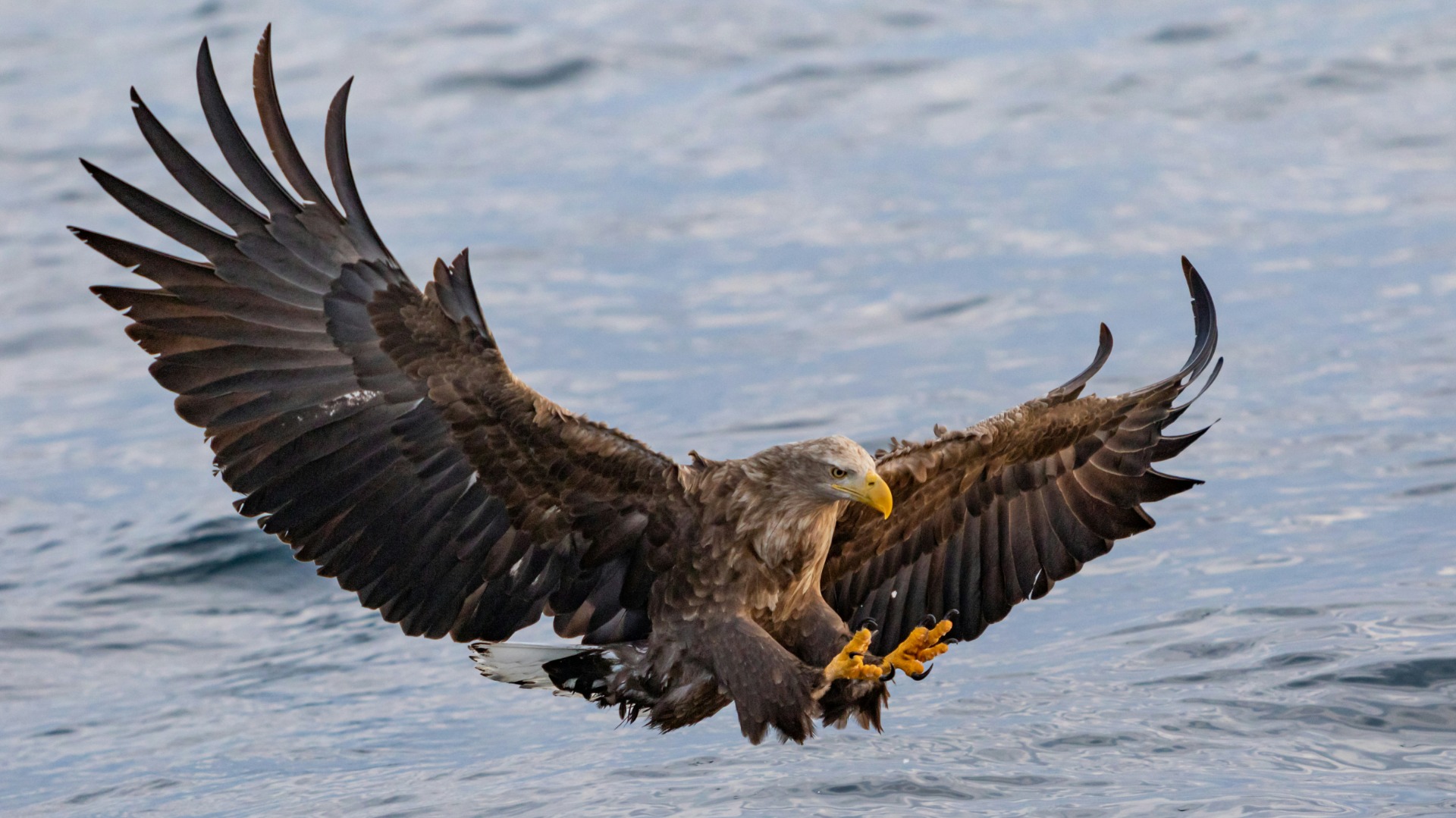
wildlife
How the Zambezi's Seasonal Floods Shape Wildlife Behavior Near Victoria Falls
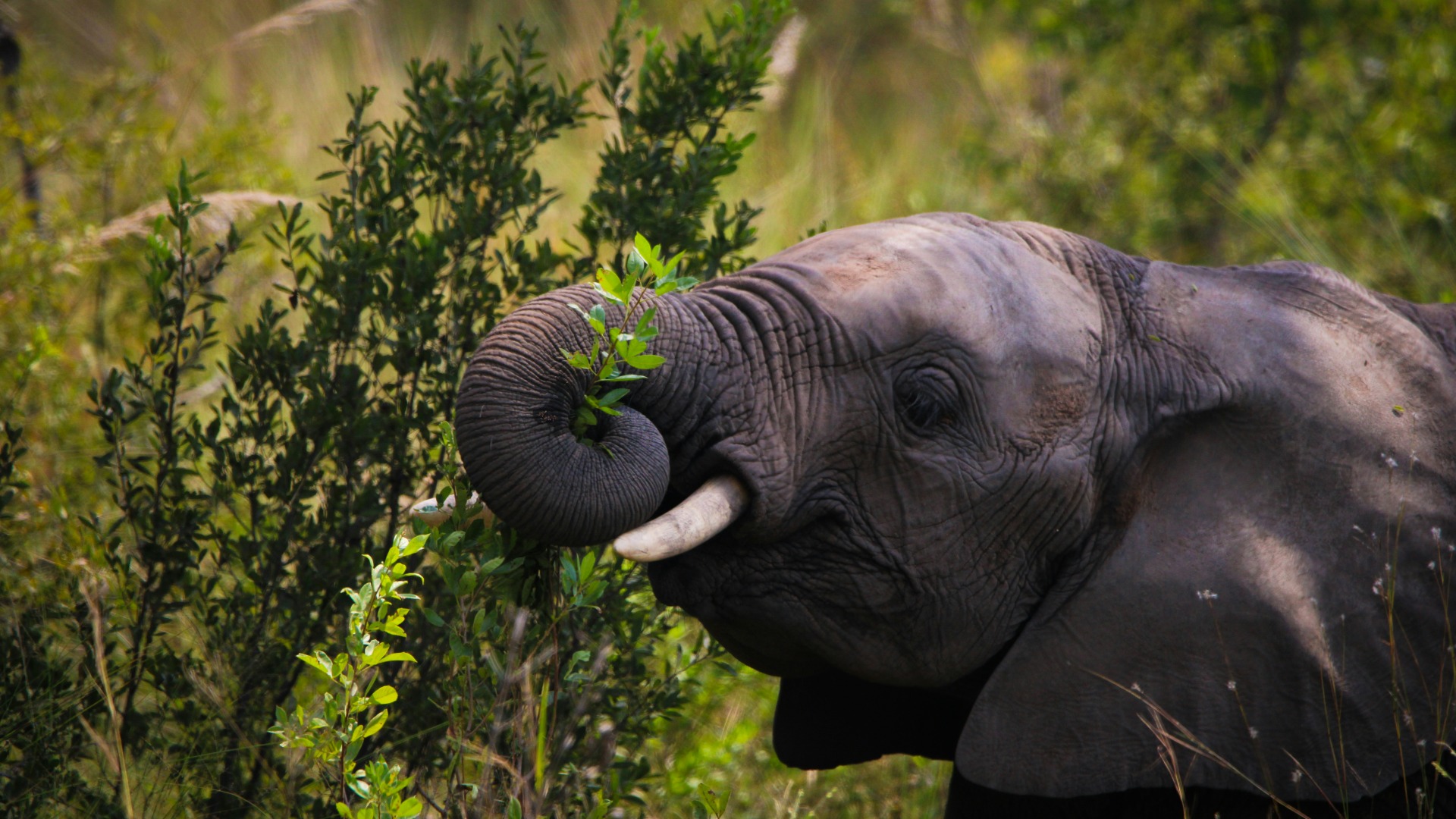
Wildlife
How to Read Botswana’s Wildlife Signs Before the Animals Appear
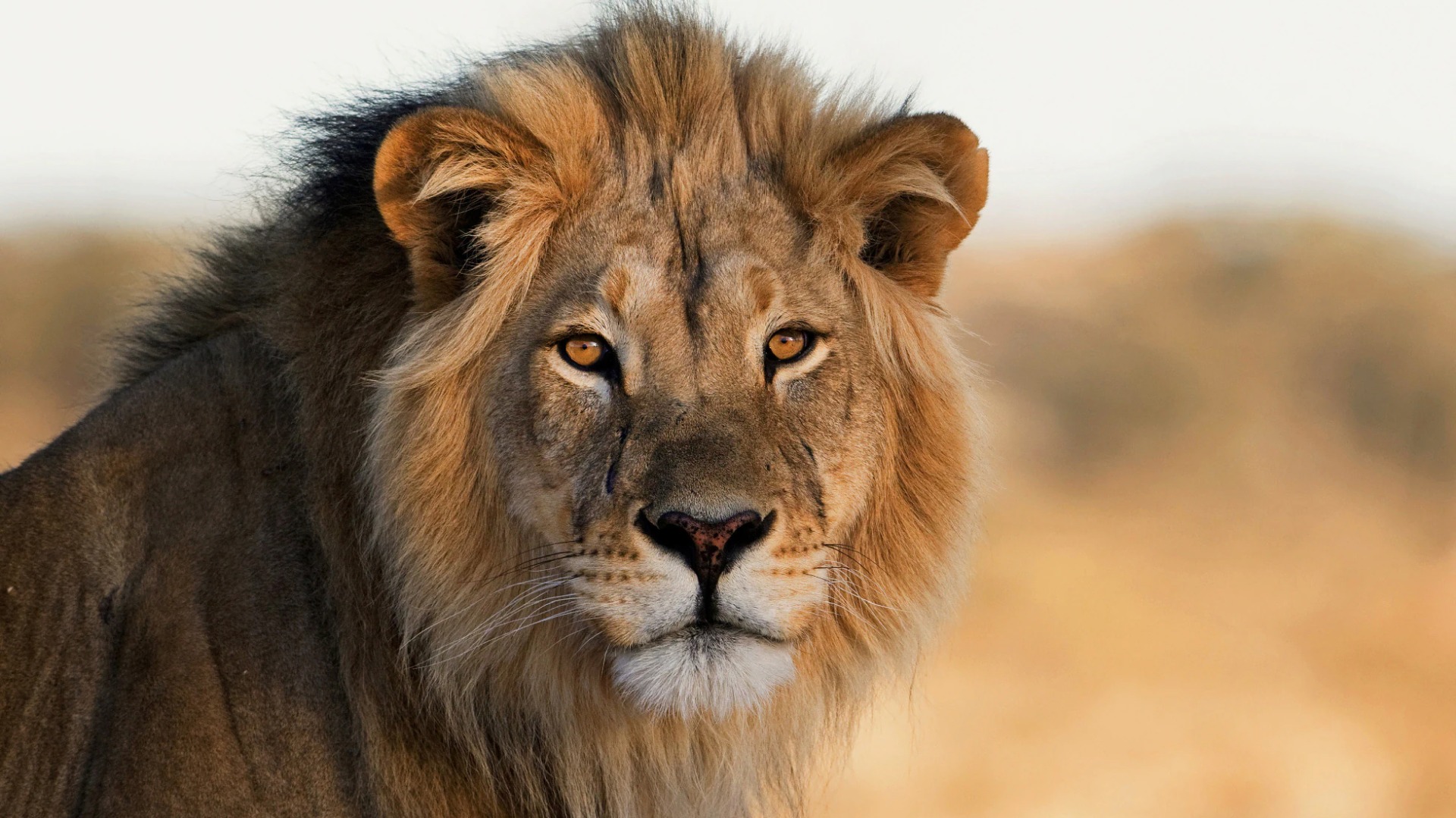
Wildlife
How to Spot South African Wildlife in Kruger Without Disturbing the Herds
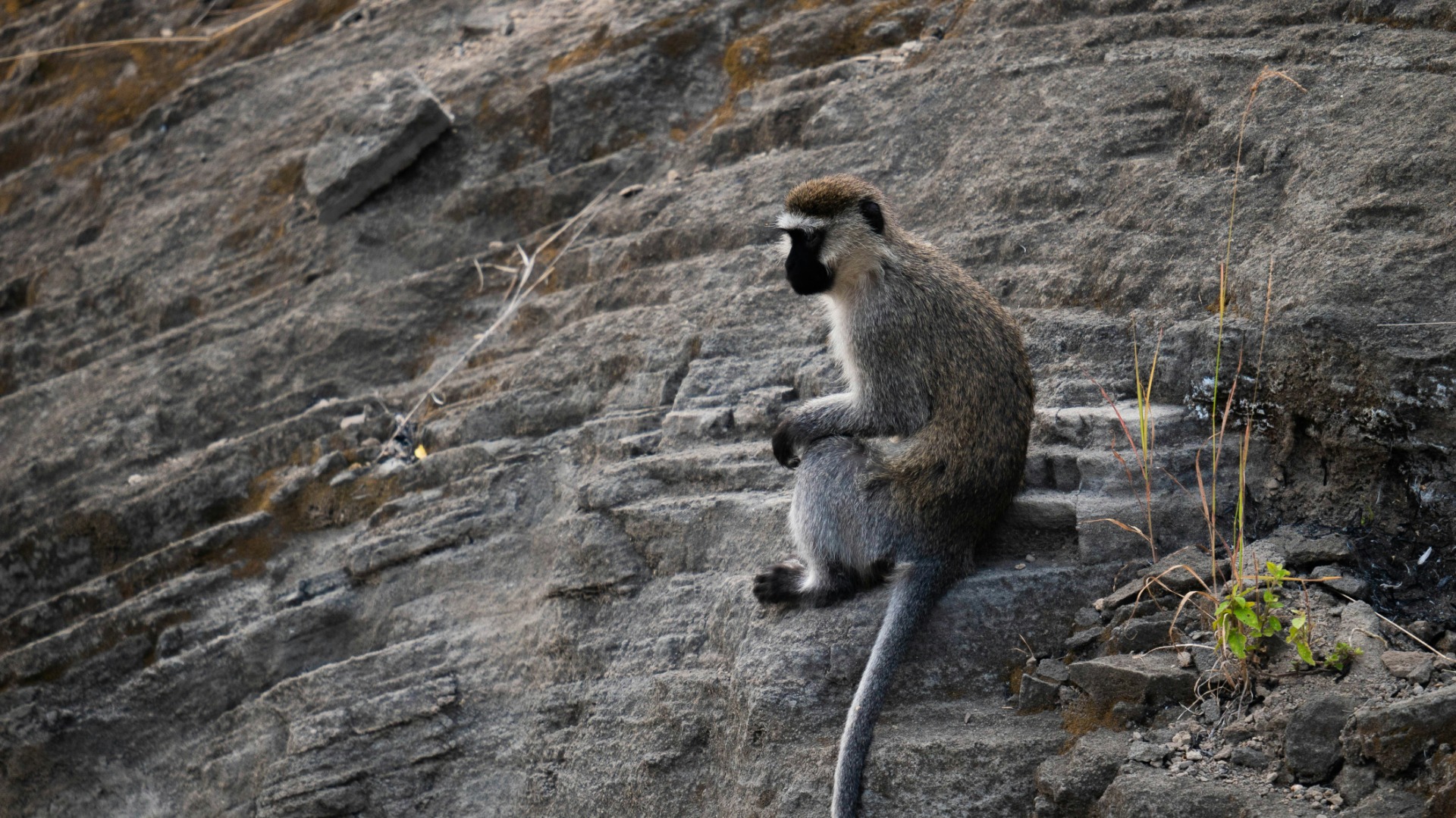
wildlife
How Ugandan Wildlife Behaviors Shift Across Seasonal Habitats
Wildlife
How Ugandan Wildlife Moments Forge Deeper Connections to Africa's Ecosystems
wildlife