photography
How to Photograph the Towering Dunes of Sossusvlei Without Losing Scale
Encounters Africa - 9 min read
Updated on 19 August 2026
The phrase dune magic comes alive the moment you stand at the base of Sossusvlei’s star dunes and try to fit their impossible scale into a single frame. Namibia’s Namib Desert holds some of the tallest dunes on Earth, with many rising more than 300 metres above the pans, yet the very elements that create their grandeur often rob photographs of any sense of proportion. This guide explains exactly how to photograph the towering dunes of Sossusvlei without losing scale, blending technical precision with the sensory thrill of a true desert encounter.
A factual summary for those planning their journey: the best time to visit Sossusvlei for photography is between April and October when clear skies and low humidity deliver crisp light at dawn and dusk; expect daytime temperatures to climb above 35 °C while nights can drop close to freezing. Encounters Africa has guided countless photographers through these shifting sands, helping them return with images that convey both intimate texture and overwhelming vastness.

Understanding the Challenge of Scale in Desert Photography
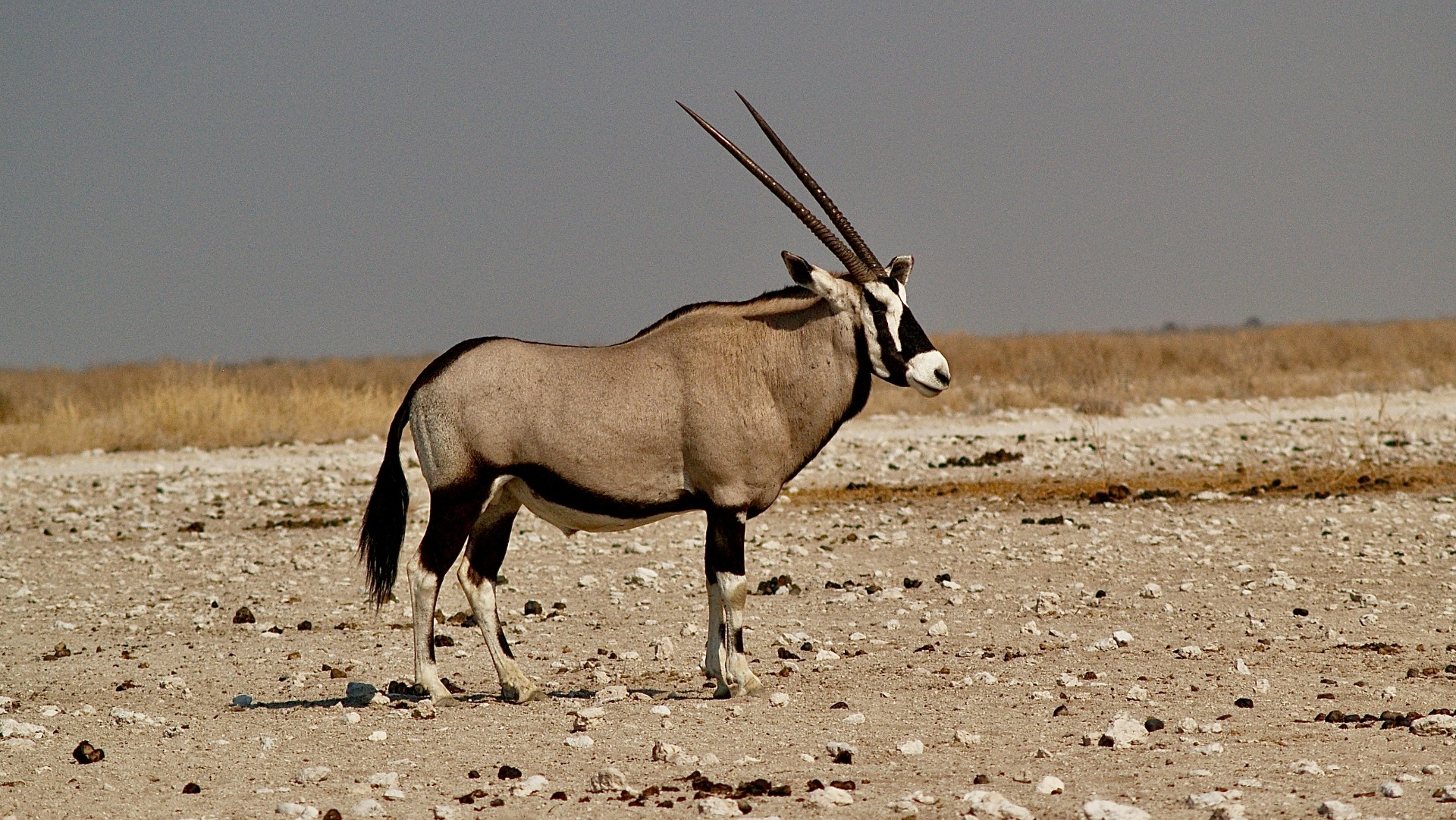
Photographing star dunes presents a classic problem of visual hierarchy. Without a recognisable reference point, even the tallest dune can appear as little more than an elegant curve of sand. The human eye relies on context: a lone oryx, an acacia tree, or a tiny human figure instantly restores proportion and breathes life into the composition. Mastering this balance separates competent desert images from those that truly transport the viewer.
Light plays an equally critical role. The Namib’s red-orange dunes change colour dramatically throughout the day. Pre-dawn light paints them in soft pastel tones while the first direct rays create razor-sharp ridges and deep shadows that accentuate every ripple. Miss the narrow window of golden light and the dunes flatten into a featureless blaze of colour by mid-morning.
The magic lies not in capturing the biggest dune, but in showing how small we are beside it while still feeling the warmth of its grains beneath our boots.
Essential Gear for Sossusvlei Photography
A lightweight yet capable kit is essential when climbing dunes that can sap energy with every step. Most experienced photographers rely on a full-frame mirrorless body paired with a 16-35 mm wide-angle zoom and a 70-200 mm telephoto. The wide lens captures the epic sweep while the telephoto compresses distant ridges and isolates patterns. A sturdy tripod with a panoramic head proves invaluable for precise alignment when shooting multiple frames for stitching later.
Filters remain surprisingly useful. A polariser deepens the cobalt sky and cuts reflections off the sand, while a neutral-density filter allows long exposures that turn wind-blown sand into silky mist. Carry sensor-cleaning tools; the fine Namib dust infiltrates even well-sealed equipment. A remote release and extra batteries complete the list, because once you reach the crest at sunrise there is no returning to the vehicle for forgotten items.
Consider bringing a lightweight drone if regulations permit. Current Namibian rules allow recreational flying in designated areas outside Namib-Naukluft National Park boundaries, but strict no-fly zones apply within the core Sossusvlei area. Always check the latest Namibia Civil Aviation Authority notices before departure.
Protecting Equipment in Extreme Desert Conditions
Temperatures swing wildly between freezing nights and scorching days. Keep cameras in insulated bags overnight to prevent condensation when temperatures rise rapidly at dawn. Silica gel packs inside your bag absorb moisture, while a simple shower cap or rain sleeve shields the camera from wind-blown particles during midday shoots.
Pre-Dawn Timing and First Light Strategies
The most successful Sossusvlei images are usually made long before the tour buses arrive. Gates to the park open 30 minutes before sunrise, yet the keenest photographers camp at Sossus Oasis or stay at Little Kulala to reach Deadvlei or Big Daddy by first light. Arriving early lets you claim the perfect foreground while the sand still holds the crisp footprints of the previous evening’s breeze.
During the blue hour, when the sky glows deep indigo and the dunes appear almost purple, expose for the highlights and lift shadow detail in post-production. As the sun crests the horizon, switch to spot metering on the brightest dune face to retain the rich orange tones that define the Namib.
Those first 20 minutes after sunrise often produce the most memorable frames, when long shadows carve dramatic leading lines across the valley floor.
Compositional Techniques That Preserve Scale
The key to retaining a sense of immensity lies in deliberate foreground choices. A single weathered acacia tree in Deadvlei provides perfect scale because viewers instinctively compare its size to the dunes behind. Similarly, including a person standing on a distant ridge instantly communicates the colossal height of the sand formation. Position that figure in the lower third of the frame so the eye travels from the known to the unknowable.
Leading lines formed by dune ridges or the crisp edges of salt pans draw the viewer deep into the scene. Try shooting from a low angle, almost lying on the sand, to exaggerate perspective. Conversely, climbing partway up a neighbouring dune and shooting across to another creates layered compositions where each successive ridge appears smaller, reinforcing depth.
Using People Thoughtfully in Landscape Frames
While self-portraits or guided figures can restore scale, avoid cluttering the pristine environment. One tiny silhouette against an enormous dune often speaks louder than multiple people scattered across the frame. Coordinate with your guide so the person appears at the precise moment the light is perfect rather than wandering through every shot.
Golden Hour, Midday, and the Magic of Twilight
After the first light has passed, many photographers retreat to the shade, yet patient practitioners find different rewards. By 9 am the sun sits high enough to illuminate the interior curves of the dunes, revealing delicate wind patterns invisible at sunrise. A telephoto lens compresses these repeating lines into rhythmic abstracts that contrast beautifully with broader landscape views captured earlier.
At midday the light becomes harsh, yet this is the perfect time to photograph the surreal white clay pan of Deadvlei. The cracked earth and skeletal black trees create graphic elements that stand out against the glowing orange backdrop. Use a polariser to intensify the blue sky and prevent the white pan from washing out.
As the sun drops toward the horizon, return to the open dunes. The warm side-lighting sculpts every ripple and casts elongated shadows that emphasise the voluptuous curves of the star dunes. This is when many photographers switch to shorter focal lengths to embrace the full sweep of the landscape.
Post-Processing Approaches for Desert Images
Raw files from Sossusvlei often appear flatter than the eye remembers because the dynamic range exceeds most sensors. Begin by recovering highlight detail in the brightest sand while lifting shadows to reveal texture in the darker faces. Subtle contrast adjustments and targeted dodging of ridge lines help emphasise the three-dimensional form without creating an artificial look.
Colour grading should respect the natural palette. The Namib’s characteristic burnt orange can easily tip into oversaturation; keep the hue realistic while gently boosting the deep blues in the shadows. Dust spots from the desert air must be cloned out meticulously, especially in clear sky areas.
A well-processed Sossusvlei image doesn’t shout with dramatic sliders; it whispers the quiet immensity of a landscape that has existed for millions of years.
Common Mistakes and How to Avoid Them
The most frequent error is arriving too late. By the time the sun has climbed above the first dune ridge, the magic side-lighting has vanished. Another pitfall is neglecting to include scale references, resulting in beautiful but somehow weightless images. Always ask yourself what will tell the viewer how enormous these dunes truly are.
Many photographers also underestimate the physical challenge. Climbing Big Daddy in soft sand while carrying camera gear requires fitness and plenty of water. Start slowly, photograph on the way up, and save your energy for the crest where the views open dramatically.

What Makes Sossusvlei Photography Unique
Unlike the rolling grasslands of the Masai Mara or the lush wetlands of the Okavango Delta, Sossusvlei offers an almost lunar emptiness that challenges every compositional instinct. The absence of wildlife or vegetation forces photographers to work with pure form, light, and texture. When executed well, these images achieve a minimalist power rarely found elsewhere in Africa.
The experience extends far beyond the camera. The silence is absolute, broken only by the soft hiss of sand sliding down a slip face. At night the Milky Way arches overhead with such clarity that many travellers return for dedicated astrophotography workshops. Encounters Africa frequently combines daytime dune photography with evening star trails above the same iconic landscapes.
Capturing Your Own Desert Story
Photographing the towering dunes of Sossusvlei rewards patience, preparation, and a willingness to embrace the desert on its own terms. By arriving before dawn, choosing thoughtful foreground elements, and understanding how light sculpts these colossal sand forms, you can create images that convey both intimate detail and breathtaking scale.
Whether you are an experienced landscape photographer or a traveller hoping to bring home more than simple snapshots, the Namib offers lessons that will improve every frame you take thereafter. The dunes have stood for millennia; they will still be shifting and reshaping long after our visit. Our role is to interpret their grandeur with respect and technical skill so others might feel the same awe we experienced standing beneath them.
For discerning travellers seeking a private safari beyond our set itineraries, we invite you to contact us directly. We specialise in designing exceptional, tailor-made journeys for individuals, couples, families, and private groups of up to eight guests. Drawing on our handpicked network of distinguished camps and lodges, we curate every detail with precision and care, creating a seamless, deeply personal safari experience shaped entirely around your preferences, pace, and budget.
Begin planning your Sossusvlei photography adventure by visiting our enquiry form or exploring our dedicated Namibia safari collection. The dunes are waiting.
More like this
Photography
How Zambia's Shifting Light Transforms Ordinary Landscapes into Striking Frames
Photography
In the Delta's Shifting Light, Botswana Moments Come Alive for the Camera
Photography
Maasai Mara Photography Tips to Capture Wildlife with Precision and Respect
Photography
Master Dramatic Light and Scale in Sossusvlei Landscapes
Photography
Master Low-Light Safari Shots: Camera Settings That Capture Kruger Nights
Photography