Photography
How Zambia's Shifting Light Transforms Ordinary Landscapes into Striking Frames
Encounters Africa - 8 min read
Updated on 17 June 2026
Zambian photography captures the subtle alchemy of light across one of Africa's most varied wildernesses. From the thunderous spray of Victoria Falls to the golden floodplains where lechwe dance at dusk, the country rewards those who understand how shifting weather patterns and seasonal rhythms transform ordinary scenes into compelling frames. Whether you are tracking lions along the Luangwa or waiting for the perfect shaft of light on the Zambezi, Zambia offers photographic opportunities in zambia that go far deeper than standard safari documentation.
The best time to visit for Zambian photography is between May and October when the dry season concentrates wildlife around shrinking water sources and delivers clear golden light from dawn until dusk. November to April brings the dramatic drama of summer storms, emerald vegetation and the annual flood pulse that redraws entire landscapes. Both seasons present distinct photographic opportunities in zambia, each demanding different techniques and a patient eye.
The Magic of Zambia's Shifting Light
Light in Zambia behaves like a living character. In the dry season, the sun rises and sets in a blaze of orange and crimson, painting dust particles in the air and turning the bush into a theatre of long shadows. By midday the light can be harsh, yet this is when dramatic side-lighting reveals texture in elephant skin or the intricate patterns of a crocodile's scales.
During the wet months, diffused light filters through heavy cloud and mist, softening colours and allowing richer saturation in greens and earth tones. Photographers who embrace these conditions often return with images that feel more painterly than those captured in the clearer dry-season light.
In Zambia the light does not merely illuminate the landscape, it sculpts it, revealing textures, moods and stories that change dramatically between the dry season's crisp clarity and the wet season's moody diffusion.
Victoria Falls: Beyond the Postcard
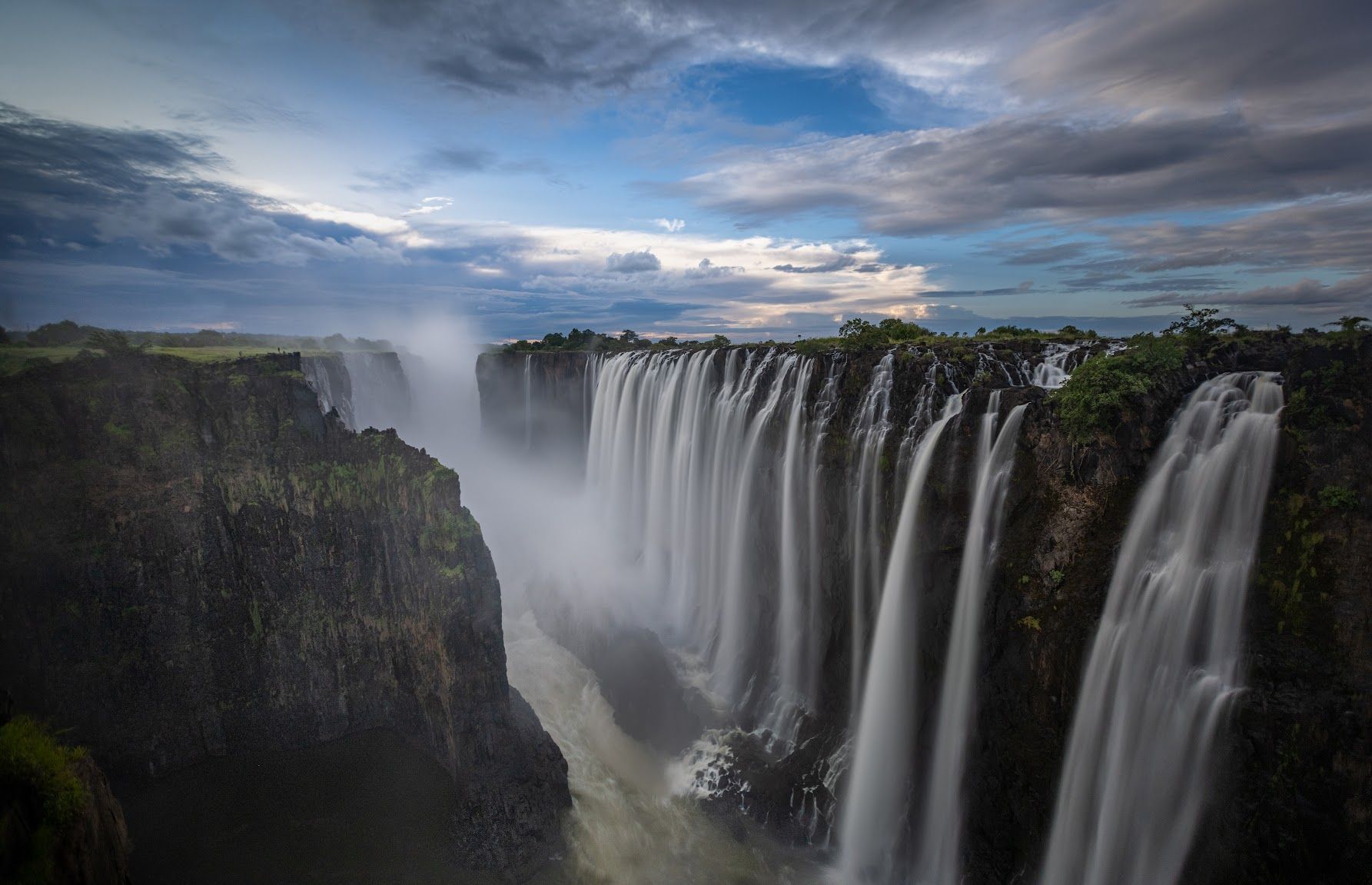
Victoria Falls remains one of the most challenging yet rewarding subjects for Zambian photography. The sheer scale, constant spray and ever-changing light demand thoughtful composition and technical precision. Early morning offers the best chance of rainbows forming in the mist, particularly between April and July when the water volume is at its peak.
Lesser-known vantage points on the Zambian side, away from the main viewpoints, allow for more intimate compositions. From the Knife Edge Bridge or the Boiling Pot, photographers can experiment with slower shutter speeds to convey the power of the water while using the surrounding rainforest as a natural frame. A polarising filter becomes essential here to cut through the spray and deepen the colours of the surrounding foliage.
For those staying at Chobe Chilwero Lodge, an A&K Sanctuary, the proximity to both the falls and the Chobe River Front provides seamless access to multiple photographic environments within a single day.
Technical Considerations at the Falls
Successful images of the falls require protection for your equipment against the constant fine mist. Weather-sealed cameras and lenses are preferable, while a good microfibre cloth and silica gel packs should remain close at hand. Wide-angle lenses between 16mm and 35mm excel at capturing the drama, though a longer telephoto can isolate patterns in the falling water or distant rainbows.
Wildlife Photography in South Luangwa National Park
South Luangwa National Park offers some of the finest photographic opportunities in zambia for intimate wildlife encounters. The park's legendary walking safaris allow photographers to work at ground level, capturing behavioural moments that are rarely visible from a vehicle. The dry season concentrates thousands of animals along the Luangwa River, creating natural stages for dramatic interactions.
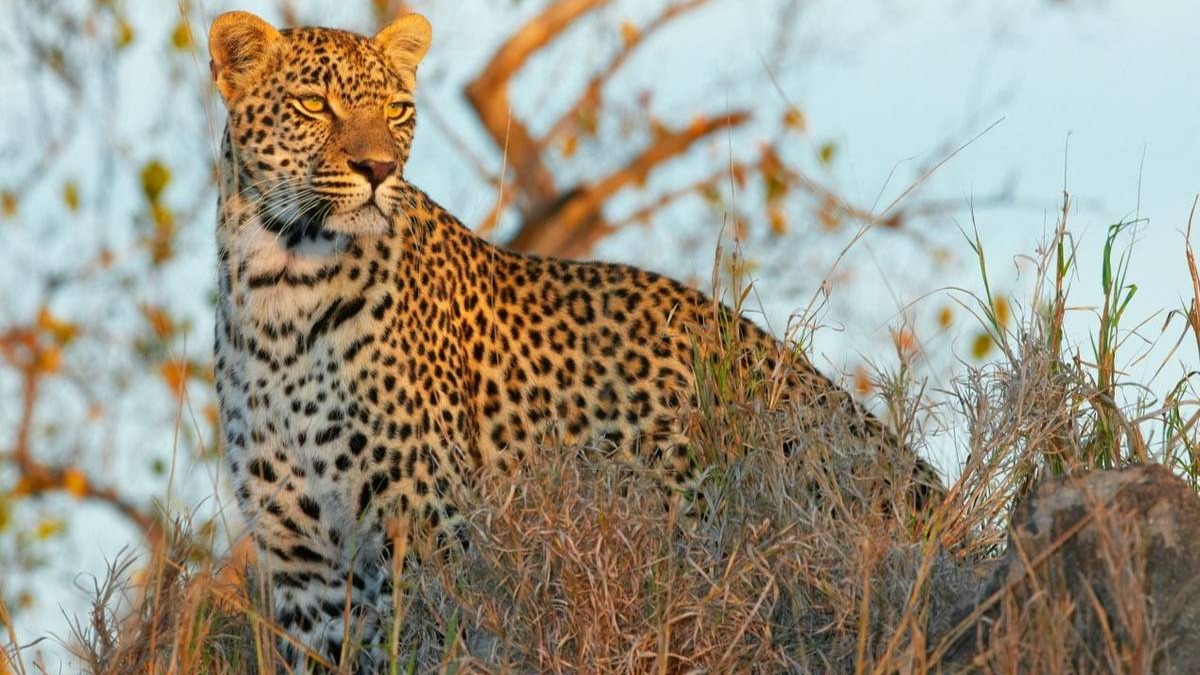
Leopard sightings are particularly reliable here, with several habituated individuals that emerge at dusk. The park's open woodland and seasonal lagoons provide beautiful foregrounds and backdrops, especially when the sausage trees and African ebony catch the last warm light of day.
Walking in South Luangwa with a skilled guide transforms photography from passive observation into an active conversation with the landscape and its inhabitants.
Seasonal Highlights for Luangwa Photographers
Between June and October the park experiences its best light and highest wildlife concentrations. The famous hippo pools at Mfuwe become theatres of conflict and hierarchy, best photographed during the golden hours when the low sun turns the water's surface into liquid gold. November to April brings the emerald season, when newborn impala and puku fill the plains and dramatic thunderstorms create spectacular skies.
Photographers interested in cultural stories should also explore the nearby villages where traditional ceremonies offer authentic portraits that complement the wildlife imagery.
The Floodplains of Kafue and Lower Zambezi
The vast floodplains of Kafue National Park present an entirely different palette for Zambian photography. During the dry season, the Busanga Plains transform into a sea of golden grass where enormous herds of lechwe and zebra create rhythmic patterns across the landscape. The isolated fig trees and termite mounds serve as perfect focal points for wide compositions.
In the Lower Zambezi, the river itself becomes the main character. Canoe safaris offer silent approaches to wildlife, allowing for frame-filling portraits of elephants crossing channels or lions drinking at the water's edge. The interplay between water, light and reflection creates endless opportunities for abstract and impressionistic images.
For travellers seeking deeper immersion, a stay at Chiawa Safaris - Puku Ridge provides access to both river and inland areas with experienced photographic guides who understand exactly where and when the light will be at its most dramatic.
Mastering Light and Technique in Zambian Landscapes
Understanding Zambia's light requires more than simply arriving at the right time of day. Local guides play an essential role, knowing precisely how the sun moves across particular landscapes and when certain subjects will be at their most photogenic. Many of the country's top photographic guides have themselves been serious photographers for decades and can offer technical advice alongside their tracking skills.
Equipment choices should reflect the variety of experiences on offer. A versatile zoom such as 24-70mm paired with a 100-400mm or 200-500mm covers most situations, while a lightweight 16-35mm proves invaluable for landscapes and the sheer scale of Victoria Falls. A sturdy tripod becomes essential for low-light work at dawn and dusk, particularly when using slower shutters to convey movement in water or grass.
Common Questions About Zambian Photography
What is the best time to visit for Zambian photography? The dry season from May to October offers the most reliable wildlife sightings and golden light, while the wet season from November to April rewards those seeking dramatic skies, lush vegetation and fewer visitors. Many serious photographers choose to experience both seasons across multiple visits.
Do I need specialist photography knowledge before travelling to Zambia? While technical proficiency helps, the most important qualities are patience, observation and a willingness to listen to local guides. Many of our travellers discover that their most memorable images come from moments of quiet waiting rather than dramatic action.
How important are local guides for photographic success? Invaluable. Zambia's guides combine deep ecological knowledge with an intuitive understanding of how light moves across their particular concession. They often know individual animals and can predict behaviour that creates compelling narrative images.

Conservation Through the Lens
Zambian photography carries a responsibility that extends beyond aesthetics. Many lodges work closely with conservation organisations, and photographers can contribute meaningfully by documenting both the beauty and the challenges facing these ecosystems. Images that tell stories of successful community conservation projects or the quiet dedication of anti-poaching teams help raise awareness and support for ongoing protection efforts.
The photographic community in Zambia is notably collaborative, with many professional guides and conservationists happy to share knowledge about both the wildlife and the landscapes they have spent decades studying. This generosity of spirit creates richer experiences for visiting photographers and helps ensure that images captured today support the protection of these places tomorrow.
Every frame taken in Zambia becomes part of a larger story about conservation, community and the delicate balance that sustains one of Africa's last great wildernesses.
Planning Your Photographic Journey in Zambia
Creating a successful photographic safari in Zambia requires thoughtful planning around both location and timing. Combining South Luangwa with either Kafue or the Lower Zambezi offers excellent contrast in both landscape and subject matter. For those wanting to include Victoria Falls, the Livingstone area pairs beautifully with a few days in the nearby Kasane or a mobile safari through the wider Zambezi region.
Our experience shows that seven to ten days per area allows sufficient time to develop a relationship with the landscape and its light. Rushing between too many locations often results in surface-level images rather than the deeper, more considered work that Zambia inspires.
For discerning travellers seeking a private safari beyond our set itineraries, we invite you to contact us directly. We specialise in designing exceptional, tailor-made journeys for individuals, couples, families, and private groups of up to eight guests. Drawing on our handpicked network of distinguished camps and lodges, we curate every detail with precision and care, creating a seamless, deeply personal safari experience shaped entirely around your preferences, pace, and budget.
Whether you are an experienced professional or a passionate enthusiast, Zambia offers a photographic journey that will reshape how you see both Africa and your own craft. The light is waiting. The question is whether you will be there to capture it.
Begin planning your Zambian photography experience by exploring our Zambia safari collection or discover how our photography-focused itineraries can be tailored to your vision. We look forward to helping you create images that honour both the extraordinary light and the remarkable landscapes of this special country.
More like this
Photography
In the Delta's Shifting Light, Botswana Moments Come Alive for the Camera
Photography
Maasai Mara Photography Tips to Capture Wildlife with Precision and Respect
Photography
Master Dramatic Light and Scale in Sossusvlei Landscapes
Photography
Master Low-Light Safari Shots: Camera Settings That Capture Kruger Nights
Photography
Golden Hour in the Drakensberg: Field-Proven Camera Settings for Dramatic Landscapes
Photography