Photography
In the Delta's Shifting Light, Botswana Moments Come Alive for the Camera
Encounters Africa - 8 min read
Updated on 29 June 2026
botswana wildlife opportunities reward the patient photographer with scenes of startling intimacy and epic scale. A lone baobab at dusk, a pod of hippos breaking the surface in soft morning mist—these Botswana moments define exceptional wildlife photography. This guide shares where and when to position yourself for frame-filling portraits and environmental narratives that showcase the country's unique ecosystems.
From the labyrinth of waterways in the Okavango Delta to the arid reaches of the Central Kalahari, Botswana offers a remarkable diversity of habitats. Each season brings its own palette and behaviour, allowing travellers to capture images that go far beyond the expected safari snapshot. Whether you seek dramatic silhouettes against fiery sunsets or tender interactions within elephant herds, the key lies in understanding light, timing, and respectful observation.
The Allure of Botswana's Varied Landscapes for Photography
Botswana’s photographic canvas changes dramatically with the rhythms of flood and drought. In the north, the Okavango Delta swells between May and October, creating mirror-like channels that reflect every movement of lechwe and jacana. Further south, the Makgadikgadi Salt Pans transform after rains into shallow lakes teeming with flamingos, their pink reflections stretching to the horizon.
The Chobe River Front presents a different theatre altogether. Here, thousands of elephants converge during the dry season, their dusty forms moving through golden light that filters through mopane woodland. These contrasting environments allow photographers to build a portfolio that tells the full story of this southern African nation.
Botswana wildlife opportunities are not about chasing action but about learning to wait for the moment when light, subject and composition align in perfect harmony.
Seasonal Considerations for Optimal Conditions
The dry season from May to October concentrates wildlife around permanent water sources, offering reliable sightings and beautiful clear skies ideal for sharp telephoto work. Mornings and late afternoons deliver the warm, low-angle light that brings out texture in fur and feather.
Conversely, the green season from November to April brings dramatic storm clouds and newborn animals. Although vegetation is thicker, the softer, diffused light can create ethereal portraits, especially in the woodlands of the Moremi Game Reserve. Understanding these seasonal shifts is fundamental to capturing authentic Botswana moments.
Prime Locations for Photographing Botswana Moments
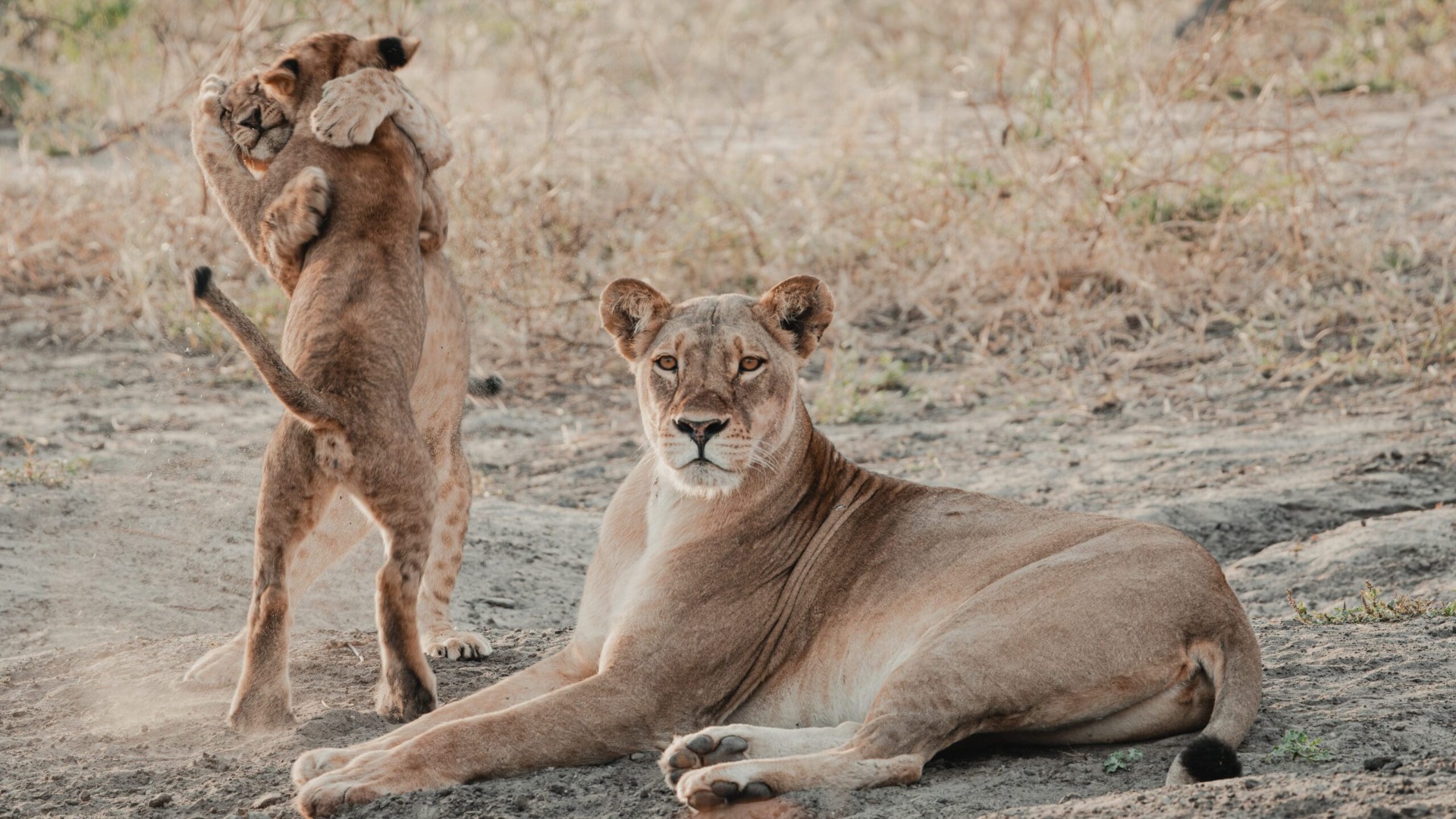
Certain concessions and reserves consistently deliver exceptional photographic access. Private concessions such as the Duba Plains Private Reserve allow vehicles to go off-road, positioning photographers at eye level with lions and wild dogs. The ability to wait quietly for extended periods often yields behaviour rarely seen in more crowded areas.
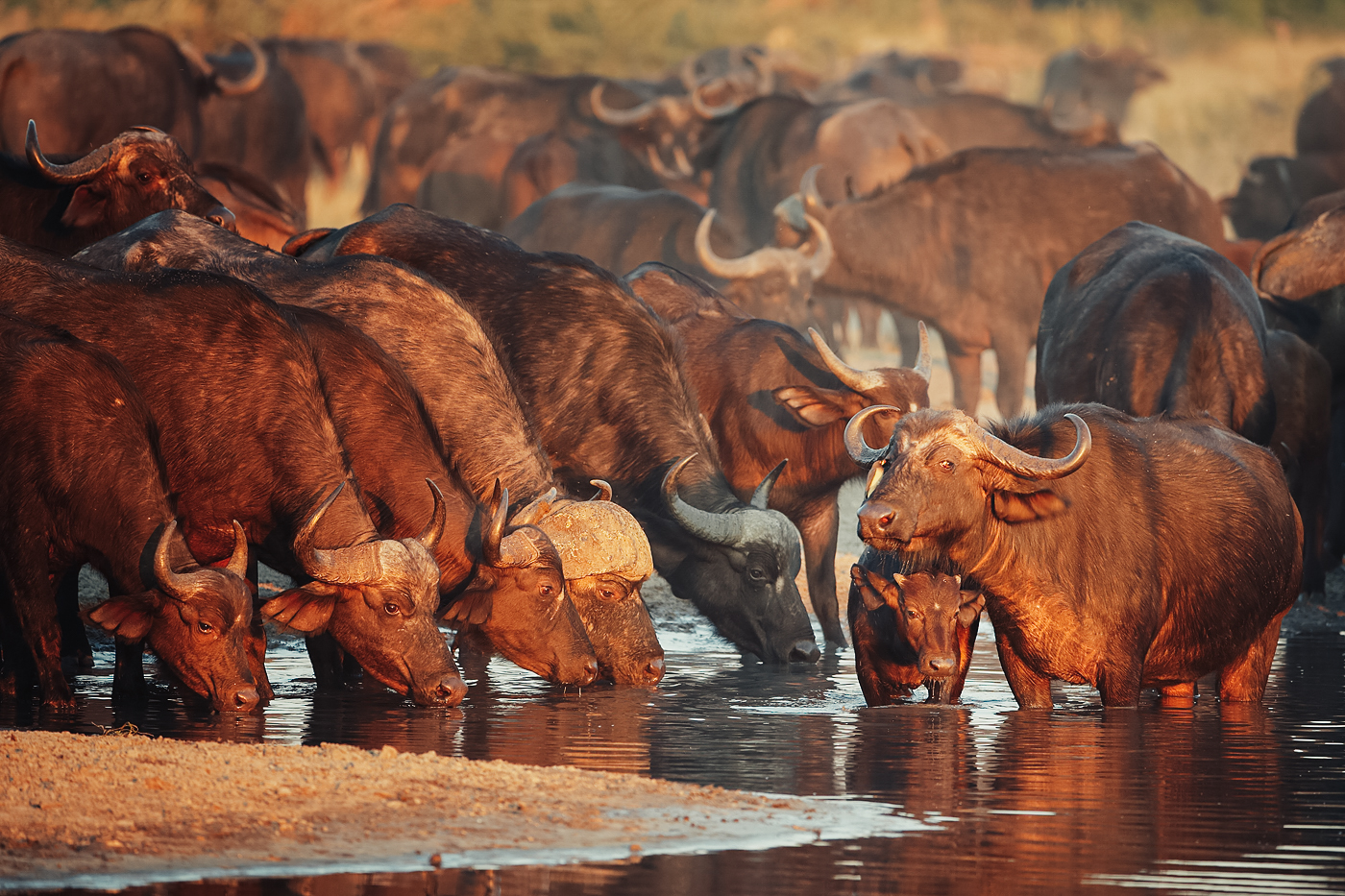
In the Khwai community area, shallow floodplains host vast herds of buffalo and the predators that follow them. The open terrain here is particularly suited to wide-angle environmental portraits that show animals within their landscape rather than isolated against a blurred background.
Further east, Mashatu Game Reserve in the Tuli Block offers ancient baobabs and dramatic rocky outcrops that create natural frames for elephants and leopards. The reserve’s commitment to low vehicle density ensures guests can experience these Botswana wildlife opportunities without disruption.
The most compelling images often emerge not from the largest lenses but from the deepest understanding of an animal’s daily rhythm and the land it calls home.
Specialist Camps That Support Serious Photographers
Several distinguished properties have tailored their programmes for those serious about wildlife photography. Duba Plains Camp provides customised vehicles with beanbags and charging facilities, while experienced guides anticipate the perfect angle for both stills and video. Similarly, camps in the Selinda Reserve offer photographic guiding that focuses on light and composition rather than simply ticking off species.
These specialist experiences allow travellers to remain in position as the light changes, capturing the subtle shifts that transform an ordinary scene into something memorable. For those seeking to elevate their craft, such dedicated support makes all the difference.
Techniques for Capturing Botswana Wildlife Opportunities
Successful photography in Botswana requires more than technical proficiency with camera settings. It demands an understanding of animal behaviour and the patience to wait for authentic moments rather than forcing compositions. Guides who have spent years observing specific prides or herds can often predict when a lioness will begin hunting or when a herd of elephants will cross a channel.
Back-button focusing proves invaluable when tracking fast-moving subjects such as wild dogs in pursuit or pelicans landing on water. Many photographers also benefit from using a second body with a wider lens, allowing them to switch quickly between intimate portraits and environmental context without changing lenses in dusty conditions.
Mastering Light in Different Ecosystems
The golden hours in Botswana are particularly magical. In the Delta, the first and last light of day turns the water into molten copper, while dust kicked up by zebra in the Kalahari creates god beams that slice through the acacia trees. Learning to read the quality of light and how it interacts with each landscape is what separates good images from exceptional ones.
During the middle of the day, when many travellers return to camp, creative photographers find opportunities in shade and reflection. The dappled light beneath large trees can create beautiful patterns across a giraffe’s coat, while still water offers mirror-like reflections that double the visual impact of a scene.
Photographing Botswana moments means learning to see not just the animal but the story surrounding it—the relationship between predator and prey, the ancient pathways worn by generations of elephants, the small details that reveal the interconnectedness of this wild place.
Ethical Considerations and Responsible Photography
As photographic opportunities in Botswana have grown in popularity, maintaining ethical standards has become increasingly important. Responsible operators ensure vehicles maintain respectful distances, never crowding animals or interfering with natural behaviour for the sake of a shot.
Many lodges now participate in conservation photography initiatives, where guest images contribute to monitoring programmes for species such as African wild dogs and cheetahs. This adds another layer of meaning to the experience, allowing travellers to contribute to the protection of the very subjects they have come to capture.
Part of respecting these environments involves understanding cultural sensitivities as well. In community areas such as Khwai, photographers have the opportunity to capture images of local life alongside wildlife, creating a more holistic narrative of the region when done with permission and cultural awareness.
Equipment Recommendations for Botswana Conditions
The dust and heat of Botswana demand robust equipment. Weather-sealed bodies and lenses are essential, as is a reliable dust blower for cleaning between shoots. Many serious photographers bring two camera bodies—one fitted with a 100-400mm or 200-500mm zoom for versatility, and another with a wider 24-70mm or 70-200mm for environmental portraits.
A sturdy tripod or beanbag is crucial for sharp images in low light, while polarising filters help manage reflections on water and intensify the deep blue of Botswana skies. Perhaps most importantly, extra batteries and memory cards should always be carried, as charging opportunities may be limited in remote concessions.

What Makes Botswana Wildlife Opportunities Unique
The country’s relatively low tourism density compared to some East African destinations means encounters often feel more personal and less staged. This translates into more natural behaviour and greater opportunities for genuine connection through the lens.
The variety of ecosystems within relatively short distances allows for diverse portfolios without extensive travel. A single two-week journey might include images of mokoro journeys at dawn in the Delta, lion hunts on the floodplains, and meerkats standing sentinel in the Kalahari—all captured under the same vast African sky.
Common Questions About Photographing in Botswana
When is the best time to visit for photography? The dry season from June to October generally offers the most consistent wildlife viewing and beautiful light, with concentrations of animals around water sources. However, the green season brings dramatic skies and breeding plumage in birds that many photographers find equally rewarding.
What focal lengths work best? A versatile 100-400mm zoom covers most situations, while many photographers also bring a 500mm or 600mm prime for distant subjects. Wide-angle lenses are increasingly popular for capturing animals within their environment rather than isolated portraits.
Do I need previous photography experience? While technical knowledge helps, many camps offer guidance for enthusiasts at all levels. The most important qualities are patience, respect for wildlife, and a genuine curiosity about the natural world.
Capturing Timeless Botswana Moments
The images that endure are rarely those with the most dramatic action but rather those that convey something deeper about the wild places and creatures of Botswana. A simple frame of an elephant silhouetted against a fiery sky or a leopard resting in the fork of an acacia can communicate volumes about this remarkable country.
Whether you are an experienced professional or an enthusiastic amateur, Botswana offers a masterclass in wildlife photography that extends far beyond technical considerations. It teaches the value of slowing down, observing carefully, and finding beauty in both the grand sweep of the landscape and the smallest details of animal behaviour.
For discerning travellers seeking a private safari beyond our set itineraries, we invite you to contact us directly. We specialise in designing exceptional, tailor-made journeys for individuals, couples, families, and private groups of up to eight guests. Drawing on our handpicked network of distinguished camps and lodges, we curate every detail with precision and care, creating a seamless, deeply personal safari experience shaped entirely around your preferences, pace, and budget.
Explore our Botswana safari collection or discover more in our article on wildlife viewing in the Okavango Delta. To begin planning your own photographic journey through Botswana’s wild places, please visit our enquiry form and allow Encounters Africa to craft an experience that will fill both your memory cards and your soul.
More like this
Photography
Maasai Mara Photography Tips to Capture Wildlife with Precision and Respect
Photography
Master Dramatic Light and Scale in Sossusvlei Landscapes
Photography
Master Low-Light Safari Shots: Camera Settings That Capture Kruger Nights
Photography
Golden Hour in the Drakensberg: Field-Proven Camera Settings for Dramatic Landscapes
Photography
Mastering Light and Composition for Kenya’s Big Five on Camera
Photography