Photography
Master Dramatic Light and Scale in Sossusvlei Landscapes
Encounters Africa - 11 min read
Updated on 13 August 2026
In the heart of Namibia's Namib Desert, Sossusvlei offers a landscape that feels almost otherworldly, where immense red dunes meet stark white clay pans and the skeletal remains of ancient acacia trees stand like silent sentinels. For landscape photographers drawn to dramatic scenes, this corner of southern Africa presents unparalleled opportunities to capture images rich in scale, contrast, and emotional depth. The interplay of first light on towering dunes, the vastness of the pans, and the intricate textures of sand and shadow can transform a simple frame into something alive with quiet power.
Sossusvlei's unique composition of elements makes it a prime destination for those seeking to master dramatic landscape photography. The best time to visit is between May and September, when cooler temperatures and clear skies enhance the golden and blue hours, with sunrise often painting the dunes in fiery oranges and deep crimsons. Expect to rise well before dawn to secure prime positions, as the light changes rapidly once the sun crests the horizon. This article explores proven composition techniques that will help you harness the region's extraordinary light and scale to create photographs that resonate long after the journey ends.

Understanding Sossusvlei's Photographic Palette
The Namib Desert's Sossusvlei is defined by its colossal dunes, some rising more than 300 metres above the pans, their rich iron-oxide colouring shifting dramatically with the angle of the sun. These aren't just backdrops; they are dynamic subjects that respond to every nuance of light, from the soft pre-dawn glow to the harsh midday glare that photographers often avoid. The white clay pans, formed from ancient lake beds, provide striking contrast against the reds and ochres, while the dead acacia trees scattered across Deadvlei add graphic, almost sculptural elements to compositions.
Wind constantly reshapes the dunes, creating razor-sharp ridges and sensuous curves that invite leading lines into your frame. Early morning mist occasionally lingers in the valleys, softening edges and adding atmospheric depth. By understanding these natural rhythms, photographers can anticipate how light will interact with form throughout the day, turning technical knowledge into intuitive image-making.
The true power of a Sossusvlei photograph lies not in capturing the dunes alone, but in revealing how light and shadow breathe life into their immense, ever-changing forms.
Composition Tips for Dramatic Landscape Photography in Sossusvlei
Mastering dramatic landscape photography in Sossusvlei begins with intentional use of the rule of thirds, but the real magic happens when you break it deliberately. Place the horizon line in the lower third to emphasise the overwhelming height of the dunes, or push it high to celebrate the vastness of the pans. The key is using the dunes' natural curves as leading lines that draw the viewer's eye toward a focal point, whether that's a lone acacia or the sharp crest of a distant ridge.
Scale is everything here. Without a reference point, the mind struggles to comprehend the size of these sand mountains. Including a tiny human figure on a dune slope, or the recognisable shape of a vehicle on the pan, instantly conveys the immense proportions at play. At the same time, avoid cluttering the frame; the strength of Sossusvlei lies in its minimalist beauty. Negative space, particularly the clean white pans, becomes a powerful compositional tool when balanced against the textured reds above.
Foreground interest adds essential layers. Look for ripples in the sand, scattered camel thorn seeds, or the angular shadows of acacia branches to anchor your image and create depth. During the golden hour, these elements catch side-light beautifully, producing long, dramatic shadows that stretch across the pan like fingers. Experiment with low angles, getting your camera close to the ground to exaggerate the height of the dunes behind.
Working with the Iconic Deadvlei Trees
Deadvlei, with its 900-year-old camel thorn skeletons frozen against the cracked white clay, offers some of the most graphic opportunities in the region. The key to powerful compositions here is positioning the trees to create visual tension against the surrounding dunes. Place one tree off-centre in the foreground, allowing its dark, contorted branches to reach toward the glowing red slopes behind, creating a natural frame within a frame.
Time your visit for early morning when the sun is low enough to sidelight the trees, turning their branches into intricate black patterns against the bright pan. Avoid shooting at midday when the light becomes flat and the contrast too harsh for most sensors. Instead, return in late afternoon when the western dune begins to cast its enormous shadow across the pan, creating a natural vignette that draws attention to the trees bathed in the last warm light.
Those ancient acacias stand as living monuments to time itself, their stark forms reminding us that patience and the right light can turn even death into something profoundly beautiful.
Harnessing First Light for Maximum Drama
The first 20 minutes after sunrise represent the most valuable window for dramatic landscape photography in Sossusvlei. As the sun clears the eastern dunes, it illuminates the western faces with intense, saturated colour while leaving valleys in deep indigo shadow. This extreme contrast is what gives images their emotional punch, but it also demands careful exposure management.
Bracket your shots generously, capturing a range of exposures that can later be blended in post-production to retain detail in both highlights and shadows. Alternatively, use graduated neutral density filters to balance the scene in-camera. The warm tones of early light on the dunes pair beautifully with the cool blue shadows, creating colour temperature contrast that heightens the sense of three-dimensionality.
Look for opportunities where a single beam of light breaks through a gap in the dunes to spotlight a particular tree or ripple pattern. These momentary gifts of light create natural focal points and add narrative to your images. Moving quickly between vantage points is essential, as the light shifts noticeably every few minutes.
Camera Settings and Technical Considerations
For sharp, detailed images of Sossusvlei's vast landscapes, a sturdy tripod is non-negotiable, especially when working with smaller apertures to maximise depth of field. Aim for f/11 to f/16 in most conditions, though you may open up to f/8 when light levels are lower. Keep ISO at 100 for maximum image quality, and use mirror lock-up or live view to minimise vibration.
Golden hour often requires shutter speeds too slow for hand-holding, making a remote release or self-timer valuable. For those including people or vehicles to show scale, faster shutter speeds around 1/250th of a second will freeze movement. Always shoot in RAW to give yourself maximum flexibility when balancing the extreme dynamic range typical of desert light.
Using Scale and Perspective Creatively
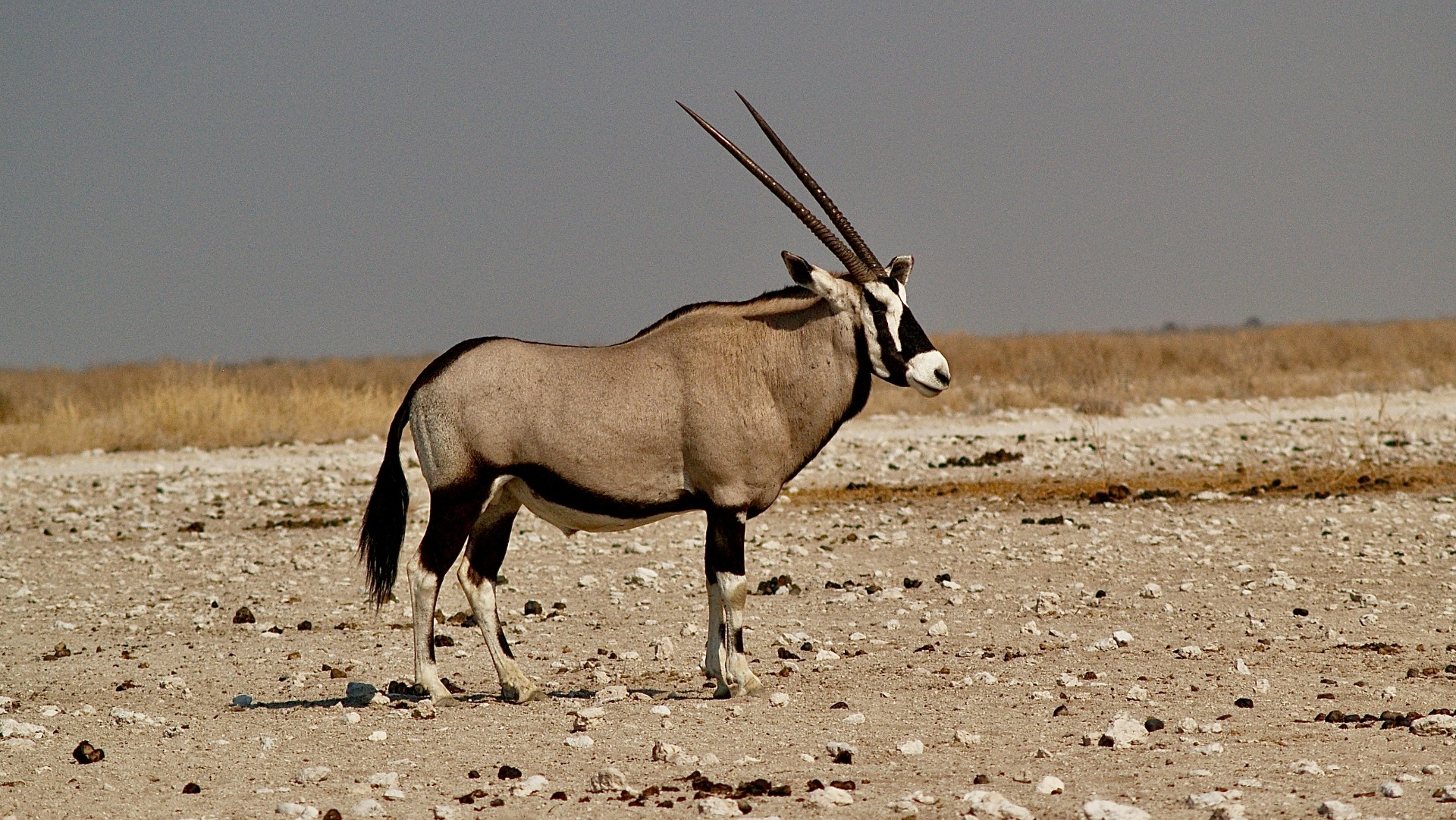
One of the most effective ways to convey the monumental scale of Sossusvlei is through deliberate use of perspective. By including recognisable elements at different distances, you create a visual journey through the frame that helps viewers understand the immense distances involved. A lone oryx on a distant dune ridge, for instance, provides instant context for the size of its surroundings.
Drone photography has opened new compositional possibilities in recent years, allowing overhead views that reveal the sinuous patterns of dune corridors and the geometric perfection of the pans. When operating legally within park regulations, these aerial perspectives can complement ground-level work by showing relationships between elements that aren't visible from below. However, nothing replaces the emotional connection of standing in the landscape with your feet in the sand.
Consider the psychological impact of different focal lengths. Wide-angle lenses (16-35mm) exaggerate foreground elements and create dramatic leading lines toward the dunes, while longer lenses (70-200mm) compress perspective, pulling distant ridges closer and emphasising the layered patterns of light and shadow across multiple dune faces.
Seasonal Variations and Planning Your Visit
The best time to visit Sossusvlei for dramatic landscape photography is during the cooler dry months from May to September, when temperatures are more comfortable for early starts and the skies are reliably clear. June, July and August typically offer the most consistent conditions, with sunrise around 07:15 and temperatures rising from 5°C at dawn to a pleasant 25°C by midday.
During the wetter summer months (December to March), occasional thunderstorms can add dramatic skies to your compositions, though access to the pans may be affected by flooding. The interplay between storm clouds and red dunes creates a different but equally powerful mood. Fewer visitors during these months can also mean more opportunities for undisturbed, minimalist compositions.
Regardless of season, staying within the national park or at nearby private concessions allows for earlier access before the gates open to day visitors. This privilege is particularly valuable for photographers, as the first vehicles often reach the pans around 30 minutes before official sunrise.
Whether under clear winter skies or dramatic summer storm clouds, Sossusvlei rewards those who understand that light is the true sculptor of its endless sand forms.
Post-Processing Techniques for Desert Images
The raw files from Sossusvlei often require thoughtful processing to convey the emotional impact of the experience. Begin by adjusting global exposure and contrast before addressing specific areas with graduated filters and brushes. The goal is to enhance the natural drama without creating an artificial look that undermines the authenticity of the desert environment.
Pay particular attention to colour relationships. The warm tones of the dunes benefit from subtle saturation increases in the reds and oranges, while cooling the shadows slightly can heighten the sense of depth. Clarity and texture sliders are particularly effective for bringing out the fine ripples and patterns in the sand without over-sharpening.
Many photographers find that converting select images to black and white reveals the underlying graphic strength of the compositions. The strong contrast between the white pans, dark trees, and textured dunes translates beautifully into monochrome, emphasising shape and form over colour.
Respecting the Environment While Photographing
As privileged visitors to this fragile desert ecosystem, photographers have a responsibility to minimise their impact. Stay on designated tracks and boardwalks to prevent damage to the delicate microbial crust that stabilises the dunes. The acacia trees in Deadvlei are protected by law; never climb on or around them, as even small disturbances can accelerate their erosion.
Early morning light brings many photographers to the same locations. Practice patience and courtesy, allowing others their moment with the landscape rather than rushing in to claim a spot. The most powerful images often come from finding your own perspective rather than replicating the exact composition of others.
Consider the wider context of your visit. Supporting responsible operators who contribute to conservation efforts helps ensure this remarkable landscape remains protected for future generations of photographers and travellers alike.

Creating Images That Capture the Spirit of the Namib
The dunes of Sossusvlei have inspired artists and photographers for more than a century, yet each new visitor finds their own way of seeing this ancient landscape. The most successful images are those that go beyond documentation to convey something of the profound silence, the immense scale, and the ever-changing light that defines this corner of Namibia.
By combining technical precision with creative vision, and by allowing yourself to be fully present in the landscape, you can create photographs that communicate not just what Sossusvlei looks like, but how it feels to stand beneath dunes that have watched centuries pass. The desert teaches patience, observation, and respect for natural forces far greater than ourselves.
For discerning travellers seeking a private safari beyond our set itineraries, we invite you to contact us directly. We specialise in designing exceptional, tailor-made journeys for individuals, couples, families, and private groups of up to eight guests. Drawing on our handpicked network of distinguished camps and lodges, we curate every detail with precision and care, creating a seamless, deeply personal safari experience shaped entirely around your preferences, pace, and budget.
Whether you wish to combine your photographic exploration of Sossusvlei with guided experiences in Namibia, or pair it with a journey through the Okavango Delta, Encounters Africa can craft an itinerary that meets your vision. Our team includes passionate photographers who understand both the technical and emotional aspects of capturing Africa's extraordinary landscapes.
Read our recent feature on mastering light during the Great Migration to see how these same principles apply across different African environments. For those planning a comprehensive photographic safari, consider our tailored Namibia photography itineraries that include extended time in Sossusvlei with expert guidance.
More like this
Photography
Master Low-Light Safari Shots: Camera Settings That Capture Kruger Nights
Photography
Golden Hour in the Drakensberg: Field-Proven Camera Settings for Dramatic Landscapes
Photography
Mastering Light and Composition for Kenya’s Big Five on Camera

Photography
Mastering Light and Composition for South African Wildlife Photography
Photography
Mastering Light and Composition for Wildlife Shots in Southern Africa
photography