Wildlife
How to Read Botswana’s Wildlife Signs Before the Animals Appear
Encounters Africa - 10 min read
Updated on 24 July 2026
In the vast, whispering landscapes of Botswana, wildlife viewing transcends simple observation. It becomes an art of anticipation, where seasoned guides decode the land's quiet language long before a lion's mane crests the grass or an elephant herd emerges from the mopane. This approach, rooted in generations of tracking knowledge, allows travellers to experience the pulse of the bush with deeper respect and sharper insight. The best time to visit for reading these signs effectively spans from May to October, when drier conditions sharpen tracks and concentrate animals around water sources.
Experienced rangers in the Okavango Delta and the Kalahari can interpret subtle tracks, sounds, and movements to locate elusive predators and herds well before they come into view. At Encounters Africa, we draw on this ancestral wisdom to craft journeys that honour both the wildlife and the profound knowledge held by local communities. Whether gliding through papyrus channels or traversing salt pans, understanding these signals transforms every game drive into a layered narrative of survival and connection.
The Language of Tracks: What the Ground Reveals
Botswana's sandy soils and floodplains act as nature's own ledger, recording the movements of its inhabitants with remarkable clarity. A guide might pause a vehicle to examine a paw print, noting not just its size but the depth, the spacing between toes, and whether the claws show—details that distinguish a male leopard from a lioness on the prowl. In the Moremi Game Reserve, these impressions often tell stories of recent hunts or territorial patrols that unfolded under cover of darkness.
Beyond mere identification, the freshest signs reveal timing and direction. Dew-kissed tracks from early morning suggest an animal passed within the hour, while those baked hard by the sun might date back to the previous evening. Guides look for accompanying clues: overturned pebbles, crushed grass blades, or the faint drag of a tail. These elements combine to paint a picture precise enough to follow with confidence.
The bush speaks in a thousand silent voices; learning to listen before you look changes everything about how you encounter its wild inhabitants.
Distinguishing Predator from Prey Prints
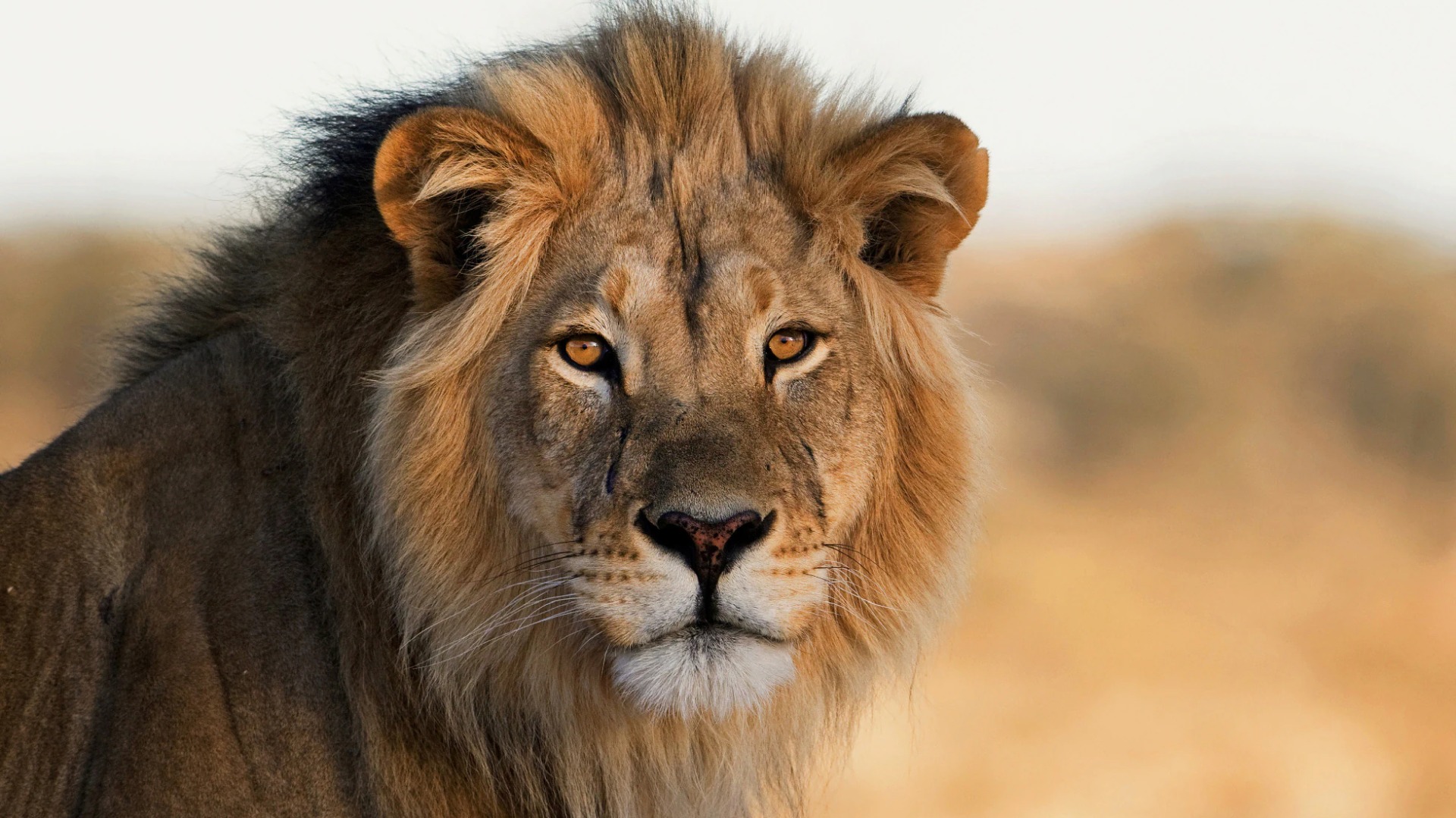
Lion tracks typically measure around 11 to 13 centimetres across, with rounded toes and visible claw marks only in soft ground since they retract them while walking. Leopard prints are smaller, more oval, and often show a distinctive leading toe that helps trackers differentiate them even at speed. Hyena spoor, by contrast, displays four toes with prominent claws and a distinctive pad shape resembling a slightly squashed heart.
Herbivore signs offer their own revelations. The deep, heart-shaped prints of a buffalo herd indicate recent passage of a large group, while the delicate slots of impala might suggest a nervous bachelor group skirting thicker vegetation. In areas like the Khwai Community Area, these overlapping trails often converge at waterholes, creating complex maps of daily routines that guides read like morning newspapers.

Listening to the Bush Orchestra: Auditory Clues
Sound carries differently across Botswana's varied terrains, from the echoing calls across the Okavango Delta's open waters to the muffled acoustics of Kalahari woodland. An abrupt silence from a chorus of francolins or the sharp alarm bark of a baboon can signal a predator's approach long before visual confirmation. Guides attune themselves to these shifts, distinguishing between routine disturbances and those worthy of investigation.
Bird calls provide particularly reliable intelligence. The descending scream of a go-away bird often warns of a snake or approaching large mammal, while the insistent 'tock-tock' of a woodpecker might indicate a leopard resting in the branches above. During the dry season from June to August, when vegetation thins, these auditory markers become even more pronounced, allowing for more accurate predictions of animal locations.
A single changed note in the morning chorus can rewrite the entire script of a game drive, turning routine observation into genuine discovery.
Interpreting Alarm Calls and Their Context
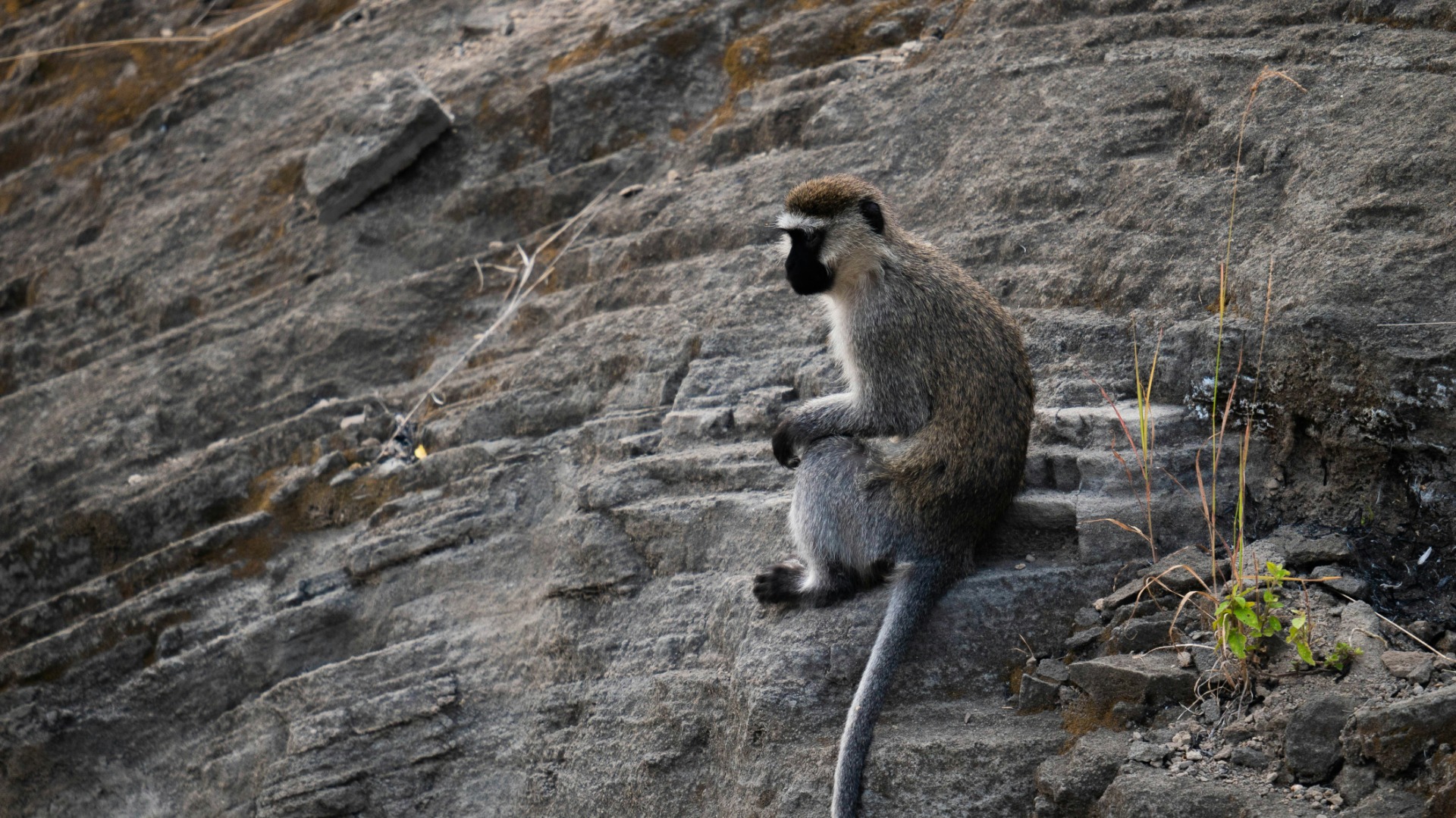
Different species react with distinct vocalisations that convey specific threats. Vervet monkeys, for instance, use different calls for leopards, eagles, and snakes—each prompting unique evasion tactics from the troop. Savvy guides recognise these nuances, understanding that a leopard alarm might warrant a slow approach through thickets rather than open plains.
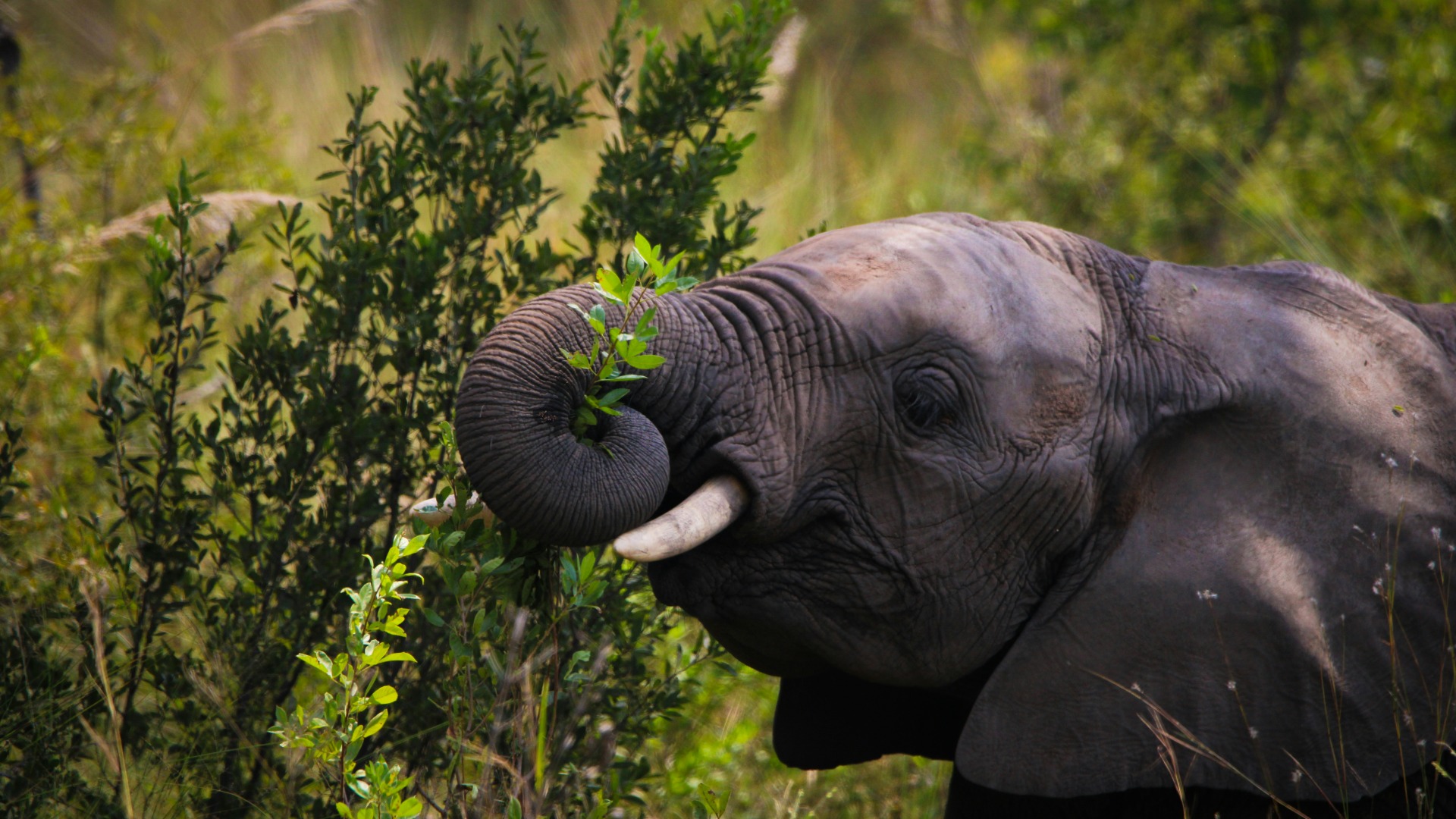
Elephant rumbles travel impressive distances through both air and ground, often felt as much as heard. A low-frequency call at dusk might indicate a breeding herd moving toward water, while the trumpeting of a musth bull carries an entirely different urgency. These vibrations, detectable up to six kilometres away, form part of the invisible communication network that shapes Botswana's wilderness rhythms.
Reading Body Language and Environmental Signs
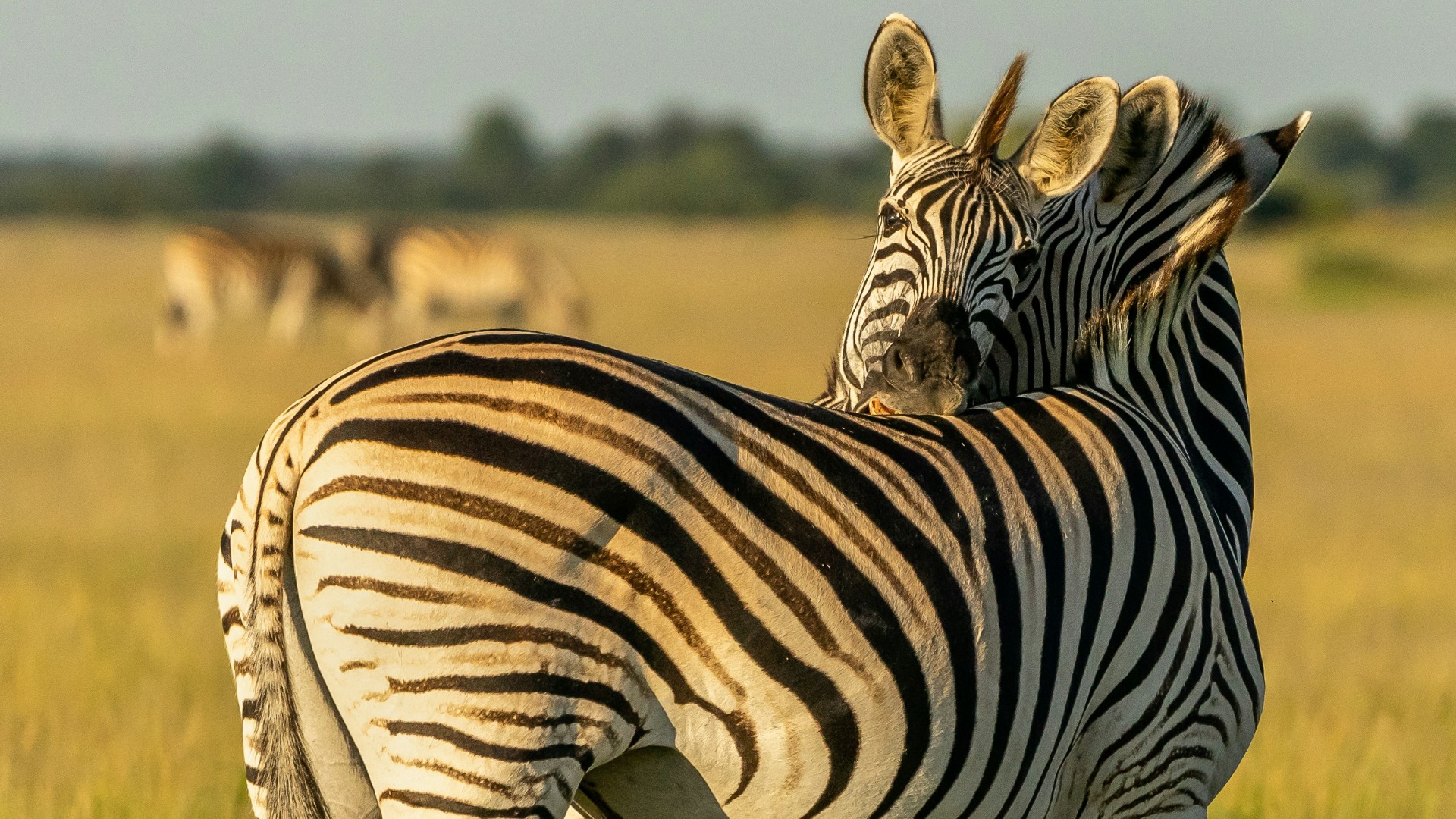
Even without seeing the animals themselves, the landscape offers visual cues about their recent presence and current state. A herd of zebra standing unusually still, all facing the same direction with ears pricked, suggests something hidden in the grass demands their attention. Similarly, vultures circling in a tight spiral rather than soaring broadly often indicate a fresh kill below.
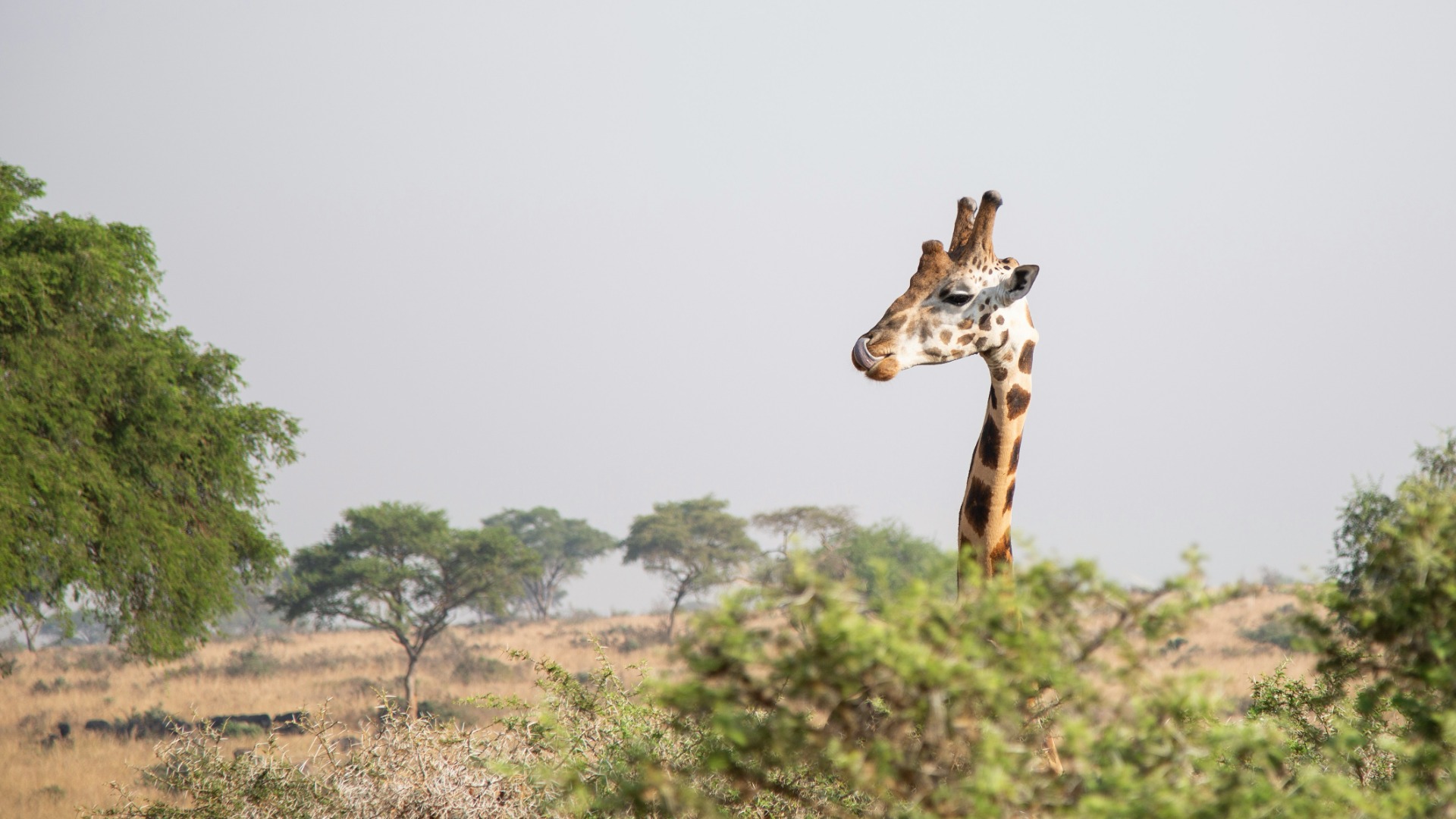
Vegetation tells its own tales. Freshly broken branches at a specific height might reveal the passage of giraffes, while flattened grass in a circular pattern could mark where a pride of lions rested during the heat of the day. In the Savuti region of Chobe National Park, these signs help predict where large predators might reappear as light softens toward evening.
Seasonal Variations in Sign Reading
The effectiveness of these tracking methods shifts with Botswana's distinct seasons. During the green season from November to April, when rains transform the Kalahari into a lush carpet, tracks become softer and less defined, requiring greater skill to interpret. However, the abundance of water disperses animals, making auditory and visual environmental cues even more valuable.
In contrast, the dry months concentrate wildlife around permanent water sources, creating clearer patterns in movement and more obvious signs. The period from July to September typically offers the sharpest tracking conditions, with over 80 percent of Botswana's large mammals gathering within five kilometres of known water points according to recent wildlife surveys conducted by the Department of Wildlife and National Parks.
Common Questions About Reading Botswana's Wildlife Signs
What is the most reliable way to identify a leopard track in the Okavango Delta?
The most reliable indicators are the size—typically 7-9 centimetres wide—and the distinctive teardrop shape of the main pad with four toes arranged in an arc. Unlike lion prints, leopard tracks rarely show claw marks as they keep them sheathed while walking. Local guides in the Delta look for a slightly asymmetrical leading toe on the right front paw, a detail refined through years of observation.
How do professional guides in Botswana determine the age of a track?
Guides assess track age by examining edges for sharpness, checking whether surrounding sand has collapsed inward, and noting environmental factors like wind speed and recent moisture. A track less than two hours old will typically have crisp, defined edges with minimal debris, while older impressions show rounded contours and accumulated leaves or insects.
Can visitors learn to read basic wildlife signs themselves?
Absolutely. While interpreting complex sequences requires years of experience, travellers can quickly learn to recognise common alarm calls, fresh dung, and basic track shapes. Many lodges, including Duba Plains Camp, incorporate tracking walks into their programmes, allowing guests to develop these skills under expert supervision.

The Role of Local Knowledge and Conservation
The art of reading Botswana's wildlife signs rests heavily on the expertise of community members who have lived alongside these animals for generations. In areas like the Khwai Community Area, guides from local villages blend traditional knowledge with modern conservation practices, creating a powerful synergy that benefits both wildlife and cultural preservation.
This indigenous understanding extends beyond simple tracking to encompass seasonal patterns, breeding behaviours, and the interconnected relationships between species. When a guide points out how certain birds follow honey badgers to access beehives, or explains why particular trees are avoided by elephants during certain moon phases, they reveal the intricate web that sustains Botswana's remarkable biodiversity.
These landscapes have been read by human eyes for thousands of years; our safaris represent a privilege to learn from those who have never lost this connection to the wild.
Practical Tips for Enhancing Your Wildlife Viewing Experience
Preparation enhances appreciation of these subtle signals. Packing binoculars with at least 8x magnification, a field guide to local mammals and birds, and a notebook for recording observations helps travellers engage more actively. Wearing neutral colours that blend with the environment reduces visual disturbance, allowing animals to behave more naturally.
Timing matters enormously. Early morning and late afternoon drives coincide with peak animal activity while offering the best light conditions for observing details. Maintaining silence in the vehicle preserves the guides' ability to hear faint sounds and prevents masking important auditory clues that might otherwise reveal hidden wildlife.
Consider joining a specialist tracking safari with Encounters Africa, where the focus shifts from simply spotting animals to understanding the stories written across the land. These experiences often include walking safaris with armed professional guides, providing intimate access to tracking techniques while prioritising safety and ethical wildlife encounters.
Deepening Your Connection with Botswana's Wild Heart
Learning to read Botswana's wildlife signs represents far more than a practical skill for better game viewing. It cultivates a profound respect for the intelligence and adaptability of the animals that call this place home, while fostering appreciation for the human knowledge systems that have sustained these ecosystems for millennia. The satisfaction of correctly predicting a leopard's path from a series of bent grasses or locating a hidden cheetah coalition through their distinctive calls creates memories that resonate long after returning home.
For those seeking to move beyond conventional safari experiences, mastering these interpretive abilities opens entirely new dimensions of discovery. Each journey into the Botswana wilderness becomes an unfolding story where the traveller participates actively rather than merely observing from a distance. The subtle shift in perspective—from waiting for animals to appear to anticipating their presence—fundamentally transforms how one experiences the African bush.
At Encounters Africa, we believe these deeper connections represent the future of meaningful wildlife travel. For discerning travellers seeking a private safari beyond our set itineraries, we invite you to contact us directly. We specialise in designing exceptional, tailor-made journeys for individuals, couples, families, and private groups of up to eight guests. Drawing on our handpicked network of distinguished camps and lodges, we curate every detail with precision and care, creating a seamless, deeply personal safari experience shaped entirely around your preferences, pace, and budget.
Whether your interest lies in the intricate social dynamics of lion prides around Duba Plains Camp, the seasonal migrations across the Makgadikgadi Salt Pans, or developing your own tracking abilities in remote concessions, our team stands ready to craft an experience that resonates with your specific curiosities. Visit our enquiry form to begin designing your Botswana journey today.
More like this
Wildlife
How to Spot South African Wildlife in Kruger Without Disturbing the Herds
wildlife
How Ugandan Wildlife Behaviors Shift Across Seasonal Habitats
Wildlife
How Ugandan Wildlife Moments Forge Deeper Connections to Africa's Ecosystems
wildlife
How Uganda's Biodiversity Hotspots Defy Expectations in Primate and Wetland Domains
Wildlife
How Zambia's Iconic Species Time Their Seasonal Movements Across Floodplains
Wildlife