Wildlife
How Ugandan Wildlife Moments Forge Deeper Connections to Africa's Ecosystems
Encounters Africa - 9 min read
Updated on 24 June 2026
Ugandan wildlife moments offer travellers an unparalleled window into the intricate workings of Africa's ecosystems, where encounters with mountain gorillas, chimpanzees and Nile crocodiles unfold against backdrops of misty forests and expansive savannas. These experiences, carefully curated through patient observation rather than hurried viewing, foster a profound understanding of interconnected habitats that sustain over 500 mammal species and more than 1,000 bird varieties across the country. From the mist-shrouded slopes of the Virunga Mountains to the thunderous waters of Murchison Falls, each sighting reveals layers of ecological balance shaped by decades of dedicated conservation work.
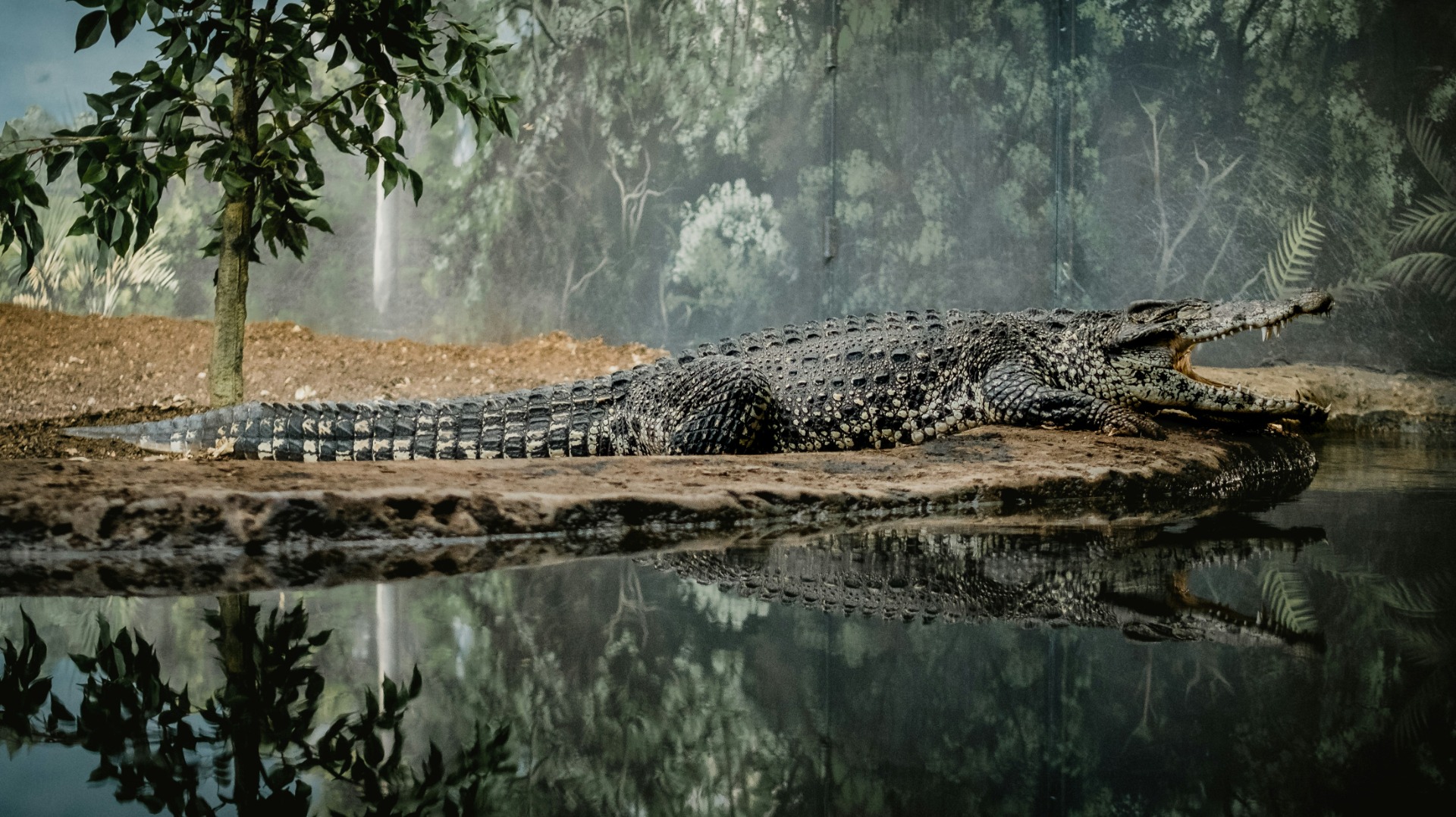
A quiet boat ride on the Kazinga Channel reveals hippos wallowing beside Nile crocodiles, while nearby savannas host buffalo herds shadowed by lions. These Ugandan wildlife moments blend drama with intimacy, showing how thoughtful pacing transforms standard game drives into lasting ecological insights.
The Rich Tapestry of Ugandan Wildlife
Uganda's position at the crossroads of East and Central African habitats creates a remarkable diversity that few other destinations can match. Its landscapes range from the snow-capped peaks of the Rwenzori Mountains to the lowland rainforests of Budongo, supporting species that have adapted to vastly different conditions within relatively short distances. This biological crossroads has allowed for the coexistence of forest elephants and savanna elephants, alongside specialised primates found nowhere else in such concentrations.
With approximately 5,000 chimpanzees distributed across its protected areas, Uganda maintains some of the highest primate densities on the continent. These figures, drawn from recent surveys conducted between 2018 and 2022, highlight the success of habitat preservation efforts that have stabilised populations even as pressures mount elsewhere in the region. The country's 10 national parks and numerous community-managed reserves create a network that protects critical migration corridors and breeding grounds.
Ugandan wildlife moments invite us to slow down and witness the subtle rhythms that govern these ecosystems, revealing connections that hasty observation often misses.
Iconic Species and Their Habitats
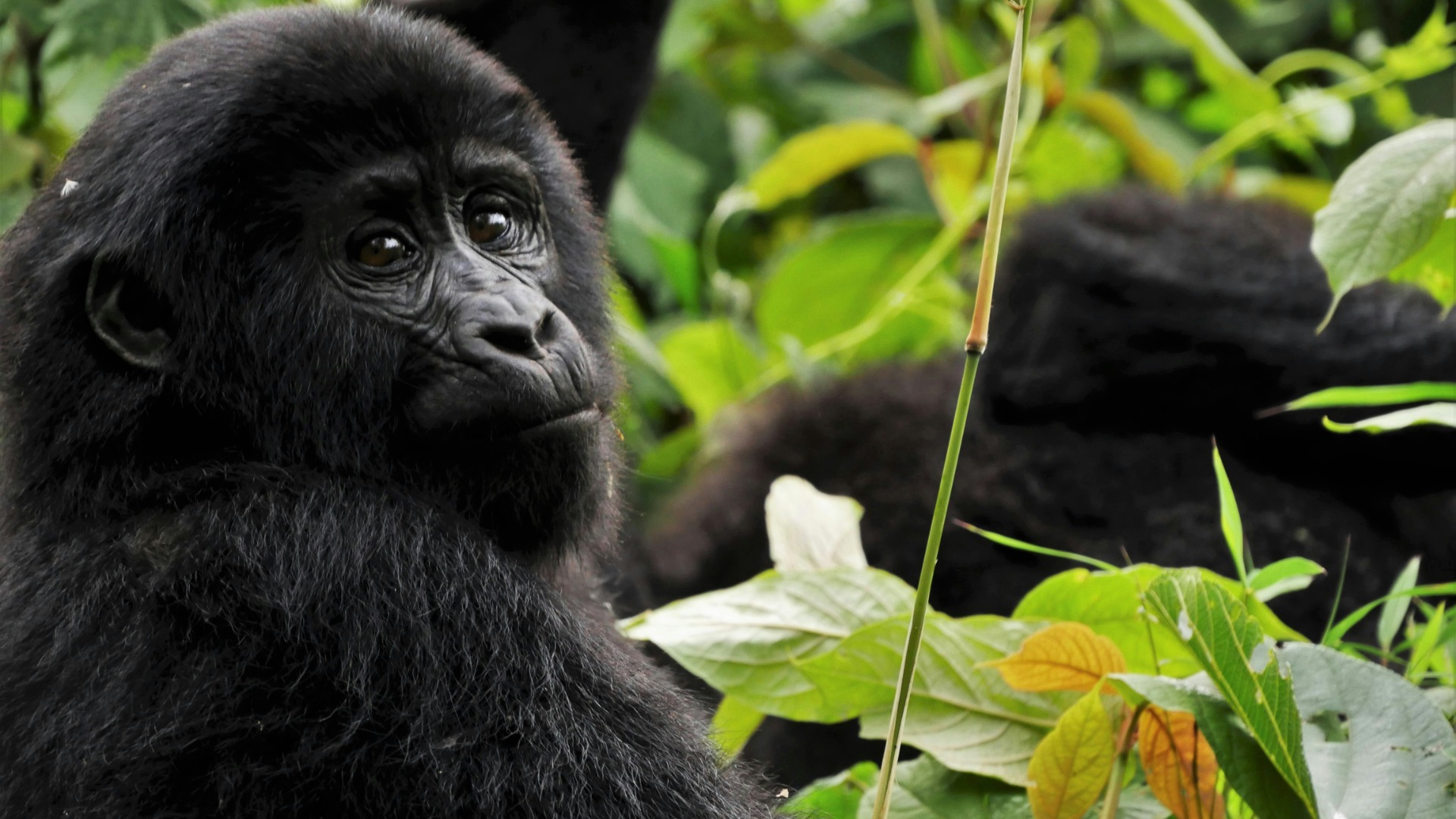
Mountain gorillas represent perhaps the most celebrated element of Ugandan wildlife, with the Bwindi Impenetrable National Park hosting roughly half of the world's remaining population of 1,063 individuals as of the 2023 census. These gentle giants, weighing up to 220 kilograms, demonstrate complex social structures within family groups that typically number between 10 and 30 members. Their presence has transformed local economies while simultaneously driving rigorous anti-poaching measures that benefit countless other species.
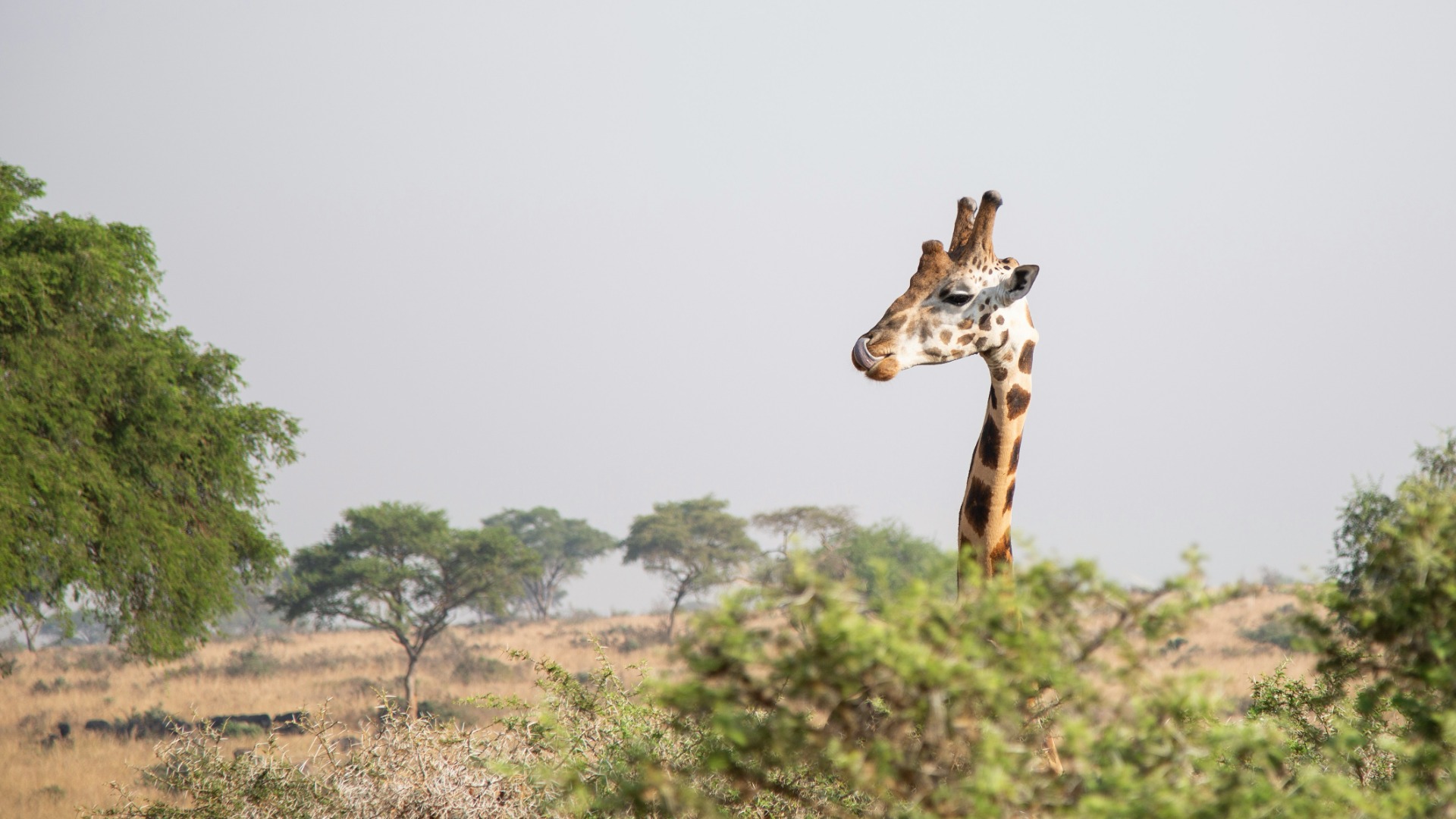
In the north, Uganda's Murchison Falls National Park shelters the country's largest population of Rothschild's giraffes, with current estimates placing their numbers at around 1,500. These elegant browsers share the acacia-dotted plains with buffalo herds that can exceed 2,000 strong, creating dramatic predator-prey dynamics with resident lion prides. The park's namesake waterfall, where the Nile River squeezes through a narrow gorge, adds an auditory dimension to wildlife viewing that heightens every encounter.

Wildlife Moments in Uganda: Beyond the Expected
Ugandan wildlife moments distinguish themselves through their intimacy and the context they provide for understanding larger ecological systems. Rather than simply ticking off species lists, these experiences encourage travellers to consider the roles each animal plays within its environment. A seemingly simple observation of red colobus monkeys alarm-calling at an approaching crowned eagle tells a story of intricate food webs and evolutionary adaptations that have developed over millennia.
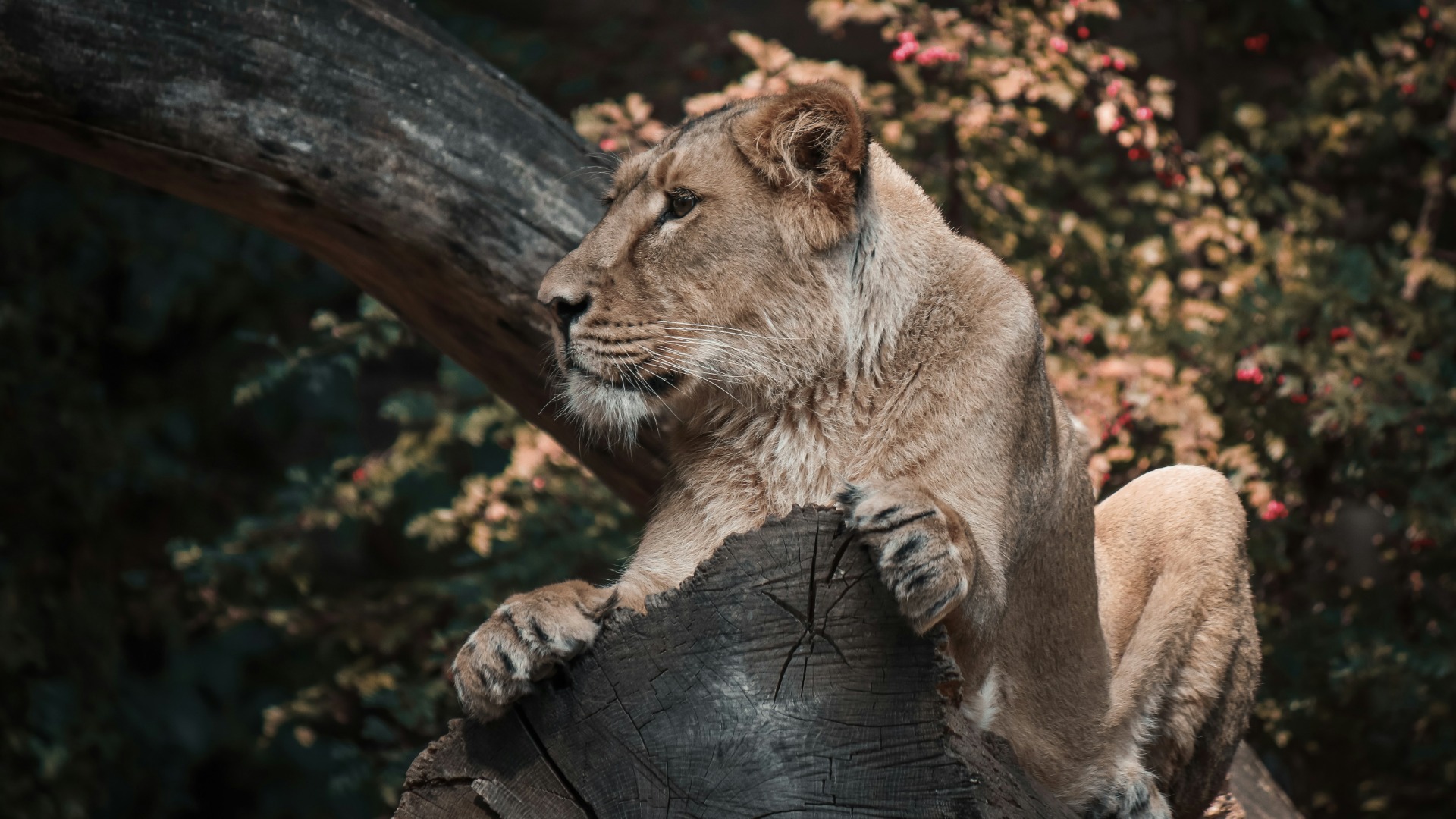
Tree-climbing lions in Queen Elizabeth National Park offer another example of behaviour that rewards patient observation. While lions across much of Africa rarely ascend trees, the prides here have developed this habit, possibly to escape biting tsetse flies or to gain better vantage points across the savanna. Documented since the 1990s, this behaviour has become a signature element of the park's wildlife character, with specific prides known to favour certain fig trees.
The most memorable Ugandan wildlife moments often occur not with dramatic charges or kills, but in the quiet intervals between action when animals simply exist within their landscapes.
Seasonal Patterns That Shape Sightings
The best time to witness Ugandan wildlife varies significantly depending on both location and target species. In the southwest, gorilla trekking conditions improve during the drier months from June to September and December to February, when trails through Bwindi's dense undergrowth become less muddy. These periods coincide with improved visibility for birdwatching, when over 350 species become more active in the forest canopy.
Northern parks experience their peak wildlife viewing from December to March, when water sources concentrate animals around permanent rivers and lakes. During these months, elephant herds numbering up to 50 individuals gather along the Nile, creating opportunities to observe complex family interactions. Recent studies from 2021 indicate that elephant populations in Murchison Falls have increased by approximately 12 percent since 2015, reflecting successful management strategies.
Conservation Success Stories in Ugandan Landscapes
Uganda's conservation achievements stand as testament to the effectiveness of community-involved protection models. The mountain gorilla population has more than doubled since the 1980s, growing from an estimated 250 individuals to over 1,000 today. This recovery, documented through annual monitoring by the Uganda Wildlife Authority and international partners, demonstrates how tourism revenue can directly fund habitat protection and local development projects.
Similar successes appear in the restoration of chimpanzee habitats in Kibale National Park, where former logging areas have been rehabilitated since the early 1990s. Current research shows that the park now supports 13 primate species, including the highest density of red colobus monkeys recorded anywhere in Africa. These conservation victories extend beyond flagship species to encompass entire ecosystems, with improved water quality in surrounding rivers and increased forest cover measured at 7 percent between 2010 and 2020.
Community conservancies bordering national parks have played a crucial role in these outcomes. In the areas surrounding Bwindi Lodge, local initiatives have reduced illegal snare incidents by 85 percent over the past decade while creating sustainable income sources through beekeeping and craft production. These programmes illustrate how Ugandan wildlife moments can create tangible benefits that extend far beyond the immediate viewing experience.

Every gorilla trek or chimpanzee habituation session contributes directly to the preservation of forests that serve as the lungs of East Africa, connecting individual encounters to planetary health in ways that statistics alone cannot convey.
Experiencing Uganda's Diverse Ecosystems
Uganda's protected areas offer remarkably different wildlife encounters within a single journey. Travellers might begin in the volcanic highlands of Mgahinga Gorilla National Park, where golden monkeys leap through bamboo stands before moving to the expansive wetlands of Lake Mburo National Park. Here, impala and zebra graze alongside eland, creating scenes reminiscent of East African plains but with the added dimension of acacia woodlands that support over 300 bird species.
The experience of tracking habituated chimpanzee troops in Kibale Forest provides another dimension to understanding primate behaviour. Groups of up to 150 individuals demonstrate sophisticated tool use and hunting strategies that researchers have documented since the 1980s. Morning expeditions often reveal mothers carrying infants just weeks old, while afternoon sessions might focus on complex vocal communications that echo through the forest for kilometres.
Practical Considerations for Meaningful Encounters
Preparing for Ugandan wildlife moments requires more than simply booking activities. Physical fitness matters particularly for gorilla trekking, where hikes can last between two and seven hours at altitudes reaching 2,500 metres. Most operators recommend training with weighted backpacks for at least two months prior to departure, focusing on both cardiovascular endurance and leg strength.
Photography equipment choices should reflect the environments where different species occur. Telephoto lenses between 200mm and 400mm prove ideal for capturing gorilla expressions without intrusion, while wider angle lenses help document the broader forest context. Understanding light conditions proves equally important, as the dense canopy in many areas creates challenging low-light situations that reward those who have practised shooting in similar conditions beforehand.
How These Moments Transform Our Understanding
The true value of Ugandan wildlife moments lies not in the photographs taken but in the perspective shifts they create. Witnessing a silverback gorilla making a decision that protects his family from a perceived threat, or observing chimpanzees sharing food according to complex social rules, challenges simplistic views of animal behaviour. These observations reveal cognitive abilities and emotional capacities that blur traditional boundaries between human and non-human worlds.
Many travellers return from these experiences with renewed commitment to environmental causes, having seen first-hand how individual actions affect distant ecosystems. The knowledge that revenue from a single gorilla permit helps fund education for hundreds of local children creates powerful connections between personal journeys and global conservation outcomes. This awareness often extends long after the safari ends, influencing choices about consumption, travel and advocacy.
Recent research from 2022 indicates that participants in well-designed wildlife encounters show measurable increases in environmental knowledge and pro-conservation behaviours that persist for at least three years following their visits. These findings underscore the educational potential of thoughtfully structured safaris that prioritise depth over volume of sightings.
Planning Your Journey Into Uganda's Wild Heart
Creating a safari that captures meaningful Ugandan wildlife moments requires careful consideration of pacing, location sequencing and activity selection. A typical two-week itinerary might combine primate tracking in the southwest with boat-based wildlife viewing in the north, allowing time for both immersive forest experiences and more relaxed observation of riverine ecosystems. The key lies in building sufficient buffer days to accommodate weather variations and to allow for unhurried appreciation of each environment.
For discerning travellers seeking a private safari beyond our set itineraries, we invite you to contact us directly. We specialise in designing exceptional, tailor-made journeys for individuals, couples, families, and private groups of up to eight guests. Drawing on our handpicked network of distinguished camps and lodges, we curate every detail with precision and care, creating a seamless, deeply personal safari experience shaped entirely around your preferences, pace, and budget.
Whether your interests lie in documenting complex primate social structures, photographing rare birds, or simply absorbing the sensory richness of African wilderness, reaching out to Encounters Africa opens possibilities for journeys that resonate long after your return. Our deep understanding of Uganda's protected areas allows us to craft experiences that balance sought-after sightings with the space for unexpected discoveries that often prove most memorable.
Consider combining your Ugandan adventure with exploration of Rwanda's Volcanoes National Park for comparative gorilla experiences, or extending your journey to experience the river-based wildlife viewing in Zambia's national parks. These complementary destinations enrich understanding of regional conservation challenges and successes while offering contrasting landscapes and wildlife behaviours.
The forests and savannas of Uganda await those ready to engage deeply with its wildlife. Through patient observation and respectful presence, each traveller becomes part of the story of Africa's ecosystems, carrying forward insights that strengthen global commitment to their protection.
More like this
wildlife
How Uganda's Biodiversity Hotspots Defy Expectations in Primate and Wetland Domains
Wildlife
How Zambia's Iconic Species Time Their Seasonal Movements Across Floodplains
Wildlife
In the Heart of the Delta, Where Zebras and Lions Share the Same Horizon
wildlife
Inside Queen Elizabeth National Park: How Uganda Blends Open Savannah Drives with Primate Treks
Wildlife
Inside Rwanda’s Volcanoes: How Mountain Gorillas Structure Their Day
wildlife