wildlife
How Ugandan Wildlife Behaviors Shift Across Seasonal Habitats
Encounters Africa - 9 min read
Updated on 9 July 2026
Ugandan wildlife and habitats reveal a complex dance of adaptation as animals adjust their daily routines and seasonal movements to the rhythms of rain and drought. From the dense rainforests of the southwest to the arid plains of the northeast, species like mountain gorillas, African elephants and Uganda kob demonstrate remarkable flexibility in foraging, breeding and social interactions. This article explores how these behaviours shift across the country's varied landscapes throughout the year.
Uganda hosts over 340 mammal species and more than 1,000 bird varieties, supported by ten national parks and numerous community reserves. The best time to witness these behavioural changes is during the two wet seasons, from March to May and September to November, when water sources concentrate wildlife activity. Understanding these patterns enriches any safari experience and highlights the delicate balance that conservation efforts must maintain.
The habits of animals in Uganda are not fixed but fluid, responding to subtle shifts in rainfall, temperature and vegetation that transform familiar landscapes into entirely new worlds.
Understanding Uganda's Diverse Habitats
Uganda's geography creates a mosaic of environments that directly influence wildlife behaviour. In the west, the Albertine Rift forests such as Bwindi Impenetrable National Park offer thick canopy cover and year-round moisture. These montane forests support species that rely on stable food sources but must navigate steep terrain and limited visibility.
Further east, Queen Elizabeth National Park spans savannah, wetlands and forest, while Murchison Falls National Park features dramatic waterfalls, riverine habitats and open grasslands. In the northeast, Kidepo Valley National Park presents semi-arid plains where animals must travel greater distances between resources. Each habitat demands different survival strategies from its residents.
The transition between wet and dry seasons dramatically alters these spaces. During the dry months from December to February and June to August, waterholes become focal points for gathering, while the rains bring an explosion of new growth that disperses herds across wider areas. These cyclical changes shape everything from elephant migration routes to primate feeding schedules.
The Impact of Altitude and Climate Variation
With elevations ranging from 600 metres in the northeast to over 5,000 metres on the Rwenzori Mountains, Uganda experiences significant climatic differences within short distances. Higher altitudes in areas like Mgahinga Gorilla National Park bring cooler temperatures that influence gorilla ranging patterns, with groups moving to lower slopes during colder periods.
These variations create micro-habitats where animals develop specialised behaviours. Forest elephants in the Semuliki Valley, for instance, follow regular paths through dense vegetation, creating tunnels that other species later utilise. Such habitual movements demonstrate how individual species shape their own environments over time.

In Uganda, the landscape itself seems alive with intention, as generations of animals carve paths, maintain clearings and distribute seeds in patterns that have persisted for centuries.
How Ugandan Wildlife Behaviors Shift Across Seasonal Habitats
The habits of animals in Uganda transform noticeably between seasons as they respond to changing resource availability. During the wet seasons, increased vegetation supports larger herds and more frequent breeding activity, while dry periods force animals to concentrate around permanent water sources, making sightings more predictable for observers.
Research from the Uganda Wildlife Authority shows that elephant family groups in Kidepo Valley increase their daily travel distance by up to 40 percent during dry seasons, covering up to 25 kilometres in search of food. This extended movement affects their social interactions, with larger aggregations forming at scarce water points where information about distant resources is exchanged.
Primates display particularly interesting adaptations. Chimpanzees in Kibale National Park adjust their hunting strategies seasonally, focusing more on colobus monkeys during periods when fruit is less abundant. Their tool-use behaviours also vary, with more frequent termite fishing observed during the wetter months when insect activity peaks.
Seasonal Foraging Patterns
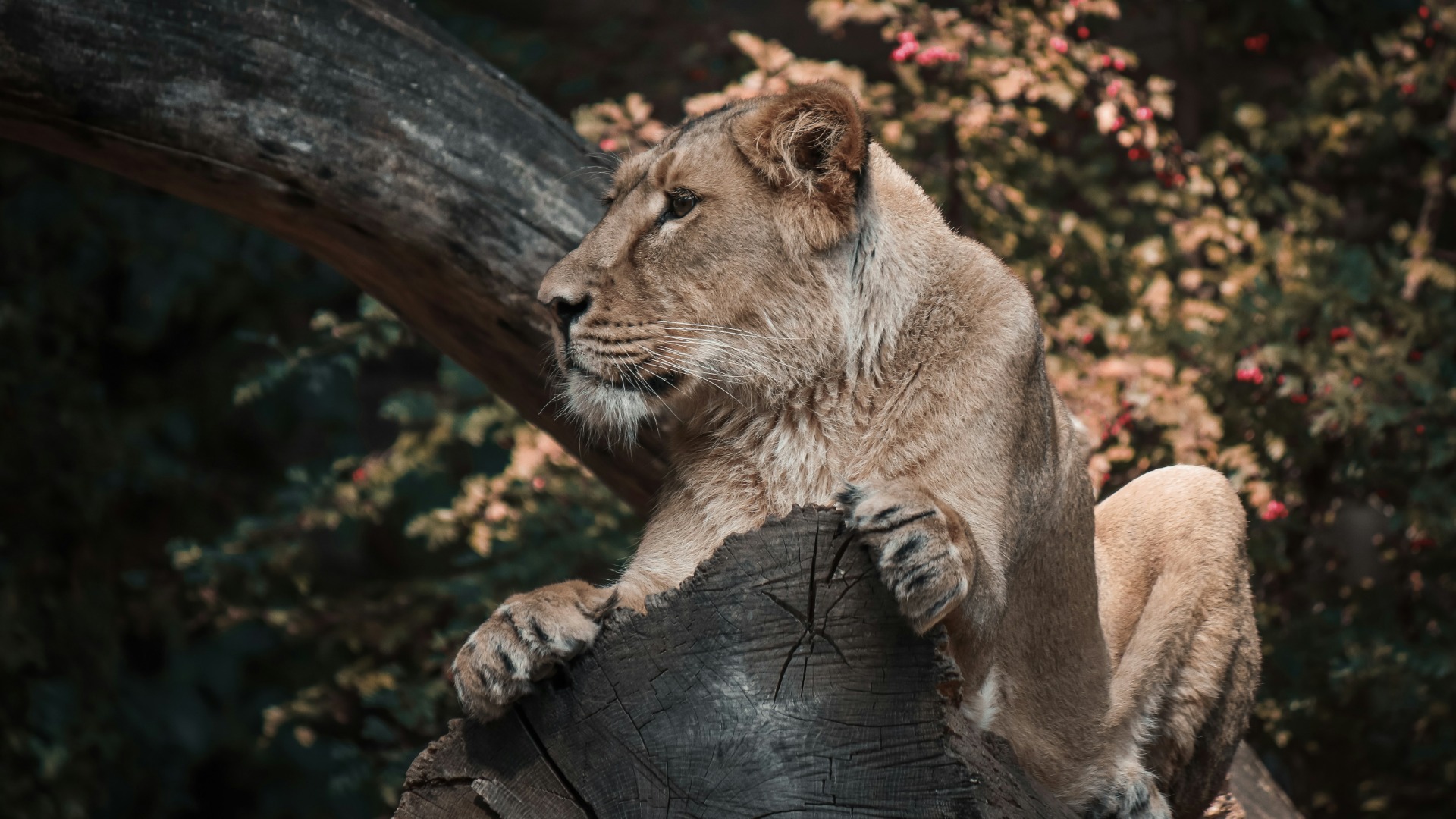
Ugandan wildlife and habitats create a calendar of food availability that drives daily routines. In the dry season, many herbivores shift to browsing rather than grazing, targeting nutritious leaves and bark. This change influences predator behaviour, as lions in Queen Elizabeth National Park adapt their hunting techniques to target different prey species that become more vulnerable.
Frugivorous birds and primates time their movements around fruiting cycles of specific trees. Figs, for example, provide a keystone food source that sustains multiple species through periods of scarcity. The predictable fruiting of these trees creates temporary gathering points where diverse animals interact in ways rarely seen during abundant seasons.
Daily Rhythms of Key Species
Beyond seasonal shifts, the habits of animals in Uganda follow distinct daily patterns shaped by temperature and light. Many species are most active during the cooler hours of dawn and dusk, retreating to shade or cover during the heat of the day. This crepuscular activity creates optimal viewing opportunities for visitors on morning and evening game drives.
Uganda kob, the country's national antelope, display elaborate territorial behaviours on their leks throughout the day. Males defend small patches of ground where females come to mate, with peak activity occurring in early morning when temperatures remain moderate. These displays offer fascinating insights into social hierarchy and mate selection.
Tree-climbing lions in Ishasha, a sector of Queen Elizabeth National Park, have developed the unusual habit of spending much of their day resting in fig trees. This behaviour likely evolved as a way to escape biting flies and gain better vantage points for spotting prey across the savannah.
Elephant Family Dynamics
Elephant herds demonstrate sophisticated communication and decision-making that changes with seasonal conditions. During wet periods, family groups fragment into smaller units to take advantage of widespread resources, while dry seasons see them coalesce into larger gatherings that can number over 100 individuals.
Matriarchs play crucial roles in remembering the location of distant water sources during drought years. Studies have documented elephants in northern Uganda travelling to specific locations based on memories that span decades, highlighting the importance of older females in maintaining cultural knowledge within herds.
Every footprint left by an elephant in Ugandan soil tells a story of memory, family bonds and the ancient knowledge that guides these remarkable animals through changing landscapes.
Conservation Challenges and Adaptive Behaviours
As climate patterns shift, the habits of animals in Uganda face new pressures. Prolonged dry seasons and unpredictable rainfall are forcing species to adapt more rapidly than ever before. Conservation organisations are monitoring these changes closely to understand how protected areas might need to evolve.
Community involvement has proven essential for protecting wildlife corridors that allow animals to move between seasonal habitats. In areas bordering national parks, initiatives that provide alternative livelihoods have reduced poaching by 70 percent in some regions over the past decade, according to recent reports.
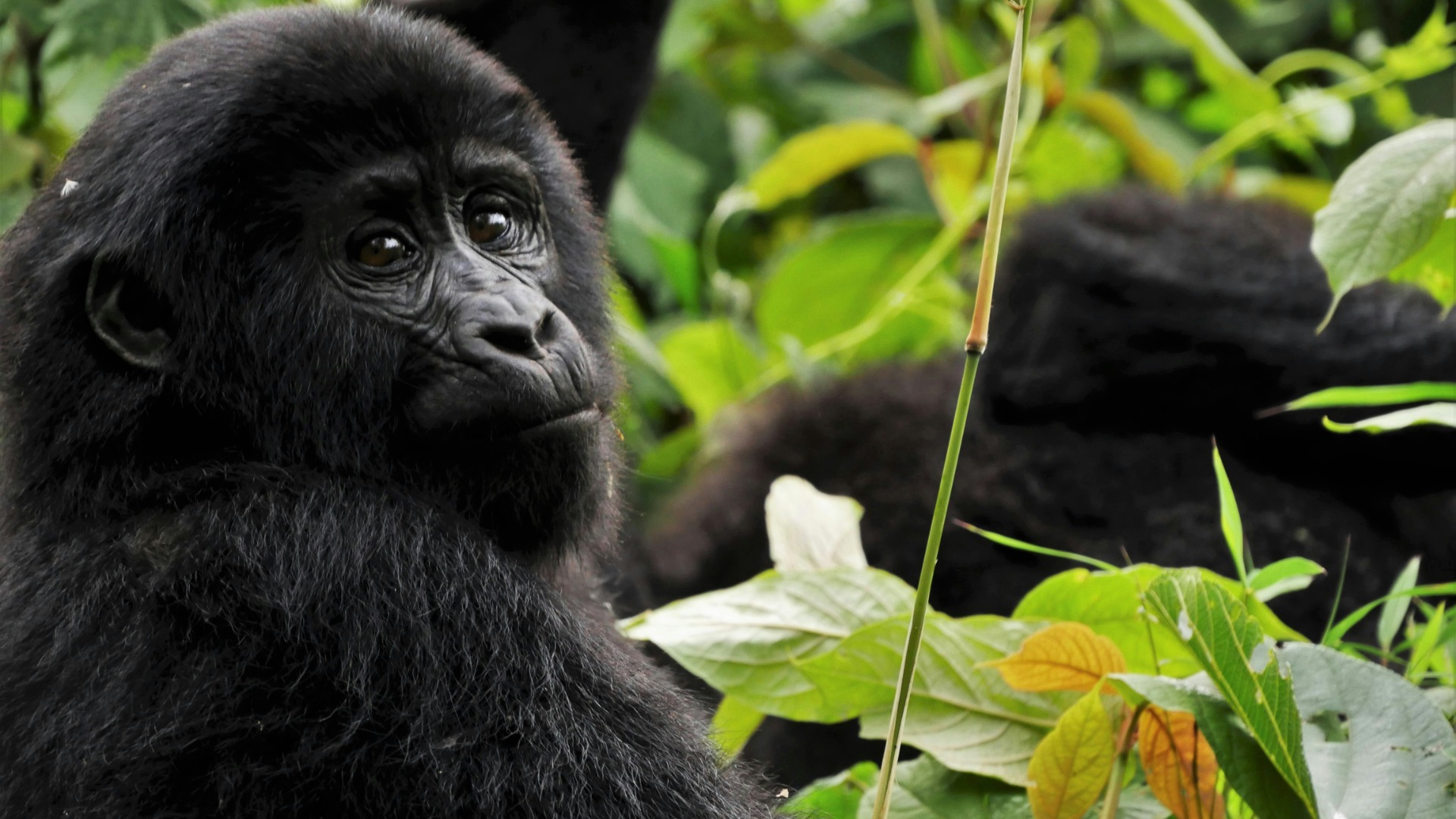
The mountain gorillas of Bwindi and Mgahinga demonstrate how focused conservation can influence behaviour. Habituation to human presence has altered their ranging patterns slightly, with groups spending more time in areas where they encounter researchers and visitors, yet their core social structures remain intact.
Protecting Migratory Routes
Many species undertake seasonal movements that cross park boundaries into community lands. Zebra in Kidepo Valley follow traditional routes that have been used for generations, but expanding agriculture threatens these pathways. Understanding these habits of animals in Uganda is crucial for creating effective conservation strategies that extend beyond protected areas.
Successful projects have included the creation of community conservancies that allow both wildlife movement and sustainable human activities. These models offer promising approaches for balancing the needs of Ugandan wildlife and habitats with growing local populations.

What to Expect When Observing Ugandan Wildlife
Visitors to Uganda should prepare for an experience quite different from the open savannah safaris found further south. The dense forests require patience and different observation techniques, with sounds often revealing more than sights. Early morning mist in Bwindi creates an ethereal atmosphere for gorilla tracking that few forget.
In savannah areas, the sheer variety of birdlife adds another dimension to game viewing. Over 600 species have been recorded in Queen Elizabeth National Park alone, with many displaying fascinating behaviours tied to specific seasonal conditions. Professional guides help interpret these subtle interactions that might otherwise go unnoticed.
Photography enthusiasts should note that light conditions vary dramatically between habitats and seasons. The golden light of early morning in Kidepo contrasts sharply with the diffused, misty light of the western forests, each presenting unique challenges and opportunities.
Best Practices for Responsible Viewing
Maintaining appropriate distances and following park regulations helps ensure that wildlife behaviours remain as natural as possible. The Uganda Wildlife Authority has established clear guidelines for gorilla trekking that limit group sizes to eight people and require visitors to stay at least seven metres from the animals.
Choosing responsible operators who work closely with local communities ensures that tourism revenue supports both conservation and human development. This approach helps secure the future of Ugandan wildlife and habitats for generations to come.
True appreciation of Uganda's wildlife comes not from ticking off species but from understanding the intricate connections between animals, their habits and the living landscapes that sustain them.
Planning Your Encounter with Uganda's Wildlife
Whether tracking mountain gorillas through ancient forests or watching elephants gather at remote waterholes, experiencing these behavioural patterns creates profound connections with the natural world. The country's relatively compact size allows travellers to visit several distinct habitats within a single journey, witnessing how the same species might behave differently across landscapes.
For discerning travellers seeking a private safari beyond our set itineraries, we invite you to contact us directly. We specialise in designing exceptional, tailor-made journeys for individuals, couples, families, and private groups of up to eight guests. Drawing on our handpicked network of distinguished camps and lodges, we curate every detail with precision and care, creating a seamless, deeply personal safari experience shaped entirely around your preferences, pace, and budget.
Consider combining a gorilla trekking experience in Rwanda with exploration of Ugandan habitats, or pair your Ugandan safari with time at Bwindi Lodge for an immersive forest stay. Our guides can help you understand the subtle behavioural cues that reveal so much about these remarkable animals and their environments.
At Encounters Africa, we believe that knowledge deepens appreciation. By understanding how Ugandan wildlife and habitats interact across seasons, travellers gain insights that transform a simple game drive into a window into complex ecological relationships. We look forward to helping you discover these wonders for yourself.
Please visit our enquiry form to begin planning your journey into the heart of Uganda's wild places.
More like this
Wildlife
How Ugandan Wildlife Moments Forge Deeper Connections to Africa's Ecosystems
wildlife
How Uganda's Biodiversity Hotspots Defy Expectations in Primate and Wetland Domains
Wildlife
How Zambia's Iconic Species Time Their Seasonal Movements Across Floodplains
Wildlife
In the Heart of the Delta, Where Zebras and Lions Share the Same Horizon
wildlife
Inside Queen Elizabeth National Park: How Uganda Blends Open Savannah Drives with Primate Treks
Wildlife