Wildlife
How Zambia's Iconic Species Time Their Seasonal Movements Across Floodplains
Encounters Africa - 9 min read
Updated on 24 July 2026
Zambia's wildlife habits and migration patterns reveal an intricate dance shaped by the rhythms of flood and drought. From the Luangwa Valley to the Kafue floodplains, iconic species follow precise seasonal movements driven by water, forage and predator pressure. This article examines key species' habits and migration triggers to help travellers time their visits for peak sightings.
Understanding these cycles offers more than academic interest. It allows those planning a safari in Zambia to witness dramatic concentrations of animals at their most active. Encounters Africa draws on decades of guiding experience and the latest ecological data to illuminate when and why these movements occur across the country's varied landscapes.
The Seasonal Pulse of Zambia's Floodplains
Zambia's floodplains expand and contract with remarkable precision. The annual flooding, fed by rainfall in Angola's highlands, typically reaches its peak between February and April. As waters recede from May onwards, vast grasslands emerge, drawing herbivores in their thousands.
This transformation creates one of Africa's great wildlife spectacles. The nutrient-rich soils left by receding floods support a flush of fresh grazing, while shrinking waterholes concentrate both prey and predators. The result is a landscape alive with movement, sound and opportunity for close observation.
The floodplains do not simply host wildlife; they orchestrate its every move with the quiet authority of seasonal change.
Water as the Great Conductor
Water dictates the tempo of life here more than any other factor. When the floods arrive, many species retreat to higher ground. As they drain away, animals return in waves, each responding to different cues. The precise timing of these movements varies slightly each year, influenced by rainfall totals that average between 800 and 1200 millimetres annually across the region.
Experienced guides monitor these patterns closely. They know that a late flood can delay the return of certain grazers by several weeks, while an early dry season might force predators to hunt more aggressively around remaining water sources.

Zambia's Iconic Species and Their Migration Habits
Several of Zambia's most celebrated animals have developed sophisticated strategies for exploiting the changing seasons. Their movements reflect millions of years of adaptation to this dynamic environment.
The Thunder of Wildebeest and Zebra
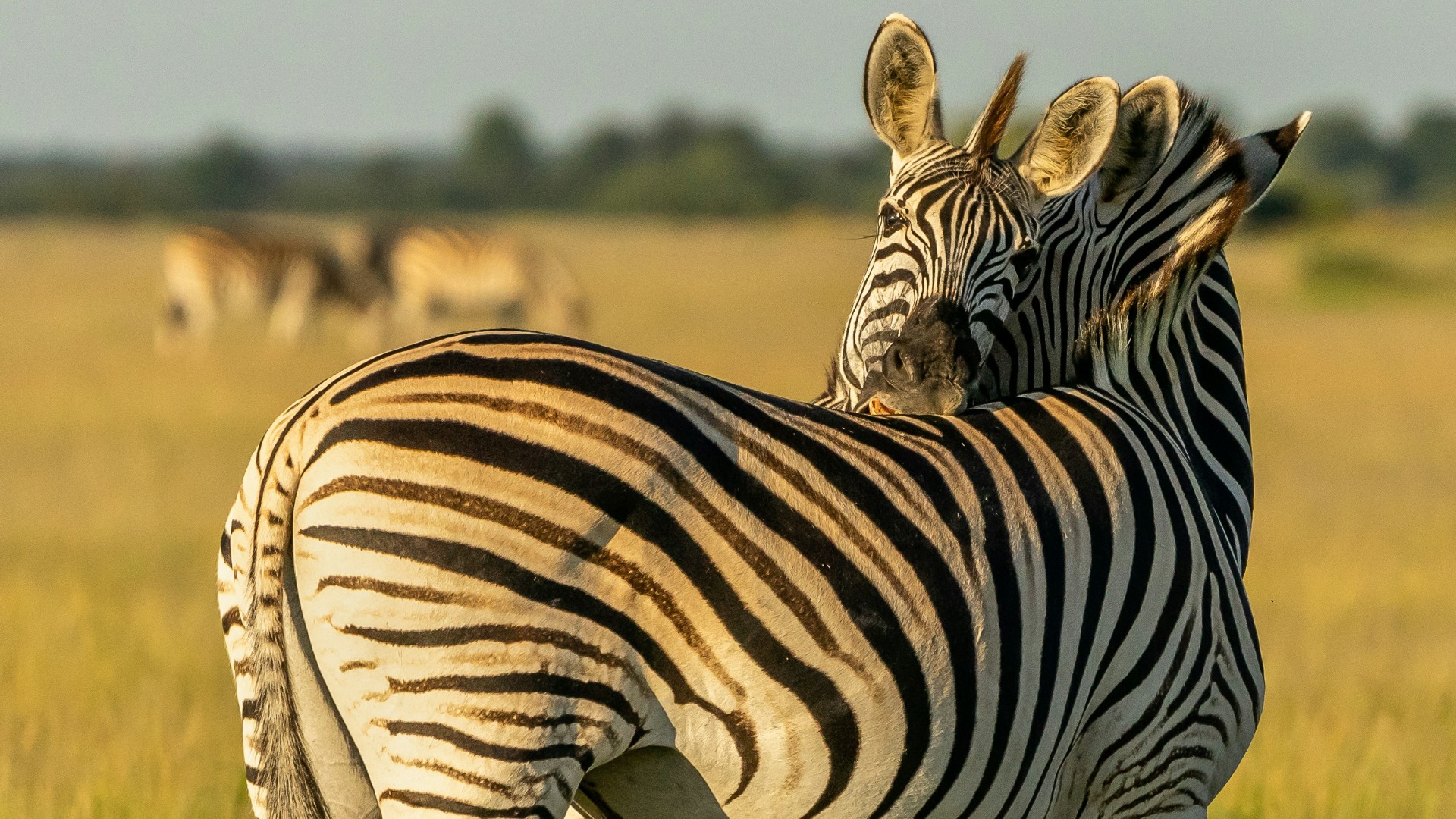
While not on the same scale as the famous Serengeti migration, Zambia hosts significant wildebeest and zebra movements, particularly in the Liuwa Plain and Kafue region. In Liuwa, around 40,000 wildebeest participate in a seasonal circuit that begins as the rains arrive in November.
These animals time their calving to coincide with the first green shoots of the wet season, when predator numbers are dispersed across the widening plain. By April, as waters rise, they move to drier ground, only returning as the floods recede later in the year.
Zebra follow similar patterns but with subtle differences. Their stronger digestive systems allow them to tackle coarser grasses that wildebeest avoid, meaning they often arrive slightly later in freshly flooded areas. This staggered grazing creates a natural succession that benefits the entire ecosystem.
Elephants: Masters of Memory and Movement
Elephants in Zambia demonstrate remarkable spatial memory, following traditional routes between permanent water and seasonal feeding grounds. In the Luangwa Valley, family groups typically move from the riverine forests during the dry season to the surrounding woodlands as rains begin.
Research from South Luangwa National Park shows that elephants can travel up to 60 kilometres in a single journey between water sources during the height of the dry season. Their movements create pathways that other species later follow, making them true landscape engineers.
An elephant never forgets a route that once brought water during times of thirst, and generations follow the same paths worn deep into the earth.
Predators Following the Prey
Lions, leopards and African wild dogs adjust their territories according to the movements of their prey. In the Kafue floodplains, lion prides expand their ranges during the wet season when prey is more dispersed, then contract around shrinking waterholes as the dry months progress.
Wild dogs, with their extraordinary stamina, can cover up to 50 kilometres in a single hunting expedition. Their movements often mirror those of impala and puku, species that concentrate along the edges of receding floodwaters. The dry season from June to October typically offers the best opportunities to observe these efficient hunters in action.
Key Triggers Behind Wildlife Movements
The seasonal habits of Zambia's wildlife respond to three primary factors that interact in complex ways throughout the year.
The Role of Rainfall and Flooding
Rainfall patterns across the Zambezi River catchment directly influence when and where animals move. The rains usually begin in late October or November, though climate records show increasing variability. A strong El Niño year, for instance, might see delayed rains and altered migration timing across the entire region.
As floodwaters advance, they create a moving feast for fish-eating birds and certain antelope species. The arrival of the floods also triggers breeding events for many amphibians and insects, providing sudden abundance that ripples up the food chain.
Forage Quality and Availability
The nutritional value of grasses changes dramatically with the seasons. Fresh growth following the first rains offers high protein content ideal for lactating females. Later in the wet season, as grasses mature, many herbivores shift to browsing or move to areas with different soil types that support varied vegetation.
This constant search for optimal forage explains why certain species appear to move almost constantly. What looks like random wandering to the untrained eye actually follows sophisticated patterns developed over countless generations.
Predation Pressure and Safety in Numbers
Many herbivores time their movements to minimise encounters with predators. Large concentrations offer safety through numbers, while dispersing during certain seasons can make individuals harder to locate. The balance between these strategies shifts throughout the year.
Predators themselves must balance energy expenditure with hunting success. During the dry season, when prey concentrates around water, lions may hunt less frequently but with higher success rates. This efficiency allows them to conserve energy for the more challenging conditions of the wet season.
Best Times to Witness Zambia's Wildlife Movements
Knowing when to visit different regions of Zambia dramatically improves the quality of your safari experience. Each area offers distinctive seasonal highlights.
The Luangwa Valley: June to October
The dry season transforms the Luangwa into one of Africa's premier wildlife viewing destinations. As water sources diminish, animals concentrate along the permanent river and its oxbow lagoons. October often brings the most intense concentrations, with thousands of animals visible from a single vantage point.
This period also offers excellent leopard viewing, as these solitary cats become more visible when vegetation thins. The combination of dramatic light, concentrated wildlife and fewer mosquitoes makes this an ideal time for those seeking classic safari experiences.
Kafue National Park: July to November
The vast Kafue floodplains reveal their secrets as waters recede. The Busanga Plains in the north offer spectacular game viewing from July onwards, with large herds of red lechwe, zebra and wildebeest. Predators follow, creating dynamic interactions throughout the day.
Further south, the Kafue River and its tributaries become focal points for wildlife. The combination of boat and vehicle safaris allows for particularly intimate encounters with species such as sitatunga and puku that thrive in these wetland environments.
Timing your visit to coincide with these natural rhythms transforms a good safari into an unforgettable journey of discovery.
Liuwa Plain National Park: November to April
For those seeking one of Africa's least-visited wildlife spectacles, Liuwa offers something special during the wet season. The wildebeest migration here reaches its peak between November and January, with dramatic skies and vast open landscapes providing a different aesthetic to the more famous East African migrations.
The park's remote location means visitor numbers remain low, allowing for a sense of wilderness that has become increasingly rare. Access is typically by charter flight from Lusaka, with the journey itself becoming part of the adventure.

How Climate Change May Affect Future Patterns
Like many African ecosystems, Zambia's floodplains face mounting pressures from a changing climate. Recent studies indicate that rainfall patterns have become less predictable, with more extreme events becoming common.
Longer dry seasons could force certain species to travel greater distances between water sources, increasing energy demands and potentially affecting breeding success. Conversely, more intense flooding events might disrupt traditional calving grounds and alter the composition of plant communities that animals rely upon.
Conservation organisations are working with local communities to monitor these changes and develop adaptive management strategies. Understanding these evolving patterns will become increasingly important for those planning future wildlife journeys.
Planning Your Safari Around Wildlife Movements
Successful safari planning in Zambia requires flexibility and expert guidance. The most rewarding experiences often come from combining different regions and seasons to witness a variety of behaviours.
Consider beginning in the Luangwa Valley during the dry season before moving to the floodplains as they begin to fill. This progression allows you to follow the natural movement of animals across the landscape rather than remaining static in one location.
Working with a specialist operator ensures that your itinerary can adapt to actual conditions on the ground. Rainfall patterns vary annually, and experienced operators maintain constant communication with their camps and guides to optimise your experience.
Discovering Zambia's Wildlife Rhythms with Encounters Africa
The seasonal movements of Zambia's iconic species represent one of nature's most compelling dramas. From the thunder of hooves across the Liuwa Plain to the quiet concentration of predators along shrinking watercourses, each region and season offers its own revelations.
By understanding these patterns, travellers can position themselves to witness wildlife at its most dynamic. The difference between seeing scattered animals and experiencing the full spectacle of a floodplain coming to life can be measured in weeks rather than months.
For discerning travellers seeking a private safari beyond our set itineraries, we invite you to contact us directly. We specialise in designing exceptional, tailor-made journeys for individuals, couples, families, and private groups of up to eight guests. Drawing on our handpicked network of distinguished camps and lodges, we curate every detail with precision and care, creating a seamless, deeply personal safari experience shaped entirely around your preferences, pace, and budget.
Whether you wish to follow the movements of wild dogs in Flatdogs Camp, track elephants through the woodlands of South Luangwa, or witness the dramatic gatherings on the Kafue floodplains, Encounters Africa can craft an itinerary that brings you into harmony with Zambia's natural rhythms. Begin planning your journey today and discover how these ancient patterns continue to shape one of Africa's most remarkable wildlife destinations.
More like this
Wildlife
In the Heart of the Delta, Where Zebras and Lions Share the Same Horizon
wildlife
Inside Queen Elizabeth National Park: How Uganda Blends Open Savannah Drives with Primate Treks
Wildlife
Inside Rwanda’s Volcanoes: How Mountain Gorillas Structure Their Day
wildlife
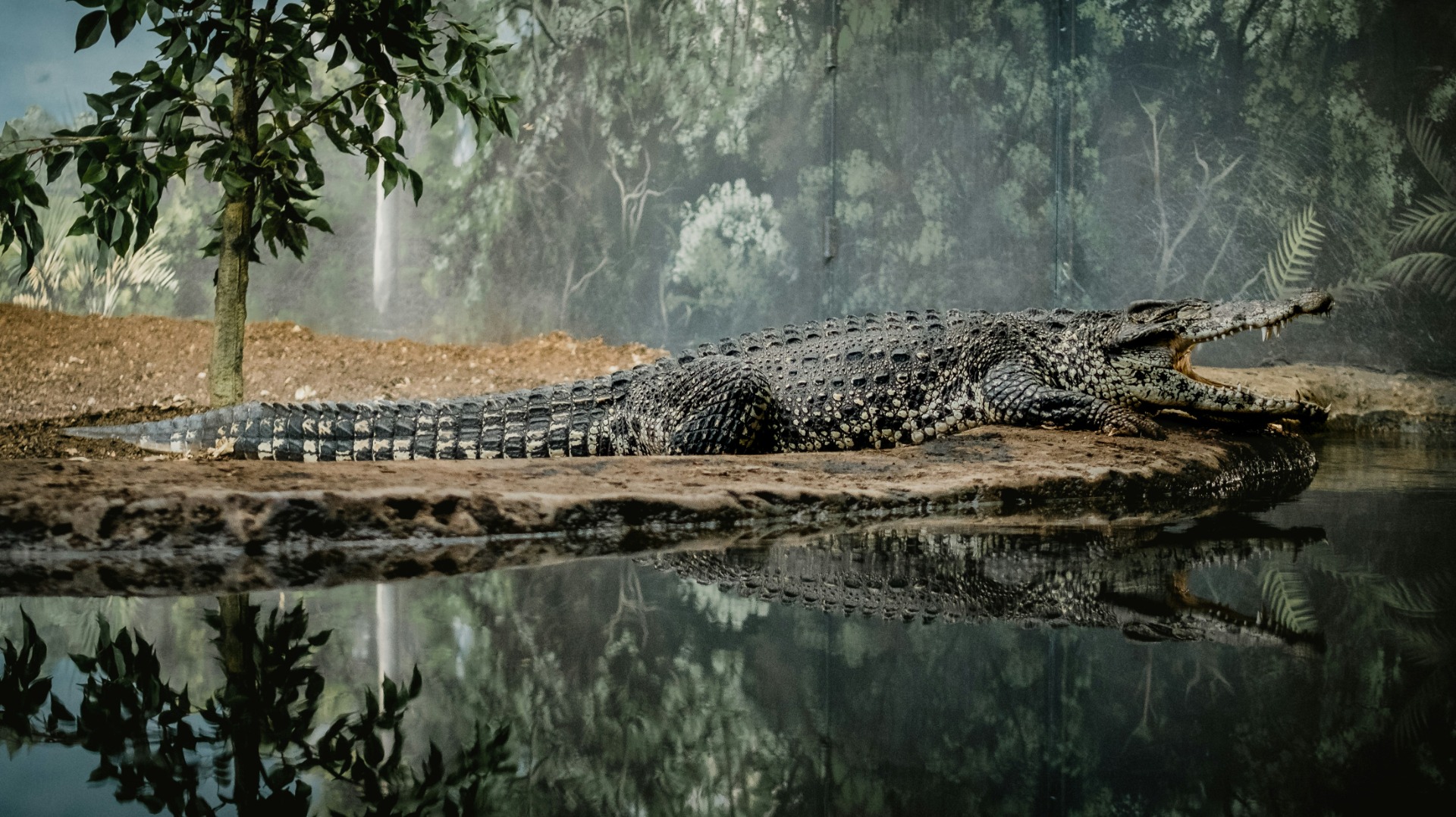
Inside the Crocodile Clan: How Africa's Ancient Reptiles Maintain Rigid Social Orders
Wildlife
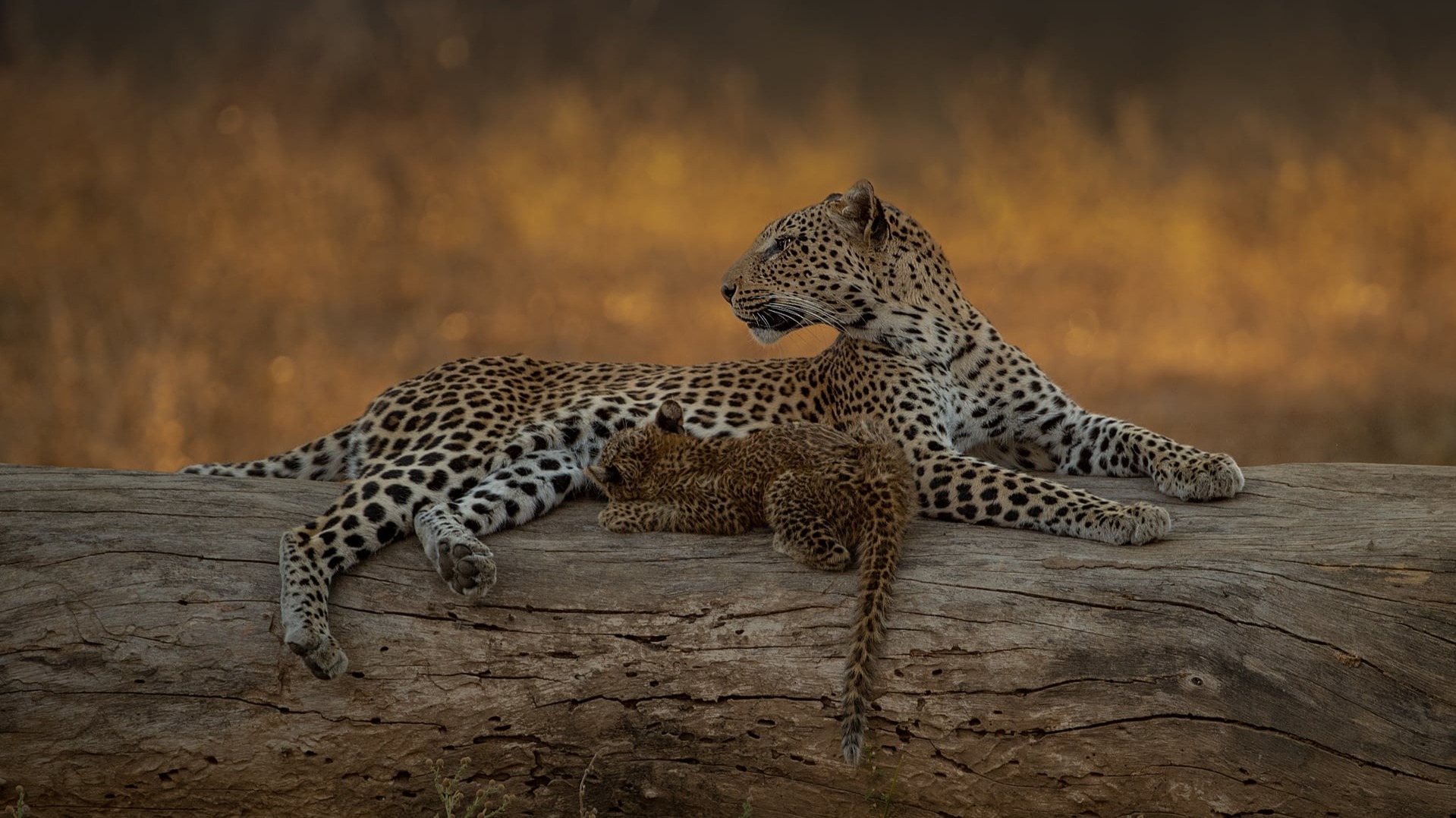
Inside the Quiet Efforts That Keep Tanzania's Elephants Roaming Free
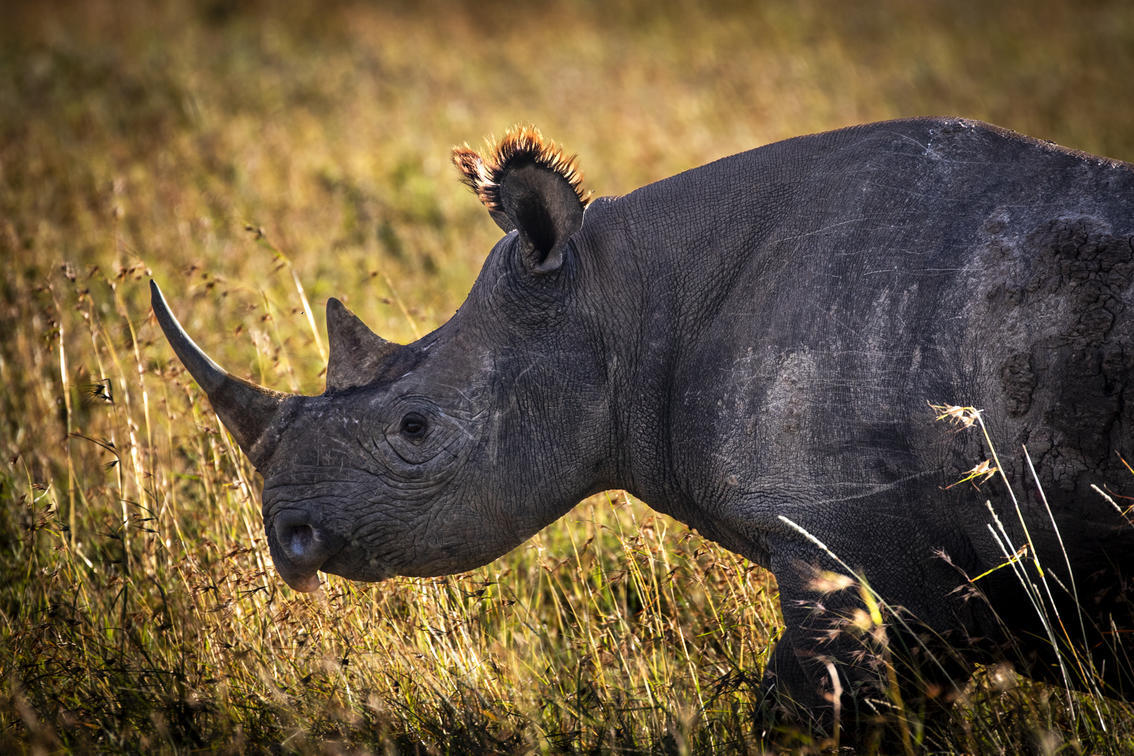
wildlife