wildlife
How Uganda's Biodiversity Hotspots Defy Expectations in Primate and Wetland Domains
Encounters Africa - 6 min read
Updated on 1 May 2026
Mountain gorillas trek Virunga flanks in Bwindi, hippo pods wallow Kazinga Channel, Nile lechwe graze Murchison floodplains. Dry season peaks Dec-Feb, Jun-Aug boost visibility amid equatorial rhythms. Uganda's biodiversity hotspots defy expectations by blending dense primate forests with expansive wetlands, hosting over 1,000 bird species, 108 mammals, and rare endemics like the Rwenzori turaco.
This Pearl of Africa surprises with its equatorial diversity, where mist-shrouded volcanoes shelter endangered apes and papyrus-choked swamps conceal prehistoric birds. Travellers witness intimate primate encounters alongside vast savanna spectacles, all within a compact nation spanning just 241,038 square kilometres. Encounters Africa guides reveal these unexpected realms, far beyond typical safari circuits.
Primate Paradises: Gorillas and Chimpanzees in Misty Forests
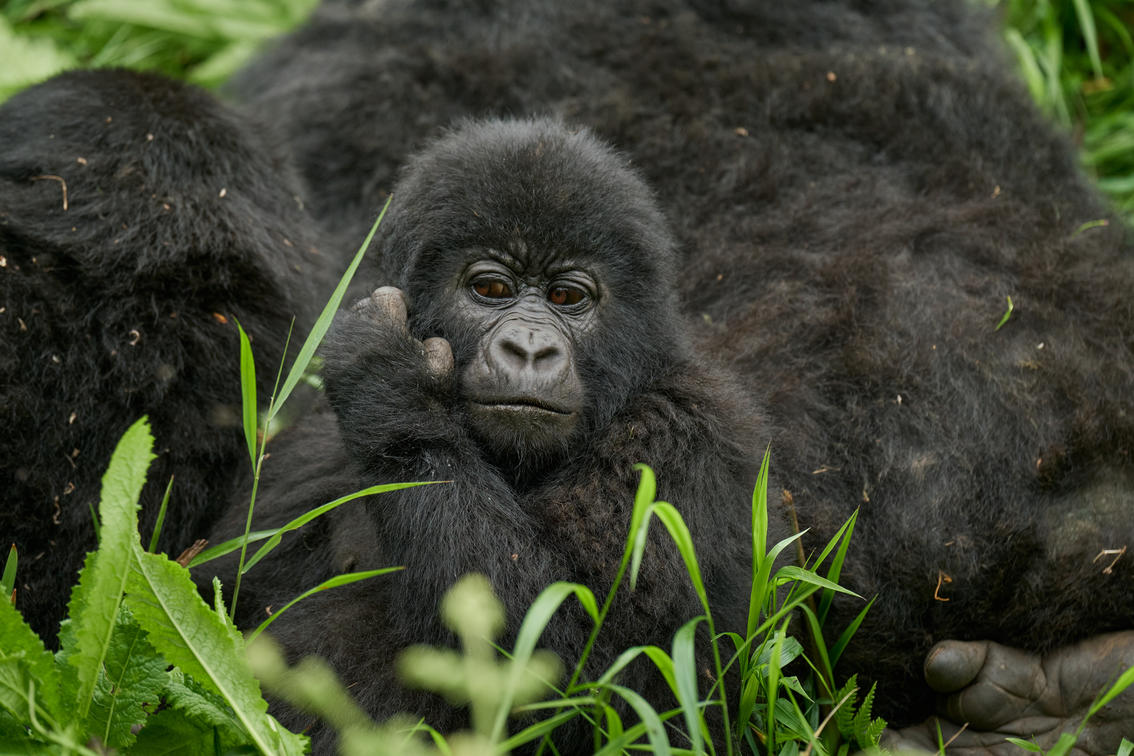
Bwindi Impenetrable National Park harbours half the world's mountain gorilla population, around 600 individuals across 331 square kilometres of tangled montane jungle. Silverbacks lead family groups through vine-draped undergrowth, their deep chest beats echoing as they forage on wild celery and bamboo shoots. Permits for gorilla trekking, limited to 16 visitors per group daily, ensure minimal disturbance while offering profound encounters at eye level.
Kibale National Park, neighbouring Uganda, crowns itself Africa's primate capital with 1,500 chimpanzees amid 795 square kilometres of rainforest. These highly social beings swing through buttress-rooted giants, their whoops piercing the canopy at dawn. Habituation efforts allow extended observation sessions, revealing tool use like nut-cracking with stones, behaviours unseen in most wild troops.
Semliki National Park adds golden monkeys and black-and-white colobus to the roster, their troops bounding through semi-deciduous woodlands near the DRC border. These lesser-known primates thrive in under-visited groves, where guides spot elusive pygmy chimpanzees in adjacent Congo Basin extensions.
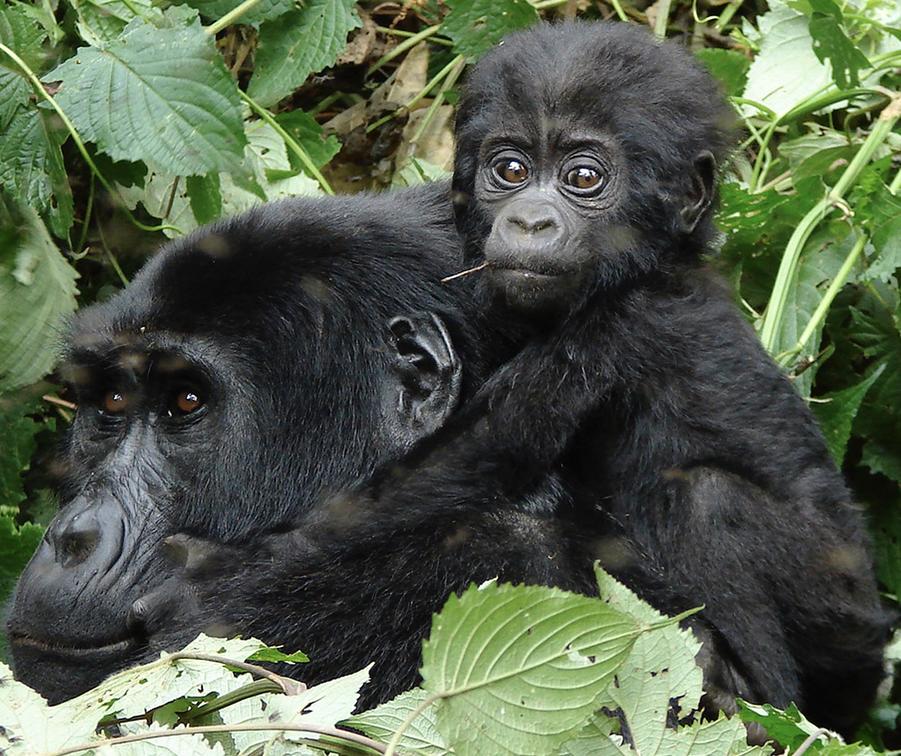
In Uganda's forests, primates do not merely exist—they command the canopy with intelligence that mirrors our own restless curiosity.
Wetland Wonders: Hippos, Shoebills and Aquatic Elusive Gems
Queen Elizabeth National Park's Kazinga Channel links Lakes George and Edward, teeming with 5,000 hippos in cavernous pods that churn the 40-kilometre waterway into frothy chaos. Crocodiles lurk submerged, lunging at thirsty antelope, while Nile buffalo herds quench along papyrus fringes. Boat safaris here deliver front-row views of this aquatic frenzy, especially at dusk when grunts reverberate across the water.
Murchison Falls National Park spans 3,840 square kilometres of Nile-dominated wetlands, where 700 Nile lechwe antelopes graze floodplains fringed by acacia stands. These slender ungulates, adapted to swampy realms, evade predators with graceful leaps through shallow marshes. The park's shoebill storks—prehistoric giants standing 1.5 metres tall—stake motionless in papyrus, spearing lungfish with precision bills.
Lake Mburo National Park offers a wetland twist with impala and eland navigating fever-tree savannas around its namesake lake. Rotational grazing by zebras prevents overbrowsing, sustaining biodiversity in this 260-square-kilometre mosaic of open plains and fringing swamps.
Best Times to Witness Uganda's Biodiversity Hotspots
Dry Seasons for Optimal Visibility
The prime windows for Uganda wildlife viewing fall between December to February and June to August, when reduced rainfall concentrates animals around water sources. In Bwindi, drier trails ease gorilla treks, with visibility peaking as mist lifts from Virunga slopes. Temperatures hover at 20-25°C, ideal for multi-day forest immersions.
Murchison Falls sees Nile lechwe herds thicken on exposed floodplains during these months, while Kazinga Channel hippo pods tighten defensively. Birdwatchers tally over 400 species, including migratory Palearctic arrivals from September to March.
Wet Season Surprises and Fewer Crowds
March to May and September to November bring lush greening, birthing newborn primates and ungulates. Fewer visitors mean exclusive encounters, though muddy paths challenge access in remote sectors. Queen Elizabeth's tree-climbing lions descend from branches more frequently amid fruit abundance.
Dry peaks from Dec-Feb and Jun-Aug transform Uganda's wetlands into theatre stages for hippo dramas and shoebill hunts.
Unexpected Species: Beyond the Obvious Icons
Rwenzori Mountains National Park, a UNESCO site, shelters forest elephants—smaller, browner kin to savanna giants—browsing subalpine heather zones up to 4,500 metres. These shy browsers evade detection amid glacial moraines, their dung piles the main evidence for trackers. Giant forest hogs root through bamboo thickets nearby, their tusked snouts upturned in perpetual forage.
Semuliki Valley harbours Central African relics like the blue duiker antelope and pygmy antelope, denizens of Ituri Forest extensions. Over 400 bird species include 11 Congo Basin endemics, such as the Nkulengu rail skulking riverine undergrowth.
Shoebills: 15,000 individuals Africa-wide, with prime Ugandan densities in Mabamba Swamp near Entebbe.
Okapi: Rare Congo overlap sightings in Semuliki, zebra-striped with giraffe necks.
Sitatunga: Marsh antelopes with splayed hooves, evading in Lake Opeta papyrus.
Kidepo Valley National Park in Uganda's northeast defies wetland norms with arid canyons hosting cheetah and striped hyena, their howls carrying across Narus Valley plains.
Conservation Triumphs Shaping Uganda's Wild Domains
Uganda's rebound from 1980s poaching lows showcases community-led successes: Bwindi's gorilla numbers doubled since 1990 through revenue-sharing with 25 parishes. Habituation in Kibale funds anti-deforestation patrols, protecting 250 square kilometres of primary forest annually.
Queen Elizabeth's Kasanka hippo culls transitioned to sustainable tourism, stabilising populations at eco-carrying capacities. Translocation efforts moved 50 Nile lechwe to Murchison, bolstering genetic diversity amid delta encroachments.
Encounters Africa partners with these initiatives, channeling traveller fees into ranger training and anti-snaring units. Over 10,000 snares removed yearly from Mabira Forest alone sustain primate corridors.
Planning Your Journey Through Uganda's Biodiversity Hotspots
Combine Bwindi gorilla permits—booked 90 days ahead—with Kibale chimp tracking for a primate double-header. Fly into Entebbe, then charter to Kasese airstrip for seamless transfers. Expect 8-12 day itineraries blending wetlands and forests, with luxury camps offering plunge pools amid savanna vistas.
Pack waterproof trousers for gorilla hikes, binoculars for shoebill stalks, and malaria prophylaxis year-round. Encounters Africa crafts bespoke routes, integrating cultural village visits with wildlife immersion for holistic experiences.
For multi-destination epics, pair Uganda with neighbouring Rwanda's Volcanoes National Park gorillas or Kenya's Masai Mara migrations. Our experts match lodges like those near Okavango Delta standards to Ugandan wilds.
Embrace Uganda's Defiant Biodiversity Today
Uganda's primate forests and wetland expanses craft narratives of resilience, where ancient lineages persist amid modern pressures. From Virunga silverbacks to Kazinga hippo yawns, these hotspots deliver revelations at every turn. Encounters Africa elevates your journey with insider access and ethical precision.
For discerning travellers seeking private safaris beyond set itineraries, contact us directly at Encounters Africa. We specialise in designing exceptional, tailor-made journeys for individuals, couples, families, and private groups of up to eight guests, drawing on our handpicked network of distinguished camps.
More like this
Wildlife
How Zambia's Iconic Species Time Their Seasonal Movements Across Floodplains
Wildlife
In the Heart of the Delta, Where Zebras and Lions Share the Same Horizon
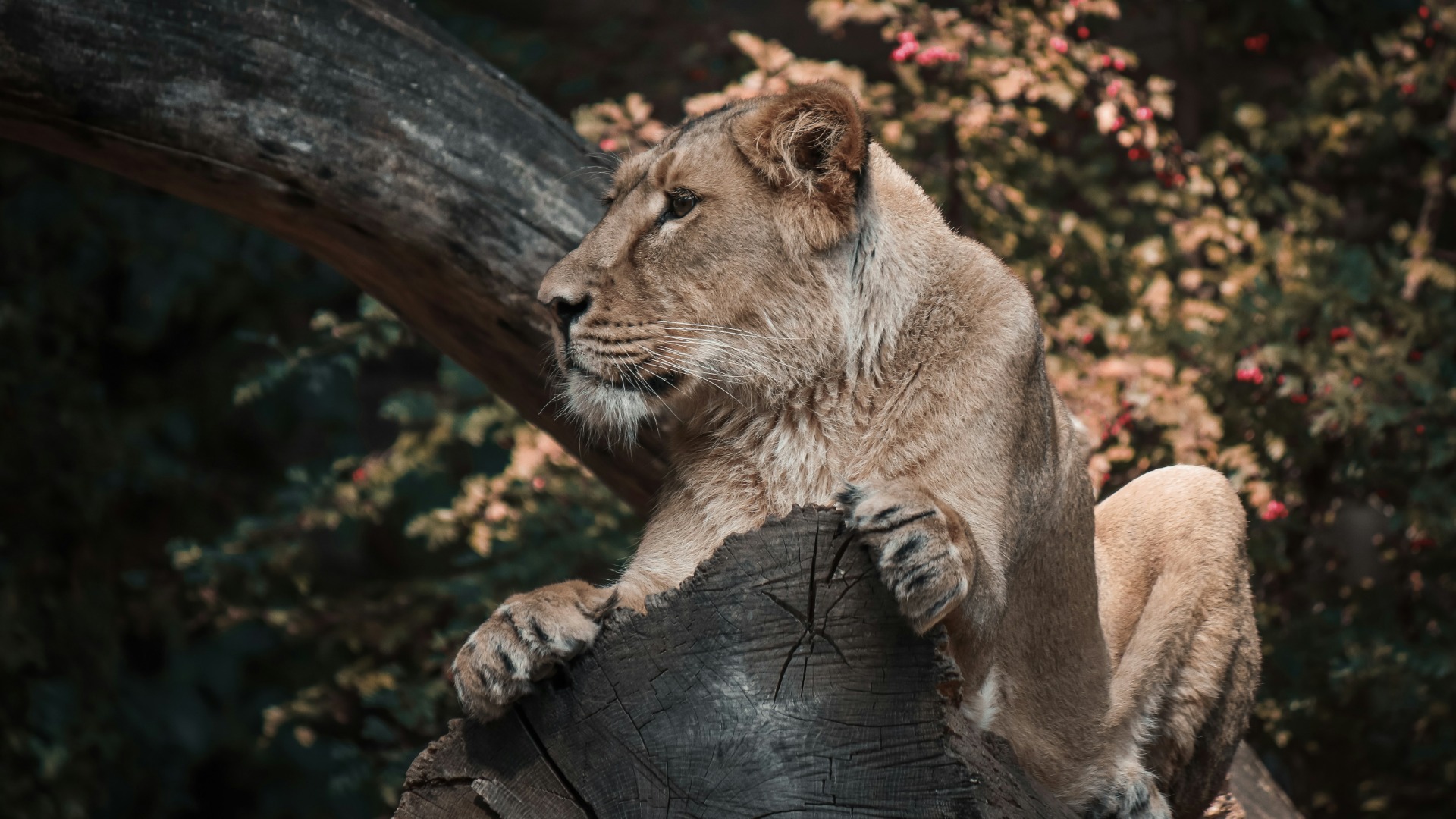
wildlife
Inside Queen Elizabeth National Park: How Uganda Blends Open Savannah Drives with Primate Treks
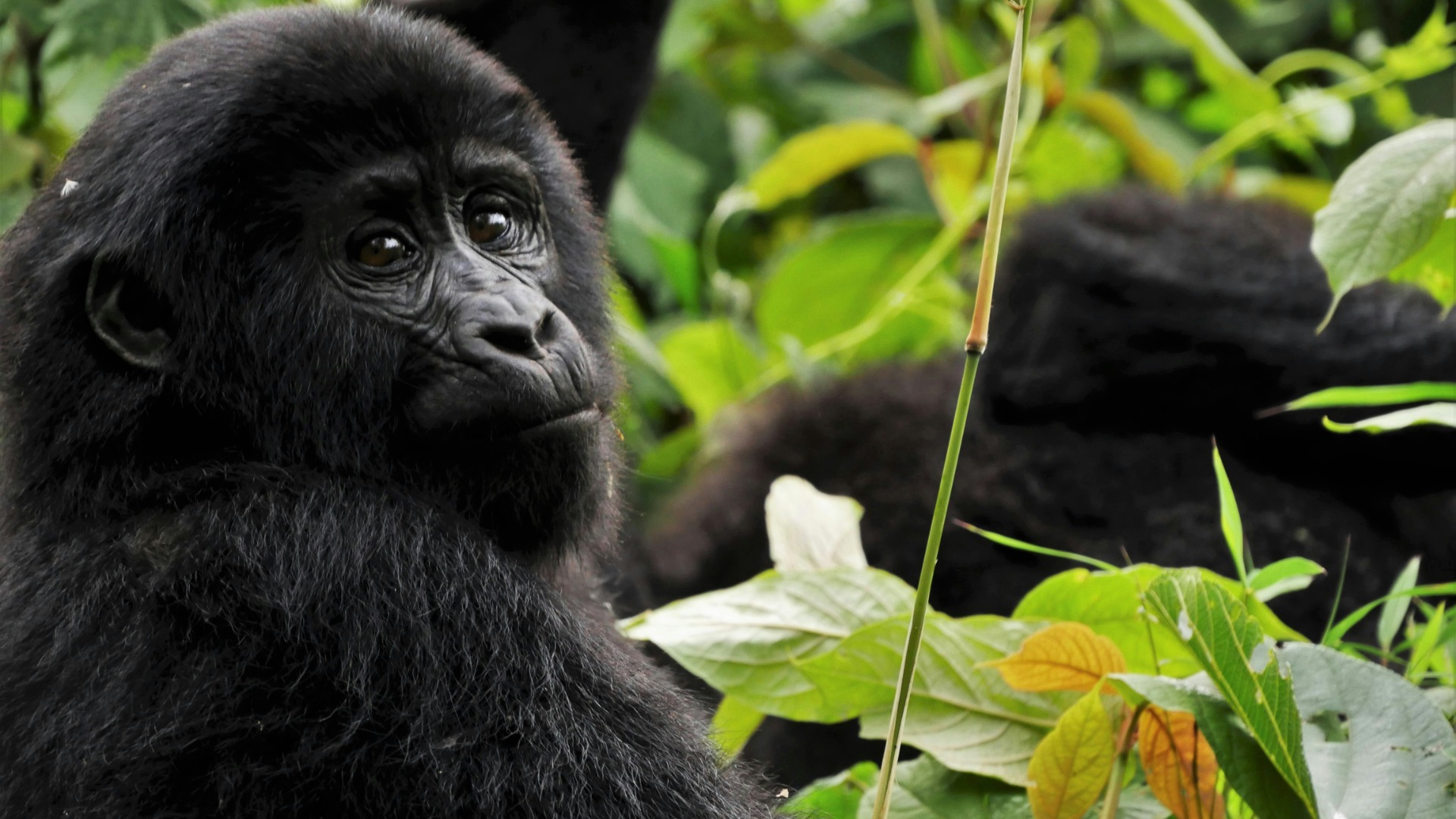
Wildlife
Inside Rwanda’s Volcanoes: How Mountain Gorillas Structure Their Day
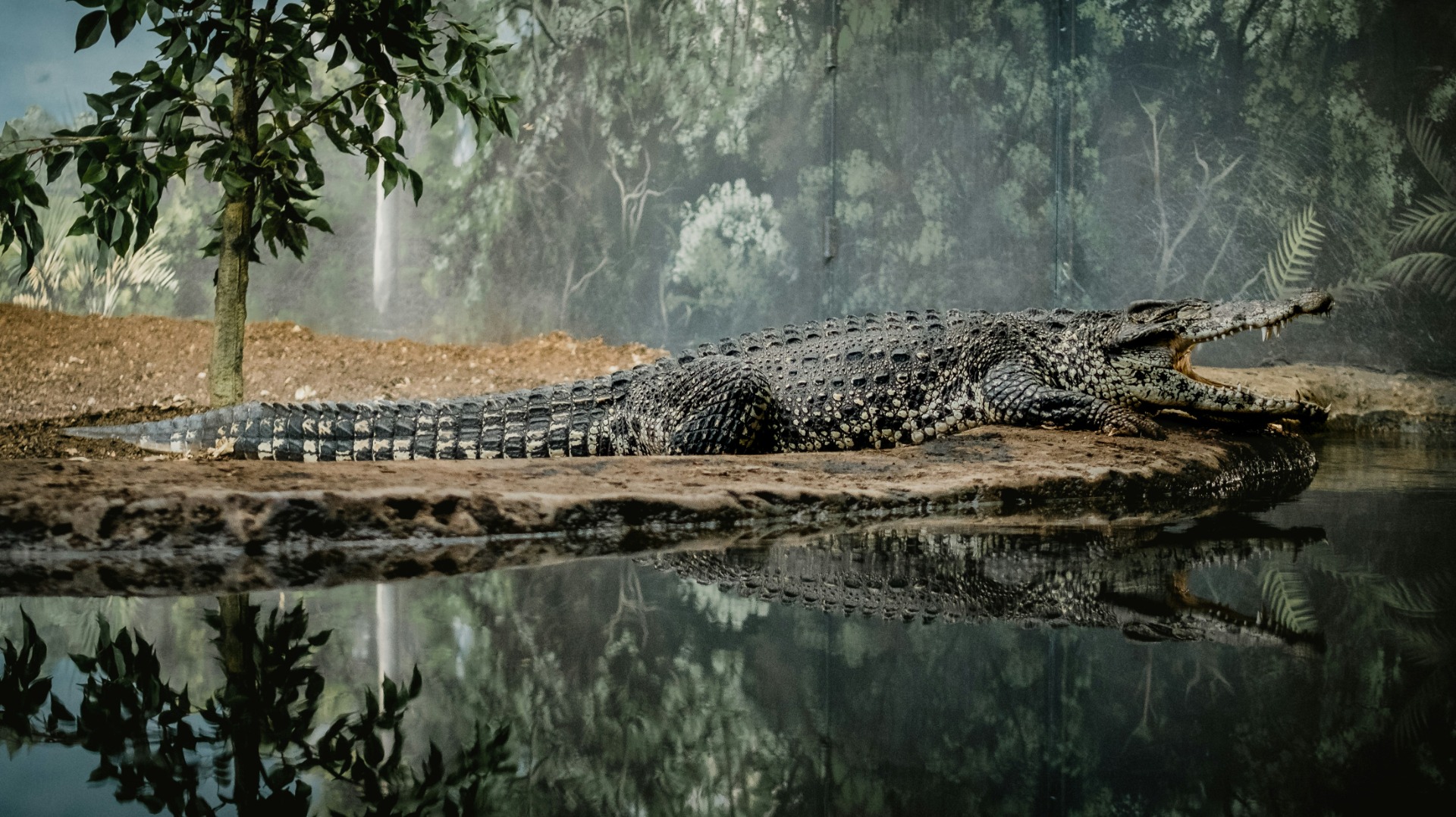
wildlife
Inside the Crocodile Clan: How Africa's Ancient Reptiles Maintain Rigid Social Orders
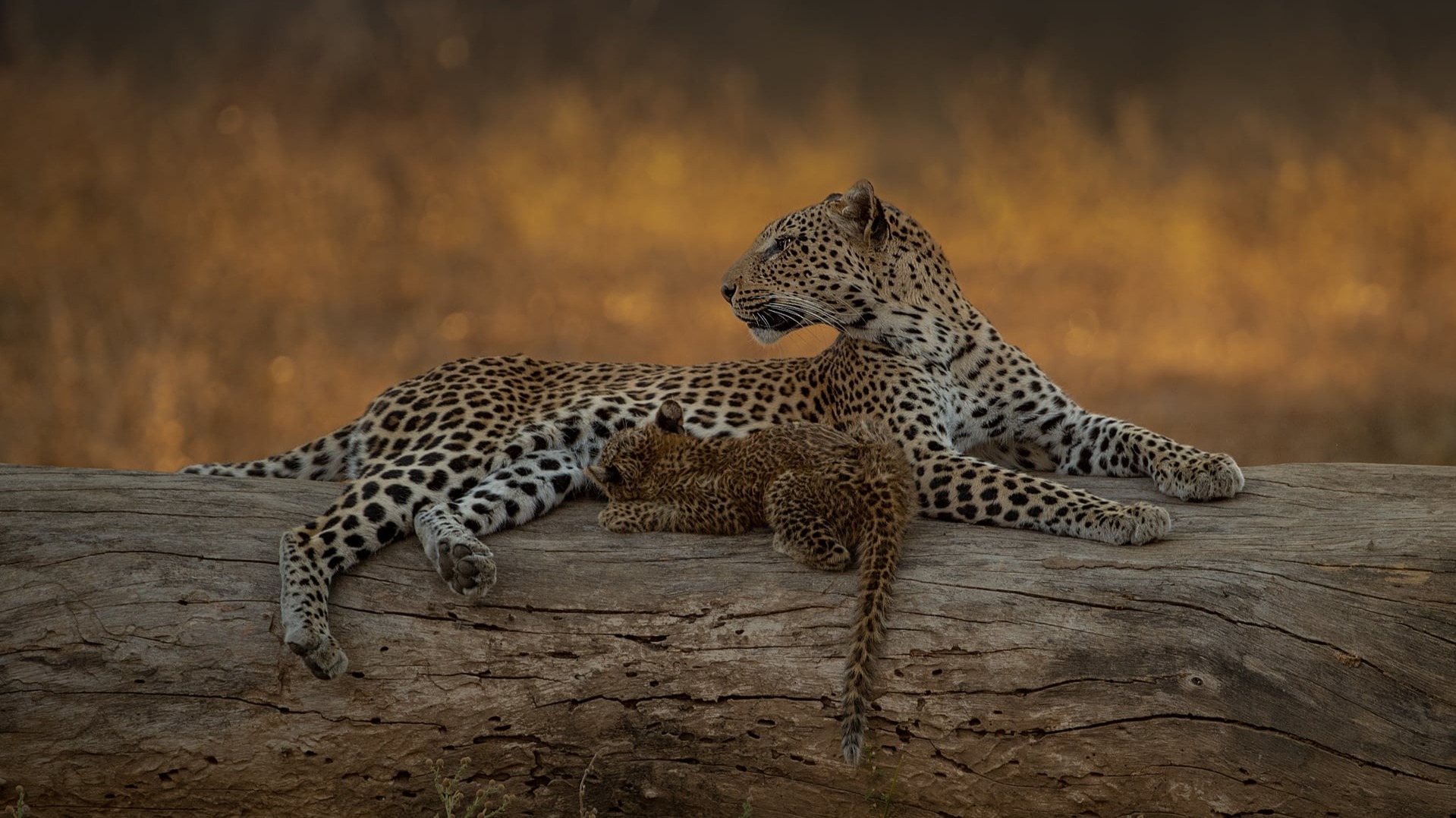
Wildlife