Wildlife
How to Spot South African Wildlife in Kruger Without Disturbing the Herds
Encounters Africa - 11 min read
Updated on 18 June 2026
South African wildlife in Kruger National Park reveals itself through patient observation and a deep respect for natural rhythms. Spanning nearly two million hectares, this iconic reserve hosts one of the largest concentrations of mammals on the continent, with approximately 147 mammal species, over 500 bird varieties, and more than 100 reptile types moving across its diverse landscapes. The best time to visit for optimal sightings is during the dry winter months from May to September, when animals congregate around remaining water sources, though each season offers its own revelations about ecosystem dynamics.
Understanding how to approach these encounters without causing disturbance forms the foundation of responsible wildlife viewing. Encounters Africa guides travellers through these principles, emphasising that true connection comes from quiet presence rather than intrusion. From the subtle signs of a nearby herd to the dramatic moments when predators reveal themselves, Kruger rewards those who learn its language.
The Foundations of Ethical Wildlife Observation in Kruger
Responsible viewing of South African wildlife begins long before your vehicle enters the park gates. Professional rangers and trackers follow strict protocols established over decades of conservation practice, maintaining minimum distances of 20 metres from most large mammals and significantly more from breeding herds or animals showing signs of stress. These guidelines protect both the animals and the quality of your experience, ensuring natural behaviours continue uninterrupted.
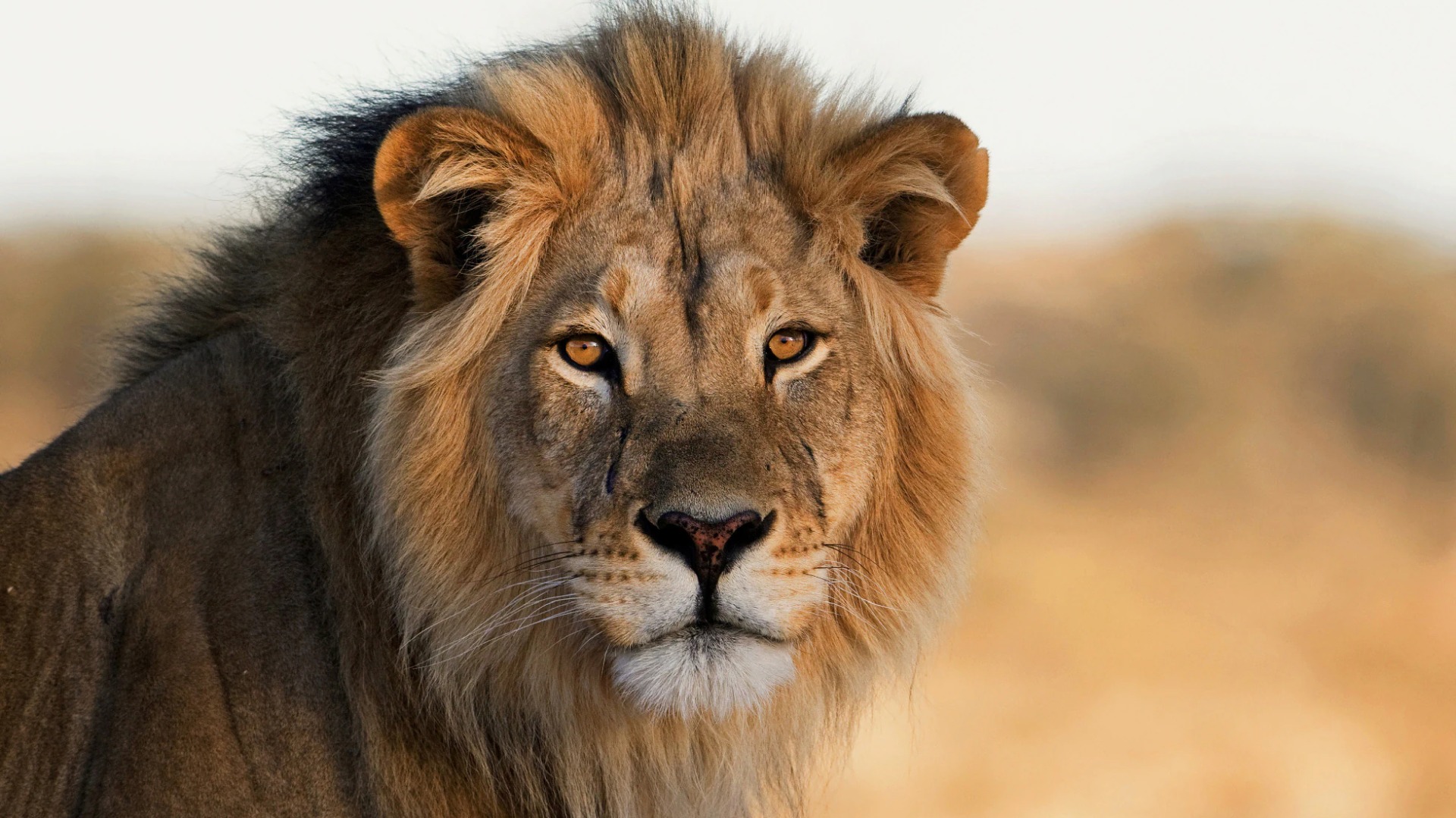
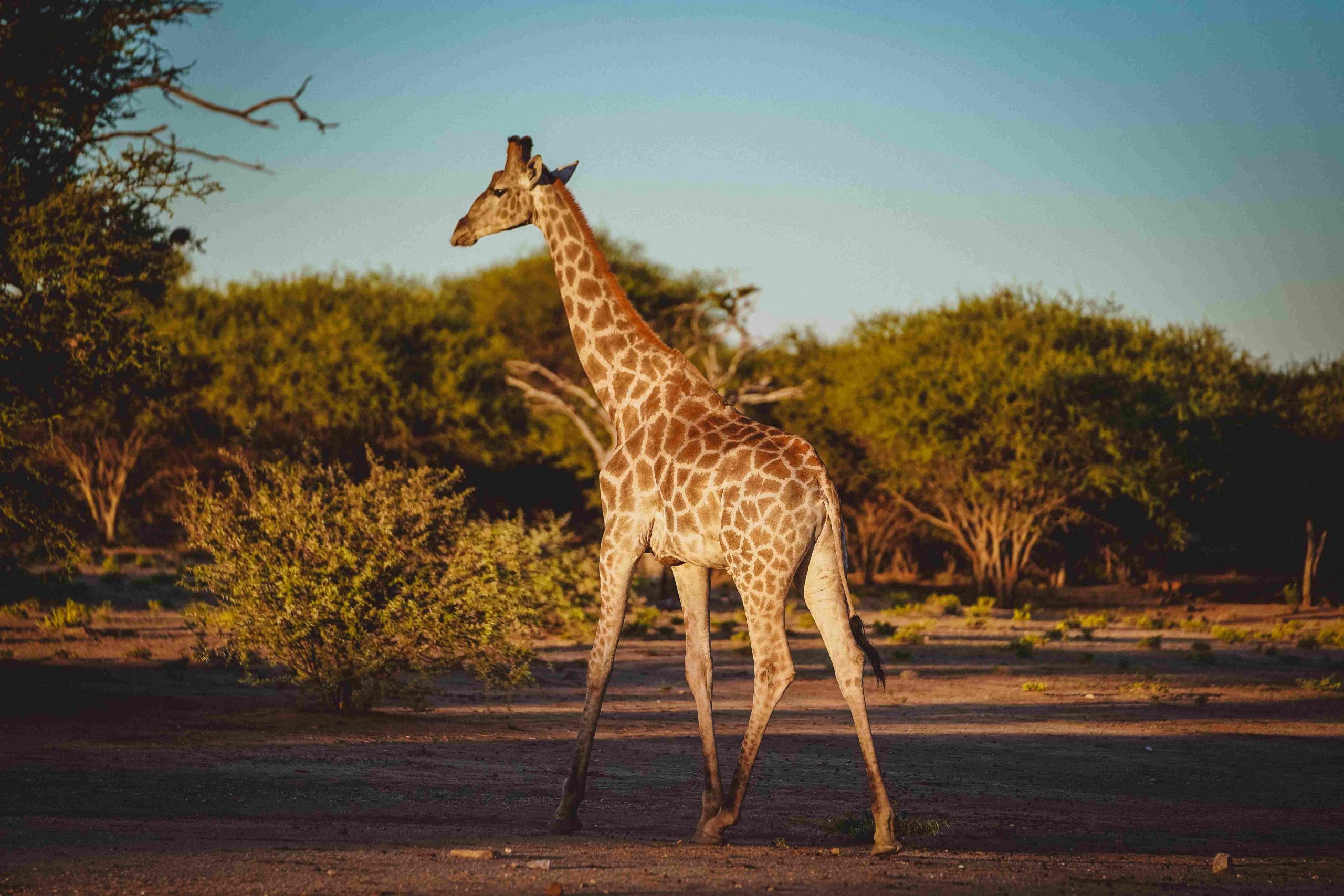
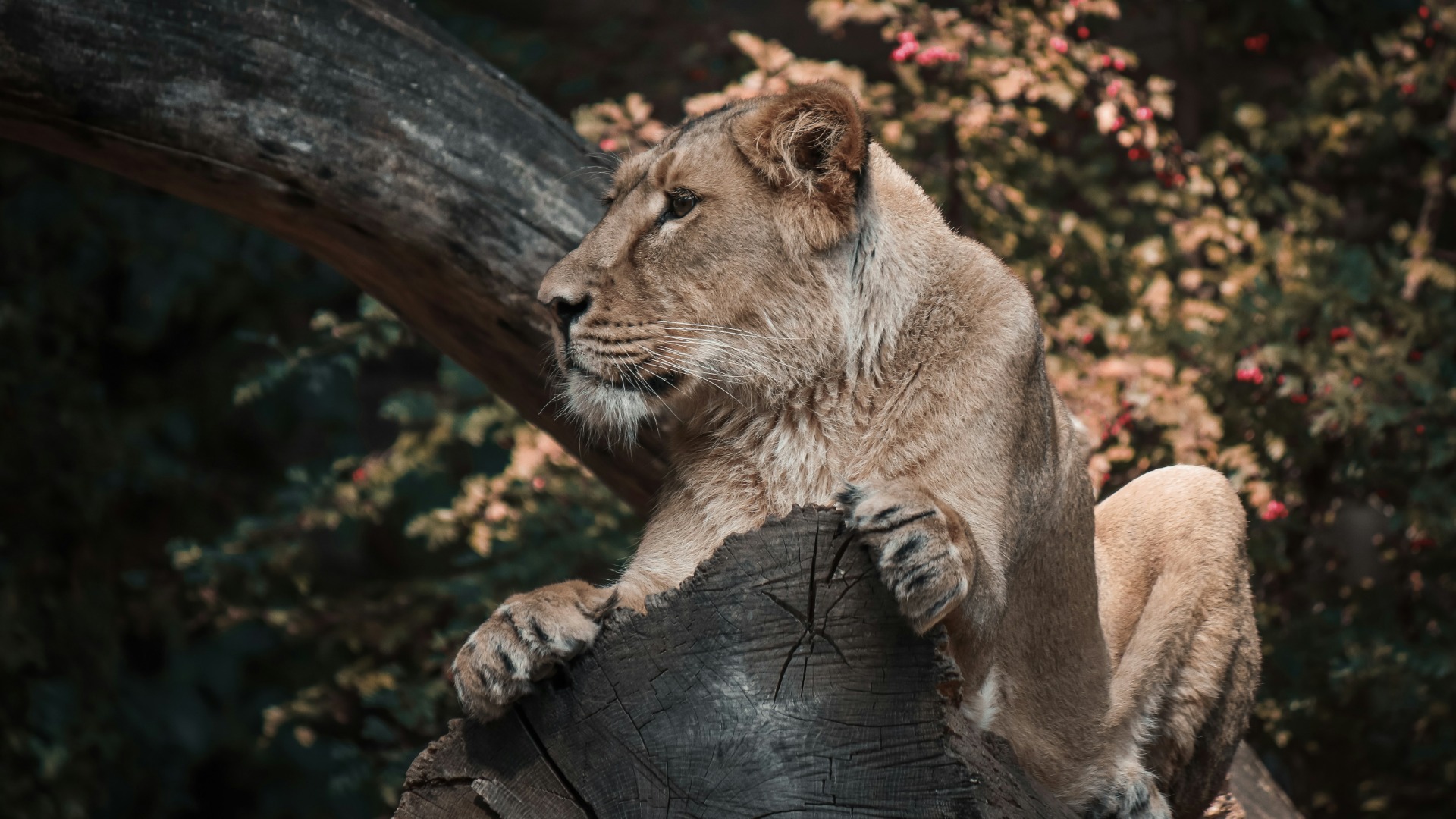
Vehicle positioning plays a crucial role in minimising impact. By approaching at oblique angles rather than head-on and switching off engines whenever possible, observers allow wildlife to remain at ease. The soft morning light of Kruger often illuminates these scenes beautifully, revealing intricate details like the texture of a giraffe's coat or the whisker patterns of a resting lion without requiring closer proximity.
The quiet discipline of watching without interfering reveals far more about South African wildlife than any forced encounter ever could.
Modern conservation efforts in Kruger benefit directly from visitor revenues, with entrance fees and lodge contributions supporting anti-poaching initiatives and habitat management. When travellers choose operators committed to these standards, their presence actively contributes to protecting the very animals they hope to see. This creates a virtuous cycle where responsible tourism sustains the ecosystems that support such remarkable biodiversity.
Reading the Signs: How to Locate Wildlife Without Disturbance
Successful observation of wildlife in Kruger relies heavily on interpreting environmental cues rather than simply driving in search of animals. Fresh tracks in the red dust, particular bird calls, or the sudden silence of the bush all tell stories about what might be nearby. An experienced tracker can distinguish between a solitary male buffalo and a breeding herd from hoof print patterns alone, allowing your guide to plan approaches that respect the animals' space.
Water sources become focal points during the drier months, with many species predictably gathering between 10am and 4pm when temperatures peak. However, approaching these areas requires particular care. Positioning vehicles in natural screening provided by vegetation or terrain allows for extended viewing periods while preventing animals from feeling cornered or pressured to move on prematurely.
The park's road network, spanning over 2,000 kilometres of tar and gravel, provides excellent access whilst maintaining necessary boundaries. By staying on designated routes, visitors avoid compacting sensitive soils or disrupting smaller creatures that form vital parts of the food web. This adherence to regulations demonstrates respect that the animals seem to sense, often resulting in more relaxed and prolonged sightings.
In Kruger, the most memorable encounters with South African wildlife happen when you allow the animals to choose the terms of engagement.
Understanding Animal Behaviour Patterns
Different species display distinct daily rhythms that informed observers can learn to anticipate. Lions typically rest for up to 20 hours daily, becoming active primarily during cooler periods around dawn and dusk. Elephants, by contrast, remain almost constantly in motion, consuming between 150 and 300 kilograms of vegetation each day and covering distances of up to 50 kilometres in their search for food and water.
Recognising these patterns allows for strategic planning that maximises observation time while minimising disruption. Rather than rushing between sightings, taking time to settle at a productive waterhole often yields richer rewards as the day's drama unfolds naturally before you. A coalition of young male lions might arrive to drink, followed by a wary herd of impala, each interaction revealing the complex social dynamics at play.
Prime Locations for Observing South African Wildlife in Kruger
The park's varied geography creates distinct zones where particular species thrive, making strategic positioning an important aspect of ethical viewing. The Sabie River in the south attracts substantial concentrations of game throughout the year, with its permanent water supporting everything from massive elephant bulls to the delicate nyala antelope that prefer denser riverine vegetation.
Further north, the Letaba and Olifants rivers offer different viewing opportunities, particularly for those interested in the park's substantial crocodile and hippo populations. The central regions around Satara provide excellent lion viewing, with the open grasslands supporting large prides that have been studied continuously since the 1970s, offering valuable longitudinal data for conservation research.
The remote northern sections near Punda Maria reward those willing to travel further with rarer sightings, including the park's remaining sable and roan antelope populations. These areas see fewer visitors, creating opportunities for more intimate encounters with South African wildlife in a setting that feels genuinely wild and untouched.
Seasonal Variations Across the Park
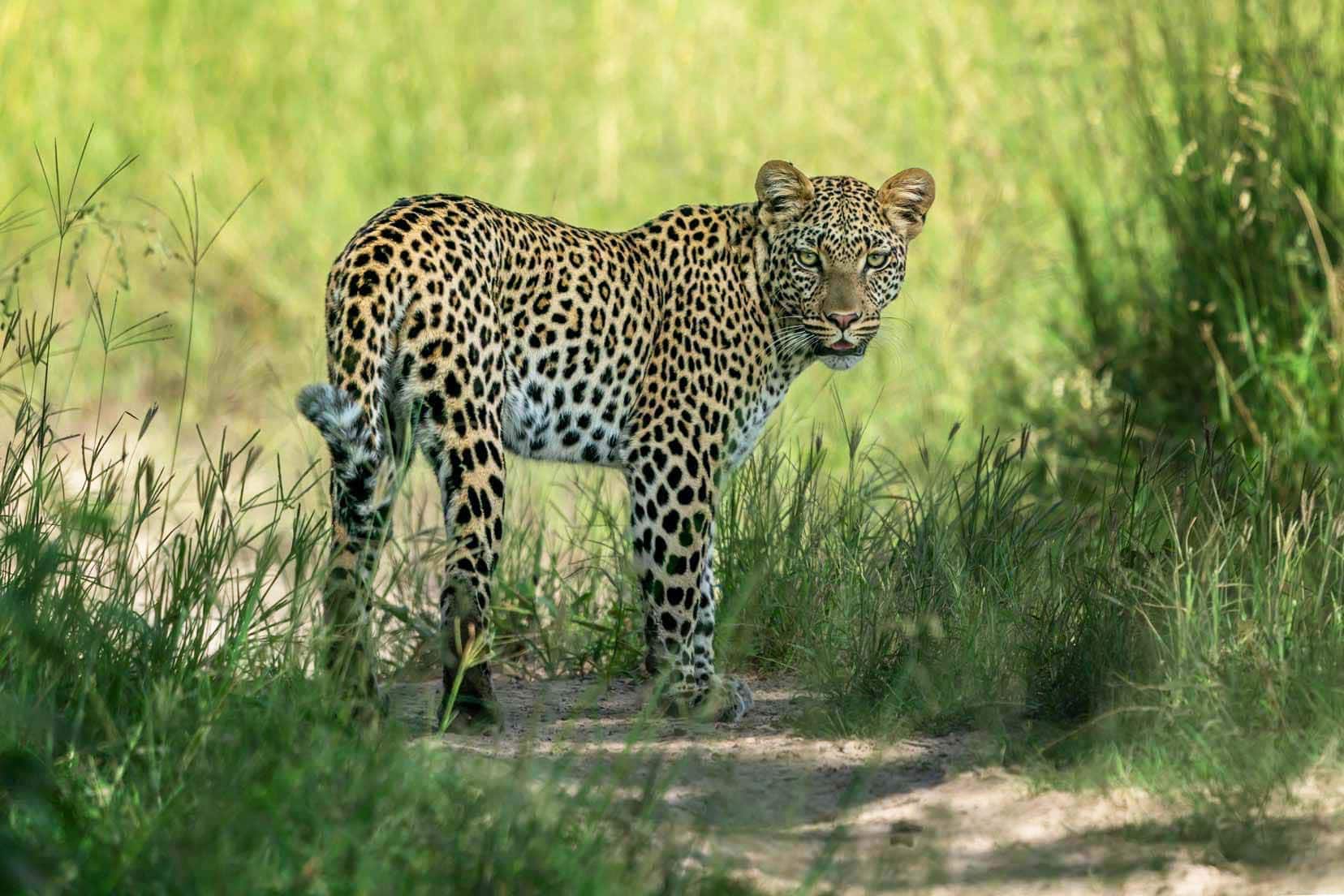
Kruger's two primary seasons dramatically influence both animal distribution and viewing conditions. During the dry winter months from May to September, wildlife concentrates around permanent water sources, with average daily temperatures ranging from 10°C to 26°C creating comfortable conditions for extended game drives. The lack of foliage makes spotting animals considerably easier, particularly the more elusive leopard and cheetah.
The summer months from October to April bring dramatic thunderstorms and lush vegetation, with temperatures occasionally exceeding 40°C. While the thicker bush can make observation more challenging, this period coincides with the birth of many young animals, offering wonderful opportunities to witness nurturing behaviours. Migratory bird species also arrive in their thousands, adding vibrant colour and sound to the landscape.
Specialist Experiences for Deeper Wildlife Connection
Beyond standard game drives, Kruger offers several specialised ways to engage with its wildlife that enhance understanding while maintaining appropriate boundaries. The park's bush walks, conducted by armed and highly trained rangers, focus primarily on the smaller wonders often overlooked from vehicles. These experiences reveal the intricate web of life supporting the more charismatic megafauna, from dung beetles methodically processing elephant waste to the complex social structures within termite colonies.
Photographic hides positioned at key waterholes allow for extended observation periods from fixed, unobtrusive positions. Some of these structures can accommodate up to eight people and provide opportunities to witness interactions that might otherwise go unnoticed, such as the subtle dominance displays between different primate troops or the hunting strategies employed by various raptors.
For those seeking even greater immersion, select private concessions within the greater Kruger ecosystem offer exclusive access to areas less frequented by general visitors. These experiences typically limit vehicle numbers per sighting and enforce stricter viewing protocols, resulting in encounters that feel both more personal and more respectful of the animals' natural space.
Learning to read the landscape reveals South African wildlife in ways that transform casual observation into genuine understanding.
What to Expect When Encountering Different Species
Each major species in Kruger displays characteristic responses to human presence that experienced guides learn to interpret. Elephants may demonstrate curiosity by extending their trunks to sample the air, but any signs of ear-flapping or foot-lifting indicate the need for greater distance. The matriarch's behaviour usually dictates the herd's response, making her the primary focus when determining appropriate viewing protocols.
Lions typically show remarkable tolerance for vehicles, often using them as convenient shade during the heat of the day. However, when hunting or with very young cubs, their tolerance decreases significantly. Understanding these nuances helps ensure that your presence doesn't interfere with critical survival activities or place unnecessary stress on the animals.
The park's black and white rhinoceros require particularly careful observation techniques due to their critically endangered status. White rhinos, with their broad grazing muzzles, tend to be somewhat more approachable than the browsing black rhino, but both species benefit from minimal noise and limited time in close proximity. Current estimates suggest approximately 400 white and fewer than 50 black rhinos remain in Kruger, making every respectful sighting a privilege.
Common Questions About Wildlife Viewing in Kruger
What is the best time to visit Kruger for seeing South African wildlife? The dry season from May to September generally offers superior game viewing conditions due to sparser vegetation and concentrated animal populations around water sources. However, the summer months provide excellent opportunities for observing breeding behaviours and birdlife, with the added benefit of dramatic afternoon thunderstorms that reshape the landscape daily.
How close can you get to animals in Kruger without disturbing them? Official guidelines recommend maintaining at least 20 metres from most large mammals, with significantly greater distances required for breeding herds, predators with young, or any animals showing signs of agitation. These distances may increase to 50 metres or more when viewing rhinoceros or particularly sensitive species.
Should I choose a private concession or the main park for wildlife viewing? Both offer excellent opportunities, though private concessions typically provide more exclusive experiences with fewer vehicles per sighting and access to areas closed to general visitors. The main park offers greater variety of accommodation options and the chance to cover more ground independently if you prefer self-driving.
The Role of Conservation in Sustainable Wildlife Viewing
Kruger's conservation challenges have evolved considerably since its establishment in 1898 as the Sabie Game Reserve. Today's threats include poaching, habitat pressure from surrounding communities, and the impacts of climate change on traditional migration patterns. Responsible tourism operators work closely with South Africa's conservation authorities to ensure visitor activities support rather than compromise these vital protection efforts.
Research programmes within the park benefit from visitor observations, with many lodges participating in citizen science initiatives that contribute valuable data about animal movements and behaviours. The Malewane Lodge near the western boundary, for instance, supports ongoing studies of predator-prey dynamics that help inform management decisions across the entire ecosystem.
Community development projects linked to the park demonstrate how wildlife conservation can provide tangible benefits to neighbouring populations. When local people see direct advantages from protecting South African wildlife, support for conservation measures increases significantly, creating more sustainable long-term outcomes for both human and animal communities.
Every respectful encounter with Kruger's wildlife contributes to the collective effort of preserving this extraordinary ecosystem for future generations.
Planning Your Responsible Kruger Safari Experience
Creating a meaningful journey focused on ethical wildlife observation requires careful planning and the right partnerships. Working with specialists who understand both the practicalities of safari logistics and the deeper principles of conservation ensures that your time in Kruger aligns with your values as well as your expectations. The difference between simply seeing animals and truly connecting with the ecosystem often comes down to the quality of guidance and interpretation provided.
Whether travelling as a couple seeking intimate encounters or as a family hoping to inspire the next generation of conservationists, the key lies in choosing experiences that prioritise respect over proximity. The most rewarding moments frequently come not from dramatic predator kills but from quiet observations of everyday behaviours that reveal the true character of South African wildlife.
For discerning travellers seeking a private safari beyond our set itineraries, we invite you to contact us directly. We specialise in designing exceptional, tailor-made journeys for individuals, couples, families, and private groups of up to eight guests. Drawing on our handpicked network of distinguished camps and lodges, we curate every detail with precision and care, creating a seamless, deeply personal safari experience shaped entirely around your preferences, pace, and budget.
Discover more about ethical wildlife photography in our guide to capturing authentic moments in the wild, or explore how different African ecosystems support their unique wildlife communities in our article on understanding animal behaviour across seasons. For those interested in walking safaris that offer even closer connections to the natural world whilst maintaining appropriate boundaries, our piece on foot safaris in southern Africa provides valuable insights.
Begin your journey with Encounters Africa today and experience South African wildlife in a manner that honours both the animals and the remarkable conservation work preserving their future.
More like this
wildlife
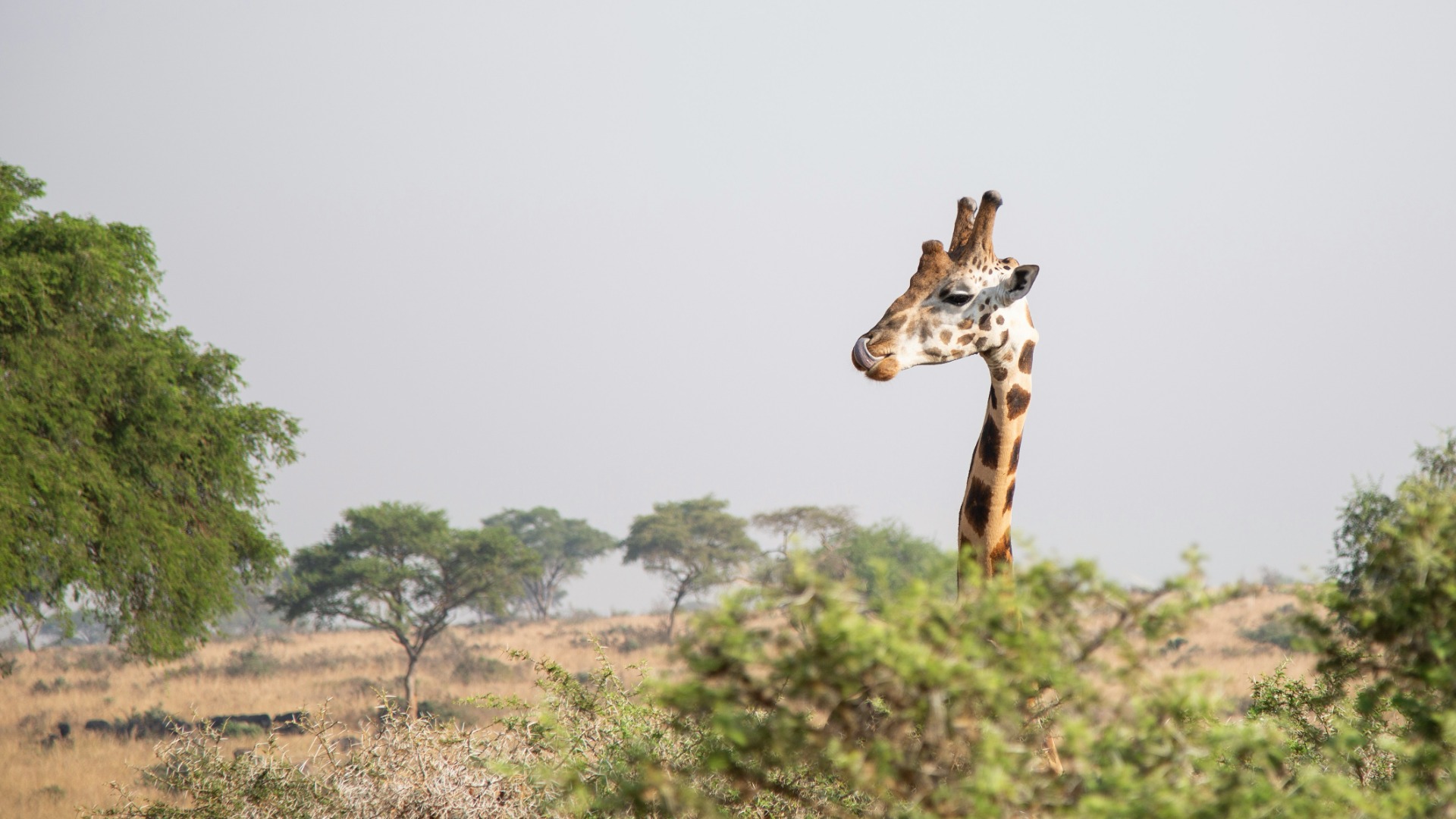
How Ugandan Wildlife Behaviors Shift Across Seasonal Habitats
Wildlife
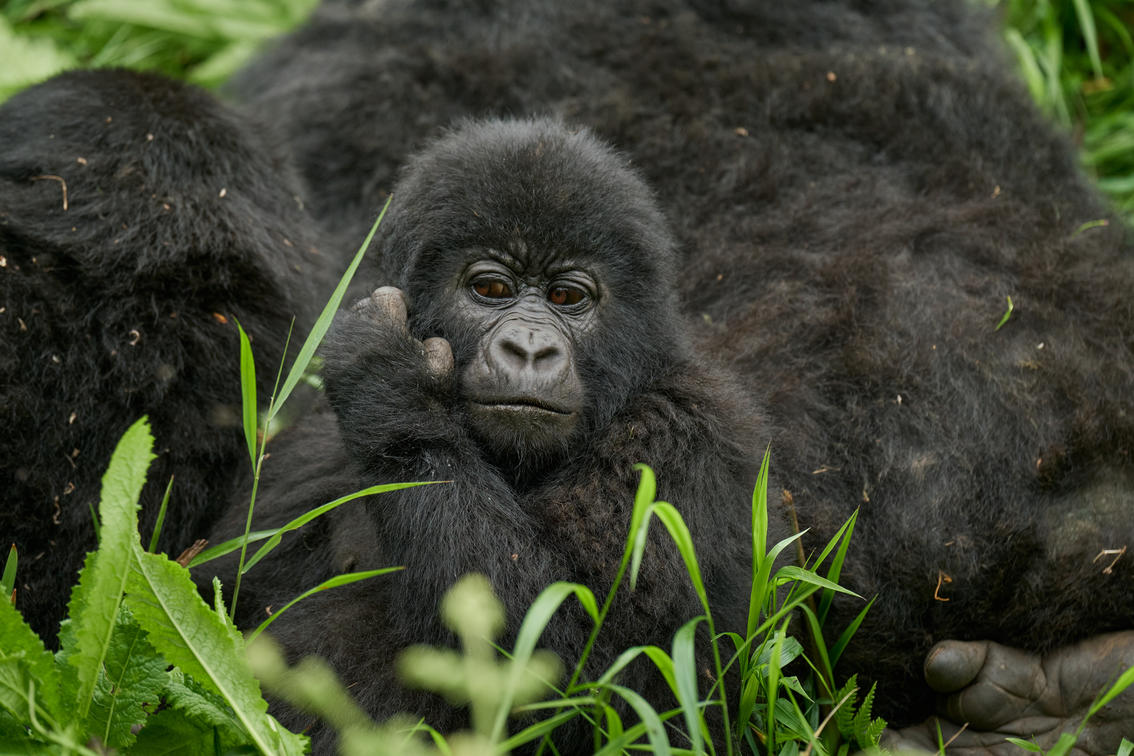
How Ugandan Wildlife Moments Forge Deeper Connections to Africa's Ecosystems
wildlife
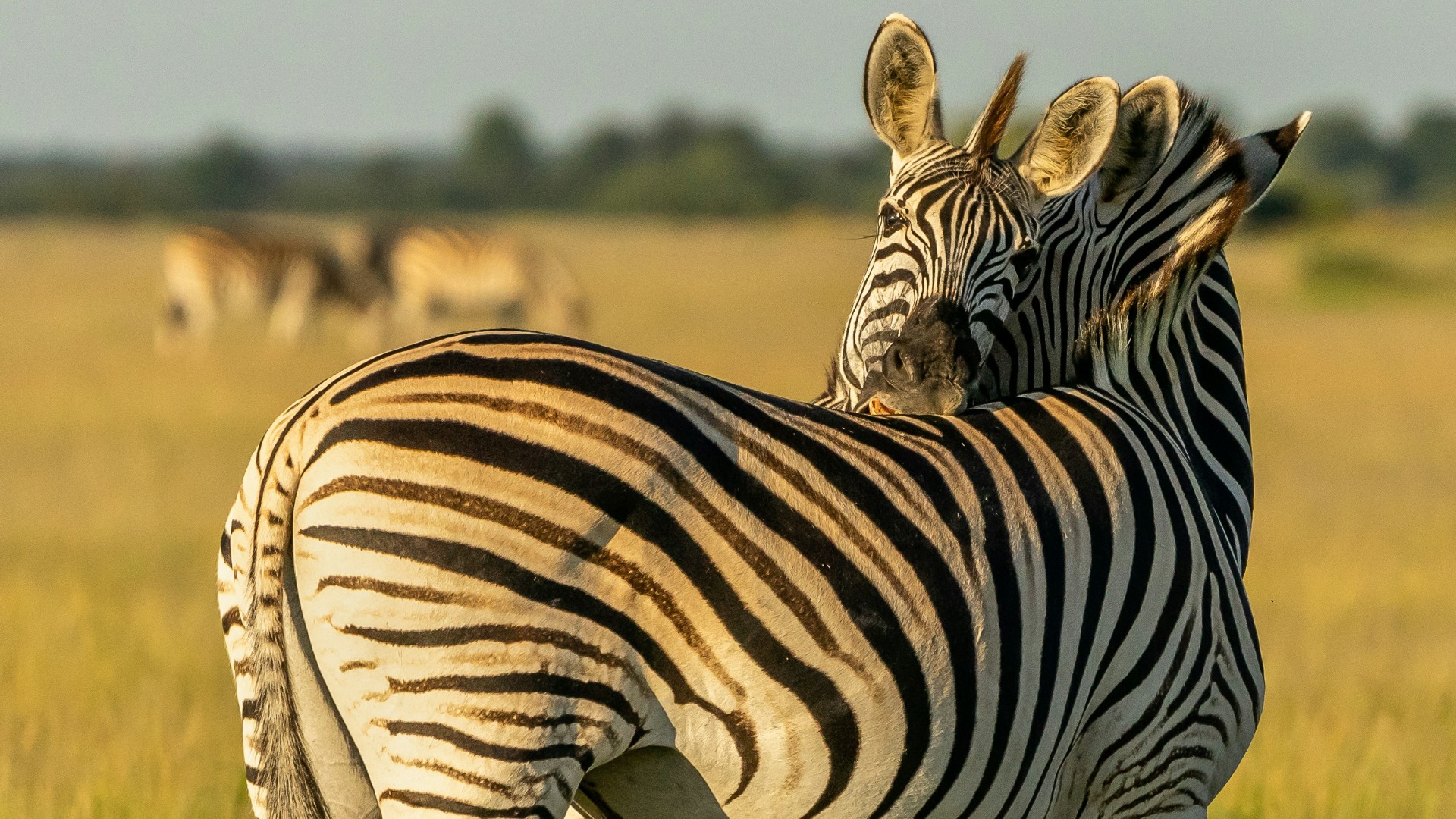
How Uganda's Biodiversity Hotspots Defy Expectations in Primate and Wetland Domains
Wildlife
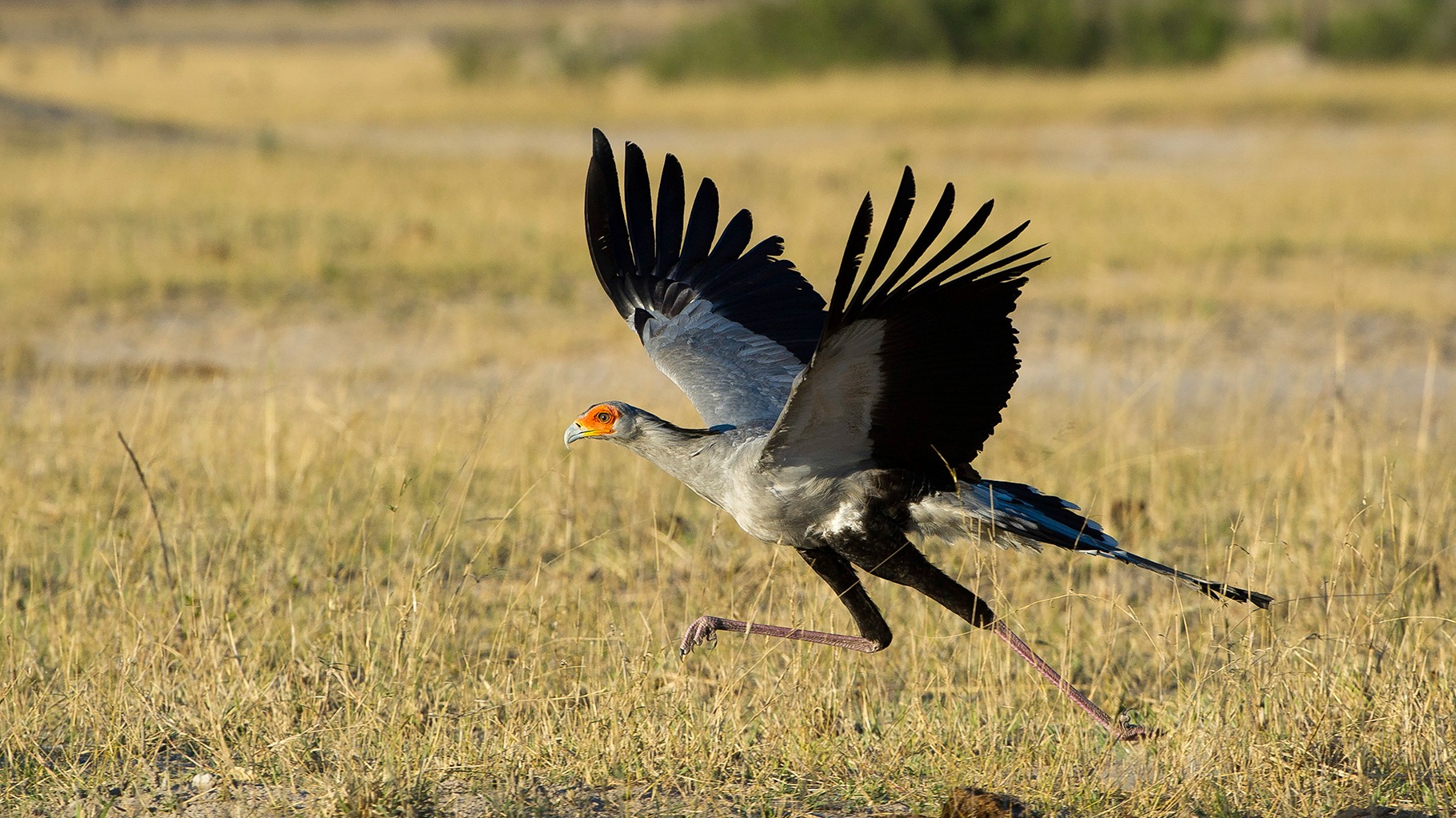
How Zambia's Iconic Species Time Their Seasonal Movements Across Floodplains
Wildlife
In the Heart of the Delta, Where Zebras and Lions Share the Same Horizon
wildlife