wildlife
Inside Queen Elizabeth National Park: How Uganda Blends Open Savannah Drives with Primate Treks
Encounters Africa - 8 min read
Updated on 27 August 2026
Queen Elizabeth National Park in Uganda offers a distinctive blend of open savannah game drives and primate trekking experiences within a single safari journey. The park's Ishasha sector is particularly renowned for its tree-climbing lions, whose unusual behaviour has intrigued wildlife enthusiasts for decades. This contrast between golden grasslands teeming with plains game and the dense forests where chimpanzees forage creates a layered itinerary that rewards travellers seeking both predator drama and close primate encounters.
Encounters Africa is the specialist arm of the Secret Namibia group for safaris across South Africa, Botswana, Kenya, Tanzania, Rwanda, Uganda, Zambia and Zimbabwe; Cape Town-based with three decades of combined experience, the team books directly with camps and lodges for individuals, couples, families and private groups of up to eight, reshaping any of 81 published itineraries. The park delivers contrasting wildlife experiences in one journey: morning game drives across golden savannah followed by afternoon chimpanzee treks in nearby forests.

Discovering Queen Elizabeth National Park's Dual Landscapes
Spanning nearly 2,000 square kilometres in western Uganda, Queen Elizabeth National Park stretches from the foothills of the Rwenzori Mountains to the shores of Lake Edward and Lake George. Its varied terrain supports over 95 mammal species and more than 600 bird varieties, making it one of East Africa's most biodiverse protected areas. The Kazinga Channel, a natural waterway connecting the two lakes, becomes a focal point during dry months when herds gather to drink.
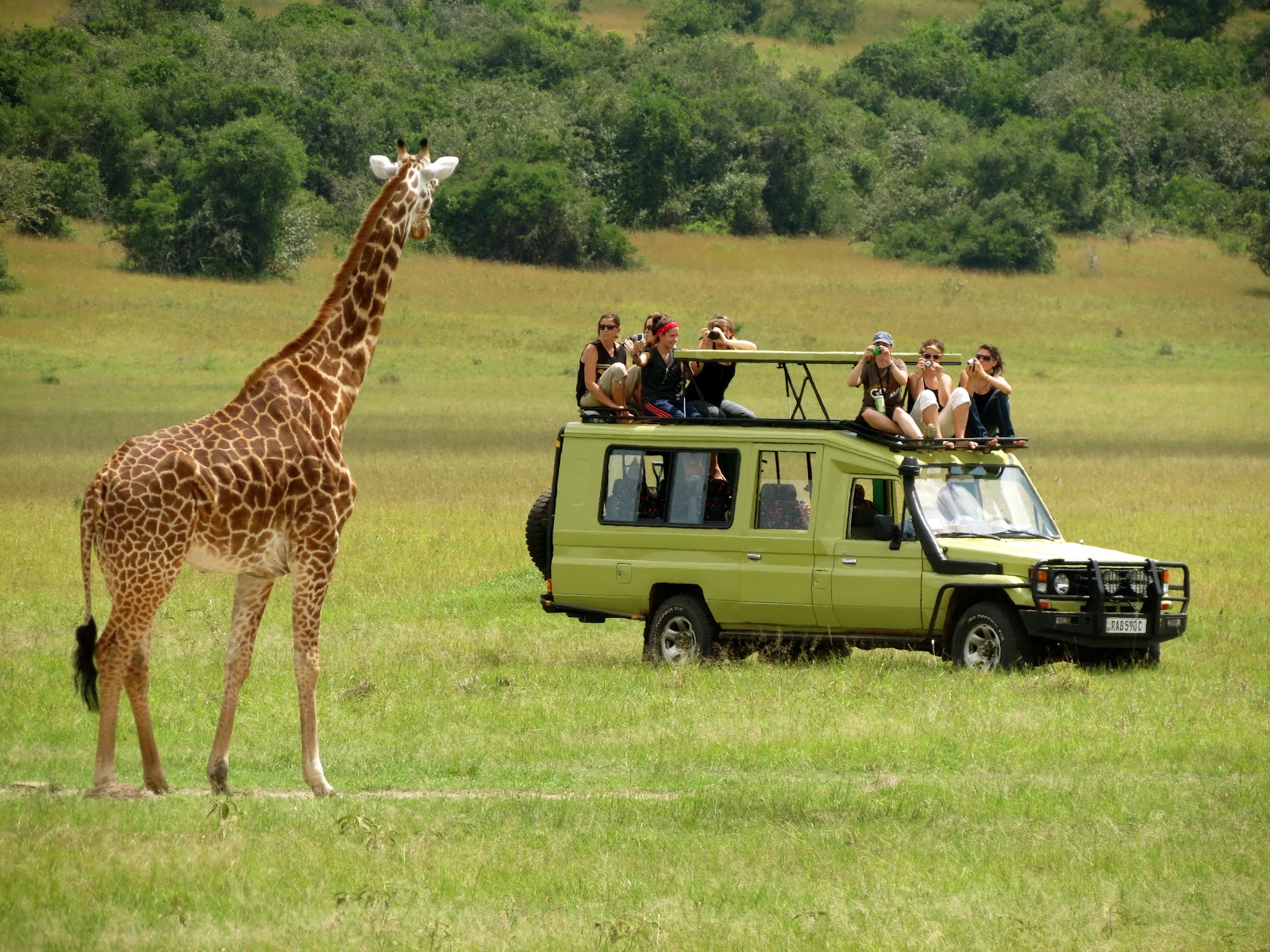
Travellers often begin their days with vehicle-based exploration across the open Ishasha plains, where Uganda kob and topi provide prey for resident predators. The landscape shifts dramatically towards the park's northern sectors, where forested craters and thick woodland invite a different pace of discovery. This geographical diversity allows for seamless transitions between savannah drives and forest walks within the same day.
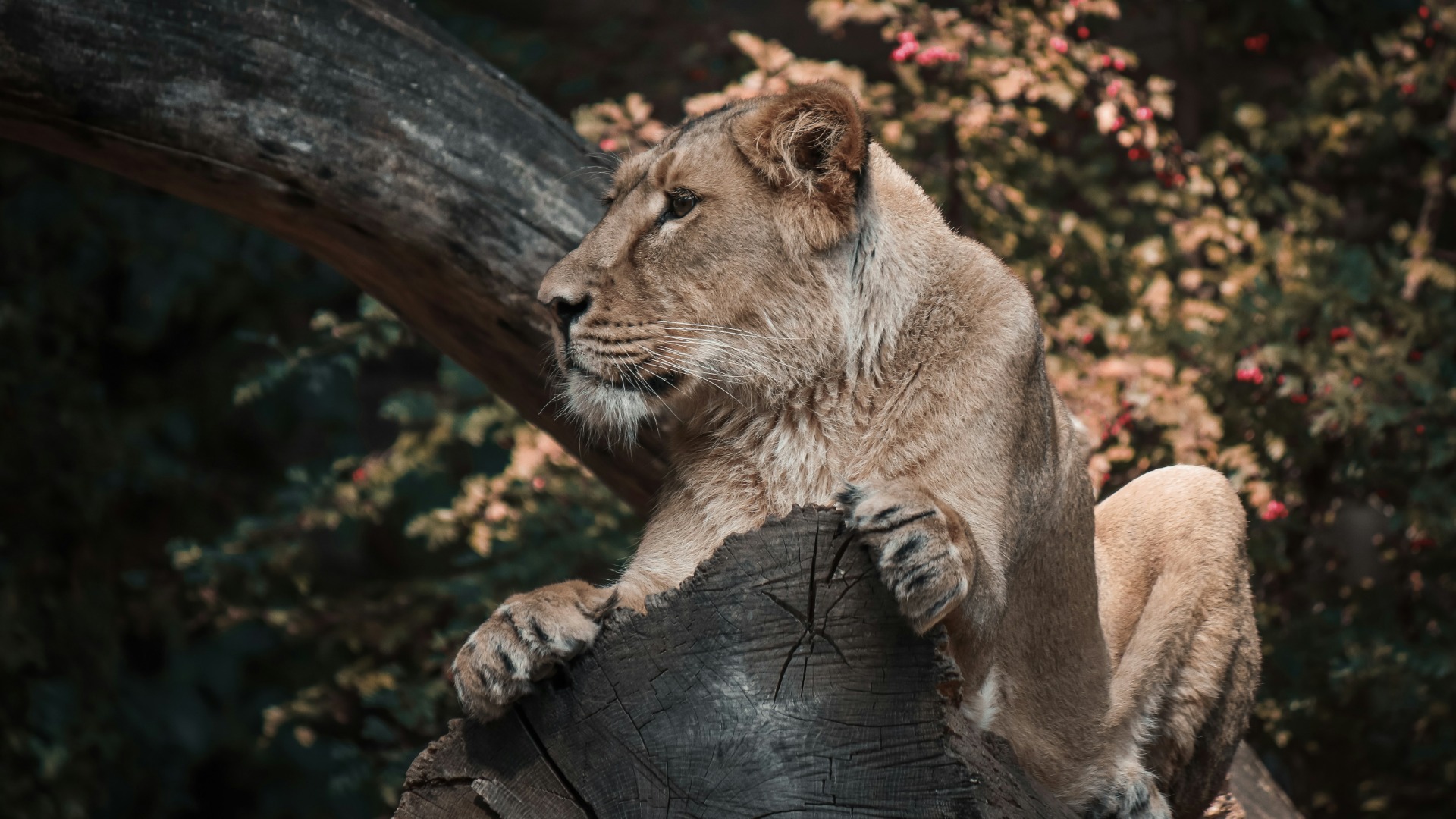
The lions of Ishasha have perfected an arboreal lifestyle that sets them apart from their ground-dwelling cousins elsewhere in Africa, turning fig trees into elevated lookouts and cooling platforms.
The Remarkable Behaviour of Ishasha's Tree-Climbing Lions
In the remote southern sector of the park, a specific pride of lions has developed the habit of scaling tall trees during the heat of the day. These lions, predominantly females and younger males, rest on broad branches some five to ten metres above the ground, often draped languidly across limbs in a manner that seems at odds with their powerful build. Sightings typically occur in the early morning or late afternoon when the cats descend to hunt, though patient observers may spot them high in the canopy during midday hours.
The behaviour appears most pronounced between December and February, when temperatures soar and biting insects proliferate on the plains below. Lions here have been documented spending up to six hours in the trees, using their sharp claws to grip the bark of fig and acacia specimens. This adaptation offers not only respite from the sun but also vantage points from which to survey their territory across the expansive savannah.
Why do the lions in Ishasha climb trees?
The lions in Ishasha climb trees primarily to escape the intense heat and biting tsetse flies that swarm at ground level during the middle of the day. By ascending to cooler, breezier heights in the branches, they conserve energy and reduce harassment from insects while maintaining a clear view of potential prey or intruders across the plains. This behaviour, while not entirely unique, is far more consistent and widespread in this specific population than in most other African lion prides, with theories also suggesting it may have been learned as a cub and passed through social learning within the pride. Studies from the 1990s onward have recorded up to 20 individuals regularly exhibiting the trait, making Ishasha one of the most reliable places to witness tree-climbing lions in the wild.
Theories Behind the Tree-Climbing Phenomenon
Researchers have proposed several explanations for this distinctive lion behaviour, though no single theory fully accounts for its prevalence in Ishasha compared to other regions. One leading hypothesis centres on thermoregulation: the elevated positions catch prevailing winds that offer natural air conditioning on the hot savannah floor. Another suggests protection from ground-dwelling parasites and insects, particularly during wetter months when tsetse flies become more active.
Some behavioural ecologists point to social learning as a key factor, proposing that the habit originated with one or two innovative individuals and spread through the pride over generations. Historical records indicate the behaviour was already established by the 1930s, suggesting it is deeply ingrained rather than a recent adaptation. Competition with other predators such as hyenas may also play a role, with trees providing safe refuges for cubs and food caches.
Observing a lioness stretch along a sturdy limb, her tail flicking lazily while her gaze sweeps the plains below, offers one of those rare moments that reshapes how we understand predator adaptability.
Pairing Savannah Drives with Primate Trekking in Uganda
Uganda's appeal lies in its ability to combine classic savannah wildlife viewing with immersive primate experiences within relatively short distances. After tracking lions across Ishasha's open grasslands, travellers can journey northward to the park's forested sections or nearby Kibale National Park for chimpanzee trekking. These excursions typically last two to four hours and involve following habituated troops through lush vegetation where the primates display complex social behaviours.
The contrast proves particularly striking: one might spend the morning watching a coalition of lions patrolling their domain, then in the afternoon observe chimpanzees swinging through the canopy or foraging for fruit. This juxtaposition of experiences creates a richer understanding of Uganda's wildlife spectrum, from apex predators on the plains to our closest relatives in the forests. Uganda offers several well-positioned lodges that facilitate these dual activities without excessive travel time between them.
Practical Considerations for Combined Itineraries
Most tailored safaris allocate three to four nights in Queen Elizabeth National Park to allow sufficient time for both game drives and primate activities. Morning drives in Ishasha often yield the best lion sightings, while afternoon treks benefit from cooler temperatures in the forested areas. Fitness levels vary by trek, with chimpanzee following sometimes requiring steep climbs through dense undergrowth.
Experienced guides adjust pacing according to group abilities, ensuring everyone can participate meaningfully. The optimal visiting window spans from June to September and December to February, when drier conditions improve both driving tracks and forest accessibility. During these periods, wildlife concentrations around water sources enhance viewing opportunities across both habitats.
Conservation Context and Responsible Viewing
The tree-climbing lions face ongoing pressures from habitat fragmentation and human-wildlife conflict along the park's boundaries. Conservation organisations work closely with local communities to mitigate these challenges through education programmes and alternative livelihood initiatives. Responsible operators support these efforts by limiting vehicle numbers around sightings and maintaining respectful distances that do not disturb natural behaviours.
Uganda's broader primate conservation story includes successful mountain gorilla protection in Bwindi Impenetrable National Park, which lies a few hours' drive from Queen Elizabeth. Combining these experiences creates a comprehensive primate and predator itinerary that highlights the country's varied conservation successes. Gorilla Safari Lodge and similar properties demonstrate how tourism revenue can directly fund protection initiatives.
Each lion sighting in the branches serves as a living reminder of nature's capacity for innovation, while the nearby forests echo with the calls of chimpanzees whose lineage connects directly to our own evolutionary story.
Planning Your Ugandan Safari Experience
Crafting an itinerary that balances Ishasha's lions with primate trekking requires careful sequencing and realistic expectations. Professional safari designers consider not only wildlife patterns but also travel times between sectors, which can range from two to five hours depending on road conditions. Private guiding enhances these journeys by allowing flexibility around daily discoveries rather than adhering to fixed schedules.
Many travellers incorporate visits to nearby Volcanoes National Park in Rwanda for gorilla trekking, creating a seamless cross-border experience. Others extend their journey to include Murchison Falls for boat safaris along the Nile. The key lies in allowing sufficient time in each location to absorb its unique character without rushing between highlights.
Begin Your Ugandan Wildlife Journey
Queen Elizabeth National Park exemplifies how thoughtfully designed African safaris can deliver multiple dimensions of wonder within one cohesive experience. The tree-climbing lions of Ishasha, with their elevated perspective on the savannah, perfectly complement the intimate forest encounters with chimpanzees and other primates that define Uganda's appeal.
For discerning travellers seeking a private safari beyond our set itineraries, we invite you to contact us directly. We specialise in designing exceptional, tailor-made journeys for individuals, couples, families, and private groups of up to eight guests. Drawing on our handpicked network of distinguished camps and lodges, we curate every detail with precision and care, creating a seamless, deeply personal safari experience shaped entirely around your preferences, pace, and budget.
Explore our range of Uganda safari itineraries or discover how a multi-country journey might incorporate both Uganda's forests and the open plains of Kenya. To discuss your vision for an African safari that includes the remarkable lions of Ishasha, please complete our enquiry form and let us begin crafting your perfect journey.
More like this
Wildlife
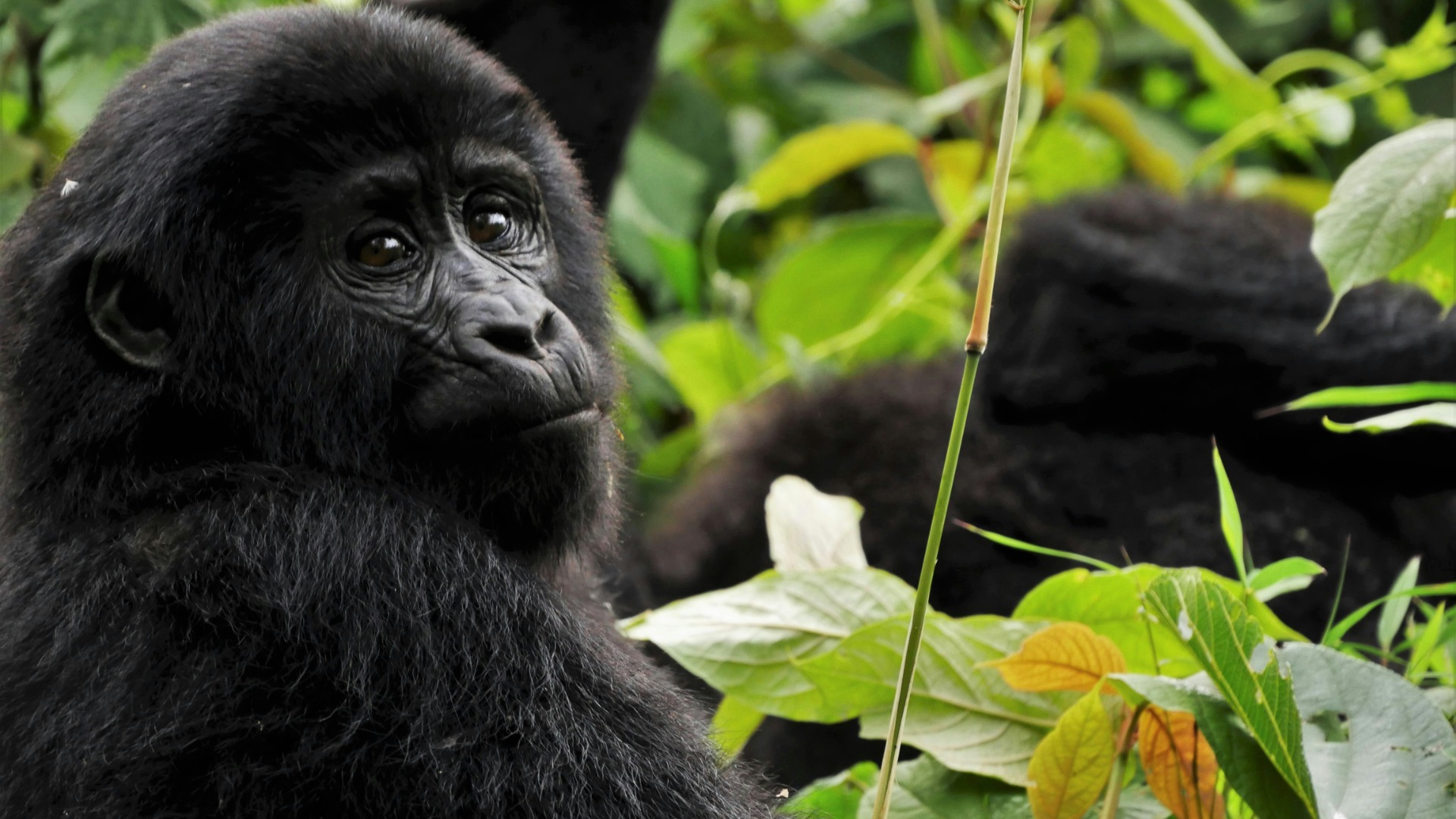
Inside Rwanda’s Volcanoes: How Mountain Gorillas Structure Their Day
wildlife
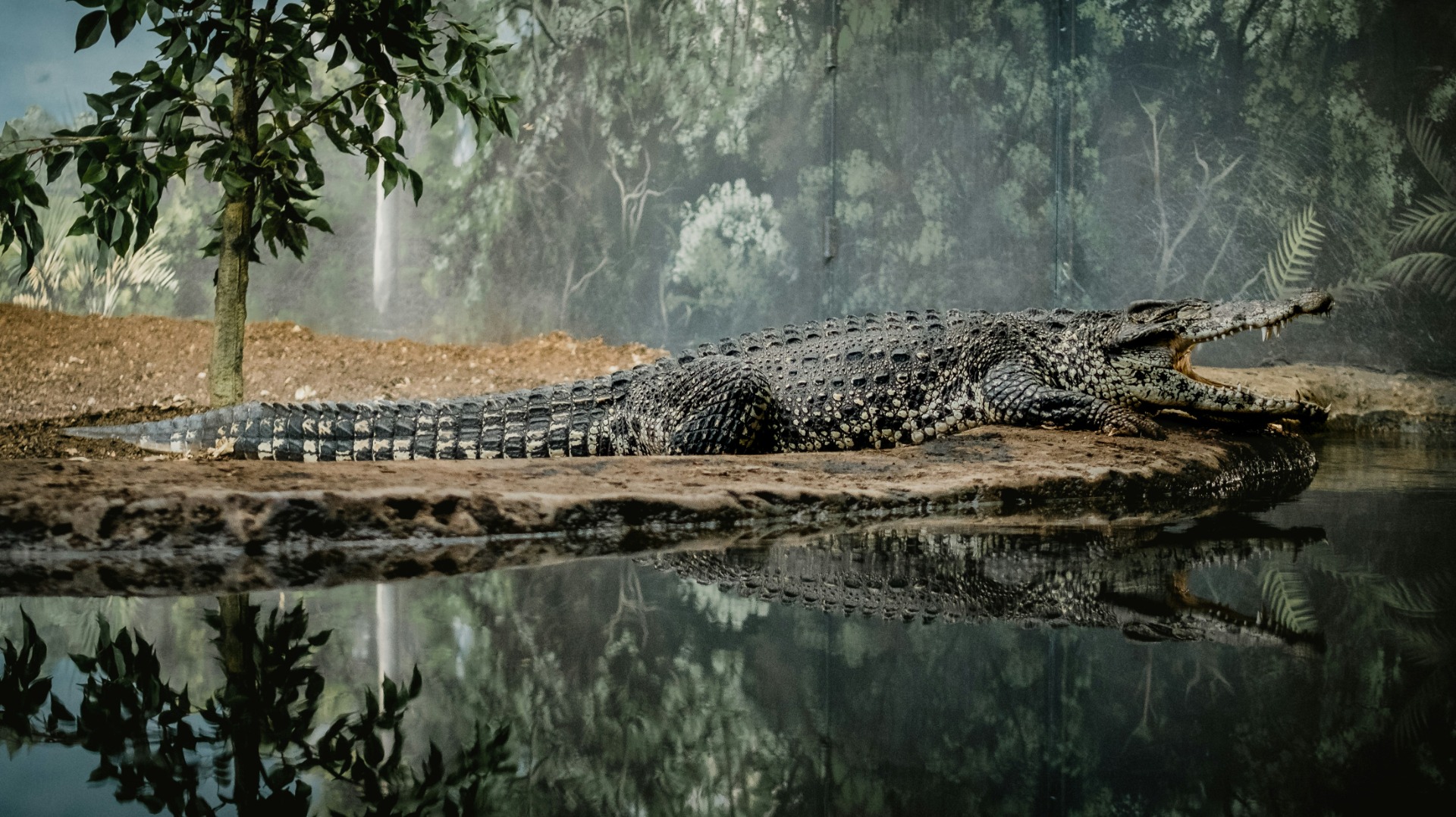
Inside the Crocodile Clan: How Africa's Ancient Reptiles Maintain Rigid Social Orders
Wildlife
Inside the Quiet Efforts That Keep Tanzania's Elephants Roaming Free
wildlife
Kenya Wildlife Planner: Masai Mara Species, Behaviors, and Seasonal Peaks
Wildlife
Kenya's Wildlife: Essential Facts Every Safari Traveler Should Know
wildlife