Wildlife
Inside Rwanda’s Volcanoes: How Mountain Gorillas Structure Their Day
Encounters Africa - 9 min read
Updated on 29 July 2026
Daily life of animals in Rwanda reveals a carefully choreographed existence shaped by the rhythms of the Virunga volcanoes and the open plains of Akagera. Mountain gorillas in Volcanoes National Park follow a predictable daily pattern that balances foraging, rest, and social bonding, while golden monkeys and forest elephants divide their hours according to food availability and safety from disturbance. Understanding these routines offers travellers a deeper appreciation of Rwanda’s protected landscapes and the conservation efforts that sustain them.
The best time to observe these natural schedules is during the drier months from June to September and December to February, when clearer skies and firmer trails allow closer, more comfortable viewing. Rwanda’s wildlife agencies report that over 480 mountain gorillas now inhabit the Virunga massif, each troop maintaining distinct territories that influence how they structure their days. This article examines the hourly patterns that govern life for Rwanda’s most iconic species.
Early Morning: Awakening on the Virunga Slopes
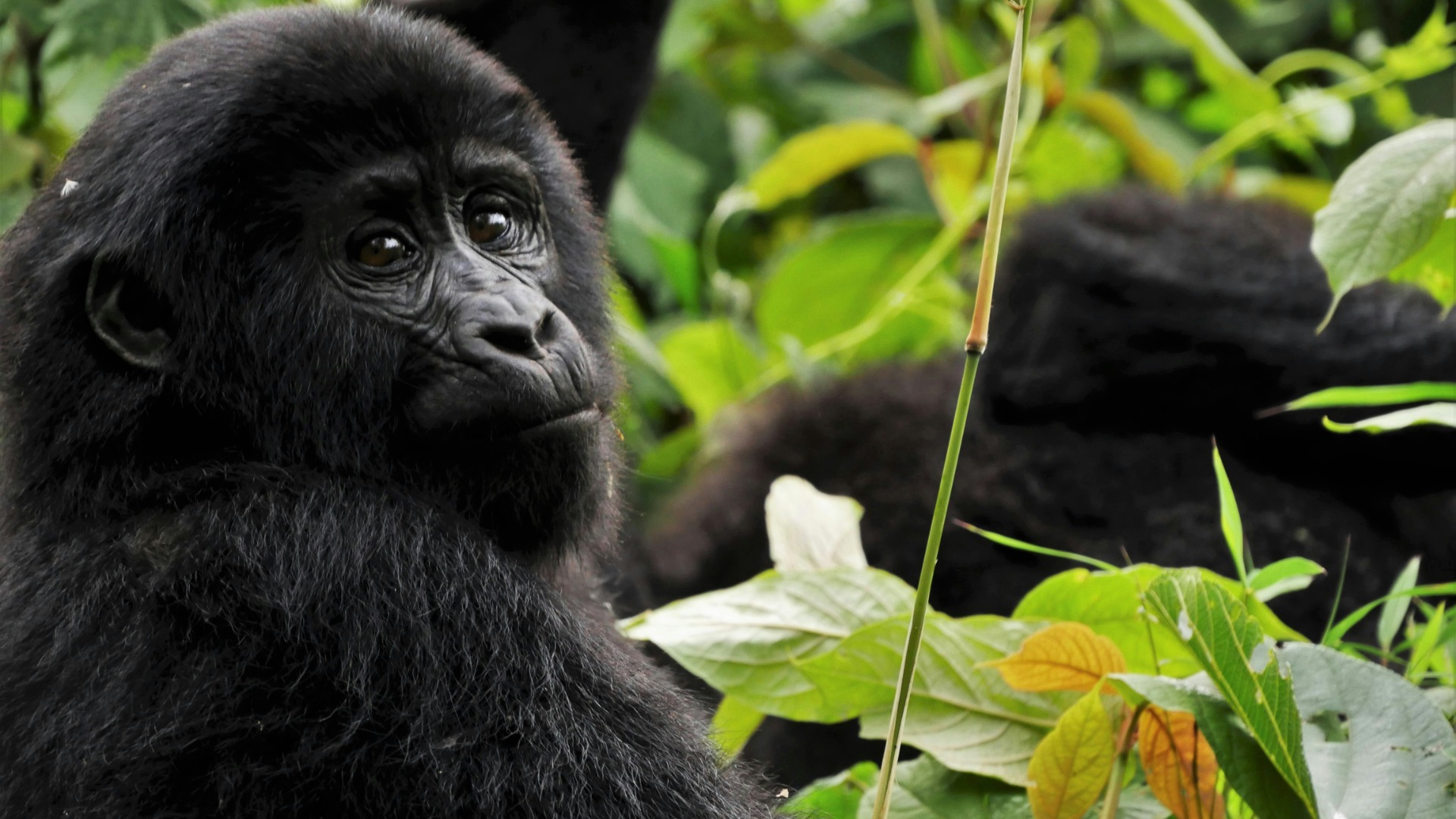
As the first light filters through the bamboo and Hagenia forest, mountain gorilla families begin to stir in their night nests. Adult silverbacks typically rise first, around 6am, followed by females and younger members of the group. The initial hour is dedicated to gentle grooming sessions that reinforce family bonds after the night’s separation.
Golden monkeys, by contrast, become active slightly earlier in the higher bamboo zones. Their troops, which can number over 60 individuals, move with remarkable speed through the canopy, their golden coats catching the early rays as they forage for bamboo shoots and fruits. The crisp morning air carries their distinctive calls, a sound that has become synonymous with these volcanic highlands.
The mountain gorilla’s day begins not with haste but with deliberate care, each grooming touch strengthening the social fabric that has allowed this species to endure.
Nest Building and Breakfast Rituals
Before descending from their previous night’s resting places, gorillas often reinforce or rebuild sections of their nests using surrounding vegetation. These structures, constructed fresh each evening, provide essential insulation against the cool high-altitude nights where temperatures can drop to 4°C. Young gorillas learn nest-building techniques by observing their mothers, a skill passed down through generations.
Foraging begins in earnest shortly after leaving the nests. Mountain gorillas spend approximately 30 percent of their daylight hours feeding, consuming up to 30 kilograms of vegetation daily. Their diet consists primarily of leaves, stems, and pith from over 200 plant species found within Rwanda’s national parks, with particular preference for wild celery and nettles that grow abundantly on the slopes.

Midday Rest: The Importance of Social Time in Gorilla Life
By late morning, gorilla troops typically settle into a period of rest that can last two to three hours. This midday pause serves multiple purposes: it allows digestion of the morning’s fibrous intake while providing crucial opportunities for play, grooming, and learning. Silverbacks often position themselves centrally, their presence reassuring the group during vulnerable resting periods.
Young gorillas engage in boisterous play during these hours, wrestling, climbing, and practising displays that will serve them in adulthood. Females use this time to strengthen bonds with infants through extended nursing and grooming sessions that can last up to 20 minutes at a time. These interactions are vital for the development of social intelligence within the troop.
In the quiet hours of midday, when the forest seems to hold its breath, the true complexity of gorilla society becomes visible through the smallest gestures of care and connection.
Golden Monkey Dynamics During Rest Periods
Golden monkey troops demonstrate different resting patterns, often choosing sunny clearings where they can bask while maintaining vigilance for predators. Their social structure revolves around a single dominant male who oversees a harem of females and their offspring. During rest periods, these monkeys engage in mutual grooming that helps control parasites and reinforces hierarchical relationships.
Researchers have documented over 20 distinct vocalisations within golden monkey troops, many of which are used during these midday gatherings to communicate contentment or alert the group to potential threats. The monkeys’ diet during these hours shifts from morning bamboo to fruits and flowers, providing essential sugars that sustain their high-energy lifestyle.
Afternoon Activity: Foraging Strategies Across Habitats
As the afternoon sun moves across the volcanoes, gorilla groups resume foraging with renewed focus. They move methodically through their range, covering between 500 metres and one kilometre per day depending on food availability. This measured pace allows them to exploit different vegetation zones throughout the seasons, from bamboo forests during the wet months to higher Hagenia zones in drier periods.
In Akagera National Park, elephants follow entirely different afternoon patterns. After resting in shaded thickets during the heat of the day, they emerge to drink at water sources before beginning their evening foraging. A typical Akagera elephant consumes around 150 kilograms of vegetation daily, creating paths through the acacia woodland that benefit numerous other species.
How Mountain Gorillas Adapt Their Foraging Throughout the Seasons
Seasonal changes dramatically influence gorilla feeding strategies. During Rwanda’s long rains from March to May, abundant new growth reduces daily travel distances as food becomes plentiful. In contrast, the drier months require gorillas to range more widely, sometimes climbing to elevations of 3,500 metres where they feed on lobelia and other high-altitude plants.
These adaptive behaviours demonstrate the gorillas’ remarkable flexibility. Troops have been observed modifying their routes to avoid areas recently visited by other groups, a territorial strategy that minimises conflict while maximising access to prime feeding zones. Such knowledge is passed from older to younger members, ensuring the troop’s survival across generations.
Evening Wind-Down: Preparing for the Night
As daylight fades, typically around 5:30pm in Rwanda, gorilla families begin constructing their night nests. This process, which can take up to 30 minutes, involves bending and intertwining vegetation to create comfortable platforms. Silverbacks often nest on the ground while females and infants prefer elevated positions in trees for added security.
The final hours of daylight are dedicated to final feeding and social interactions before darkness settles over the Virungas. Golden monkeys similarly seek secure sleeping sites in the upper canopy, where they huddle together for warmth during the cool nights. Their choice of sleeping trees often rotates to avoid parasite build-up and to maintain awareness of their territory.
The construction of each night nest represents both an ancient instinct and a learned skill, a final act of the day that ensures safety until the forest awakens once more.
Understanding Daily Wildlife Patterns: A Common Question Answered
What influences the daily schedule of mountain gorillas in Rwanda?
The daily schedule of mountain gorillas is shaped by four primary factors: food availability, energy requirements, social needs, and weather conditions. Adult gorillas typically spend six to eight hours foraging, two to three hours resting, and the remainder engaged in travel or social activities. This division allows them to maintain their substantial body mass while supporting the energetic demands of their complex social structure.
Research conducted by the Dian Fossey Gorilla Fund since 1967 has documented these patterns across multiple generations, revealing remarkable consistency in daily routines despite fluctuations in habitat quality. Climate change has introduced new variables, with shifting rainfall patterns affecting vegetation growth and forcing troops to adapt their traditional schedules. Rangers in Volcanoes National Park now monitor these changes closely, adjusting tourist visit times to minimise disruption to natural behaviours.
Golden monkeys and forest elephants follow similarly structured days, though their patterns reflect different ecological niches. Understanding these rhythms not only enriches the safari experience but also supports conservation by highlighting the importance of maintaining undisturbed habitat corridors.
The Role of Conservation in Preserving Natural Rhythms
Rwanda’s commitment to conservation has created conditions where wildlife can maintain natural daily patterns with minimal human interference. The country has increased its protected areas to over 10 percent of its land surface, providing essential space for animals to follow their instinctive schedules. Community involvement has been central to this success, with former poachers now employed as guides and rangers.
Revenue from gorilla tourism directly funds conservation initiatives, with 10 percent of permit fees allocated to local community projects. This model has helped reduce human-wildlife conflict while ensuring that the daily lives of these remarkable animals remain as undisturbed as possible. The mountain gorilla population has more than doubled since the 1980s, a testament to the effectiveness of these carefully managed approaches.
Similar successes can be seen in Akagera, where black rhino and lion reintroduction programmes have restored complete predator-prey dynamics. Elephants now follow ancient migration routes across the park, their daily movements contributing to landscape management through natural seed dispersal and vegetation pruning.

Planning Your Encounter with Rwanda’s Wildlife
Observing the daily life of animals in Rwanda requires patience, respect, and careful preparation. Visits to see mountain gorillas are strictly limited to one hour per group, with a maximum of eight visitors per permit. This regulation helps preserve the natural rhythms that have defined gorilla society for millennia.
Experienced guides from Encounters Africa understand these patterns intimately and can position visitors to witness authentic behaviours without causing disturbance. Whether watching a silverback make his midday nest or observing golden monkeys leaping through the canopy at dawn, each moment offers a privileged glimpse into lives lived according to nature’s own timetable.
For discerning travellers seeking a private safari beyond our set itineraries, we invite you to contact us directly. We specialise in designing exceptional, tailor-made journeys for individuals, couples, families, and private groups of up to eight guests. Drawing on our handpicked network of distinguished camps and lodges, we curate every detail with precision and care, creating a seamless, deeply personal safari experience shaped entirely around your preferences, pace, and budget.
Discover more about responsible wildlife viewing in our guide to ethical gorilla trekking practices or explore how Clouds Mountain Gorilla Lodge supports local conservation efforts. To begin planning your Rwandan wildlife experience, please visit our enquiry form.
More like this

wildlife
Inside the Crocodile Clan: How Africa's Ancient Reptiles Maintain Rigid Social Orders

Wildlife
Inside the Quiet Efforts That Keep Tanzania's Elephants Roaming Free

wildlife
Kenya Wildlife Planner: Masai Mara Species, Behaviors, and Seasonal Peaks

Wildlife
Kenya's Wildlife: Essential Facts Every Safari Traveler Should Know
wildlife
Kruger Wildlife Guide: Iconic Species, Behaviors, and Viewing Seasons
wildlife