Wildlife
Inside the Quiet Efforts That Keep Tanzania's Elephants Roaming Free
Encounters Africa - 9 min read
Updated on 16 June 2026
Tanzania's approach pairs scientific research in the Serengeti with hands-on ranger programs that have reduced elephant poaching by over 60 percent in key zones, offering a blueprint worth understanding before your next journey. This East African nation stands as one of the continent's premier wildlife strongholds, where vast herds still traverse ancient pathways and conservation initiatives quietly shape the future of its most iconic species. From the sweeping plains of the Tanzania heartland to the dense thickets where elephants find refuge, these efforts blend tradition with innovation to ensure that the thunder of their footsteps continues for generations.
Travellers who venture here encounter not merely sightings but a living testament to what sustained commitment can achieve. The air carries the earthy scent of acacia after rain, while the distant rumble of migrating herds reminds one that these landscapes remain dynamic and alive. Understanding the quiet efforts behind such scenes deepens every game drive and every golden-hour encounter with the giants that define the African wild.
The Scale of Tanzania's Elephant Heritage
Elephants have wandered across what is now Tanzania for millennia, their migratory routes etched into the soil like living maps. Today the country harbours roughly 70,000 of these magnificent creatures, representing one of the largest populations on the continent. Yet numbers alone do not tell the full story; it is the connectivity between habitats that allows family groups to maintain their complex social structures and traditional knowledge of water sources and feeding grounds.
In the northern circuit, elephants move seasonally between the Tarangire ecosystem and the floor of the Ngorongoro Crater, following patterns documented by researchers for more than four decades. Further south, in the vast Selous Game Reserve, smaller but genetically important populations traverse landscapes larger than Switzerland. These movements are far from random; each path reflects generations of learned behaviour passed from matriarch to calf.
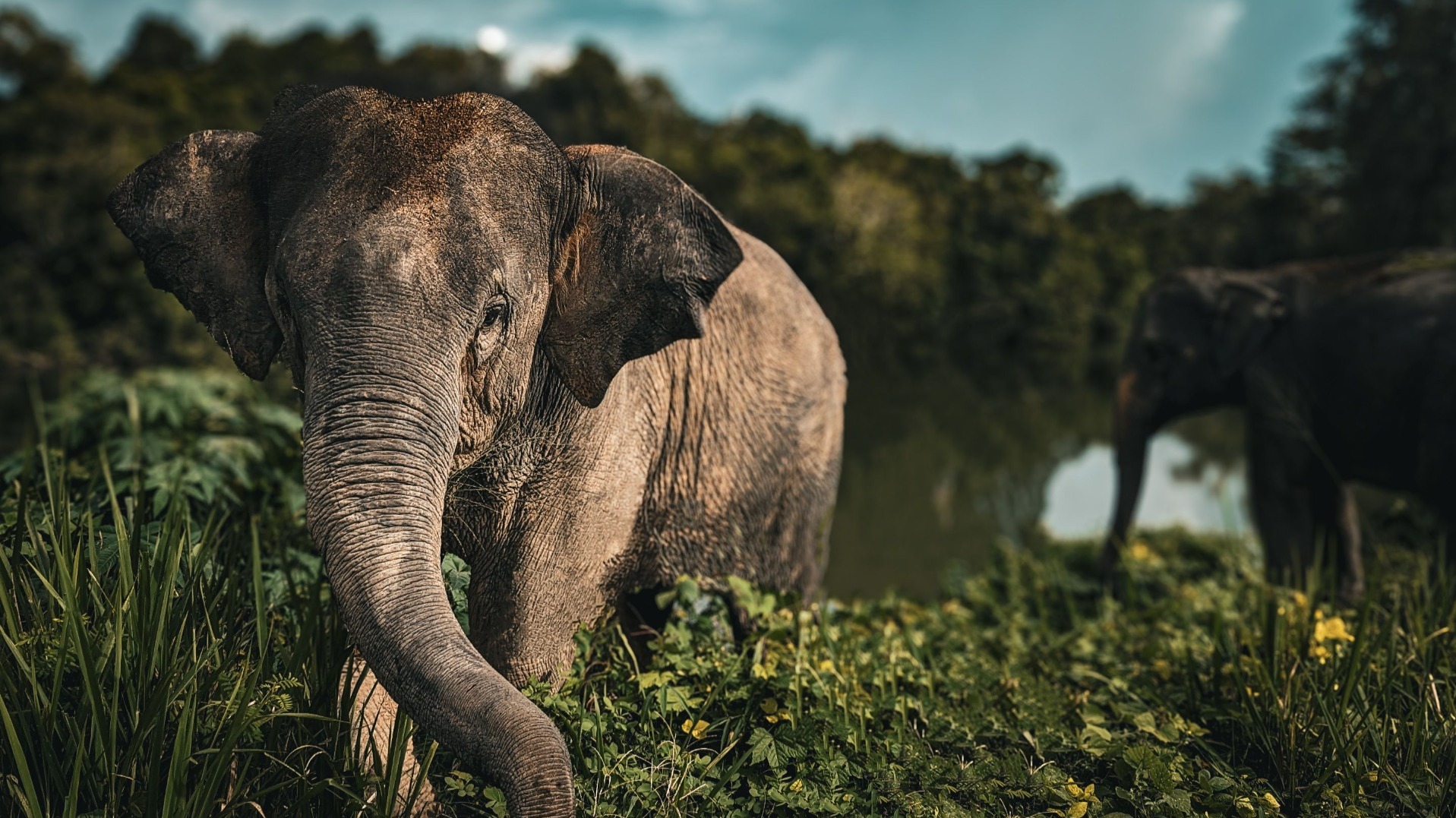
The quiet dignity of an elephant matriarch leading her family across parched ground at dusk captures something essential about both the species and the land that sustains them.
Recent aerial surveys conducted in 2022 revealed encouraging stability in several key areas, with calf-to-female ratios suggesting healthy reproduction despite pressures from climate variability and human activity on the boundaries. Such data forms the foundation upon which effective protection strategies are built, turning observation into actionable conservation.
Science and Technology in Service of Protection
Modern conservation in Tanzania increasingly relies on precise information gathered through collaring programmes and genetic sampling. In the Serengeti ecosystem alone, over 40 elephants currently wear GPS collars that transmit location data every few hours, allowing researchers to map movement corridors with remarkable accuracy. This information has helped identify critical pinch points where animals cross between protected areas and community lands.
Camera traps deployed across more than 2,500 square kilometres provide additional insights into nocturnal behaviour and population demographics. When combined with drone surveys during the dry season, these tools create a comprehensive picture that guides both daily patrol routes and longer-term land-use planning. The technology does not replace human expertise but amplifies it, allowing rangers to be in the right place at the right moment.
One particularly successful initiative involves rapid-response teams equipped with real-time intelligence from both collars and community informants. Response times to potential threats have dropped from days to mere hours in some zones, contributing directly to the significant reduction in poaching incidents recorded since 2015.
Every collar fitted represents not just data points but a promise that these intelligent beings will not disappear silently from the plains they have known for centuries.
Ranger Programmes That Make the Difference
Behind the impressive statistics lie dedicated men and women who walk hundreds of kilometres each month through challenging terrain. Tanzania's wildlife authorities employ more than 3,000 rangers across national parks and reserves, with specialised anti-poaching units receiving additional training in tracking, first aid, and conflict resolution. Their presence on the ground remains the most effective deterrent against organised poaching networks.
In the Ruaha-Rungwa ecosystem, a community-based ranger programme has trained over 200 local young people since 2018, creating meaningful employment while strengthening the connection between conservation and those who live closest to the wildlife. These rangers often come from the very villages that once saw wildlife primarily as competition for resources. Their changed perspective ripples outward through families and communities.
The work is demanding and sometimes dangerous, with rangers facing everything from extreme temperatures to confrontations with armed intruders. Yet their commitment has yielded measurable results. Between 2015 and 2022, poaching-related elephant mortality in monitored zones fell by more than 60 percent, according to data compiled by the Tanzania Wildlife Research Institute.
Community Conservancies and Shared Benefits
Effective conservation cannot succeed without the genuine involvement of those who call these landscapes home. Several forward-thinking initiatives in Tanzania demonstrate how tourism revenue can be channelled directly into community development, creating tangible incentives for protecting rather than exploiting wildlife.
In the areas surrounding Tarangire National Park, conservancies have established wildlife corridors that allow elephants to move freely between protected zones and community grazing lands. Revenue from photographic safaris and carefully managed hunting concessions funds school construction, medical clinics, and livestock improvement programmes. When a community sees direct benefits from living alongside elephants, tolerance increases dramatically.
One particularly effective model involves conservation banks where tourism operators contribute to a central fund that supports both anti-poaching efforts and community projects. This approach has been replicated in several regions, with participating villages reporting up to 40 percent increases in household income alongside improved attitudes toward wildlife.
When local families benefit directly from the presence of elephants on their traditional lands, conservation transforms from an external imposition into a shared endeavour.
How has tourism revenue specifically supported elephant conservation in Tanzania?
Tourism contributes more than $2.5 billion annually to Tanzania's economy, with a significant portion directed toward conservation through various mechanisms. Park entry fees, concession payments, and bed-night levies help fund the Tanzania National Parks Authority's operations, including ranger salaries and equipment. In 2023, approximately 28 percent of all tourism revenue was reinvested directly into protected area management and community initiatives.
Beyond direct funding, tourism creates market demand for conservation stories that encourage operators to invest in long-term protection. Many Serengeti Pioneer Camp and similar properties support specific projects, from water point development that benefits both wildlife and livestock to scholarship programmes for students studying wildlife management. This symbiotic relationship between responsible travel and conservation forms a virtuous cycle that sustains both the animals and the communities that share their habitat.
Challenges on the Horizon
Despite notable successes, significant challenges remain. Climate change brings more frequent droughts, forcing elephants into closer contact with agricultural areas and increasing human-wildlife conflict. Infrastructure development, particularly roads and railways, can fragment habitats if not carefully planned with wildlife corridors in mind.
Population growth in communities adjacent to protected areas adds pressure on natural resources, while the sophisticated tactics of remaining poaching syndicates require constant adaptation of enforcement strategies. International demand for ivory, though diminished, still exists in certain markets, keeping the threat alive.
Addressing these complex issues demands continued collaboration between government agencies, private operators, local communities, and international partners. The most successful programmes recognise that conservation is not merely about protecting animals but about creating sustainable livelihoods that reduce the need to exploit wildlife.
Experiencing Conservation in Action
For those fortunate enough to travel with Tanzania specialists, opportunities exist to witness conservation efforts firsthand. Many lodges arrange visits to research stations, meetings with ranger teams, or participation in citizen science projects that contribute valuable data while offering genuine insight into the work being done.
Imagine sitting with researchers as they download collar data, watching migration patterns unfold across a digital map that represents countless kilometres walked by both scientists and elephants. Or accompanying community rangers on their dawn patrol, learning to read the subtle signs that reveal recent animal movements. These experiences transform abstract concepts of conservation into deeply personal connections.
Such engagements also support the very initiatives they showcase. When travellers choose operators committed to meaningful conservation partnerships, their journey becomes part of the solution rather than part of the pressure. Properties like Tarangire Treetops and others in the northern circuit have long demonstrated how luxury experiences can coexist with genuine environmental stewardship.

A safari that includes understanding the conservation landscape becomes something far richer than a simple game drive; it becomes a conversation with the future of Africa's wild places.
Looking Forward with Cautious Optimism
The quiet efforts underway across Tanzania offer genuine reasons for hope. The combination of scientific rigour, dedicated field personnel, community engagement, and responsible tourism creates a model that continues to evolve and improve. While challenges persist, the progress achieved over the past decade demonstrates what is possible when diverse stakeholders align around a common purpose.
For the discerning traveller, understanding these conservation realities adds profound depth to any safari experience. The elephants you encounter are not merely magnificent wildlife but living embodiments of successful protection strategies, community tolerance, and international cooperation. Their continued presence represents years of determined work by countless individuals whose names rarely appear in glossy brochures.
As you plan your own journey into these remarkable landscapes, consider how your choices can support the ongoing work. Select operators with demonstrated conservation credentials, engage thoughtfully with the initiatives you encounter, and share what you learn with others. In doing so, you become part of the quiet efforts that keep Tanzania's elephants roaming free.
For those looking for a private safari beyond our set itineraries, we would be delighted to hear from you directly. We specialise in creating beautifully tailored journeys for solo travellers, couples, families, and private groups of up to eight guests. Through our trusted network of carefully selected camps and lodges, we craft each safari around your individual interests, preferred pace, and budget, ensuring a seamless and deeply personal experience from beginning to end. Please visit our enquiry form to begin planning your Tanzanian wildlife adventure with Encounters Africa.
More like this
wildlife
Kenya Wildlife Planner: Masai Mara Species, Behaviors, and Seasonal Peaks
Wildlife
Kenya's Wildlife: Essential Facts Every Safari Traveler Should Know
wildlife
Kruger Wildlife Guide: Iconic Species, Behaviors, and Viewing Seasons
wildlife
Leopard Shadows and Elephant Trails: A Week Tracking Zambia's Predators
Wildlife
Mapping Tanzania's Prime Wildlife Corridors for Meaningful Encounters
Wildlife