wildlife
Kenya Wildlife Planner: Masai Mara Species, Behaviors, and Seasonal Peaks
Encounters Africa - 6 min read
Updated on 1 May 2026
Kenya's wildlife captivates with its diversity, from the sweeping plains of the Masai Mara where lions orchestrate dawn hunts to the shadow of Mount Kilimanjaro in Amboseli National Park, elephants trumpet amid dust clouds. This Kenya wildlife planner decodes species behaviours, habitats, and seasonal peaks, equipping you to time your safari for unforgettable encounters. Masai Mara lions claim kills on open plains, Amboseli elephants dust-bathe under Kilimanjaro, Lake Nakuru rhinos roam acacia groves—dry spells from June to October sharpen focus for detailed sightings across these iconic reserves.
With over 70,000 square kilometres of protected areas, Kenya supports the Big Five alongside endemic species like the Grevy's zebra. Travellers witness cheetahs accelerating to 100 km/h in short bursts, giraffes methodically stripping acacia leaves, and hippo pods churning rivers at dusk. Encounters Africa draws on decades of field expertise to reveal how seasonal shifts—from short rains in November-December to long dry periods—transform animal movements and visibility.
Iconic Big Five: Habitats and Behaviours in Kenya
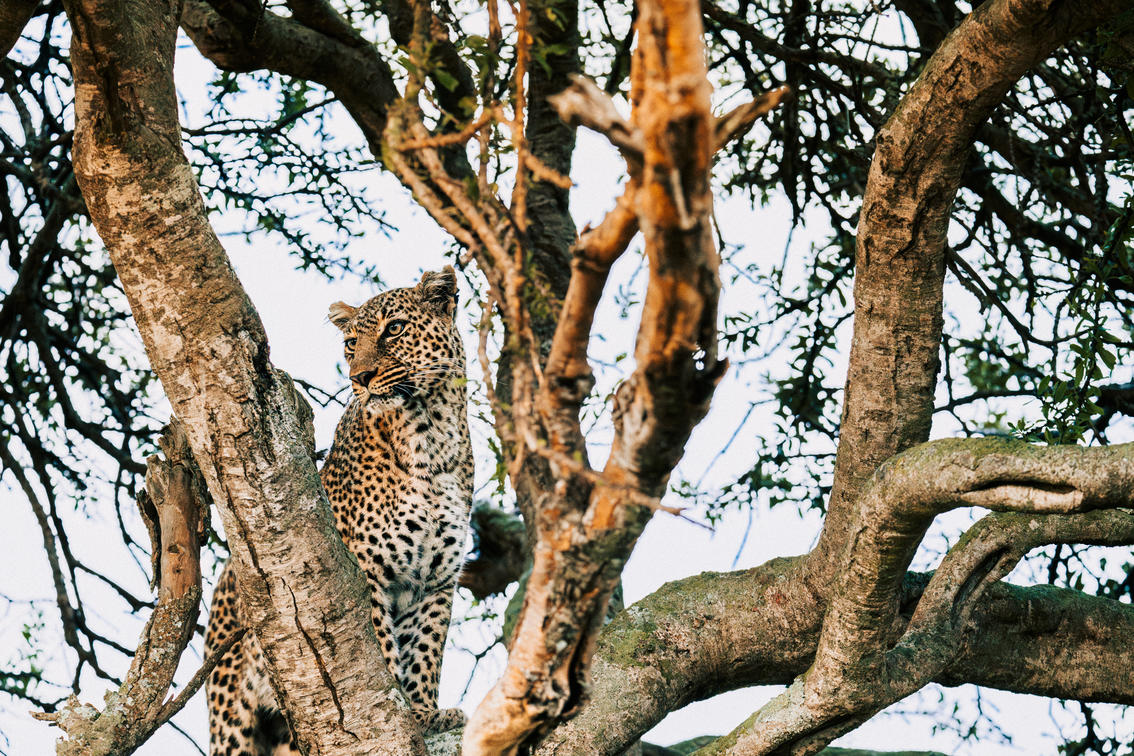
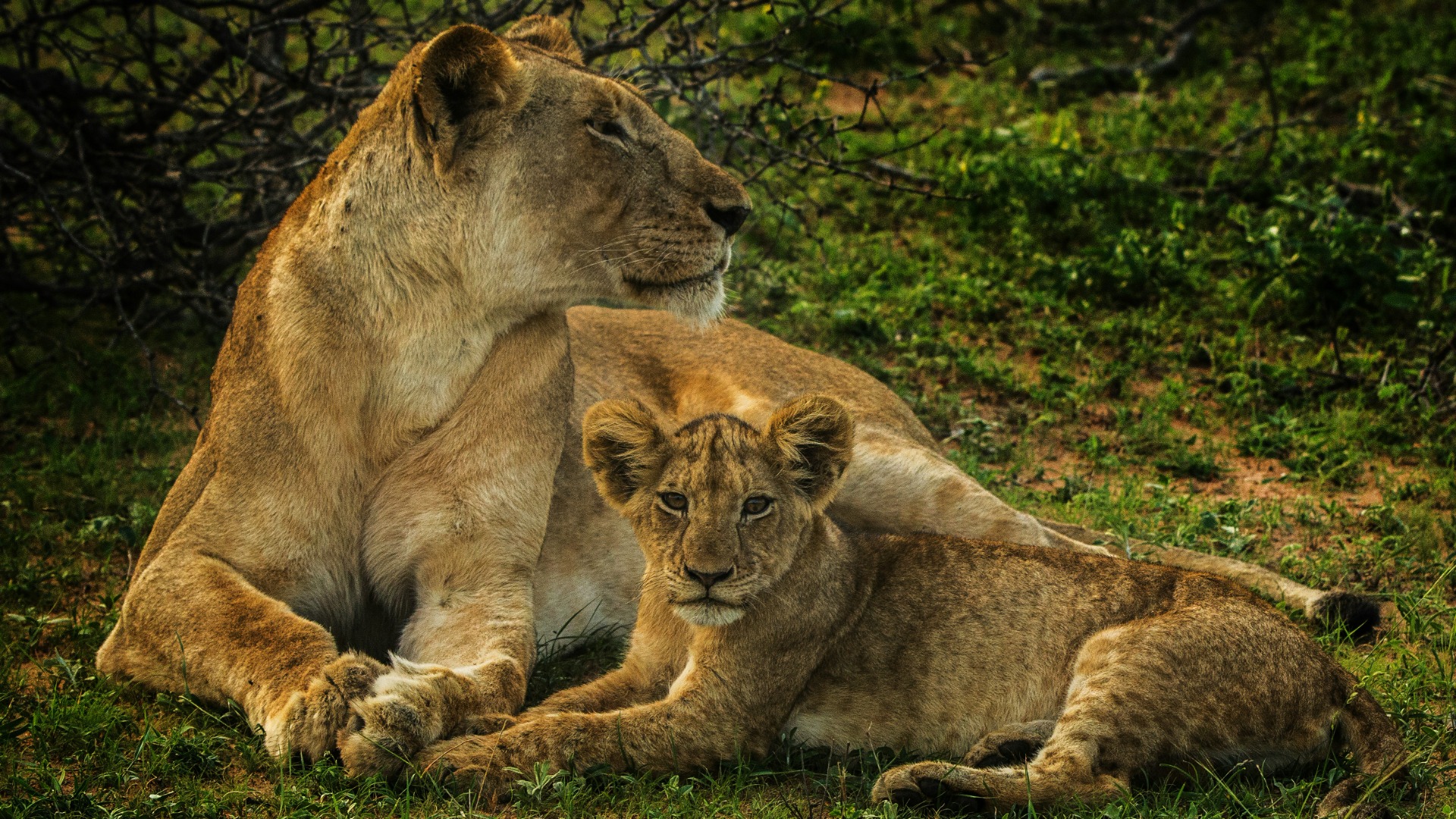
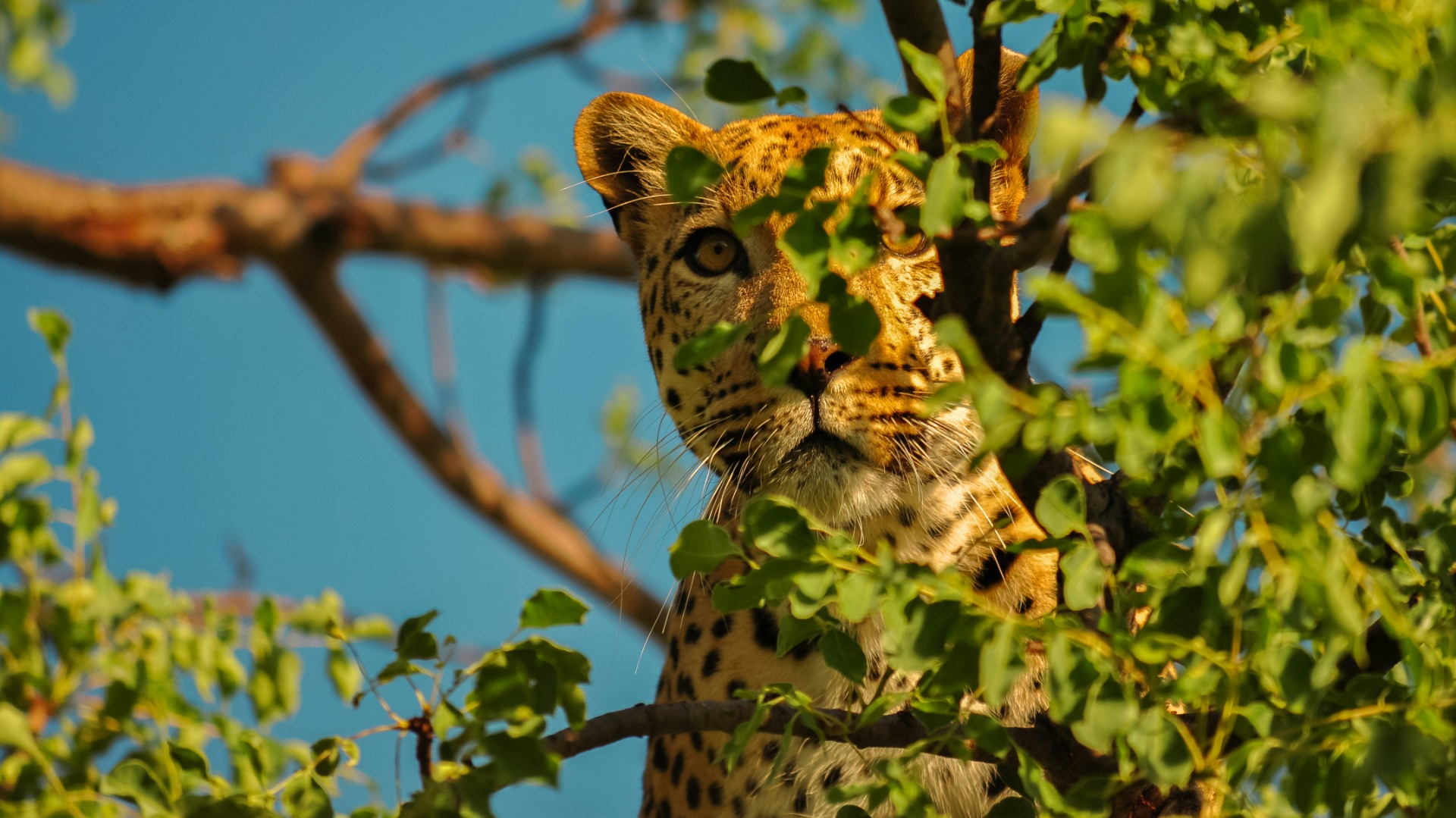
The Big Five define Kenya wildlife safaris, each species adapted to distinct ecosystems. Lions, often in prides of 15-20, dominate the Masai Mara's grasslands, where females lead coordinated stalks at first light. Leopards, solitary and nocturnal, cache kills in Masai Mara National Reserve fever trees, their spotted coats blending with dappled shade.
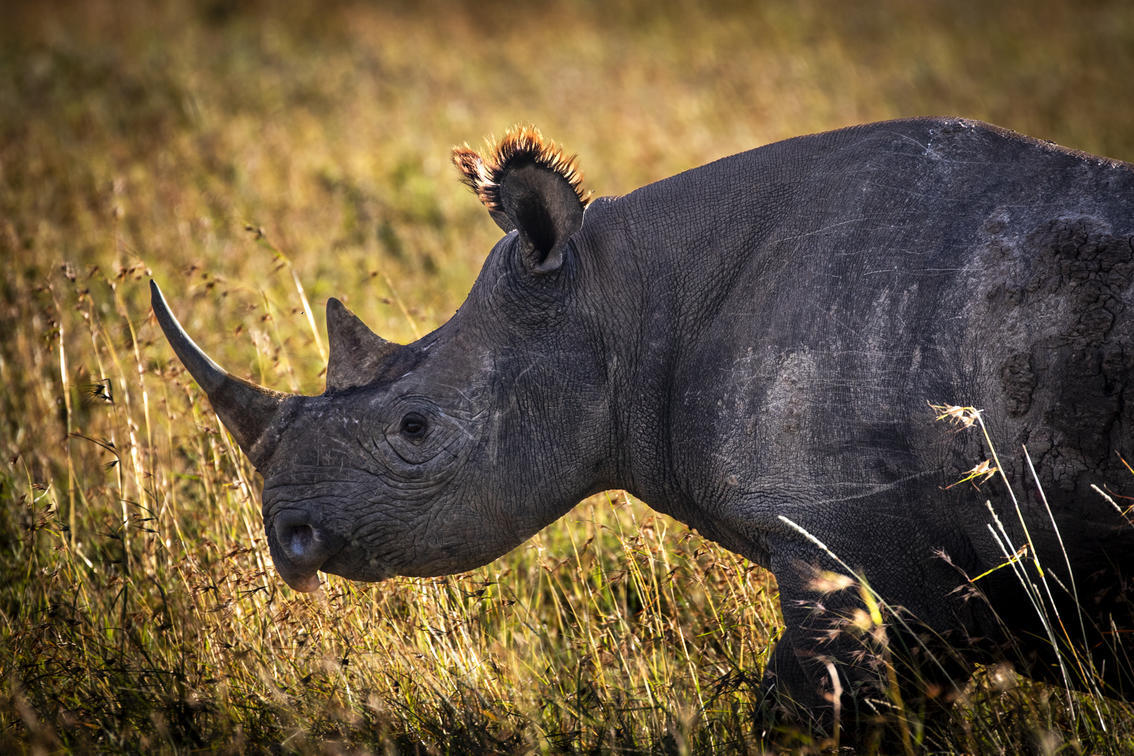
Elephants, numbering around 16,000 in Amboseli, form matriarch-led herds that traverse ancient migration corridors, pausing to wallow in alkaline pools. Their trumpets echo as calves playfully spray mud under Kilimanjaro's gaze. Black rhinos, critically endangered with fewer than 800 left, patrol thornbush thickets in Lake Nakuru, grunting warnings to rivals.
Buffalo herds, up to 1,000 strong, gather in swamps like those fringing Lake Nakuru, their curved horns forming defensive crescents against lion assaults. Cape buffalo behaviours shift with water availability, drawing predators during scarcity. These dynamics unfold vividly in Kenya's premier reserves, rewarding patient observers.
Kenya's Big Five thrive in symphony: lions roar on plains, elephants sculpt landscapes, rhinos guard thickets—each a testament to resilient ecosystems.
Masai Mara Species and Predator Behaviours
The Masai Mara pulses with predator-prey theatre, home to over 1.5 million wildebeest during the migration. Lions here exhibit coalition tactics, where young males roam in groups of four to six, challenging resident prides for territory. Spot them atop termite mounds, surveying herds that stretch to the horizon.
Cheetahs and Hyenas: Speed Versus Stamina
Cheetahs favour the Mara's open savannah, launching explosive chases that last under 30 seconds, targeting Thomson's gazelle. Mothers with cubs teach hunting by allowing failures, building resilience. Spotted hyenas, with their whooping calls piercing the night, scavenge and hunt in clans, outlasting cheetahs at kills through bone-crushing jaws.
Leopard Solitude and Tree Kills
Leopards embody stealth, dragging impala carcasses weighing up to 100 kg into sausage trees. Their behaviours peak at twilight, eyes gleaming as they descend for feeds. In the Mara, these cats number around 200, thriving amid riverine forests.
This predator mosaic sustains the Mara's biodiversity, with vultures and jackals cleaning remains under Africa's vast skies.
Seasonal Peaks for Kenya Wildlife Viewing
The best time to visit Kenya for wildlife peaks from June to October, when long dry spells concentrate animals around diminishing water sources. Herds funnel to Mara River crossings, where crocodiles ambush in dramatic lunges—witness up to 6,000 wildebeest daily in peak July-August.
November to December short rains green the plains, birthing thousands of calves and sparking fresh flushes of prey. This contrasts the February-March calving season in the southern Serengeti extension, drawing lions to gorging frenzies. Dry June-October remains prime for detailed sightings, with visibility unhindered by dust or vegetation.
June-October (Peak Dry): Big cat concentrations, migration spectacles, minimal foliage.
November-December (Short Rains): Lush landscapes, newborn prey, fewer crowds.
January-March (Calving): Predator nurseries, abundant kills.
April-May (Long Rains): Fewer visitors, bird migrations, but muddy tracks challenge access.
These windows align behaviours like elephant musth cycles, peaking July-September when bulls display aggression amid rutting scents.
Elephants and Herbivores: Amboseli and Beyond
Amboseli's elephants, renowned for their size—bulls reaching 4 metres at the shoulder—navigate a parched basin reliant on groundwater. Families dust-bathe in red volcanic soil, calves trunk-wrestling amid grunts and rumbles that carry kilometres. This Kenya gem hosts 1,700 elephants, their migrations linking to Tsavo's vast corridors.
Giraffes, Maasai and reticulated subspecies, tower in Samburu, necks weaving through acacia canopies. Zebras and wildebeest form defensive mobs, stripes blurring against lions. In Laikipia, Grevy's zebras—narrow-striped and endangered—evade threats in ranch conservancies.
Dry seasons forge unforgettable frames: Kilimanjaro-framed elephants, Mara riverine ambushes, Nakuru flamingo seas—Kenya wildlife at its most concentrated.
Rhinos and Antelopes in Lake Nakuru
Lake Nakuru safeguards 100 eastern black rhinos, their prehensile lips browsing whistling thorn. White rhinos graze nearby, hornless in some cases due to anti-poaching measures. Flamingos carpet the soda lake in pink millions during algal blooms, peaking January-March.
Gerenuk antelopes stand bipedally in Tsavo, stretching for browse, while oryx evade heat by burrowing sands. These specialised herbivores enrich Kenya's wildlife tapestry.
Lesser-Known Kenya Wildlife Gems
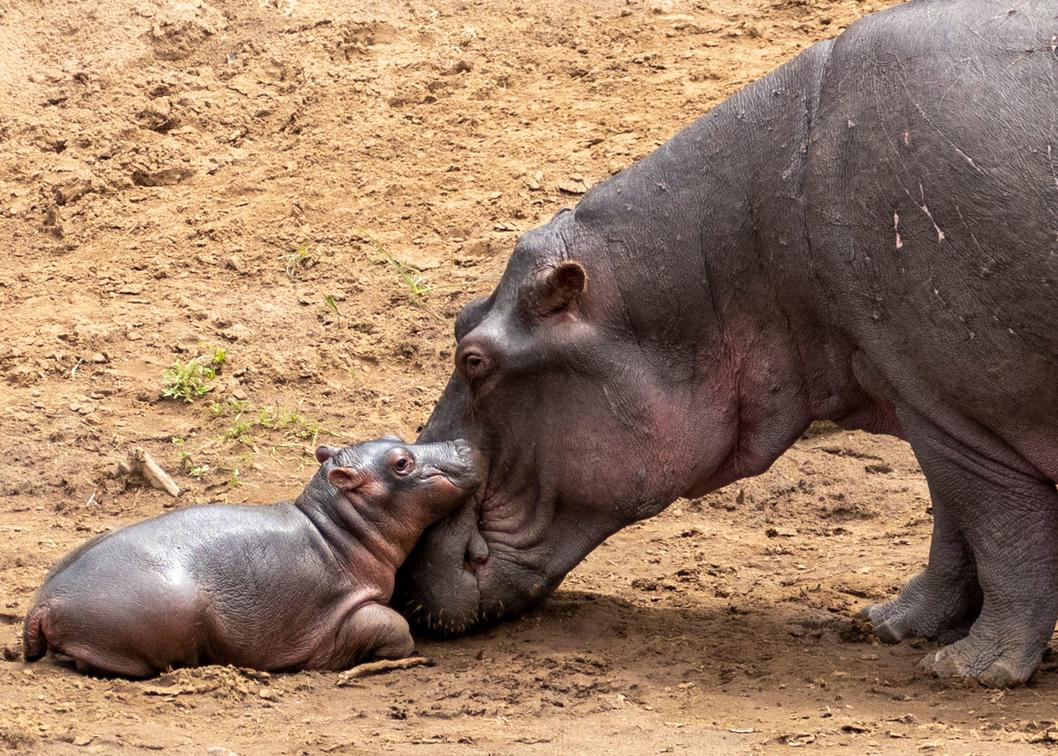
Beyond icons, Samburu reveals endemic 'Samburu Special Five': Grevy's zebra, reticulated giraffe, Beisa oryx, long-eared gerenuk, and Somali ostrich. Primates thrive in Aberdare forests, black-and-white colobus leaping vine bridges. Hippos, third heaviest land mammal, defend territories in Mugie Conservancy rivers with cavernous yawns.
Chimpanzees inhabit isolated Tana River groves, while patas monkeys sprint savannahs at 55 km/h. Birdlife dazzles with 1,100 species, including ostrich parades and eagle stoops. These hidden layers reward exploratory travellers.
Track Grevy's zebras in Laikipia ranches, population hovering at 2,500 globally.
Observe colobus troops in Mount Kenya cloud forests, tails flowing like banners.
Spot shoebills in western wetlands, prehistoric bills snapping fish.
Conservation efforts, like Lewa Conservancy's rhino breeding, bolster rebounds—rhino numbers up 30% since 2010.
When and Where: Planning Your Kenya Safari
What is the best time to see Kenya wildlife? June to October dry season concentrates sightings, with 90% of migration in Masai Mara by August. Combine with November for green-season intimacy. Fly into Nairobi Wilson Airport for light aircraft hops to remote airstrips, minimising road time.
Expect game drives at dawn and dusk, bush walks with armed guides, and night vigils for owls. Pack binoculars, neutral tones, and malaria prophylaxis—Encounters Africa handles seamless logistics. Tailor itineraries to match peaks, like July for predators or February for calves.
For private journeys beyond set paths, Encounters Africa crafts bespoke experiences drawing on our network of premier camps. We design for couples seeking cheetah chases or families tracking elephants, paced to your rhythm.
Conclusion: Craft Your Kenya Wildlife Journey
Kenya wildlife planner insights—from Masai Mara lions' pride hunts to Amboseli's towering herds—empower precise planning amid seasonal rhythms. With 11 national parks and 28 reserves, the stage is set for profound connections. Contact Encounters Africa to curate your intimate safari, blending expertise with passion for Africa's wild heart.
Step into Kenya's wild rhythm: where every season reveals a new chapter in the eternal dance of predator and plain.
More like this
Wildlife
Kenya's Wildlife: Essential Facts Every Safari Traveler Should Know
wildlife
Kruger Wildlife Guide: Iconic Species, Behaviors, and Viewing Seasons
wildlife
Leopard Shadows and Elephant Trails: A Week Tracking Zambia's Predators
Wildlife
Mapping Tanzania's Prime Wildlife Corridors for Meaningful Encounters
Wildlife
Mastering Uganda’s Wildlife Signals: Field Skills That Turn Chance Sightings Into Certain Encounters
Wildlife