Wildlife
Kenya's Wildlife: Essential Facts Every Safari Traveler Should Know
Encounters Africa - 8 min read
Updated on 29 July 2026
Kenya's wildlife holds a special fascination for every safari traveller, revealing layers of adaptation and survival that unfold across its iconic landscapes. From the synchronized birthing of over 300,000 wildebeest calves each year to the complex social structures of elephant herds, Kenya's wildlife reveals astonishing survival strategies shaped by seasonal rains and vast open plains. This essential guide distils the facts every visitor should know before setting out on a Kenyan safari with Encounters Africa.
Whether you are planning your first journey or returning for deeper encounters, understanding these patterns enriches every game drive and walking safari. Kenya supports an estimated 25,000 elephants, supports the world's largest wildebeest migration alongside Tanzania, and hosts over 1,100 bird species. These numbers translate into remarkable daily sightings when timed with the seasons.
Why Kenya Remains One of Africa's Premier Wildlife Destinations
The country's position astride the equator creates a remarkable variety of habitats within relatively short distances. From the snow-capped peak of Mount Kenya to the soda lakes of the Rift Valley and the golden grasslands of the Masai Mara, each ecosystem supports its own cast of characters. The result is a destination where a single week can deliver encounters with lions, leopards, elephants, rhinos, and buffalo—the famous Big Five—alongside rare antelope and countless birds.
Seasonal rains dictate the rhythm of life here. The long rains typically arrive in April and May, followed by a shorter season in November. Between these periods the land dries, concentrating animals around permanent water sources and making game viewing more predictable. Knowledge of these cycles allows travellers to choose the experiences that matter most to them.
The land remembers every drop of rain. When the first storms arrive, the plains explode into life, and the great migration begins its timeless dance across the savannah.
Iconic Mammals and Their Fascinating Behaviours
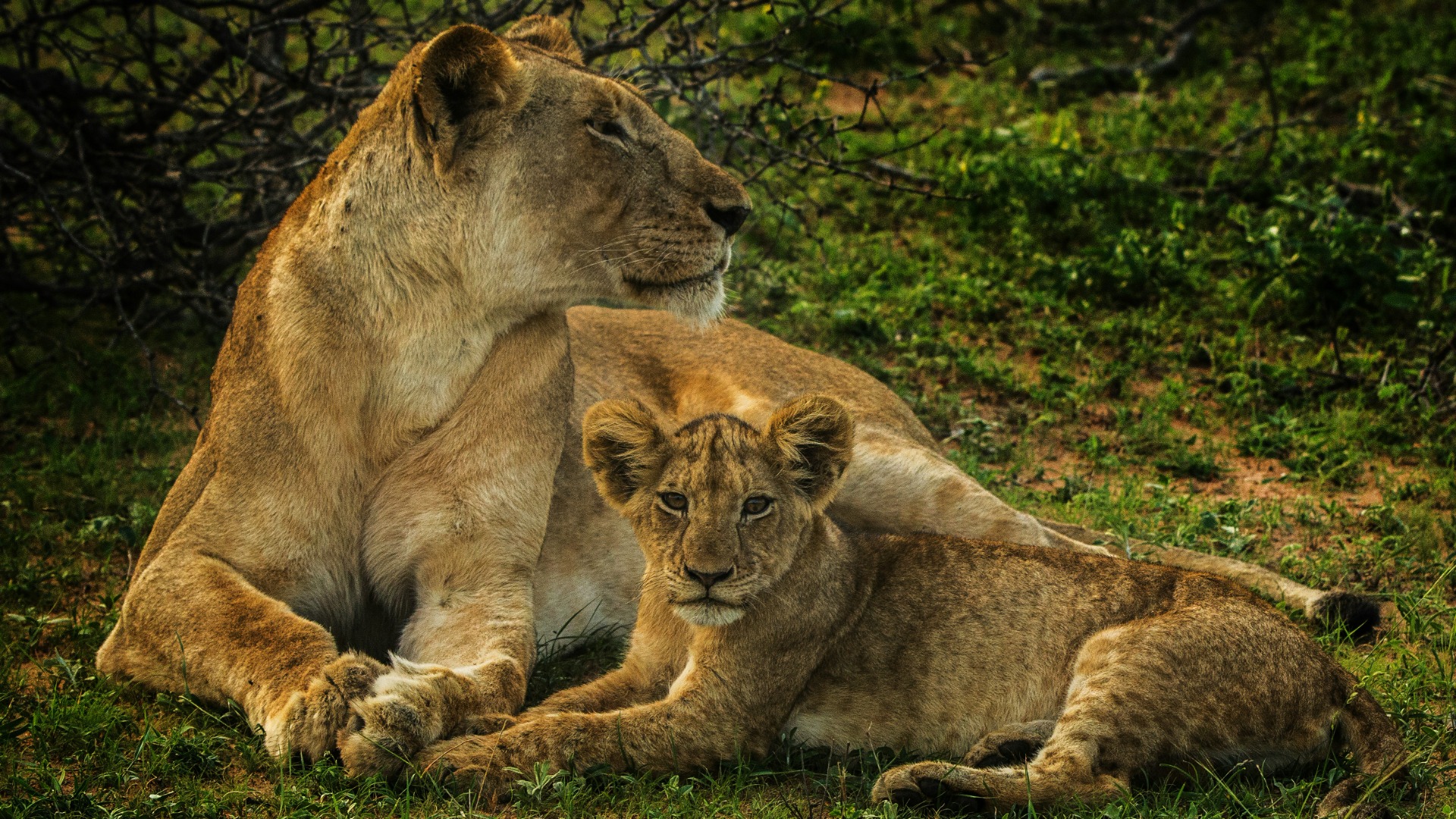
Lions in Kenya form some of the largest prides on the continent, with groups in the Masai Mara occasionally numbering more than 20 individuals. These social cats hunt cooperatively, with lionesses doing most of the work while males defend territory. A male's roar can carry eight kilometres, a sound that reverberates through the cool predawn air and sends shivers down the spine of every listener.
Elephants demonstrate extraordinary emotional intelligence. Matriarchs lead family groups of up to 30 related females and calves, remembering waterholes and safe routes across generations. In Amboseli National Park, researchers have identified more than 1,500 individuals, many of whom recognise the voices of long-departed family members decades later.
The Great Migration in Numbers
Each year roughly 1.5 million wildebeest and 200,000 zebra move in a clockwise circle between Kenya's Masai Mara and Tanzania's Serengeti. The journey covers nearly 2,000 kilometres and claims the lives of around 250,000 animals through predation, exhaustion, and river crossings. The spectacle peaks in Kenya between July and October when the herds mass along the Mara River.
During the calving season from January to March in the southern Serengeti, some 300,000 wildebeest calves are born within a few weeks. This synchronised birthing overwhelms predators and gives the highest number of young the chance to survive their first vulnerable days.

Standing on the banks of the Mara River as thousands of wildebeest plunge into the crocodile-infested water is to witness one of the last great terrestrial migrations on Earth.
Kenya's Big Five: What Makes Each Species Special
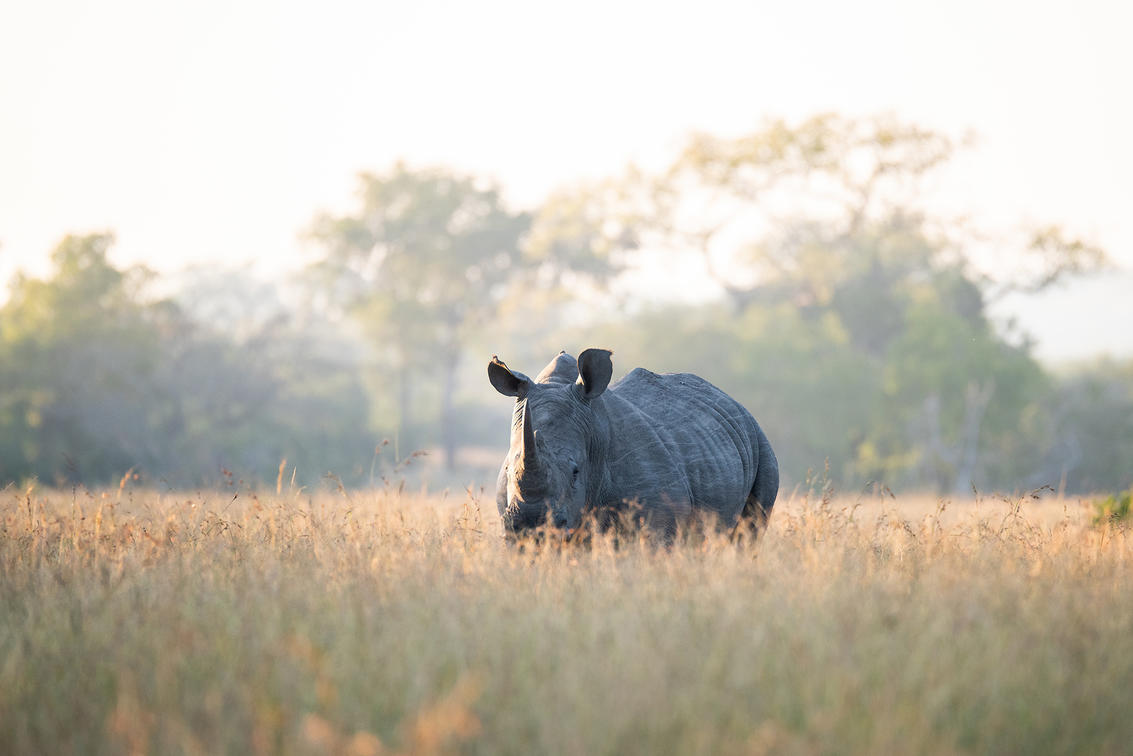
The term Big Five originated with hunters who found these animals the most dangerous to pursue on foot. Today they represent the pinnacle of responsible wildlife viewing. Kenya's black rhino population, once decimated by poaching, has climbed steadily thanks to intensive protection. There are now around 700 individuals, with strongholds in Lewa Conservancy and Ol Pejeta Conservancy.
Buffalo move in large herds that can number several hundred. They are surprisingly unpredictable and command respect from even the largest predators. A group of buffalo will often form a defensive circle around their calves when threatened by lions, presenting an unbroken wall of horns.
Leopards and Cheetahs: Masters of Stealth and Speed
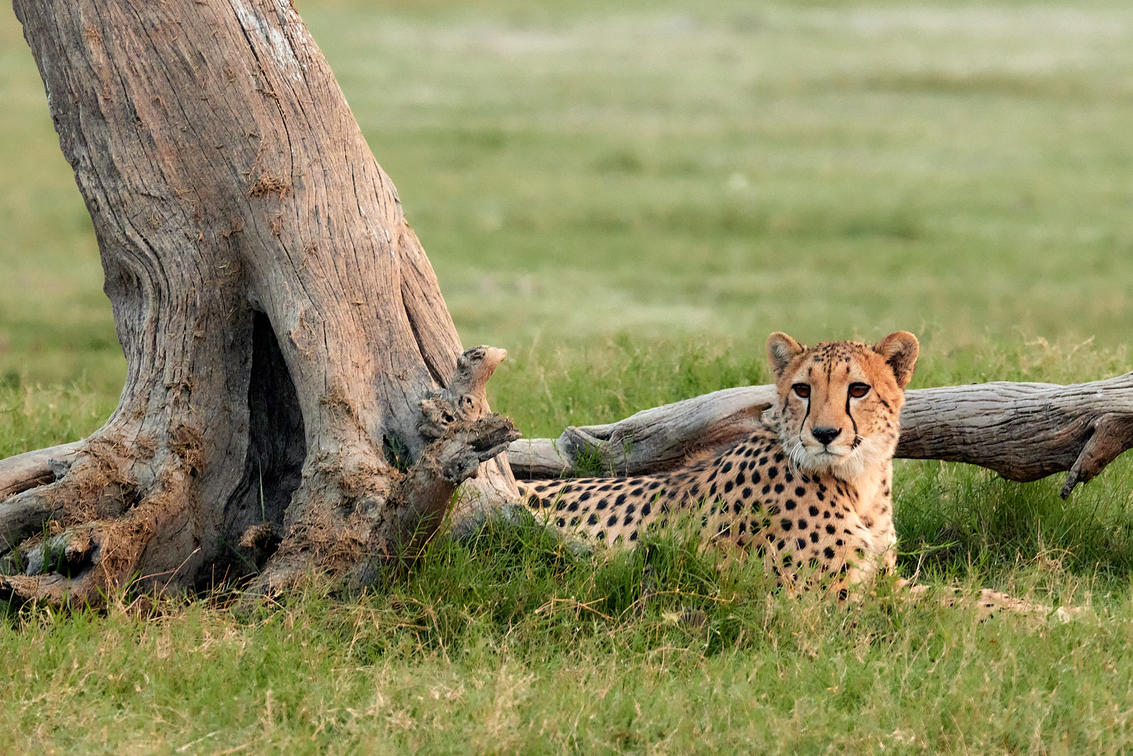
Leopards are the most elusive of the big cats, perfectly camouflaged and largely nocturnal. In contrast, cheetahs hunt by day, relying on explosive acceleration that can reach 100 kilometres per hour. Kenya is one of the best places to see cheetahs successfully raising cubs, although their numbers remain fragile at around 1,000 individuals countrywide.
Recent studies in the Mara North Conservancy show that cheetah mothers lose up to 90 percent of their cubs in the first year, mainly to lions and hyenas. Those that survive become some of the most skilled hunters on the plains.
Birdlife and Smaller Wonders Often Overlooked
While the large mammals command attention, Kenya's avian diversity rewards patient observers. Lake Nakuru regularly hosts more than a million lesser flamingos, creating a shimmering pink carpet visible from kilometres away. Over 450 bird species have been recorded in the Masai Mara alone.
Smaller mammals such as bat-eared foxes, dwarf mongooses, and rock hyraxes display equally captivating behaviours. Dwarf mongooses live in highly organised groups with a dominant breeding pair and cooperative helpers who take turns babysitting and standing sentry.
Reptiles and Amphibians in the Kenyan Landscape
The Nile crocodile can grow to six metres and live for over 100 years. During the wildebeest migration they gather in extraordinary numbers at river crossings, making the most of the annual feast. Meanwhile, the colourful agama lizards perform push-up displays on sun-baked rocks, their bright blue heads flashing like warning signals.
Conservation Successes and Ongoing Challenges
Kenya has made remarkable strides in protecting its natural heritage. Community conservancies now cover more land than the national parks and reserves combined, providing both wildlife corridors and tangible benefits to local people. In Laikipia, private landowners have created one of the most important rhino sanctuaries on the continent.
Yet challenges remain. Climate change is altering rainfall patterns, while human populations continue to grow around protected areas. Electric fencing, carefully planned wildlife corridors, and responsible tourism all play vital roles in securing a future for Kenya's wildlife.
Every traveller who chooses to visit Kenya responsibly becomes part of the solution, helping to prove that wildlife and communities can thrive side by side.
Common Questions About Kenyan Wildlife
What is the best time to see the wildebeest migration in Kenya? The herds usually reach the Masai Mara in July and remain until October, although exact timing depends on rainfall. River crossings are most dramatic in August and September.
How many elephants live in Kenya today? Current estimates place the population at approximately 36,000, with the largest concentrations found in Tsavo East and West National Parks and Laikipia.
Are there still rhinos in Kenya? Yes. Black rhino numbers have increased from fewer than 400 in the 1980s to around 700 today thanks to dedicated conservation programmes. White rhinos, though fewer, can be seen in certain sanctuaries.
What should I pack for a Kenyan safari? Neutral-coloured clothing, binoculars, a good camera with zoom lens, sun protection, and layers for the cool mornings and evenings. Malaria prophylaxis and travel insurance are also essential.
Experiencing Kenya's Wildlife Responsibly
Responsible safari practices protect the animals and enhance your experience. Staying on marked tracks, never leaving vehicles in the presence of dangerous game, and maintaining respectful distances all contribute to the animals' sense of security. Many of Kenya's finest camps and lodges work directly with local communities, ensuring that tourism revenue supports both conservation and development.
Early morning and late afternoon drives offer the best light and animal activity. Walking safaris with experienced guides open an entirely new perspective, allowing you to read tracks, examine dung, and understand the smaller details that make the ecosystem function.

Planning Your Kenyan Wildlife Journey
Kenya rewards the curious traveller with layer upon layer of discovery. Whether you watch a cheetah mother teaching her cubs to hunt on the open plains of Masai Mara, observe elephants crossing red dust tracks in Tsavo East National Park, or sit quietly beside a waterhole in Loisaba Tented Camp as the stars emerge, each moment becomes part of a deeper understanding of Africa's natural heritage.
For discerning travellers seeking a private safari beyond our set itineraries, we invite you to contact us directly. We specialise in designing exceptional, tailor-made journeys for individuals, couples, families, and private groups of up to eight guests. Drawing on our handpicked network of distinguished camps and lodges, we curate every detail with precision and care, creating a seamless, deeply personal safari experience shaped entirely around your preferences, pace, and budget.
Discover more about responsible travel in our article on reading Kenya's savannah through field signs or explore our dedicated Kenya safari collection. The wild places and their inhabitants are waiting—reach out today and let Encounters Africa craft the Kenyan experience you have always imagined.
More like this
wildlife
Kruger Wildlife Guide: Iconic Species, Behaviors, and Viewing Seasons
wildlife
Leopard Shadows and Elephant Trails: A Week Tracking Zambia's Predators
Wildlife
Mapping Tanzania's Prime Wildlife Corridors for Meaningful Encounters
Wildlife
Mastering Uganda’s Wildlife Signals: Field Skills That Turn Chance Sightings Into Certain Encounters
Wildlife
Mastering Visibility: Field Techniques for Spotting Wildlife in Thick African Bush
wildlife