
Culture
Inside the Rhythms of Zimbabwean Culture and People
Encounters Africa - 9 min read
Updated on 25 June 2026
The rich tapestry of culture practices in Zimbabwe offers travellers a window into a society where ancient rhythms continue to shape daily life. From the resonant notes of the mbira thumb piano echoing across valleys to intricate stone carvings that tell stories of the past, Zimbabwean culture and people blend reverence for ancestors with vibrant communal celebrations. This fusion creates a living heritage that feels both timeless and immediate, inviting deeper understanding beyond surface impressions.
Zimbabwe's cultural landscape is defined by the interplay of Shona and Ndebele traditions, alongside smaller ethnic groups, each contributing distinct threads to the national identity. These practices are not confined to museums or festivals but woven into the fabric of everyday existence, from family totems that guide social interactions to spirit mediums who offer counsel in contemporary decisions. For those planning a journey that honours local ways, encountering these elements firsthand reveals layers rarely captured in guidebooks.
The mbira does not simply play music; it summons the voices of those who walked before us, reminding every listener that identity in Zimbabwe is carried as much in melody as in memory.
The Enduring Influence of Ancestral Traditions
At the heart of culture practices in Zimbabwe lies a profound connection to ancestors, known as midzimu among the Shona. Families maintain these bonds through regular libations, where small offerings of traditional beer or snuff are presented at household shrines. This daily ritual reinforces social cohesion and provides a framework for moral guidance that many Zimbabweans still consult before major life choices.
Spirit mediums, or svikiro, serve as vital intermediaries between the living and the departed. These respected figures, often entering trance states during ceremonies, advise on everything from agricultural timing to resolving community disputes. Their role remains remarkably relevant today, with urban professionals sometimes returning to rural homes to seek ancestral insight during times of uncertainty.
The Ndebele people observe similar practices through their reverence for amadlozi, though expressed through different ceremonies and artistic forms. What unites these approaches is the belief that the past actively informs the present, creating a cultural continuity that has helped Zimbabwean communities navigate colonial history and modern challenges alike.
Totem Systems and Social Identity
One of the most distinctive aspects of Zimbabwean culture and people is the totem or mutupo system. Every individual belongs to a specific animal or object totem, such as the elephant, fish eagle or baobab tree. These totems dictate marriage rules, foster respect across clans, and create networks of mutual support that extend far beyond immediate family.
Children learn their totem from birth, and it becomes integral to how they introduce themselves in formal settings. This practice, dating back centuries, continues to prevent marriages within the same totem and promotes alliances between different groups, strengthening the social fabric across regions.
In a world increasingly defined by individualism, Zimbabwe's totem system stands as a quiet testament to the power of shared symbols in building resilient communities.
Mbira Music and the Spirit of Celebration
No exploration of culture practices in Zimbabwe would be complete without the mbira, the iconic thumb piano whose complex melodies have been played for over a thousand years. Constructed from a wooden soundboard with metal keys, the instrument produces haunting tones believed to attract ancestral spirits during important gatherings.
Mbira performances often last through the night, accompanied by hand-clapping, rattles and singing in intricate harmonies. These sessions, known as bira, serve multiple purposes from healing ceremonies to rain-making rituals and harvest thanksgivings. The music's polyrhythmic structure mirrors the layered nature of Zimbabwean society itself.
Modern musicians have successfully fused traditional mbira with contemporary genres, bringing Zimbabwean sounds to international audiences while maintaining deep respect for their origins. Artists like Thomas Mapfumo pioneered the chimurenga style, blending mbira patterns with electric guitars to create a powerful form of cultural expression during the liberation struggle.
The Role of Dance in Cultural Transmission
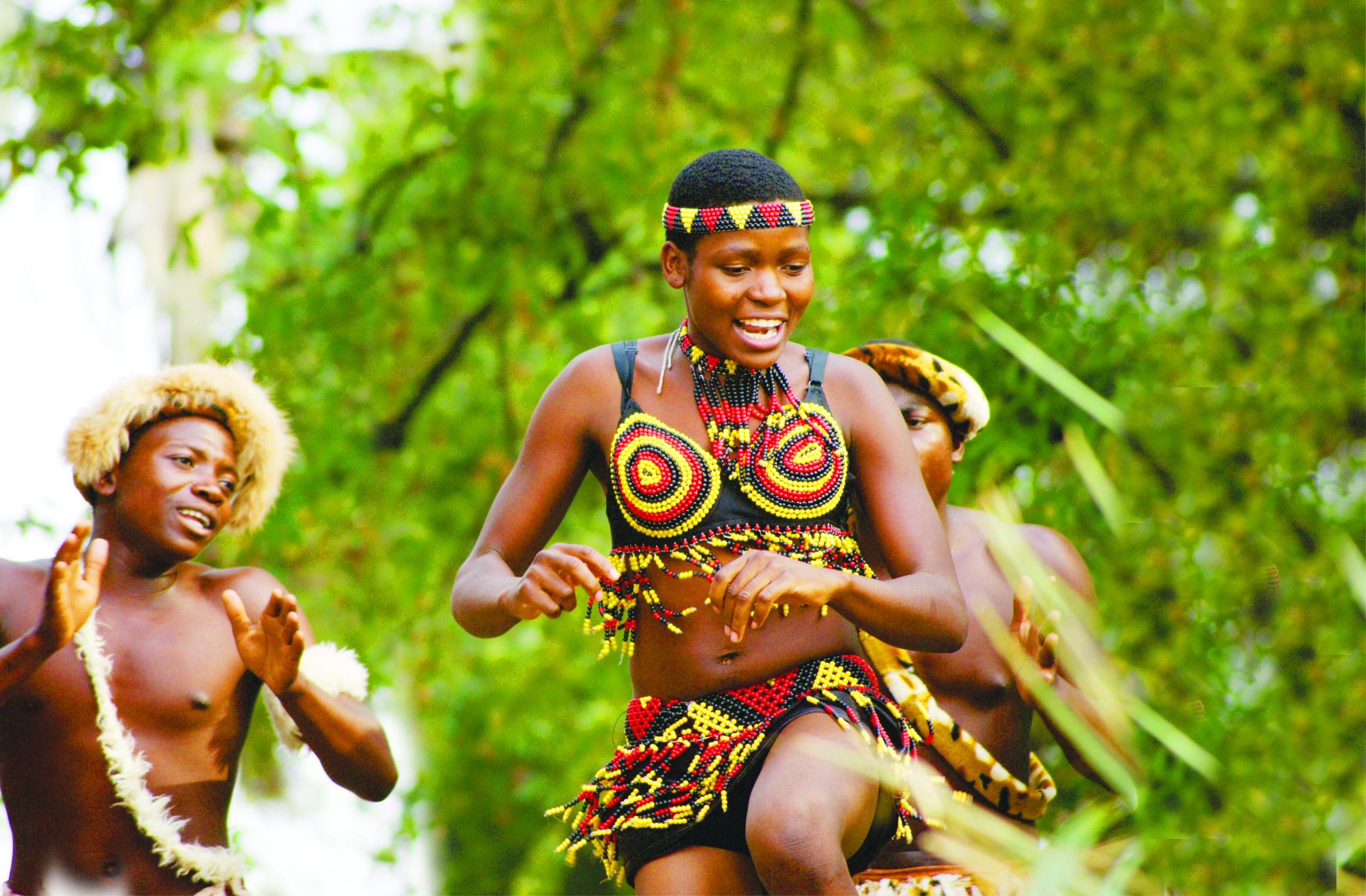
Communal dance forms an equally vital component of Zimbabwean culture and people. The Jerusarema dance of the Shona, with its energetic movements and precise footwork, tells stories of daily life and historical events. Similarly, the Ndebele Ingoma dance celebrates warrior heritage through vigorous stamping and rhythmic chanting.
These dances are taught from childhood, ensuring that cultural knowledge passes naturally between generations. During festivals, entire communities participate, creating an immersive experience where spectators become performers and the boundary between observer and participant dissolves.
Stone Sculpture and Visual Storytelling
The stone sculpture tradition of Zimbabwe represents one of Africa's most distinctive artistic expressions. Centred around the stone quarries of the Eastern Highlands, sculptors transform serpentine, verdite and springstone into powerful figures that capture both human emotion and spiritual concepts.
This art form gained international recognition in the 1950s and 60s, though its roots stretch back to the ancient city of Great Zimbabwe, where magnificent stone structures were built between the 11th and 15th centuries. Today's sculptors often draw inspiration from ancestral legends, creating works that serve as both aesthetic objects and cultural documents.
Many contemporary artists maintain workshops in their home villages, training apprentices in traditional techniques while encouraging individual creativity. This balance between preservation and innovation characterises much of Zimbabwe's cultural output today.
Each chisel mark in Zimbabwean stone carries forward a conversation started by builders of Great Zimbabwe nearly a thousand years ago, proving that true cultural practices evolve without losing their essence.
Harvest Festivals and Agricultural Rites
The agricultural calendar shapes many culture practices in Zimbabwe, with harvest time bringing communities together in joyous celebration. The mutoro ceremony among certain Shona groups involves offering the first crops to the ancestors before the community may partake, acknowledging the spiritual dimension of farming.
These festivals typically feature traditional foods such as sadza (maize meal porridge), roasted maize and various wild greens. Music, dance and storytelling fill the days and nights, reinforcing communal bonds while marking the changing seasons with appropriate reverence.
Even in years of drought, which have become more frequent due to climate change, communities adapt their ceremonies to focus on rain-making rituals. Spirit mediums play a central role here, leading processions to sacred sites where special herbs are burned and prayers offered to the ancestors.
Coming-of-Age Ceremonies
Transition rites remain significant markers in the lives of young Zimbabweans. For girls, the rukunda or umemulo ceremonies (depending on ethnic group) celebrate the passage into womanhood with teachings about responsibility, respect and cultural knowledge.
Boys undergo initiation processes that often include periods of seclusion, learning about their responsibilities as men, the importance of their totem, and traditional skills. These ceremonies have evolved to incorporate modern elements while retaining their core purpose of preparing the next generation for adult roles within the community.
How Do Zimbabwean Cultural Practices Adapt to Modern Life?
This question frequently arises among travellers interested in Zimbabwean culture and people. The answer reveals remarkable resilience and creativity. While many young professionals live in cities like Harare and Bulawayo, they maintain strong connections to their rural ancestral homes, returning for important ceremonies and family obligations.
Technology has created new avenues for cultural expression. Social media platforms now host virtual mbira performances and online discussions about totem etiquette. Contemporary theatre groups reinterpret traditional stories for modern audiences, addressing current issues through the lens of ancestral wisdom.
Education systems increasingly incorporate indigenous knowledge alongside conventional subjects. Schools teach respect for totems, basic phrases in local languages, and appreciation for traditional arts. This balanced approach helps young Zimbabweans navigate between global influences and their cultural heritage with confidence.
The COVID-19 pandemic highlighted the adaptability of these practices, with many families conducting modified ceremonies that maintained essential spiritual elements while observing health protocols. Such flexibility demonstrates how culture practices in Zimbabwe remain relevant precisely because they evolve in response to changing circumstances.

Experiencing Zimbabwean Culture Respectfully
Travellers wishing to engage meaningfully with Zimbabwean culture and people should approach their journey with genuine curiosity and respect. Learning a few basic Shona or Ndebele phrases demonstrates appreciation and often opens doors to more authentic interactions.
When visiting villages, asking permission before taking photographs and accepting offers of hospitality graciously are fundamental courtesies. Participating in a bira or harvest festival, when invited, creates memories that transcend typical sightseeing experiences.
Supporting local artisans by purchasing stone sculptures or mbira instruments directly from makers helps sustain these traditions economically. Choosing community-run experiences over purely commercial ones ensures that cultural tourism benefits those who maintain these living practices.
True appreciation of Zimbabwean culture comes not from observation alone, but from the willingness to listen, learn, and recognise that every melody, carving and ceremony represents centuries of accumulated wisdom.
Discovering Living Heritage
The culture practices in Zimbabwe offer far more than colourful photo opportunities or interesting facts for travellers. They represent a sophisticated worldview that values community, respects the wisdom of those who came before, and finds beauty in the connection between people, land and spirit. This heritage continues to evolve, absorbing new influences while maintaining its distinctive character.
From the stone ruins of Great Zimbabwe to contemporary galleries showcasing sculptural masterpieces, from village mbira sessions to urban cultural centres, the country presents countless opportunities to engage with its people and traditions. Each encounter reveals another dimension of a society that has weathered significant changes yet preserved its essential rhythms.
For those planning a journey that goes beyond wildlife viewing to include meaningful cultural exchange, Zimbabwe offers an exceptionally rich landscape. The warmth of its people, depth of its traditions, and beauty of its artistic expressions create experiences that resonate long after returning home.
Encounters Africa specialises in designing exceptional, tailor-made journeys for individuals, couples, families, and private groups of up to eight guests. Drawing on our handpicked network of distinguished camps and lodges, we curate every detail with precision and care, creating a seamless, deeply personal safari experience shaped entirely around your preferences, pace, and budget.
Whether you wish to attend a traditional ceremony in the Matobo Hills, visit master sculptors in their workshops near Great Zimbabwe, or simply spend time with communities who maintain these living traditions, we can arrange authentic encounters that honour local customs while creating lasting memories. For those looking for a private safari beyond our set itineraries, we would be delighted to hear from you directly. Through our trusted network of carefully selected camps and lodges, we craft each safari around your individual interests, preferred pace, and budget, ensuring a seamless and deeply personal experience from beginning to end.
Begin your exploration of Zimbabwean culture and people by contacting Encounters Africa today to discuss how we might design your own meaningful journey into the heart of this remarkable heritage.
More like this

Culture
Kenya's Sacred Calendars: How Communities Mark Seasons Through Ritual
Culture
Moments of Culture in Africa: How Daily Traditions Shape Identity Across Nations
culture
Post-Genocide Revival: Rwanda's Intangible Heritage Takes Shape
Culture
Practical Steps for Tourists to Respect Local Customs During Wildlife Encounters

Culture
Practical Steps for Travelers to Honor Local Customs While Protecting African Ecosystems
Culture