
Culture
Practical Steps for Travelers to Honor Local Customs While Protecting African Ecosystems
Encounters Africa - 10 min read
Updated on 12 August 2026
Practical steps for travellers to honour local customs while protecting African ecosystems begin with a clear understanding that every interaction carries weight. In many communities across the continent, cultural protocols and ecological balance are deeply intertwined, where respecting sacred sites, observing seasonal restrictions, and following wildlife etiquette directly supports the health of fragile habitats. Encounters Africa has guided thousands of discerning travellers through these nuances, ensuring their journeys enrich both personal understanding and the landscapes they visit.
The approved excerpt captures this essence perfectly: Learn how to engage deeply with African communities by following their protocols on sacred sites, seasonal access, and wildlife interactions, ensuring your presence supports rather than strains delicate natural systems. By approaching your safari with informed respect, you become part of a centuries-old relationship between people and nature rather than an outsider disrupting it.

Understanding the Interwoven Fabric of Culture and Conservation
African societies have long viewed the natural world not as a resource to exploit but as a living relative deserving of reverence. From the San trackers of the Kalahari to the Maasai herders of the East African plains, traditional knowledge systems encode rules that protect both biodiversity and cultural identity. These guidelines often dictate when and how humans may enter certain areas, how close one may approach animals, and which behaviours maintain harmony within the ecosystem.
Travellers who take time to learn these principles discover that cultural immersion and environmental stewardship are not separate pursuits but two sides of the same coin. A simple gesture, such as removing shoes before entering a community space or remaining silent during a ritual, can open doors to authentic exchanges while simultaneously reducing pressure on sensitive habitats. This mindful approach allows for richer, more meaningful connections that extend far beyond surface-level sightseeing.
The most profound safaris occur when travellers recognise that every footstep, every question asked, and every photograph taken either strengthens or weakens the delicate balance that local communities have maintained for generations.
Researching Before You Arrive: Building Knowledge with Respect
Effective preparation forms the foundation of any culturally sensitive journey. Begin by studying the specific traditions of the regions you plan to visit, recognising that practices vary significantly between communities even within the same country. Reliable sources include publications from local conservation organisations and conversations with your chosen operator well in advance of travel.
Consider the practical implications of timing your visit. Many communities observe sacred periods when access to particular lands is restricted to allow both spiritual renewal and ecological recovery. Understanding these cycles, which often align with lunar phases or seasonal rains, demonstrates respect while preventing unintended disturbance to breeding or migration patterns. Encounters Africa frequently advises clients on aligning their itineraries with these natural and cultural rhythms for optimal experiences.
When selecting Kenya or Botswana experiences, request detailed briefings on local protocols from your safari operator. Knowledgeable guides can explain everything from appropriate dress codes for village visits to the significance of particular trees or water sources that hold spiritual importance.
Key Questions to Ask Your Operator Before Departure
Thoughtful preparation involves asking specific questions rather than general ones. Inquire about current community initiatives, any temporary access restrictions, and how wildlife viewing guidelines support both animal welfare and traditional practices. Understanding these details transforms you from passive observer to informed participant.
Are there particular months when certain ceremonies or sacred sites are off-limits to outsiders?
What photography protocols exist for cultural encounters and wildlife viewing?
How does the camp or lodge support local conservation projects that benefit both ecosystems and communities?
What traditional greetings or gestures should you learn before visiting villages?
Respecting Sacred Sites and Seasonal Access Protocols
Many African landscapes contain sites considered sacred by local communities, where specific rules govern visitor behaviour to maintain both spiritual integrity and ecological health. These locations often serve as important biodiversity refuges, their protected status helping to preserve rare plant species and provide safe havens for wildlife during critical periods.
When visiting such places, travellers should follow their guide's instructions meticulously. This might mean maintaining silence, following designated paths that minimise soil erosion, or avoiding certain areas entirely during particular seasons. In regions like the Volcanoes National Park in Rwanda, for instance, protocols around gorilla trekking areas reflect both cultural significance and the need to prevent disease transmission to habituated primate groups.
Seasonal access rules frequently protect areas during vulnerable times, such as when animals are calving or when vegetation needs time to regenerate after dry periods. By adhering to these guidelines, visitors help maintain the delicate equilibrium that has sustained both human cultures and wildlife populations for centuries. This respect for natural cycles often leads to more rewarding observations, as animals tend to behave more naturally when human presence is carefully managed.
True immersion happens not through taking more but through understanding when to step back, allowing both cultural traditions and natural processes to unfold without interference.
Wildlife Interactions That Honour Both Culture and Conservation
Approaching wildlife with cultural awareness adds profound depth to any safari experience. In many communities, particular animals hold spiritual significance that influences how they should be observed. Learning these perspectives transforms a simple game drive into an opportunity for genuine cross-cultural understanding while promoting conservation-minded behaviour.
Practical measures include maintaining appropriate distances that respect both the animals' comfort zones and local viewing traditions. In areas where communities have historical relationships with specific species, your guide may share stories that illuminate why certain approaches are preferred. These narratives often reveal sophisticated ecological knowledge encoded within oral traditions passed down through generations.
Supporting community-based conservation initiatives represents one of the most tangible ways travellers can contribute positively. When booking with responsible operators like Encounters Africa, enquire about projects that directly benefit local people while protecting ecosystems. Many lodges work closely with neighbouring communities to develop tourism models that provide alternative livelihoods, reducing pressure on natural resources.
What Should You Do When Encountering Wildlife?
This common question deserves a clear, practical answer based on both cultural sensitivity and ecological principles. Always follow your guide's instructions precisely, as they understand both the animals' behaviour and any relevant cultural protocols for that specific area. Never attempt to feed wildlife, as this disrupts natural foraging patterns and can create dangerous dependencies. Maintain quiet voices and avoid sudden movements that might disturb the animals or contravene local customs about showing respect to fellow inhabitants of the landscape.
Photography should be approached thoughtfully. In some communities, taking images without permission may be considered disrespectful, particularly during cultural encounters. When photographing wildlife, use appropriate lenses that allow you to capture images without encroaching on the animals' space. Flash photography is almost universally discouraged as it can disorient nocturnal species and interfere with their natural behaviours.
Practical Steps During Your African Safari Experience
Once on the ground, several everyday actions demonstrate respect for both cultural traditions and natural systems. Begin each day by listening carefully to your guide's briefing, which often includes updates on current conditions, community news, and any specific protocols for that day's activities. This attentiveness shows appreciation for local knowledge while helping you make informed choices throughout your journey.
When visiting communities, ask permission before entering homes or taking photographs, and consider bringing small gifts that support local economies rather than creating dependency. Items such as school supplies for community education projects or contributions to conservation funds tend to have more lasting positive impact than individual handouts. Many travellers find that learning a few phrases in the local language opens doors to warmer, more authentic interactions.
At luxury camps and lodges, observe house rules that protect both the environment and cultural sensitivities. This includes using water sparingly in arid regions, avoiding single-use plastics, and following guidelines about appropriate dress and behaviour in communal areas. These seemingly small actions collectively reduce the ecological footprint of tourism while demonstrating respect for the environments that sustain both wildlife and human communities.
Consider participating in citizen science initiatives where available, such as recording wildlife sightings that contribute to long-term monitoring programmes. These activities often provide fascinating insights into conservation work while creating opportunities to engage with local rangers and researchers who possess invaluable traditional knowledge.
Supporting Sustainable Tourism Models That Benefit Communities
Choosing operators committed to responsible tourism represents one of the most powerful ways to ensure your journey supports rather than strains African ecosystems and cultures. Encounters Africa carefully selects partners who demonstrate tangible commitment to community development and environmental protection, creating models where tourism revenue directly funds conservation and social initiatives.
Look for lodges that employ significant numbers of local staff in meaningful roles, not just as general labour but in management and guiding positions where their cultural knowledge and tracking skills can be fully utilised. Properties like Duba Plains Camp in Botswana exemplify this approach, integrating community benefits with exceptional wildlife experiences in ways that honour both cultural heritage and ecological needs.
Consider extending your journey beyond traditional safari circuits to include community-owned conservancies and cultural experiences that provide more direct economic benefits to local people. These initiatives often offer unique insights into traditional practices while supporting land management systems that benefit both human livelihoods and wildlife populations.

When travellers choose experiences that genuinely benefit local communities, they participate in a virtuous cycle where cultural preservation, economic opportunity, and environmental protection reinforce one another across generations.
Creating Lasting Positive Impact Through Mindful Travel
The most rewarding African journeys leave both the traveller and the destination enriched by the experience. By following practical steps to honour local customs while protecting delicate ecosystems, you contribute to a model of tourism that sustains rather than depletes the extraordinary places and cultures you have come to appreciate. This approach transforms a safari from a simple holiday into a meaningful exchange that deepens understanding on all sides.
Remember that cultural immersion and environmental responsibility enhance rather than limit your experience. The moments when you connect authentically with both people and landscape, guided by respect and informed by local wisdom, often become the most cherished memories of your journey. These encounters reveal the sophisticated systems of knowledge that have allowed African communities to coexist with magnificent wildlife for millennia.
For discerning travellers seeking a private safari beyond our set itineraries, we invite you to contact us directly. We specialise in designing exceptional, tailor-made journeys for individuals, couples, families, and private groups of up to eight guests. Drawing on our handpicked network of distinguished camps and lodges, we curate every detail with precision and care, creating a seamless, deeply personal safari experience shaped entirely around your preferences, pace, and budget.
Visit our enquiry form to begin planning your own responsible African adventure with Encounters Africa. We would be delighted to craft an itinerary that honours both the rich cultural traditions and precious ecosystems that make this continent so extraordinary. Your journey of discovery and contribution awaits.
More like this
Culture
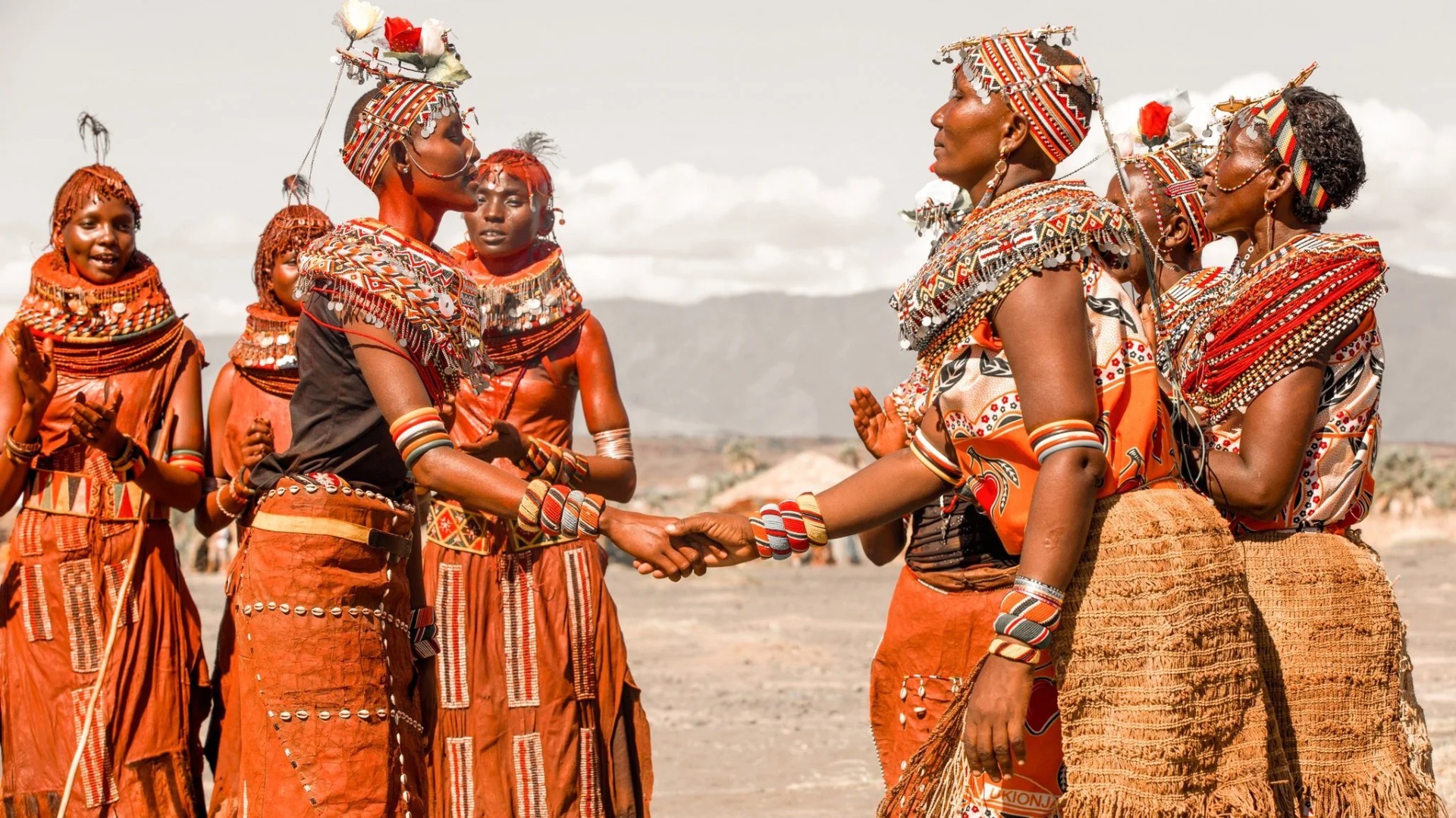
Practical Ways to Engage with Swahili Culture on Kenya’s Coast
Culture
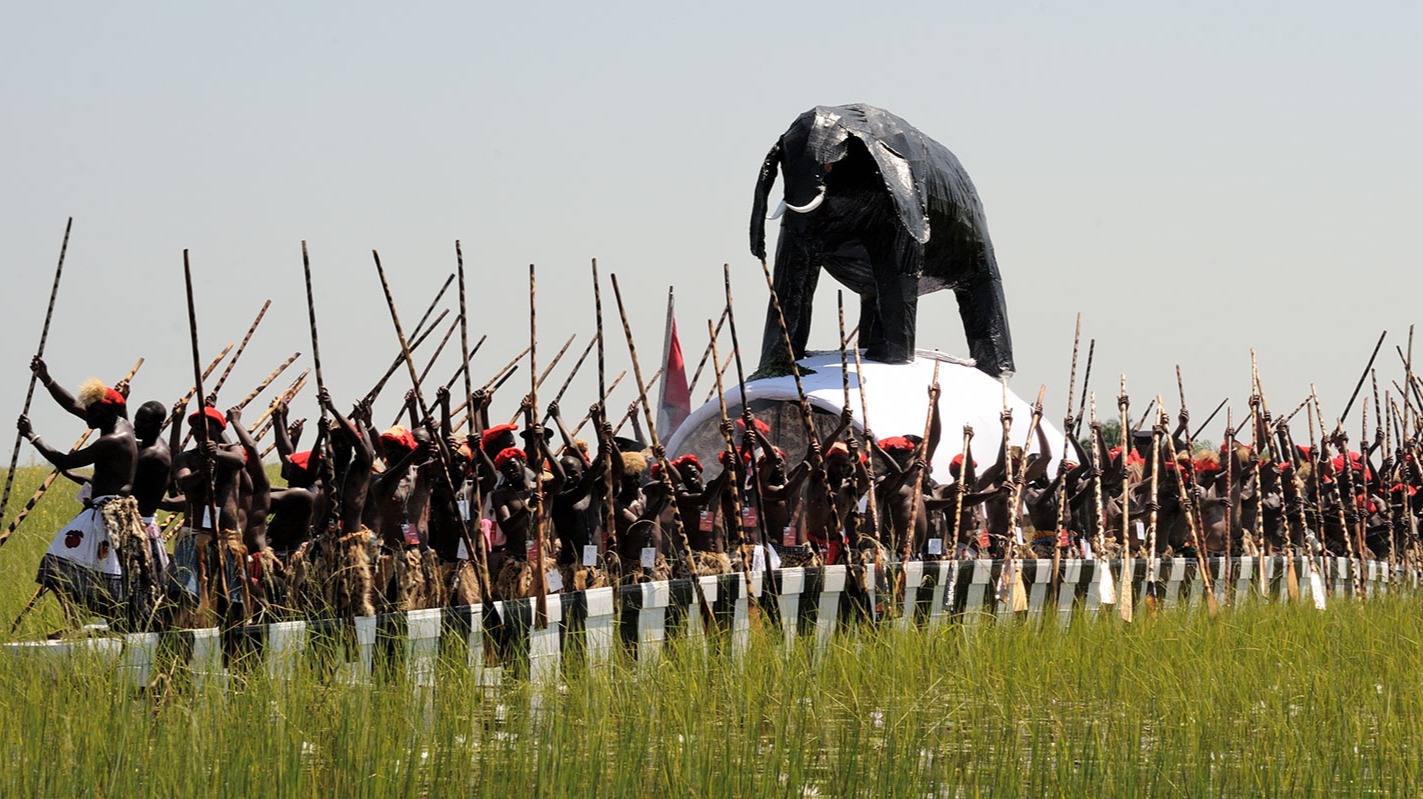
Practical Ways to Experience Zambian Cultural Moments During Your Visit

Culture
Respectful Safari Practices That Honor African Wildlife Traditions
culture
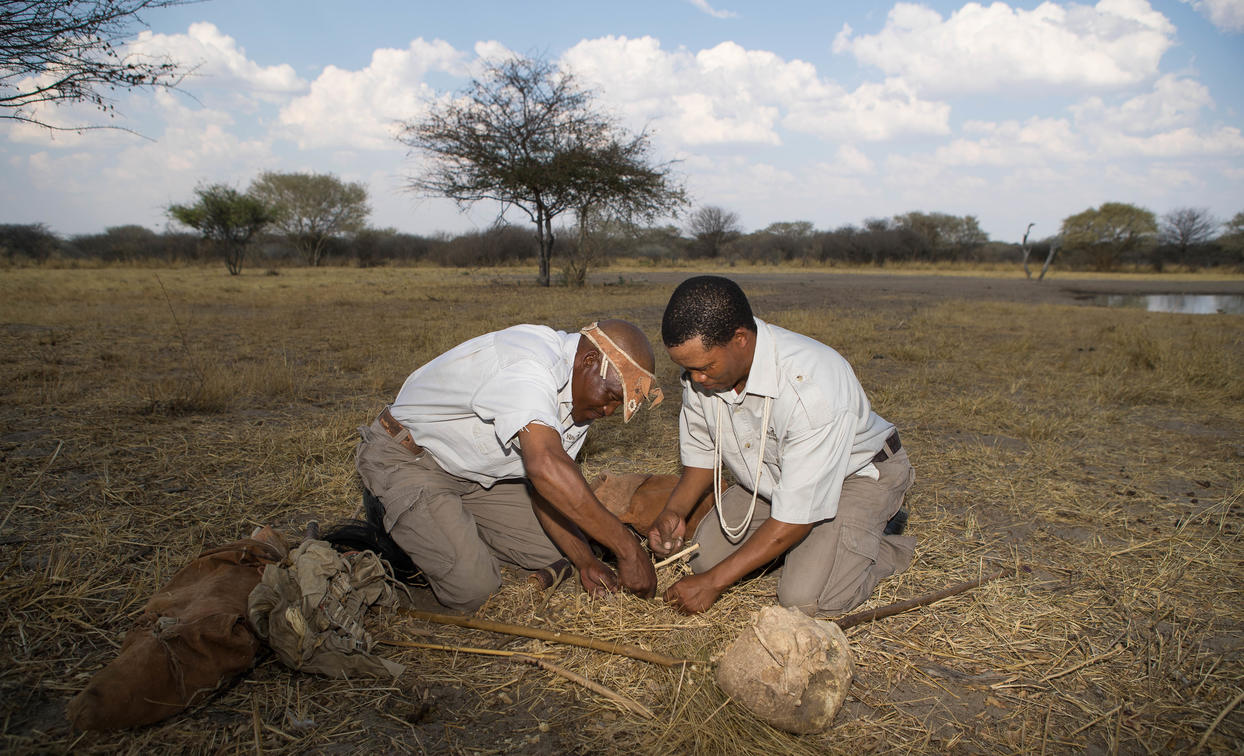
San Tribe Rhythms: Living Among Botswana's Ancient Bushmen
Culture
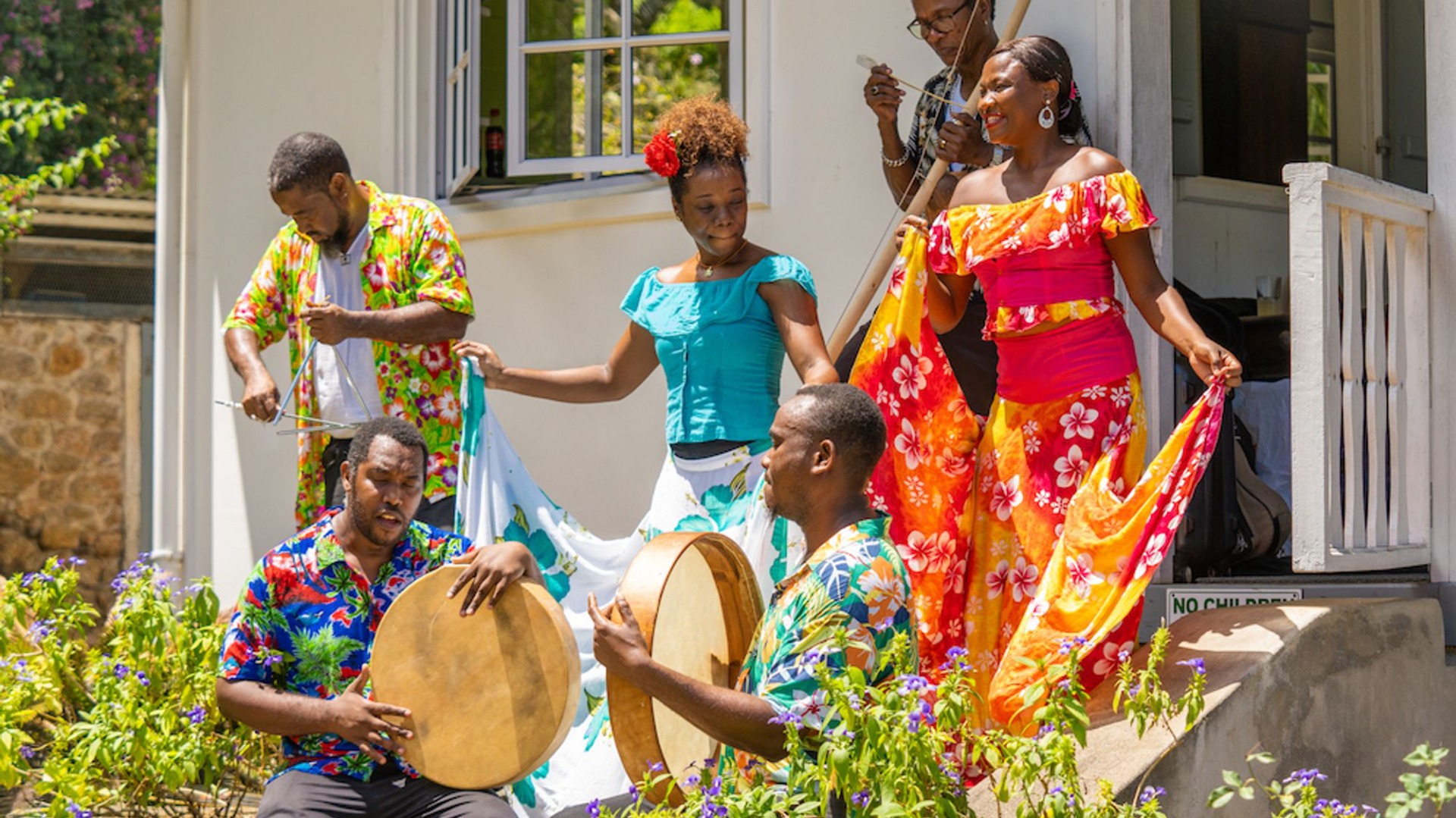
Seychelles Beyond the Beaches: What the Creole Traditions Reveal
culture