Culture
Moments of Culture in Africa: How Daily Traditions Shape Identity Across Nations
Encounters Africa - 10 min read
Updated on 3 July 2026
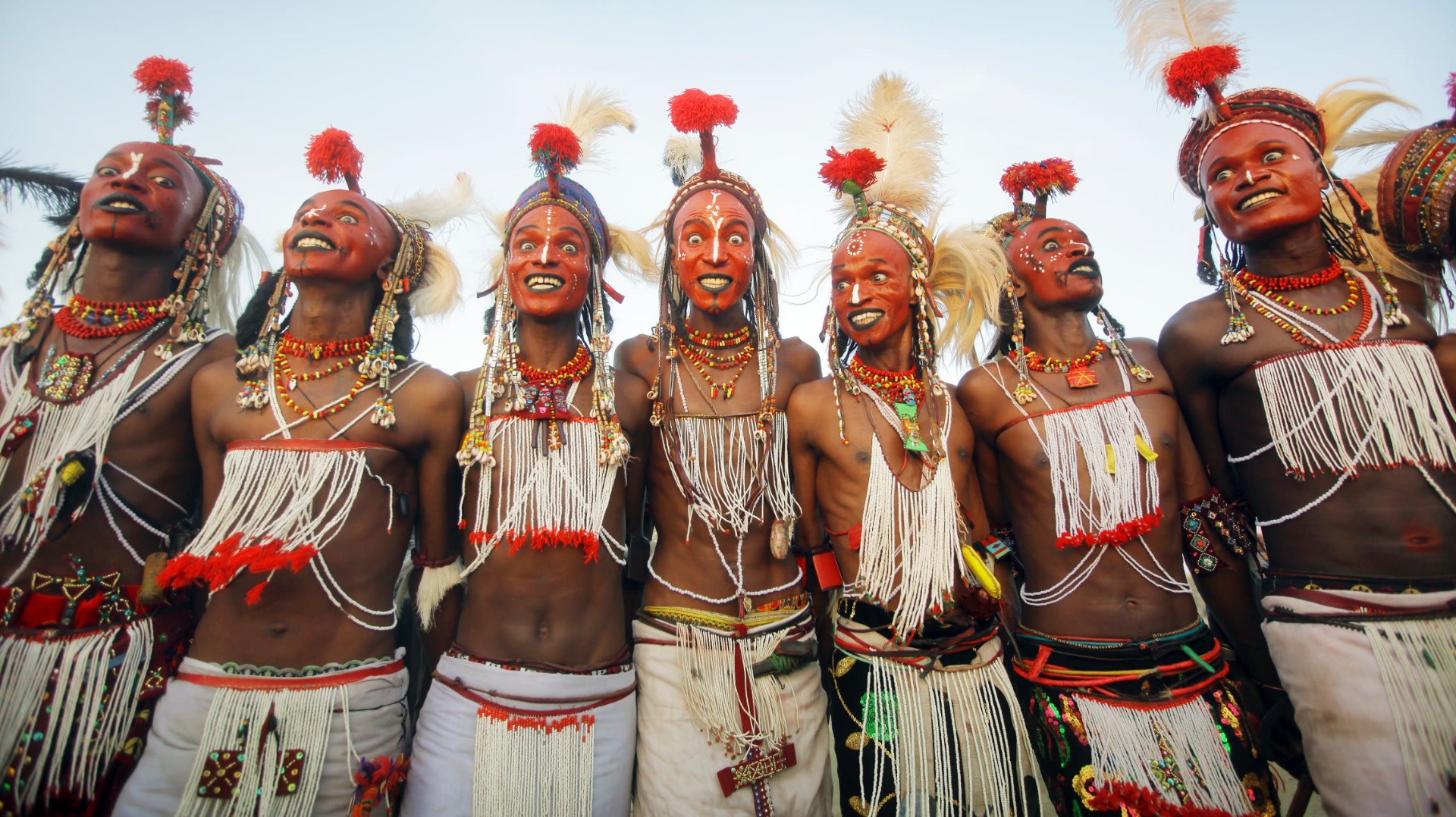
Moments of culture in Africa reveal themselves in the smallest daily gestures and the grandest communal gatherings, quietly reinforcing who people are and where they belong. From the deliberate pouring of tea in Moroccan homes to the rhythmic calls of fishermen along the Swahili coast, these african culture traditions and practices continue to shape personal identity and collective memory across more than fifty nations. This article explores how such living customs adapt amid economic and social change while offering travellers meaningful ways to engage with respect and curiosity.
Across the continent, an estimated 3,000 distinct ethnic groups maintain traditions that have evolved over centuries yet remain anchored in core values of community, respect for elders, and connection to the land. Whether witnessed in a Kenyan homestead or a Namibian village, these moments provide a deeper understanding of african countries and traditions that guide daily life far beyond what guidebooks can convey. Encounters Africa has long observed how thoughtful interaction with these practices enriches every safari journey.
The true essence of Africa is not found in its dramatic landscapes alone, but in the quiet continuity of its people’s daily rituals that bind generations together.
The Living Pulse of Storytelling and Oral Tradition
In many communities, the day begins or ends with words. Griots in West Africa, respected keepers of history, recite genealogies that can span more than 700 years, ensuring that family legacies remain intact even as younger generations migrate to cities. These oral performances, accompanied by the kora or djembe, transform ordinary evenings into profound cultural theatres where laughter, song and moral lessons flow freely.
Further south, the !Kung San people of the Kalahari still gather around fires to share stories that explain the movement of stars or the behaviour of antelope. Their narratives are not mere entertainment; they serve as practical maps for survival and ethical codes for coexistence. Travellers fortunate enough to be welcomed into such circles often remark on the seamless blend of humour and wisdom that characterises these exchanges.
Modern storytellers have adapted these forms for new audiences. In urban centres from Nairobi to Johannesburg, spoken-word artists fuse ancestral rhythms with contemporary issues, creating spaces where tradition and progress meet. This evolution demonstrates how moments of culture in Africa remain dynamic rather than frozen in time.
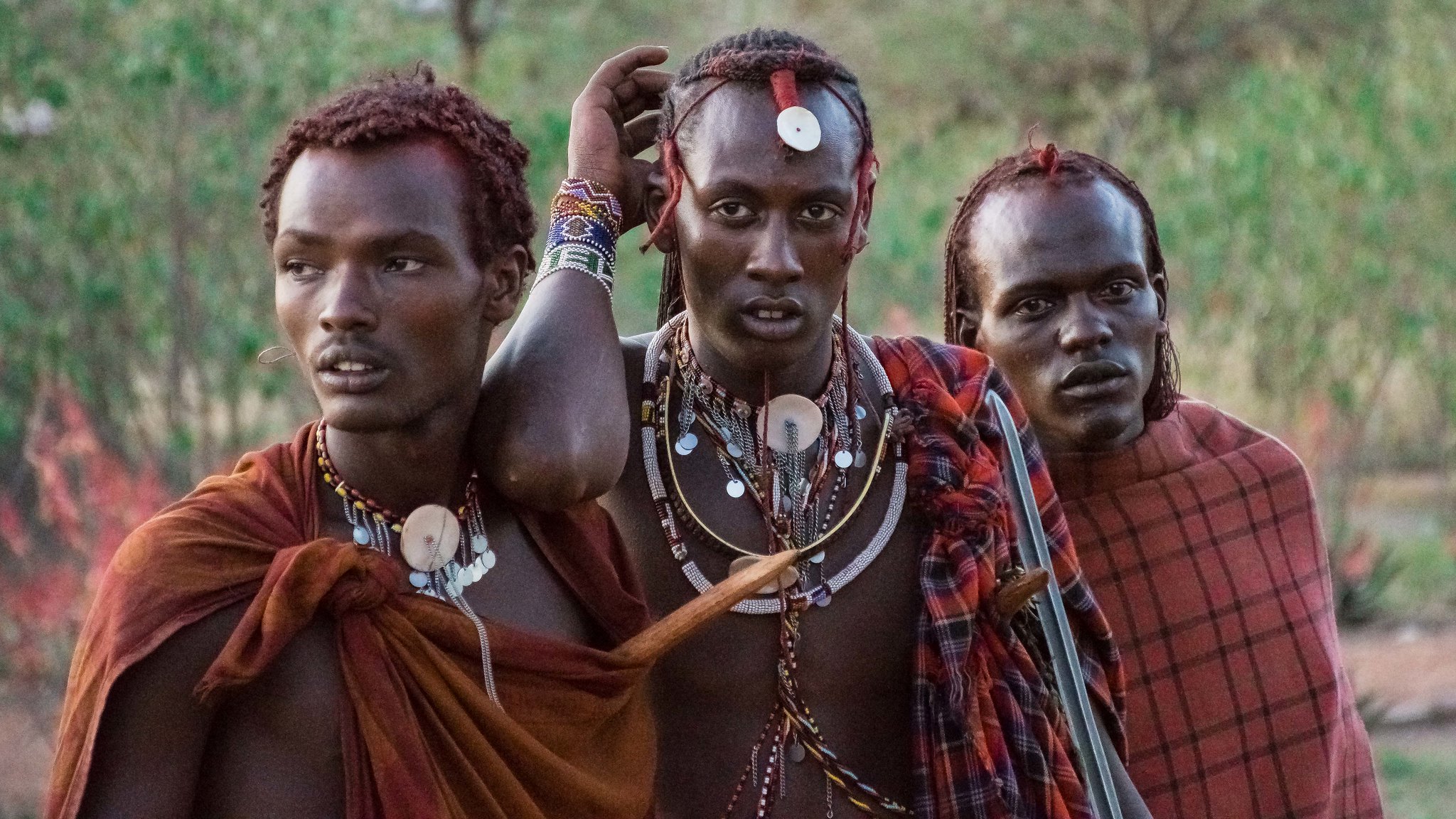
Every story told around an African fire carries the weight of memory while lighting the path toward tomorrow.
Ceremonies That Mark Life’s Milestones
Birth, initiation, marriage and death are accompanied by specific african culture traditions and practices that reaffirm an individual’s place within the wider social fabric. In Kenya, Maasai warriors still participate in the Eunoto ceremony, marking their transition from adolescence to elderhood after years of training and lion hunting. The event involves intricate beadwork, shaving of heads and the sharing of specially prepared meat, attended by hundreds of family members.
Across the continent in South Africa, Xhosa families observe the Ulwaluko initiation for young men, a period of seclusion followed by reintroduction to the community with new status and responsibilities. Though sometimes controversial in contemporary society, these rites continue because they address fundamental questions of manhood, discipline and belonging that formal education alone cannot answer.
Wedding celebrations frequently last several days and involve entire villages. In Zambia, the Bemba people perform the Chisungu ceremony for brides, teaching young women about marriage through symbolic songs and dances that have been passed down for generations. Such events strengthen alliances between families while reinforcing cultural values that transcend individual preference.
How Initiation Rites Connect Past and Present
Initiation ceremonies typically occur between the ages of 12 and 18, depending on the community. They combine physical challenge, instruction from elders, and communal celebration. Research by African anthropologists suggests that over 60 percent of rural communities in East and Southern Africa still practise some form of initiation, albeit with modifications to exclude harmful elements.
These rites often include the learning of medicinal plants, conflict resolution techniques, and respect protocols. Young initiates return not only with new names or scarification marks but with a clearer sense of duty toward their community. For visitors, witnessing the pride and support surrounding these events offers insight into values that shape national character.
The Central Role of Food and Communal Dining
Food preparation and sharing represent some of the most accessible moments of culture in Africa. The Ethiopian coffee ceremony, performed three times daily in many households, involves roasting beans over charcoal, brewing in a jebena pot, and serving in small cups accompanied by popcorn or incense. The ritual can last up to two hours and creates an informal parliament where family and neighbours discuss everything from politics to marriage prospects.
In Senegal, the communal bowl known as thiéboudienne brings family members together each afternoon. Diners eat from a single large dish using their right hand, reinforcing values of equality and sharing. The dish itself, a fragrant combination of fish, rice and vegetables, reflects centuries of trade along the Atlantic coast and the creative adaptation of available ingredients.
North African tagines and Moroccan mint tea rituals similarly transform mealtimes into opportunities for connection. The slow pouring of tea from a height creates foam that signifies hospitality, while the conical clay pot allows meat to become meltingly tender over hours of gentle cooking. These culinary traditions survive because they answer both practical needs and deeper desires for belonging.

A shared meal in Africa is never simply about sustenance; it is a daily reaffirmation that no one should eat alone.
Music, Dance and Embodied Knowledge
Rhythm runs through daily life in ways that visitors quickly notice. In Rwanda, the Intore dance once reserved for warriors now appears at weddings and national celebrations, its athletic leaps and spear movements telling stories of bravery and unity. Young dancers train for years, learning precise footwork that connects them to pre-colonial military traditions while celebrating contemporary resilience.
West African drumming circles serve both social and spiritual purposes. In Ghana, the Ewe people use complex polyrhythms during funerals to guide the spirit of the departed. Master drummers may spend decades perfecting their technique, passing knowledge through apprenticeship rather than written notation. The resulting sound creates a bridge between the living and ancestral realms that many participants describe as deeply moving.
Contemporary musicians frequently draw on these roots. From Senegalese mbalax to South African kwaito, modern genres incorporate traditional instruments and call-and-response patterns that originated in communal labour songs. This musical continuity helps younger generations maintain connection to heritage even when living far from their ancestral villages.
Respectful Engagement: Practical Guidance for Travellers
Understanding how to participate appropriately in african culture traditions and practices requires sensitivity and preparation. The most important principle is to wait for invitation rather than assume access. Many communities welcome visitors who demonstrate genuine interest and humility, but expectations around photography, dress and behaviour vary significantly between regions.
Before joining any ceremony, ask about appropriate contributions. In many pastoralist communities, a small gift of sugar, tea or salt is appreciated. In others, supporting local conservation or education projects shows deeper respect than material gifts. Learning a few words of greeting in the local language often opens doors more effectively than expensive presents.
Dress modestly and follow gender protocols. In Muslim communities, covering shoulders and knees is expected, while in some traditional settings, women may be asked to wear wrappers or headscarves. Observe first and participate only when invited. These small considerations demonstrate that you value the culture rather than simply consuming it.
What Should Visitors Know Before Attending a Ceremony?
Common questions from travellers include whether photography is permitted, how long events typically last, and whether children can attend. The answers depend entirely on the specific community and occasion. A good general rule is to follow your guide’s lead and to prioritise the experience over capturing images. Many ceremonies last between three and eight hours, with significant portions dedicated to preparation and communal feasting.
Children are often welcome and indeed central to many coming-of-age rituals. However, they must be prepared to sit quietly for long periods and show respect. The most rewarding engagements happen when visitors approach these moments with open hearts rather than cameras at the ready.
Conservation of Tradition in a Changing World
Rapid urbanisation has brought both challenges and opportunities to african countries and traditions. While some young people move away from rural areas seeking employment, others are returning with new skills to document and revitalise heritage. Digital platforms now allow traditional healers in remote areas to share knowledge about medicinal plants, creating archives that benefit both local communities and global researchers.
Government initiatives in countries like Botswana and Namibia have successfully integrated cultural tourism with wildlife conservation. Community conservancies generate income that supports elders teaching younger generations about tracking, plant medicine and sustainable resource use. These programmes demonstrate that tradition and economic development need not be in conflict.
Women’s groups across the continent have become powerful guardians of cultural knowledge. In Kenya, beadwork cooperatives preserve intricate patterns that tell stories of marriage, protection and celebration. The income generated allows women to support their families while maintaining skills that might otherwise disappear. Such enterprises show how moments of culture in Africa can provide both meaning and practical livelihood.
When tradition adapts without losing its soul, it becomes the strongest bridge between what we remember and what we hope to become.
Embracing Africa’s Cultural Legacy
The daily practices that define african culture traditions and practices offer far more than colourful spectacle for visitors. They represent sophisticated systems of knowledge transmission, conflict resolution, environmental management and social cohesion that have sustained communities through centuries of change. From the quiet focus of a Senegalese weaver to the exuberant energy of a Ugandan harvest dance, these moments reveal the enduring creativity and resilience of African societies.
Travellers who approach these traditions with genuine curiosity and respect discover connections that transform their understanding of both Africa and themselves. The warmth extended to guests who listen more than they speak, who learn names and greet people properly, creates memories that last far longer than any photograph. In a world increasingly dominated by digital connection, the embodied, communal nature of African cultural moments feels both ancient and urgently necessary.
Encounters Africa curates journeys that create space for such meaningful encounters. Whether sharing a meal with a Himba family in Namibia or listening to evening stories in a Duba Plains Camp setting, our carefully designed experiences honour the dignity of local customs while creating unforgettable memories for our guests. For discerning travellers seeking a private safari beyond our set itineraries, we invite you to contact us directly. We specialise in designing exceptional, tailor-made journeys for individuals, couples, families, and private groups of up to eight guests. Drawing on our handpicked network of distinguished camps and lodges, we curate every detail with precision and care, creating a seamless, deeply personal safari experience shaped entirely around your preferences, pace, and budget.
Consider exploring our Kenya cultural safari experiences or discovering the rich heritage surrounding Botswana through our thoughtfully arranged private journeys. The most profound souvenirs from Africa are rarely purchased in markets; they are found in the generous sharing of knowledge, laughter and tradition between host and guest.
More like this
culture
Post-Genocide Revival: Rwanda's Intangible Heritage Takes Shape

Culture
Practical Steps for Tourists to Respect Local Customs During Wildlife Encounters

Culture
Practical Steps for Travelers to Honor Local Customs While Protecting African Ecosystems
Culture
Practical Ways to Engage with Swahili Culture on Kenya’s Coast
Culture
Practical Ways to Experience Zambian Cultural Moments During Your Visit

Culture