culture
Post-Genocide Revival: Rwanda's Intangible Heritage Takes Shape
Encounters Africa - 6 min read
Updated on 1 May 2026
In the shadow of profound tragedy, Rwanda's cultural revival pulses with quiet determination. Post-genocide, the nation's intangible heritage—oral traditions, rituals, and communal arts—has reshaped into resilient expressions that honour the past while embracing progress. From gorilla naming ceremonies led by Batwa elders in Volcanoes National Park to urban poets sharing verses in Kigali's coffee houses, these practices weave animist roots with modern conservation and reconciliation themes.
This evolution reflects Rwanda's commitment to unity, where pre-colonial customs adapt to contemporary life. Travellers witness a culture reborn, blending ancient rhythms with forward-looking narratives in a nation that has transformed sorrow into strength.
Rwanda's Intangible Heritage: Foundations of Revival
Rwanda's intangible cultural heritage encompasses storytelling, dance, music, and rituals passed through generations. Post-1994, these elements have been revitalised through government initiatives like the National Cultural Policy of 2010, which emphasises preservation amid urbanisation. This heritage forms the bedrock of national identity, fostering reconciliation across ethnic lines.
Key practices include imigani—proverbs and folktales recited at gatherings—and communal ceremonies that reinforce social bonds. In rural areas, these traditions persist alongside agricultural cycles, while in cities, they inspire contemporary arts. The UNESCO recognition of Akagera dance in 2022 underscores their global significance.
Encounters Africa travellers often encounter these during tailored journeys, immersing in authentic settings that highlight Rwanda's cultural depth.
"Rwanda's heritage endures not as relic, but as living bridge between ancestors and tomorrow's builders."
Gorilla Naming Ceremonies: Batwa Traditions in Volcanoes National Park
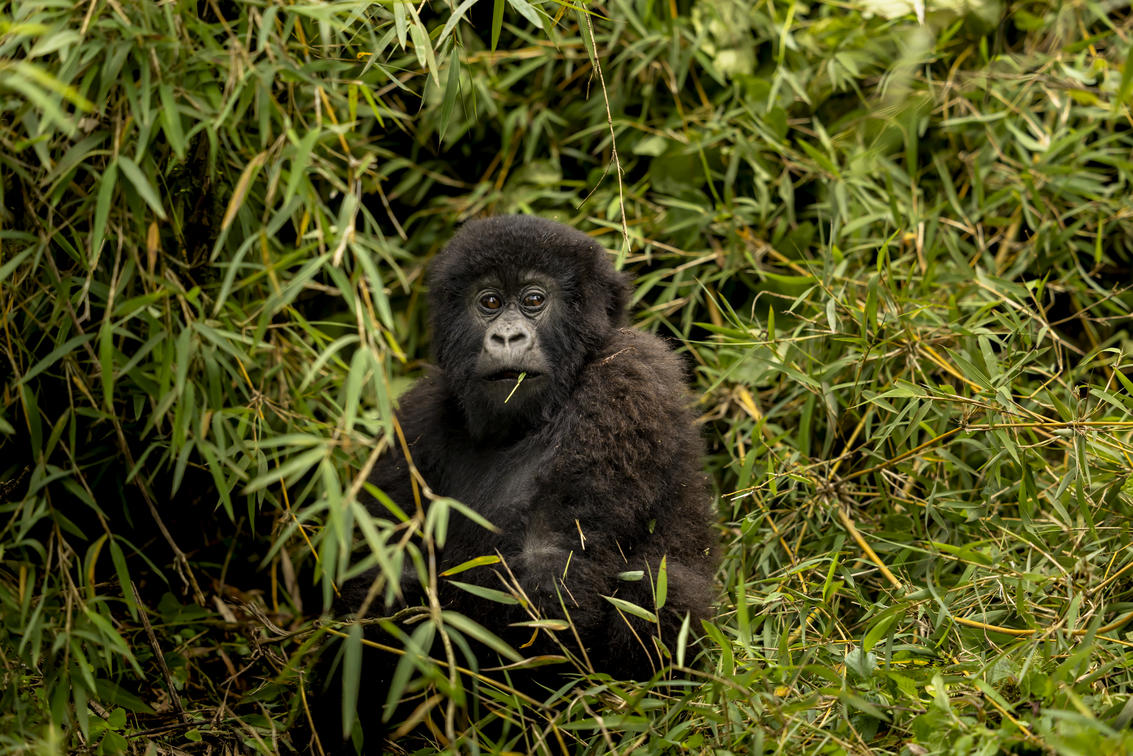
Deep in Volcanoes National Park, Batwa elders—indigenous forest people—conduct gorilla naming ceremonies, a fusion of animist beliefs and conservation efforts. These rituals, revived since 2004, assign names like Ingwe (leopard) to newborn gorillas, invoking spirits for protection. Held sporadically when infants are spotted, they draw eco-tourists and locals alike.
Ritual Elements and Symbolism
Elders don barkcloth attire, chant invocations, and offer symbolic honey libations at the gorilla's habitat edge. This practice honours Batwa forest lore, once dismissed, now integrated into park management by the Rwanda Development Board. Participants witness a 30-minute ceremony blending song, dance, and blessing, limited to 20 observers for intimacy.
The best time aligns with birthing peaks from September to December, when visibility rises. Ethical guidelines ensure minimal disturbance, with proceeds supporting Batwa communities resettled post-eviction in the 1950s.
Conservation Synergy
These ceremonies exemplify post-genocide revival, linking marginalised Batwa with national gorilla tourism, which generated $25 million in 2023. Travellers joining via guided treks gain profound insights into harmonious human-wildlife coexistence.
Urban Poetry and Coffee House Recitals in Kigali
Kigali's vibrant coffee houses host poetry slams where young voices recite in Kinyarwanda and English, tackling themes of loss, hope, and innovation. Venues like Kigali Public Library's café and Inzoro Modern Dance Theatre stage weekly events, drawing crowds since the 2010s cultural boom. This scene reflects Rwanda's tech-savvy youth repurposing oral traditions for modern discourse.
Poets like Titilayo Ladipo blend imigani proverbs with slam rhythms, performing pieces on unity amid the 1994 genocide's scars. Events run evenings from 7pm, with open mics welcoming visitors. The atmosphere hums with espresso aromas and rhythmic claps, a sensory feast of revival.
Key venues: Kigali Coffee House (Thursdays, 8pm) and Artivist Café (Fridays).
Tickets: Free or 5,000 RWF ($4), supporting local artists.
Peak season: Year-round, liveliest during Kwibuka (April-May remembrance).
For deeper immersion, Encounters Africa arranges private sessions with poets during Kigali extensions.
Dance and Music: Intore Drummers and Evolving Performances
Intore dance, Rwanda's iconic troupe performance, features vigorous steps, cowhorn headpieces, and drumming that echo pre-colonial warrior traditions. Post-genocide, troupes incorporate reconciliation motifs, performing at National Unity Day (July 4) and Umuganura harvest festival (August). Groups like Urwintore train over 500 youths annually, blending rigour with messages of peace.
From Rural Roots to National Stages
Rural performances in Muhanga district mark life transitions, with dancers circling calabashes amid millet fields. Urban adaptations appear at Kigali Arena, seating 10,000 for spectacles blending traditional ingoma drums with electronic fusion. The best viewing is during the Intore Festival in October, showcasing 20 troupes over three days.
These evolutions highlight adaptability: drummers now use amplified sets for diaspora events in Europe, preserving essence while expanding reach.
Participatory Experiences
Travellers can join workshops at the National Folklore Troupe, learning basic steps in two-hour sessions (2,000 RWF). This hands-on approach fosters cultural exchange, vital in Rwanda's healing narrative.
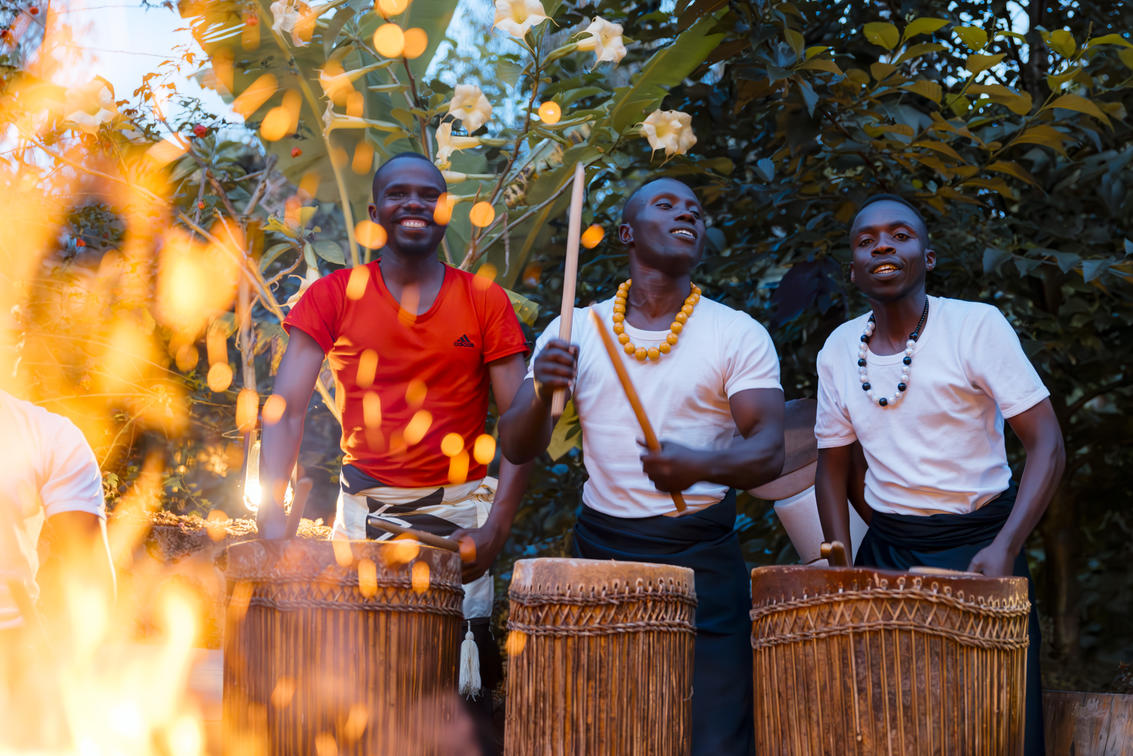
"Intore's thunderous drums beat not just rhythm, but the heartbeat of a nation's renewed spirit."
Umuganura Harvest Festival: Agricultural Rites Reimagined
Umuganura, held first Monday in August, celebrates harvest with feasting, dances, and thanksgivings rooted in Hutu farming cycles. Families prepare banana beer and roasted sorghum, sharing in village squares. Revived post-1994, it promotes food security, drawing 100,000 to national grounds in Kigali.
Expect processions with Intore performers, traditional attire, and speeches by President Kagame emphasising self-reliance. Rural observances in Gakenke district offer intimate views of sorghum pounding and communal meals.
Date: First Monday, August (e.g., 5 August 2024).
Access: Free public entry; VIP seating 10,000 RWF.
Highlights: 50+ cultural groups performing simultaneously.
Modern Twists on Tradition
Incorporating tech demos like drone farming, Umuganura bridges agrarian past with Rwanda's Vision 2050. Travellers value its authenticity, often paired with Rwanda gorilla treks for holistic itineraries.
Addressing Common Questions: Best Ways to Experience Rwanda's Culture
What is the best time to experience Rwanda's cultural revival? June to September offers mild weather for festivals like Kwita Izina (gorilla naming, first week of June) and Umuganura, with low rain enhancing outdoor events. Avoid April-May's heavy rains during Kwibuka.
How to visit respectfully? Book through operators like Encounters Africa for ethical access; contribute to communities via homestays (e.g., Bugesera cultural villages). Photography requires permission; tipping performers 1,000-2,000 RWF shows appreciation.
Can families participate? Yes—workshops suit ages 8+, with Batwa honey tastings and dance classes engaging all. Costs range 20,000-50,000 RWF per person, including transport from Kigali.
Embracing Rwanda's Cultural Journey with Encounters Africa
Rwanda's post-genocide cultural revival invites discerning travellers into a tapestry of resilience and renewal. From Batwa ceremonies to Kigali's poetic pulses, these intangible heritages offer profound connections. Encounters Africa crafts bespoke journeys, weaving culture with gorilla encounters and luxury stays.
For private safaris beyond set itineraries, contact us directly. We specialise in tailor-made experiences for individuals, couples, families, and groups up to eight, drawing on our network of camps and lodges to match your pace and preferences. Discover Rwanda's evolving heritage today.
More like this
Culture
Practical Steps for Tourists to Respect Local Customs During Wildlife Encounters

Culture
Practical Steps for Travelers to Honor Local Customs While Protecting African Ecosystems
Culture
Practical Ways to Engage with Swahili Culture on Kenya’s Coast
Culture
Practical Ways to Experience Zambian Cultural Moments During Your Visit
Culture
Respectful Safari Practices That Honor African Wildlife Traditions
culture