
Culture
Kenya's Sacred Calendars: How Communities Mark Seasons Through Ritual
Encounters Africa - 9 min read
Updated on 30 July 2026
Kenya's sacred calendars mark the passage of time through intricate rituals that bind communities to the land and its seasons. From the coastal Swahili festivals honoring ancestral spirits to the highland Kikuyu dances that welcome the rains, these living traditions adapt while preserving centuries-old knowledge. For travellers drawn to deeper cultural encounters, understanding these practices reveals how Kenya's diverse ethnic groups maintain harmony with nature's cycles in a rapidly changing world.
Across more than 40 communities, sacred calendars function as both spiritual guides and practical almanacs. They dictate when to plant, harvest, circumcise, marry or honour the departed. Many of these observances remain vibrant today, offering respectful visitors rare windows into Kenya's living heritage that extend far beyond wildlife encounters.
The Coastal Swahili: Moonlit Festivals and Ancestral Reverence
Along Kenya's Indian Ocean shoreline, Swahili communities follow a lunar calendar deeply intertwined with Islamic faith and pre-Islamic spirit beliefs. The annual Mwaka Kogwa festival, held in late July or early August in places such as Watamu, sees locals engage in ritualised mock battles, purification ceremonies and communal feasting to cleanse the old year and welcome the new.
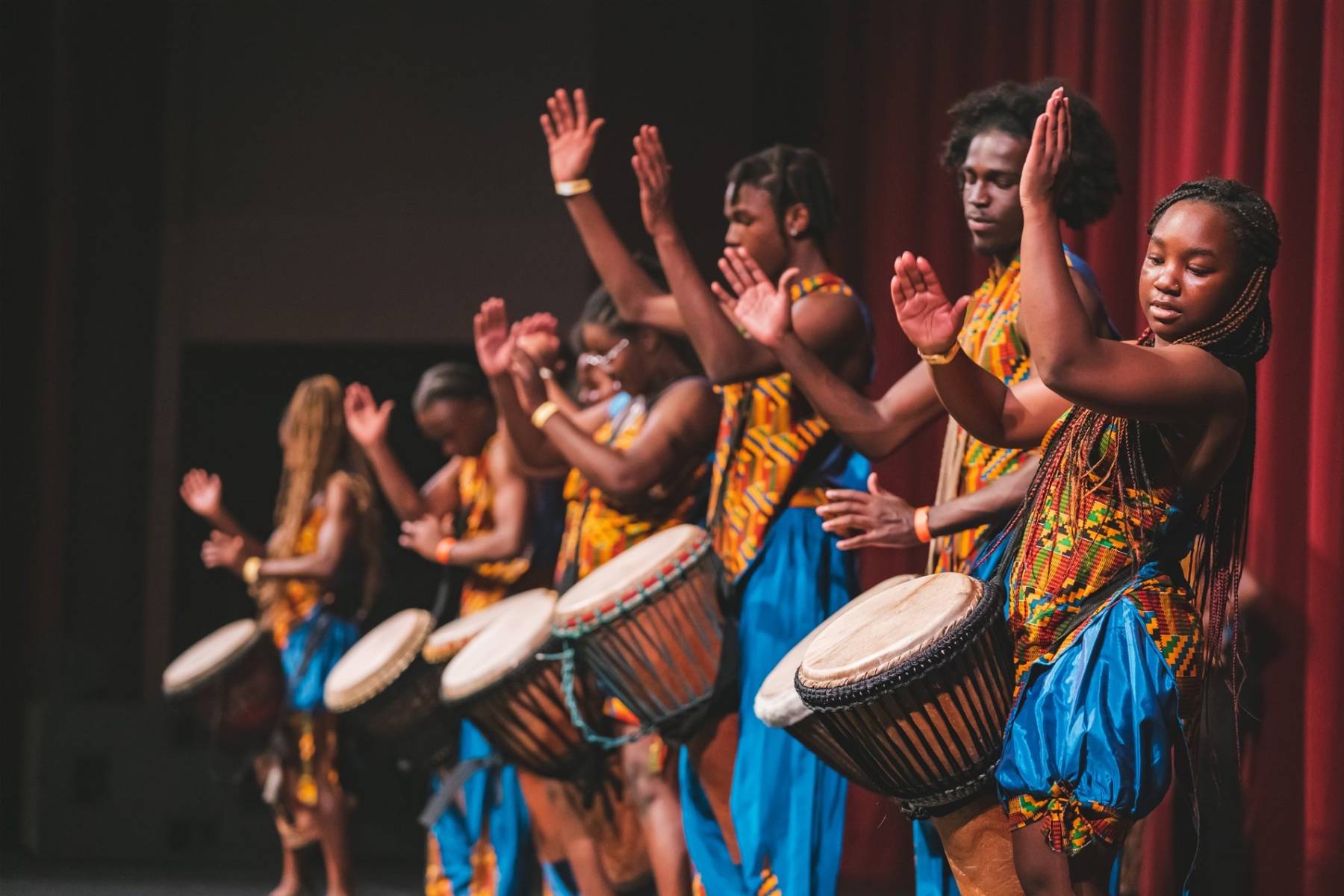
Women dress in vibrant kangas while men perform the energetic ngoma dances. The scent of incense and grilled seafood fills the air as elders recite poetry invoking ancestral spirits. These events, which can draw several thousand participants, blend solemn reflection with joyful celebration, reminding communities of their connection to both the sea and their forebears.
The rhythm of the drums during Mwaka Kogwa carries more than music; it carries the accumulated wisdom of generations who have read the tides and the stars to survive along this ancient trading coast.
Smaller monthly rituals also punctuate Swahili life. On the night of the new moon, families gather for dua prayers and share special dishes such as pilau infused with coconut. These quieter observances maintain spiritual balance and reinforce social bonds within tightly knit coastal settlements.

Highland Kikuyu Rituals: Rainmakers, Elders and the Sacred Fig
In the central highlands, Kikuyu communities track seasons through the position of the Pleiades and the behaviour of certain birds. When the rains are late, respected elders known as mundu mugo perform intricate ceremonies beneath sacred fig trees, offering libations of milk and honey while chanting prayers for precipitation.
The most significant event in the traditional Kikuyu calendar is the Ituĩka ceremony, historically held every 30 to 40 years to transfer power from one generation of elders to the next. Though largely symbolic today, its echoes remain in harvest celebrations where dancers adorned with ostrich feathers and beaded collars perform the ndumo, a rhythmic stomping dance that mimics the sound of falling rain.
Seasonal Markers That Guide Agricultural Life
Kikuyu farmers still consult traditional calendars before planting staples such as maize and beans. The appearance of the nyoni ya mbura bird traditionally signals that the long rains will soon arrive, prompting urgent land preparation. These observations, refined over centuries, demonstrate sophisticated ecological knowledge that modern meteorology increasingly validates.
During the irua initiation rites for young men and women, which traditionally occur after the short rains, participants spend weeks in seclusion learning community laws, medicinal plants and moral codes. Though modified for contemporary life, these rites continue to mark the transition to adulthood for many families.
Maasai Ceremonies: Age Sets, Cattle and the Long Rains
The pastoral Maasai structure their entire social organisation around a complex age-set system that spans roughly 15 years. Every few years, young warriors known as moran undergo the Eunoto ceremony, during which their long hair is shaved in a public ritual that signifies their transition toward elderhood.
This elaborate event, typically held between May and July before the long rains, involves hundreds of families. Mothers prepare special fermented milk drinks while elders bless the initiates with blessings for fertility and protection. The air fills with the lowing of cattle, whose wellbeing remains central to Maasai identity and spiritual life.
In the Maasai world, cattle are not merely livestock but living embodiments of ancestral blessings; the timing of every major life event still revolves around the health of the herd and the arrival of seasonal pasture.
Women play equally vital roles in these sacred calendars. During the olamal ceremony, they gather to pray for rain and fertility, singing haunting songs that rise and fall with the wind across the open plains. Their knowledge of medicinal herbs and weather patterns complements the warriors' protective duties.
Samburu Traditions: The Dance That Calls the Clouds
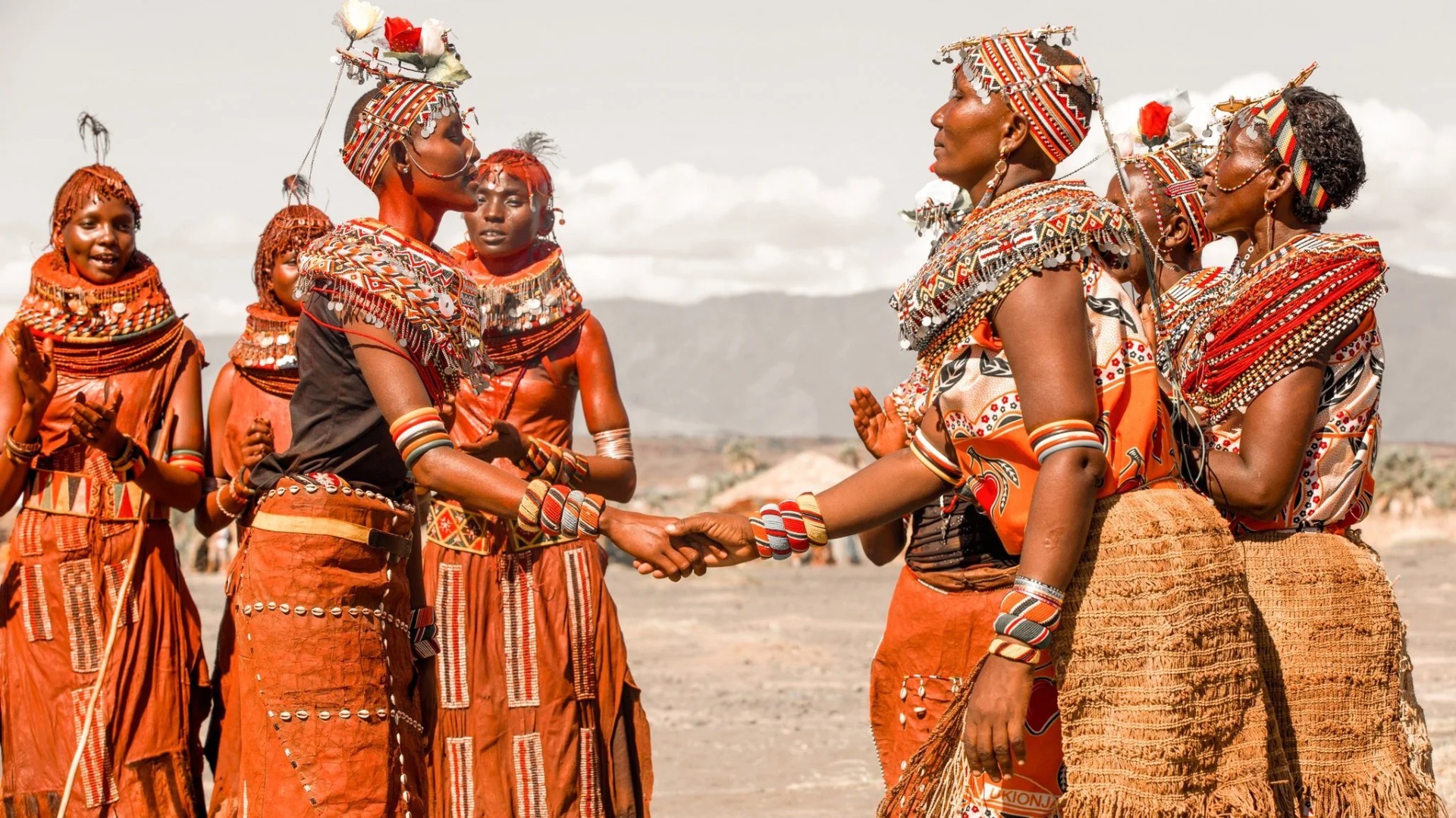
Closely related to the Maasai yet distinct in many customs, the Samburu of northern Kenya maintain equally rich seasonal rituals. Their lmuget ceremony marks the transition between age grades and is deliberately timed to coincide with the arrival of the short rains that replenish dry riverbeds.
Young men leap high into the air during the adumu dance, their beaded necklaces flashing in the sunlight while elders watch for signs that the ceremony has pleased the spirits. The higher the jumps, the greater the likelihood of abundant rains, according to traditional belief. These performances, which can last for days, create a powerful sensory experience of colour, sound and movement.
Women’s Roles in Samburu Sacred Life
Samburu women maintain their own parallel rituals, particularly around childbirth and the naming of children. The naming ceremony, held seven days after birth, involves the slaughter of a specific coloured goat whose blood is used to anoint the infant. The chosen name often reflects the season or recent weather patterns, further tying individual identity to the natural calendar.
During times of drought, Samburu women perform the ng'iro ritual, walking in single file while singing to invoke rain. Their collective voices, combined with the burning of special herbs, represent centuries of accumulated meteorological and botanical expertise passed down through female lineages.
Luo Lakeside Observances: Fish, Ancestors and the New Moon
By the shores of Lake Victoria, Luo communities follow a calendar based on lunar phases and fish migrations. The annual Oruba festival honours the spirits of ancestors while celebrating the return of the omena silver fish that signal the start of the fishing season.
Families prepare elaborate meals of fried omena and ugali, sharing portions with neighbours as a sign of goodwill. Traditional healers, known as ajuoga, use this time to communicate with spirits through trance dances accompanied by the nyatiti eight-stringed lyre, whose resonant notes carry across the water at dusk.
How Modern Life Intersects with Ancient Practice
Many Luo professionals return to their family homes during these festivals, creating a bridge between urban life and rural tradition. The ceremonies have evolved to incorporate Christian elements while retaining core beliefs about ancestral guidance and respect for nature's rhythms.
Similar patterns of adaptation appear across other communities. The Pokot, for instance, continue their sapana circumcision ceremonies but now often combine them with modern healthcare education. The timing, however, remains linked to specific phases of the moon and the condition of pasture lands.
Respectful Engagement: How Travellers Can Participate Meaningfully
Visitors interested in Kenya's sacred calendars should always approach these events with humility and proper guidance. Many communities welcome respectful observers, particularly when accompanied by knowledgeable local hosts who can explain protocols and ensure appropriate behaviour.
The best experiences often occur through small, community-led initiatives rather than large organised tours. Spending time in a traditional manyatta during a Maasai naming ceremony or joining a Swahili family for new moon prayers creates connections that last long after the journey ends.
True cultural understanding emerges not from observation alone but from the willingness to listen, learn and recognise that these living calendars represent sophisticated systems of knowledge worthy of deep respect.
Photography should only occur with explicit permission, and certain sacred elements remain off-limits to outsiders. Supporting community conservancies and purchasing directly from artisans helps ensure these traditions remain economically viable for younger generations.
Why These Traditions Matter in Modern Kenya
In an era of climate change and rapid urbanisation, Kenya's sacred calendars offer more than colourful spectacle. They contain practical ecological knowledge that scientists increasingly study, from sophisticated weather prediction methods to sustainable land management practices refined over hundreds of years.
Communities that maintain strong ritual connections to their environment often demonstrate greater resilience during periods of drought or unexpected weather. The intergenerational transmission of this knowledge through ceremony helps preserve both cultural identity and practical survival skills.
Travellers who engage thoughtfully with these living traditions gain far richer understanding of Kenya than those who simply view wildlife from a vehicle. The dances, songs, and shared meals reveal the intricate web of relationships between people, animals, land and sky that has sustained these societies for centuries.
Discovering Kenya's Living Heritage with Encounters Africa
Encounters Africa designs journeys that create meaningful connections with the communities whose traditions shape the Kenyan landscape. Whether witnessing the dramatic leaps of Samburu warriors or sharing a quiet moment of reflection during a coastal Swahili ceremony, our carefully arranged cultural days offer profound insight into Kenya's sacred calendars.
For discerning travellers seeking a private safari beyond our set itineraries, we invite you to contact us directly. We specialise in designing exceptional, tailor-made journeys for individuals, couples, families, and private groups of up to eight guests. Drawing on our handpicked network of distinguished camps and lodges, we curate every detail with precision and care, creating a seamless, deeply personal safari experience shaped entirely around your preferences, pace, and budget.
Begin your exploration of Kenya's rich cultural tapestry by visiting our enquiry form to discuss how we might weave sacred calendars and seasonal rituals into your next African journey. We look forward to helping you experience these living traditions with the respect and wonder they deserve.
More like this
Culture
Moments of Culture in Africa: How Daily Traditions Shape Identity Across Nations
culture
Post-Genocide Revival: Rwanda's Intangible Heritage Takes Shape
Culture
Practical Steps for Tourists to Respect Local Customs During Wildlife Encounters
Culture
Practical Steps for Travelers to Honor Local Customs While Protecting African Ecosystems
Culture
Practical Ways to Engage with Swahili Culture on Kenya’s Coast
Culture