Culture
Practical Steps for Tourists to Respect Local Customs During Wildlife Encounters
Encounters Africa - 9 min read
Updated on 11 August 2026
Practical steps for tourists to respect local customs during wildlife encounters begin with recognising that in places like Kenya and Botswana, the animals you have come to see form part of living cultural landscapes. A factual summary is that thoughtful travellers who learn a few words of greeting, follow community protocols and join in simple pre-safari rituals experience richer, more authentic journeys while supporting the people who safeguard these wild places. The scent of acacia after rain, the low rumble of distant elephants, and the quiet exchange of smiles with a local guide all deepen when approached with genuine respect.
Across the savannas and wetlands of East and Southern Africa, wildlife viewing is never detached from human stories. Generations of herders, trackers and elders have developed intricate ways of sharing space with lions, elephants and the myriad creatures that sustain both ecosystems and identities. By blending in sensitively, you move beyond observer to participant in a relationship that has endured for centuries.

Respect is the quiet language understood by both wildlife and the communities who have lived alongside it for generations.
Understanding the Cultural Context of Wildlife in Kenya and Botswana
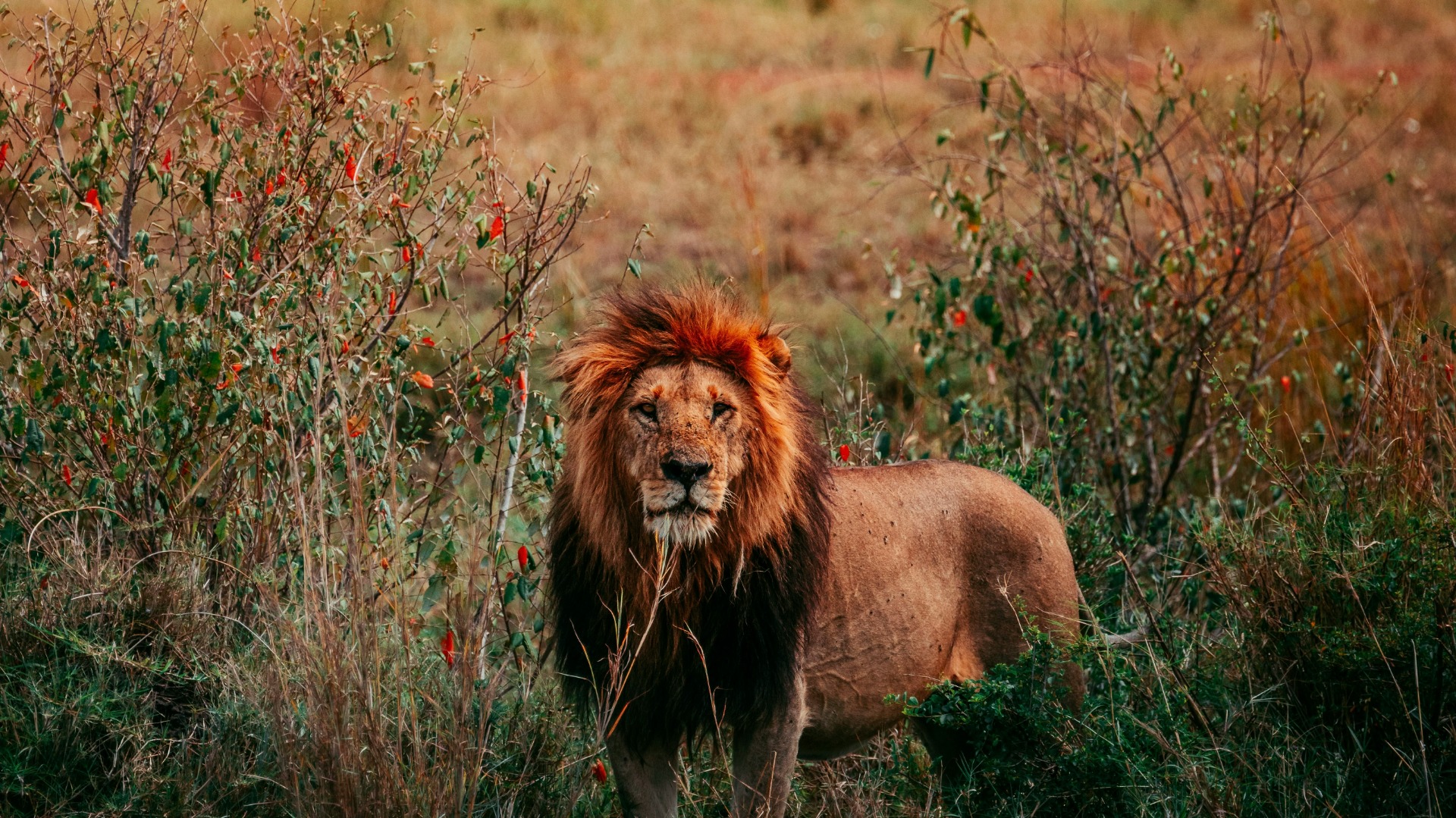
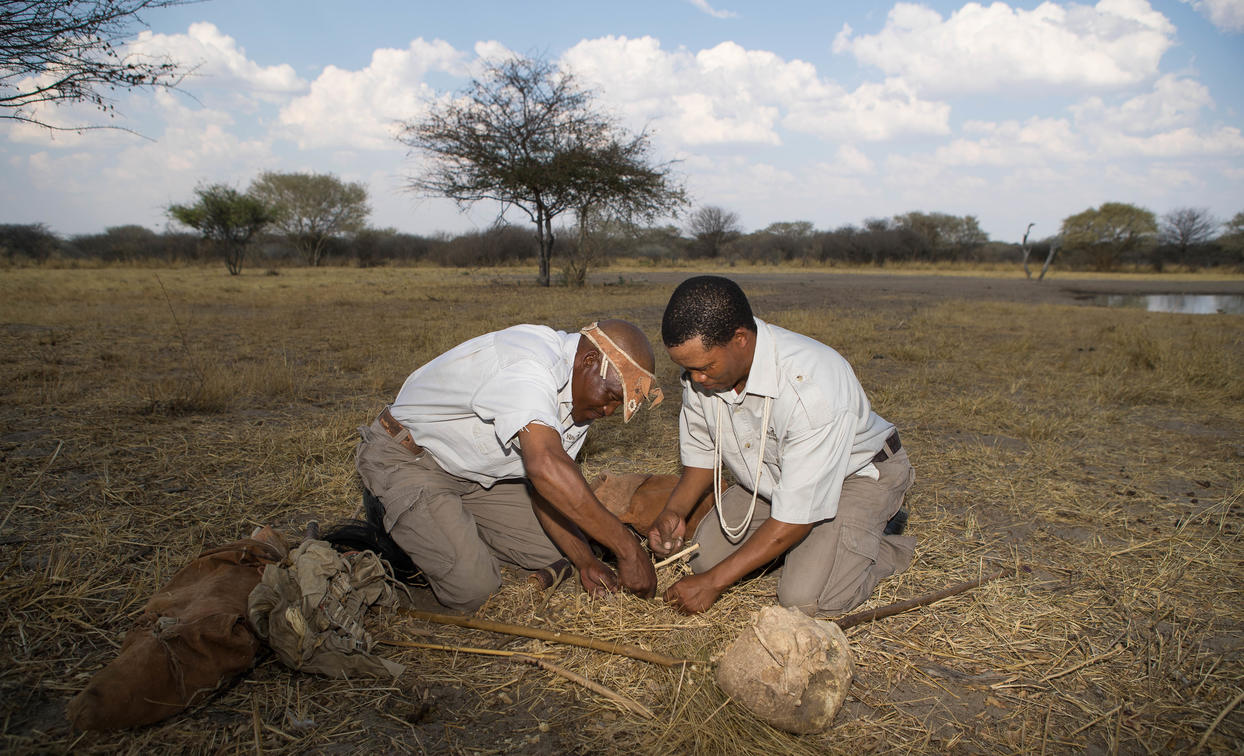
In many Kenyan communities, particularly among the Maasai and Samburu, certain animals carry symbolic weight that shapes daily decisions and seasonal movements. A lion might represent courage in one context, while an elephant’s path is read as ancestral guidance in another. Botswana’s San descendants and Okavango communities similarly interpret animal behaviour through lenses of lore and practical knowledge passed down through storytelling around evening fires.
This intertwined heritage means that when you venture into the Masai Mara or the Okavango Delta, your presence can either honour or inadvertently disrupt these living traditions. Recognising that wildlife encounters happen on communal or culturally significant land reframes the entire experience from entertainment to cross-cultural exchange.
The most rewarding journeys are those where travellers arrive curious rather than entitled. A simple awareness that your guide’s grandmother may have performed a blessing for safe passage changes how you listen to the sounds of the bush and how you respond when an animal appears.
Learning Basic Greetings and Polite Phrases
Mastering a handful of local greetings demonstrates immediate respect and often unlocks warmer interactions. In Kenya, a sincere “Jambo” or “Supa” to camp staff and “Asante sana” after a game drive carries more weight than any tip. In Botswana, the Setswana “Dumela” spoken with a smile opens doors, while “Ke a leboga” expresses gratitude that resonates deeply with community members.
These small linguistic efforts signal that you see the people, not just the animals. Guides notice immediately and frequently respond by sharing stories or insights they might otherwise withhold. The difference between a transactional safari and one rich with cultural nuance often begins with these first spoken words.
Practise pronunciation before departure. Even imperfect attempts earn appreciative laughter and genuine connection. Carry a small notebook with phonetic spellings; many travellers find that reviewing phrases during quiet moments at camp helps the words settle naturally.
A well-timed greeting in the local tongue can transform a routine wildlife sighting into a shared moment of mutual understanding.
Following Community-Led Viewing Protocols
Many conservancies and community areas now set their own rules for approaching wildlife, rules shaped by generations of observation and cultural priorities. In the Mara Naboisho Conservancy, for instance, drivers maintain greater distances from breeding herds of elephants during certain months to avoid stressing animals that local families rely upon for tourism income and cultural continuity.
Always defer to your guide’s instructions about where to sit in the vehicle, when to remain silent, and how long to linger near particular species. These protocols protect both the animals and the delicate social agreements between communities and wildlife. In Botswana’s Khwai Community Area, residents may request that vehicles switch off engines near sacred sites or during specific animal behaviours that hold spiritual meaning.
Resisting the urge to ask for closer approaches or more dramatic angles honours these protocols. The resulting encounters, though sometimes more distant, often prove more profound because they unfold on the animals’ and community’s terms.
Reading the Landscape Through Local Eyes
Community guides often interpret subtle signs that visitors miss entirely. A particular bird call might signal approaching predators; the direction an antelope herd is moving can indicate where a pride of lions rested the previous night. Learning to notice what your guide notices builds a deeper appreciation for the cultural knowledge embedded in every landscape.
Resist the temptation to fill quiet moments with questions. Sometimes the most powerful learning happens in attentive silence as the land itself seems to speak through those who know it intimately.
Participating in Pre-Safari Blessings and Rituals
In both Kenya and Botswana, many community-owned or community-linked camps offer the opportunity to join simple blessings before heading into the bush. These might involve a few words in the local language, the burning of indigenous herbs, or a brief song offered for safe passage and respectful viewing. Participation is always optional yet profoundly moving for those who choose to engage.
Such rituals remind everyone present that the safari is entering a space where wildlife and people coexist under understood rules. They also acknowledge the spiritual dimension that many local families bring to their relationship with the land and its creatures. Travellers who join these moments often describe feeling more connected to both the wildlife sightings that follow and the communities that make them possible.
Approach these experiences with quiet openness rather than a desire to document every second for social media. The memory of standing in early morning light while a respected elder offers blessings for your journey carries more lasting power than any photograph.
Practical Etiquette During Wildlife Drives and Walks
Dress in muted colours that blend with the environment, avoiding bright whites, reds or patterns that might disturb animals or clash with cultural norms around modesty. Speak in low voices, move slowly when repositioning in the vehicle, and never stand up suddenly during a sighting. These seemingly small actions show consideration for both the wildlife and the cultural context in which you are a guest.
When walking in the bush with armed guides, remain in single file, follow instructions precisely, and avoid pointing or making sudden gestures. In many communities, certain hand signals carry different meanings, so deferring to your guide prevents unintentional offence while keeping everyone safe.
Photography deserves special attention. Ask permission before photographing local people, and respect refusals without question. When capturing wildlife, do so in ways that do not require intrusive behaviour or lengthy lingering that might interfere with natural patterns important to local interpretation and conservation.
What Not to Do: Common Cultural Missteps
Avoid comparing local practices unfavourably with those from home. Never insist on touching animals, feeding them, or interfering with natural behaviours for the sake of a closer photograph. Refrain from loud exclamations even during exciting moments; in many cultures, excessive noise is seen as disrespectful to both the animal and the ancestors who may be watching.
Be mindful of where you point binoculars or cameras. In some communities, pointing certain objects directly at people or specific landscape features can be misinterpreted. When in doubt, ask your guide for clarification in a quiet, respectful manner.
How These Practices Enhance Conservation and Community Benefits
When travellers engage respectfully, more revenue flows directly to the communities that protect wildlife habitats. In Kenya’s conservancies and Botswana’s community concessions, tourism income funds schools, clinics, and anti-poaching initiatives. Cultural respect strengthens these fragile partnerships by demonstrating that visitors value the people as much as the animals.
Guides and trackers who feel genuinely appreciated are more likely to share their knowledge generously, creating a virtuous cycle of education, conservation and authentic experience. Many travellers return year after year, building lasting relationships that further support community-led conservation across both countries.
The sensory pleasure of a dawn drive becomes richer when you understand the cultural significance of what you are seeing. The sight of elephants crossing a river at sunset gains new layers when you know how local families interpret such movements in their oral histories.

True connection with Africa’s wildlife flows through genuine respect for the people who have safeguarded it for centuries.
Choosing Operators Who Prioritise Cultural Respect
Not all safari companies place equal emphasis on cultural sensitivity. Seek operators who employ local guides from the areas visited, support community projects visibly, and offer opportunities for meaningful interaction beyond the vehicle. Angama Mara and select camps in the Khwai region exemplify this approach by integrating community voices into the guest experience in thoughtful, non-tokenistic ways.
Reputable operators will happily explain their relationships with neighbouring communities and how they ensure benefits reach local families. They will also brief you thoroughly on expected etiquette before you even reach camp. This preparation signals a commitment to responsible, enriching travel rather than mere sightseeing.
For those seeking a private safari beyond our set itineraries, we would be delighted to hear from you directly. We specialise in creating beautifully tailored journeys for solo travellers, couples, families, and private groups of up to eight guests. Through our trusted network of carefully selected camps and lodges, we craft each safari around your individual interests, preferred pace, and budget, ensuring a seamless and deeply personal experience from beginning to end.
Conclusion
Approaching wildlife encounters with cultural awareness transforms a standard safari into something far more meaningful. The practical steps outlined here, from mastering simple greetings to honouring community protocols and participating thoughtfully in local customs, allow travellers to move through these extraordinary landscapes with grace and gratitude. In doing so, you contribute to the preservation of both the animals you came to see and the rich human heritage that has protected them for generations.
The most memorable safaris are those where the line between visitor and participant gently dissolves. When you greet a guide in his own language, stand in respectful silence during a blessing, and follow viewing practices shaped by centuries of lived experience, you become part of an ancient conversation between people and wild places.
Encounters Africa exists to facilitate these deeper connections. Whether you dream of tracking lions on foot in the golden light of the Maasai Mara or gliding through the papyrus-lined channels of the Okavango while learning Setswana phrases from your guide, our team can design an experience that honours both the wildlife and the communities who call these places home.
We invite you to reach out through our enquiry form and begin a conversation about your perfect African journey. Let us help you craft a safari that respects local customs, celebrates cultural richness, and creates memories that resonate long after the last sunset over the savanna.
More like this

Culture
Practical Steps for Travelers to Honor Local Customs While Protecting African Ecosystems
Culture
Practical Ways to Engage with Swahili Culture on Kenya’s Coast
Culture
Practical Ways to Experience Zambian Cultural Moments During Your Visit
Culture
Respectful Safari Practices That Honor African Wildlife Traditions
culture
San Tribe Rhythms: Living Among Botswana's Ancient Bushmen
Culture