news
Kruger 2026: Rangers Deploy AI Tracking to Shield Rhinos from Poachers
Encounters Africa - 5 min read
Updated on 13 May 2026
In the vast expanse of South Africa's Kruger National Park, conservation efforts in 2026 mark a pivotal shift with the deployment of AI tracking technology to protect rhinos from poaching syndicates. Park officials are launching an ambitious programme to fit 500 rhinos with advanced AI collars, integrating real-time alerts directly to drone patrols. This initiative responds to escalating threats along border zones, where organised poachers have intensified operations, promising a new era of proactive wildlife defence.
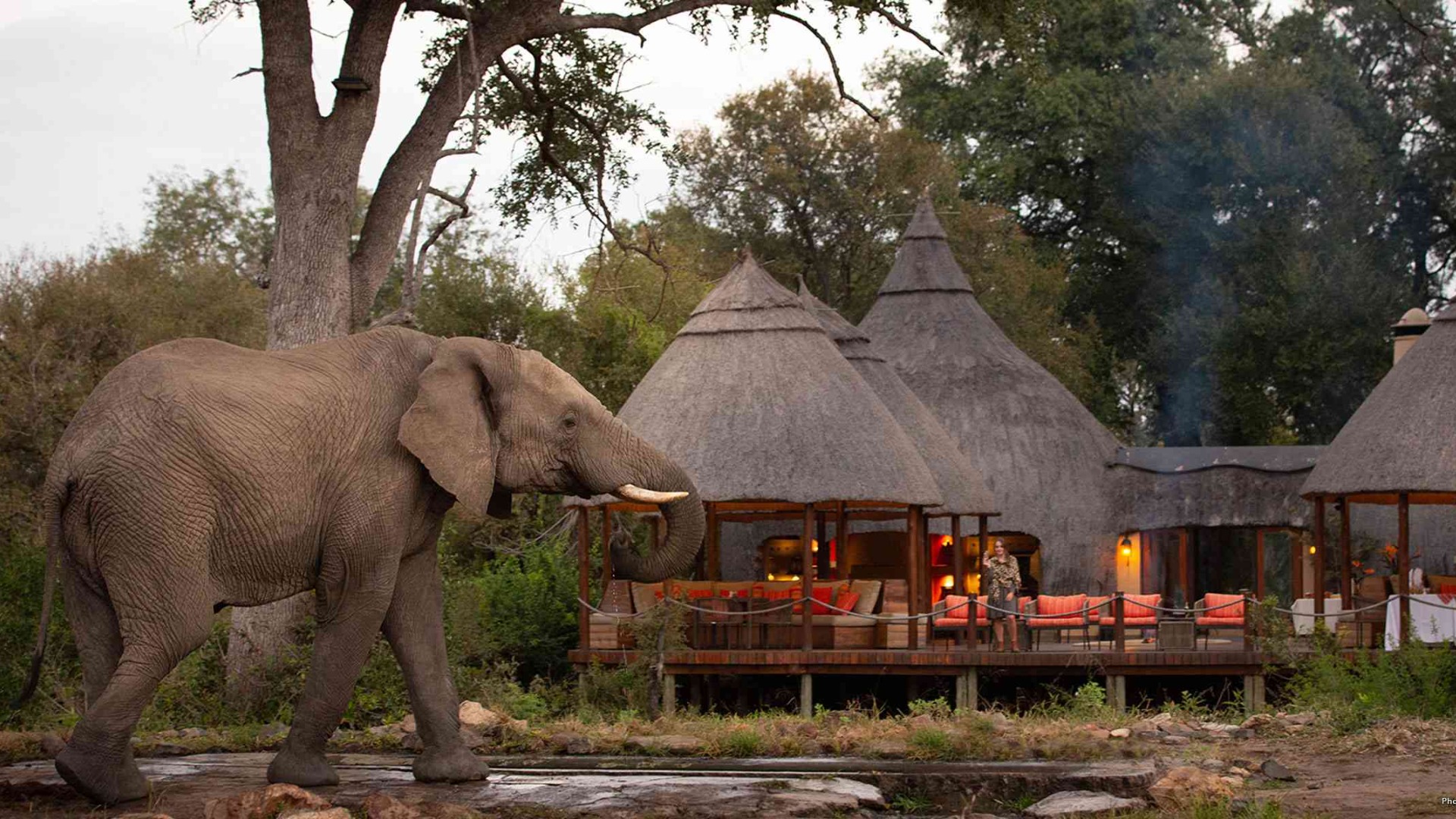
Travellers witnessing these measures will encounter a landscape where technology harmonises with nature's rhythms, from the acrid scent of dry earth underfoot to the distant trumpet of elephants at dusk. Encounters Africa closely monitors such developments, ensuring our safari journeys align with the latest protections for an immersive, ethical experience.
AI Collars: The Core of Kruger's 2026 Rhino Defence
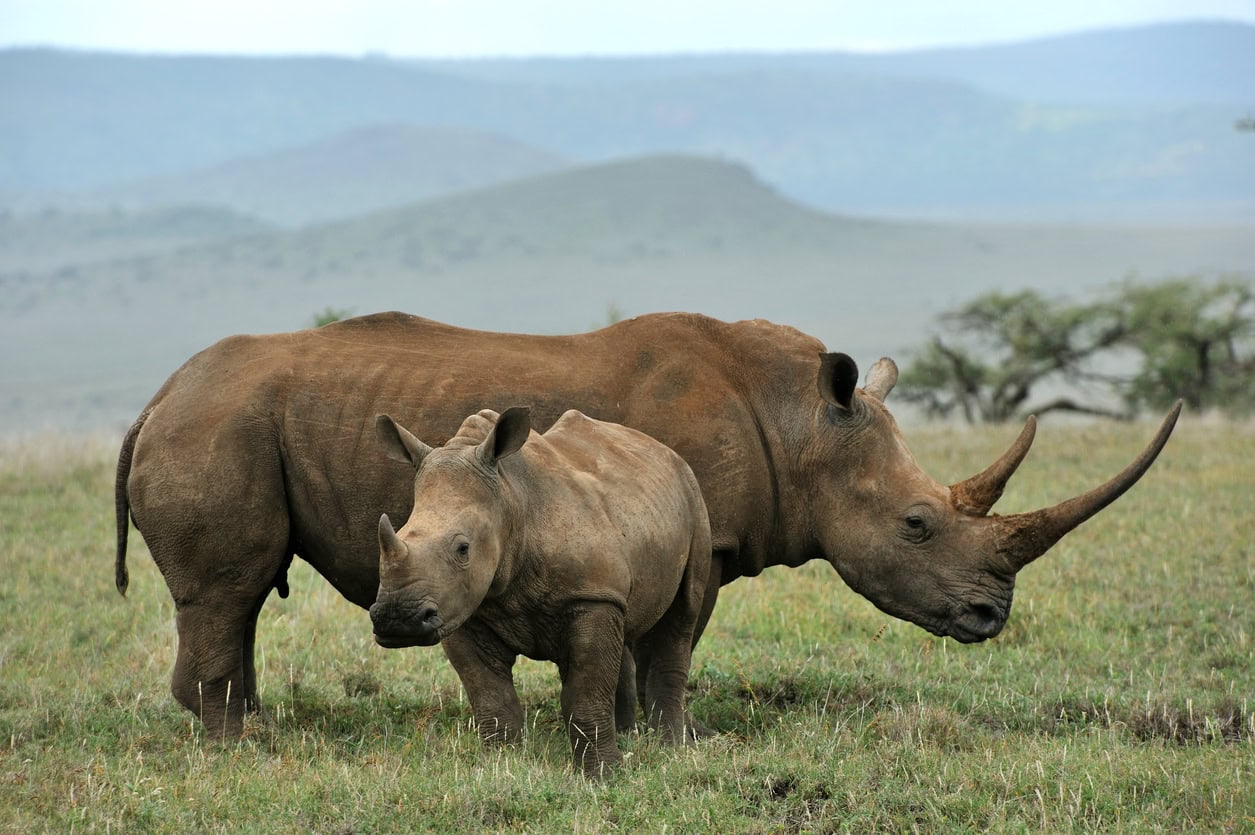
Kruger National Park's 2026 conservation strategy centres on fitting 500 white and black rhinos with AI-enabled satellite collars. These devices, developed in collaboration with tech firms and wildlife NGOs, transmit precise location data, vital signs, and anomaly alerts every 15 minutes via low-earth orbit satellites. When poacher activity is detected—through unusual movement patterns or proximity to border hotspots—the system triggers immediate notifications to ranger command centres.
The collars incorporate machine learning algorithms trained on five years of poaching data, achieving a 92% accuracy rate in predicting threats. This precision allows rangers to intercept syndicates before they strike, a stark contrast to reactive patrols of previous years. Early trials in 2025 reduced incidents by 35% in test zones near the Mozambique frontier.
"These collars don't just track rhinos—they anticipate danger, turning data into lives saved."
Drone Integration and Rapid Response Protocols
Linking Alerts to Aerial Surveillance
Upon receiving an AI collar alert, Kruger's control room dispatches thermal-imaging drones within minutes, covering up to 50 square kilometres per sortie. Equipped with 4K cameras and AI object recognition, these unmanned aerial vehicles identify human intruders, vehicles, and weapons with 98% reliability, even in dense mopane thickets or under moonless skies.
Rapid response teams, stationed at 12 forward operating bases, mobilise within 20 minutes, supported by helicopter back-up for high-threat scenarios. In 2026, this network expands to include 40 new drones, funded partly by a 5% levy on park entry fees from high-end safari operators.
Border Zone Fortifications
Focus intensifies along the 360-kilometre Kruger-Mozambique border, where 70% of recent poaching attempts originate. Electric fencing upgrades, combined with seismic sensors buried along game trails, feed data into the same AI platform, creating a multi-layered shield.
Key fact: The best time to observe these enhanced patrols in action aligns with the dry season from May to September 2026, when visibility peaks and wildlife concentrates around waterpoints.
Challenges Facing Rhino Populations in 2026
Despite progress, Kruger's rhinos face relentless pressure from transnational syndicates armed with military-grade weapons and insider intelligence. Poaching incidents rose 18% in late 2025, claiming 142 animals, primarily in southern and eastern sectors. Demand from Asian markets for rhino horn, valued at $60,000 per kilogram on the black market, fuels this crisis.
Habitat fragmentation from climate-induced droughts exacerbates vulnerabilities, pushing rhinos into riskier border areas. Conservationists note that while collaring protects collared individuals, the remaining 4,000 uncollared rhinos demand broader strategies, including community anti-poaching incentives in neighbouring villages.
Encounters Africa supports these efforts through partnerships that channel safari revenues into rhino protection funds, ensuring travellers contribute directly to on-the-ground impact.
Community and Technological Partnerships Driving Change
Kruger’s 2026 initiatives extend beyond tech, forging alliances with local communities via the Kruger National Park Lowveld Rhino Group. Over 2,000 residents now participate in monitoring networks, earning stipends for reporting suspicious activity, reducing poaching by 22% in pilot areas.
Training 500 community scouts in drone operation and data analysis.
Establishing 15 rhino orphanages with veterinary AI diagnostics.
Launching education campaigns reaching 50,000 schoolchildren on wildlife value.
International donors, including the World Wildlife Fund and Google.org, provide $12 million for collar deployment and server infrastructure. These collaborations exemplify how shared intelligence combats global poaching networks.
Implications for Luxury Safari Travellers
What to Expect on a 2026 Kruger Journey
Safari-goers in 2026 will notice increased ranger presence and occasional drone overflights, enhancing safety without disrupting the wild symphony of lion roars and hyena whoops. Lodges like those in the Sabi Sand Private Game Reserve adjacent to Kruger integrate live conservation briefings into evening game-drive debriefs.
Ethical viewing protocols evolve, with guides using apps to log sightings and avoid over-trafficked rhino areas. The dry season from June to October remains prime for Big Five encounters, now fortified by these protections.
"Technology empowers rangers, but it's the quiet vigilance of the bush that truly safeguards Kruger's icons."
Planning Your Ethical Safari
For discerning travellers, Encounters Africa crafts bespoke itineraries incorporating Kruger’s conservation hotspots. Our South Africa safari itineraries blend private reserves with park access, prioritising low-impact experiences amid these advancements.
Looking Ahead: A Secure Future for Kruger's Wildlife
As 2026 unfolds, Kruger's AI-driven conservation efforts signal hope for rhino survival, potentially halving poaching rates park-wide. These measures not only protect irreplaceable species but elevate the safari experience, allowing travellers to connect deeply with a thriving ecosystem. Encounters Africa remains committed to journeys that honour this legacy.
Ready to witness Kruger's resilient wilds? Contact Encounters Africa to tailor your 2026 safari, supporting conservation while savouring unparalleled encounters.
More like this
news
Luxury Lodges Embrace Native Flora in 2026 South African Designs
news
Namibia's Fishing Cooperatives Reverse Decades of Overfishing Along the Skeleton Coast
News
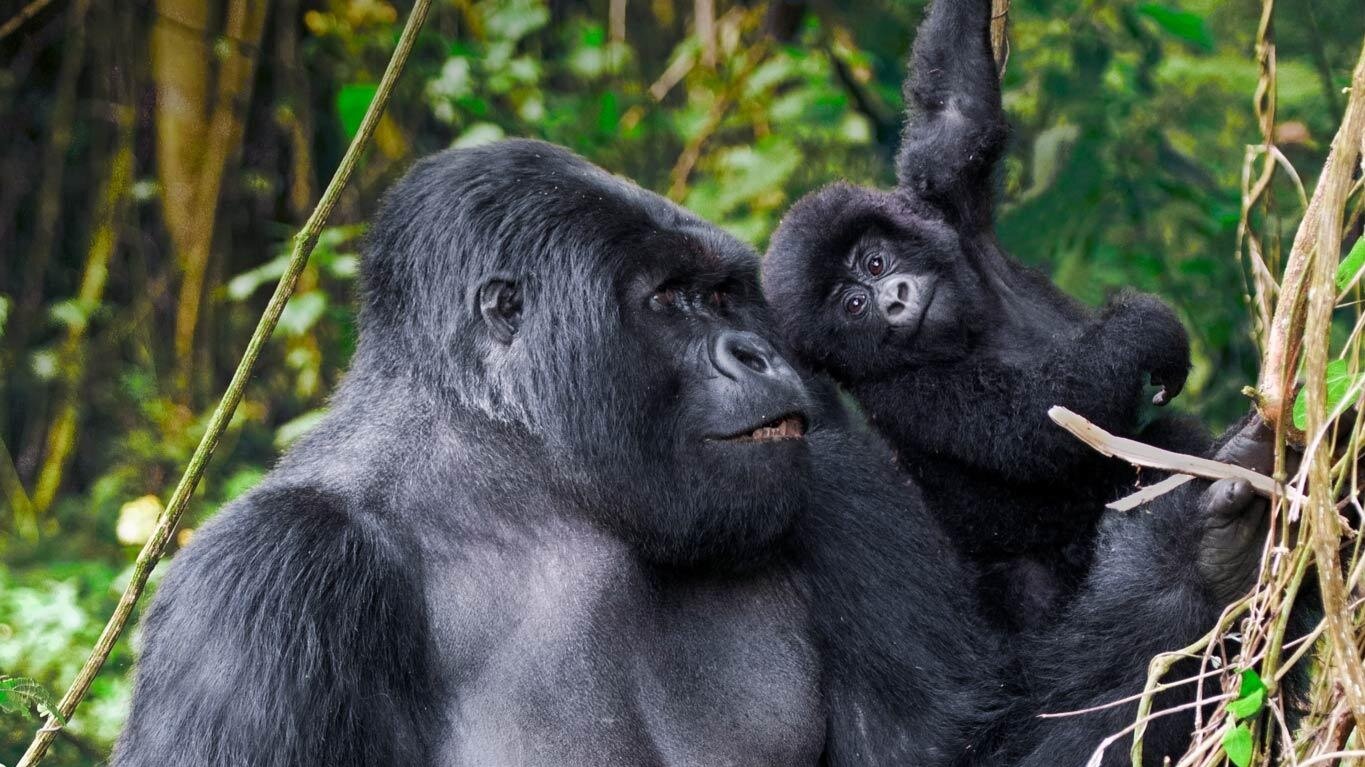
Rwanda Expands Protected Zones to Shield Endangered Species from Habitat Loss
news
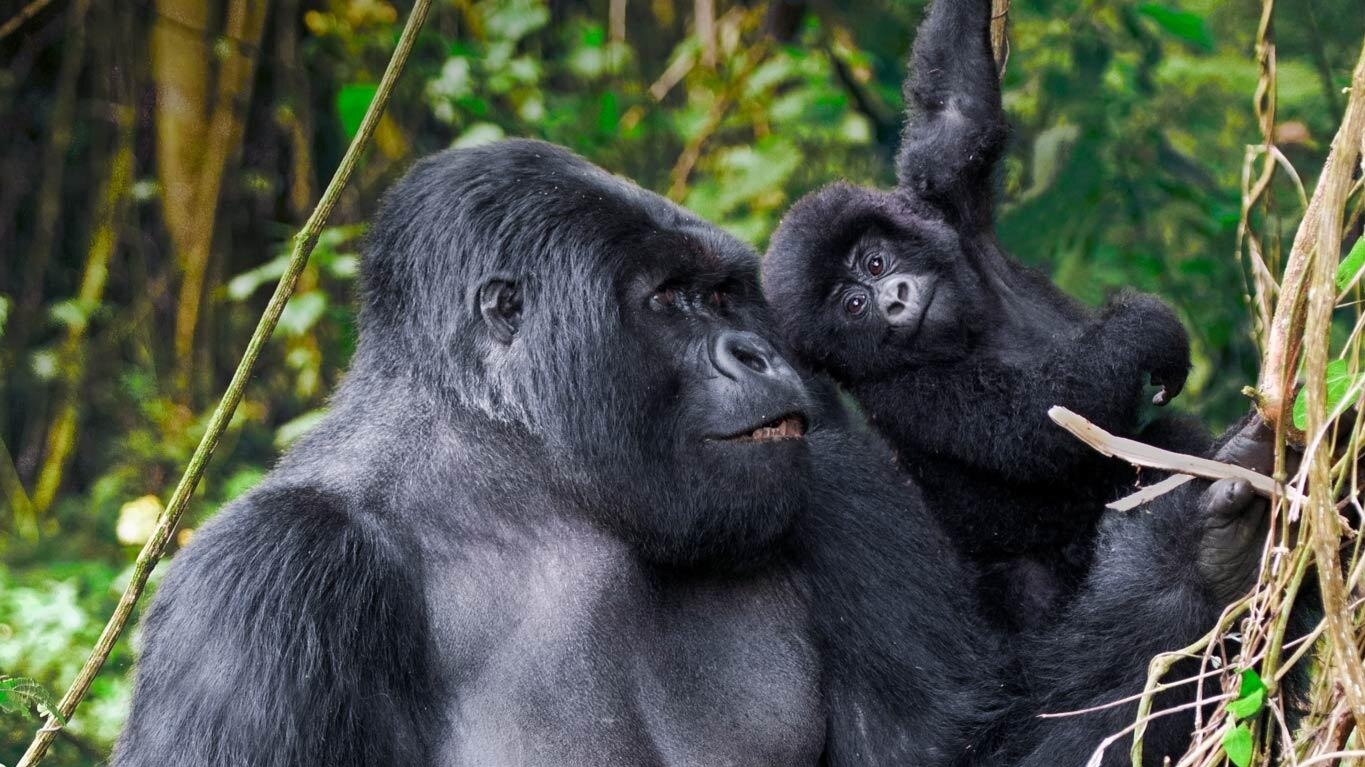
Rwanda's 2026 Anti-Poaching Measures: Drones and Rangers Target Rhino Threats
News
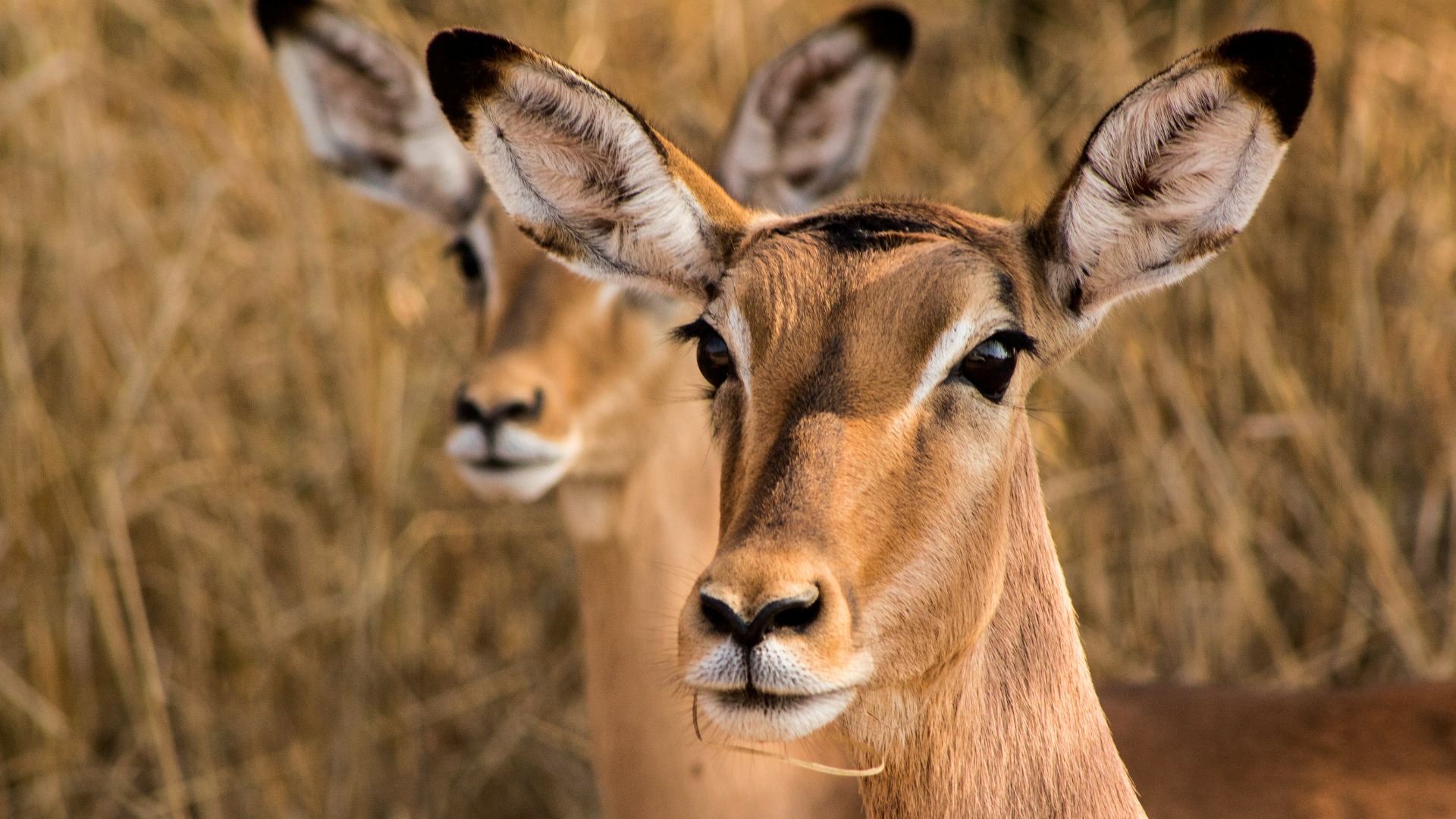
Rwanda's Mountain Gorillas Face New Survival Threats in 2024
News