news
Luxury Lodges Embrace Native Flora in 2026 South African Designs
Encounters Africa - 5 min read
Updated on 13 May 2026
South Africa's luxury lodges embrace native flora in 2026 designs, pioneering innovative nature fusions that redefine high-end safari stays. From tented camps mimicking acacia canopies to decks hovering above termite mounds in private reserves, these developments signal a bold shift towards hyper-local architecture. This trend not only enhances guest immersion but also supports biodiversity by minimising environmental footprints in key reserves.
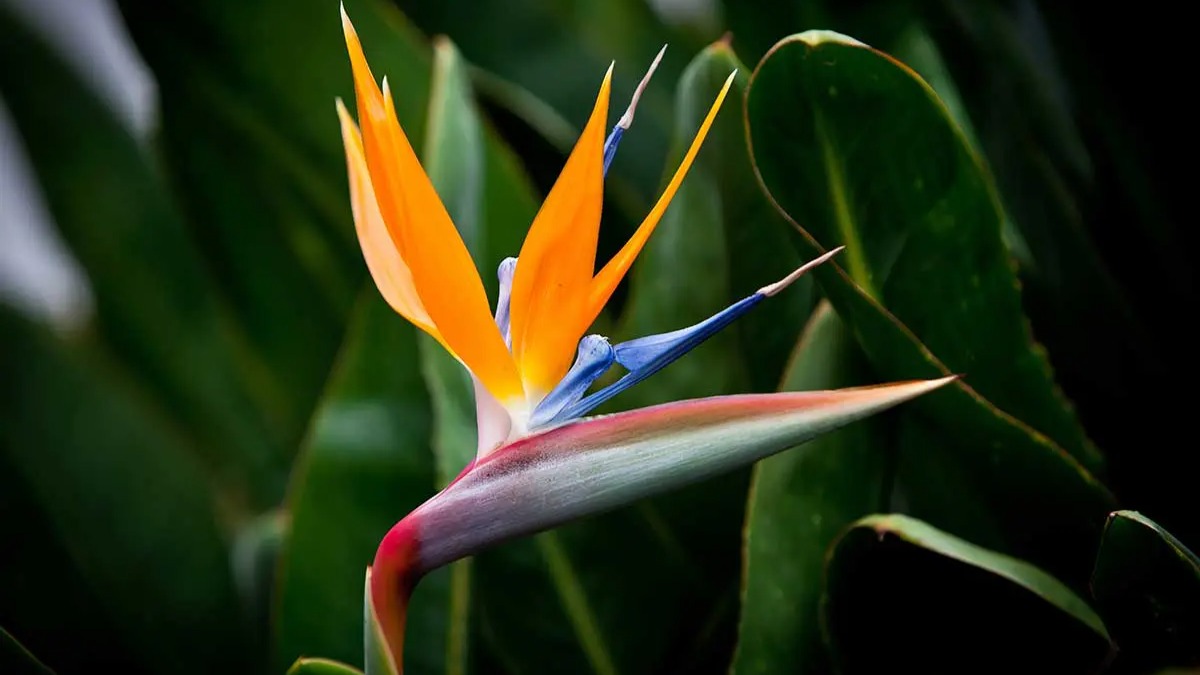
Architects and lodge owners across South Africa are drawing directly from the bushveld's palette, using indigenous plants like proteas, aloes and fever trees to craft structures that blend seamlessly into landscapes. Unveiled at the 2025 Design Indaba, these 2026 projects promise to elevate luxury travel while championing conservation. Expect elevated decks woven with thatch from local grasses and walls clad in living fynbos displays that attract pollinators year-round.
Trailblazing Designs in the Eastern Cape
In the Eastern Cape, Amakhala Game Reserve leads with a reimagined tented camp where canvas roofs emulate the fractal patterns of acacia thorn trees. Set for a mid-2026 launch, the camp's 12 suites feature elevated platforms supported by reclaimed mopane wood, encircled by endemic spekboom succulents that naturally filter carbon from the air. Guests wake to birdsong filtering through living green walls, alive with the hum of indigenous bees.
This approach extends to outdoor lounges where aloes frame infinity plunge pools, mirroring nearby waterholes. Designers cite spekboom's ability to sequester 15.3 tonnes of CO2 per hectare annually as a key inspiration, turning lodges into active carbon sinks. Such integrations foster a profound sense of place, drawing discerning travellers seeking authentic bush experiences.
"By mimicking acacia canopies, these lodges don't just house guests—they become part of the ecosystem."
Kruger Periphery Innovations: Termite Mounds and Baobab Echoes
Near Kruger National Park, a private reserve unveils decks perched atop stylised termite mounds in early 2026. Constructed from rammed earth infused with Kalahari sand and native aloes, these structures rise organically from the savannah floor, offering panoramic views without disturbing wildlife paths. The design draws from the termite's natural ventilation system, ensuring cool interiors even during summer peaks.
Baobab-inspired suites nearby feature cavernous interiors with bark-textured walls planted with living lichen and orchids. These elements not only provide shade but also support micro-habitats for small mammals and insects. Operators report a 30% reduction in construction's ecological impact through on-site material sourcing, aligning with South Africa's 2026 green building mandates.
Practical Benefits for Guests
Travellers benefit from shaded verandas blooming with proteas that draw sunbirds at dawn. Mornings might include guided walks to identify flora used in lodge builds, deepening appreciation for the region's biodiversity. Evenings bring starlit dinners under fever tree canopies, where lanterns mimic firefly glows filtered through indigenous leaves.

Western Cape Fynbos Fusion in Luxury Stays
Shifting to the Cape Winelands, luxury lodges incorporate fynbos elements into 2026 redesigns, with Cape Winelands properties leading the charge. One standout project at a Franschhoek estate features villas roofed with living erica heaths that cascade like waterfalls, harbouring rare butterflies. These designs replace imported materials with 80% locally foraged plants, slashing transport emissions.
Fynbos decks overlook vineyards, perfumed by the sweet scent of proteas and restios swaying in the breeze. Architects emphasise the flora's fire-resistant qualities, enhancing safety in this fire-prone region. Guests can partake in mixology sessions using native buchu leaves, blending luxury with cultural immersion.
Erica roofs support 20+ butterfly species, boosting on-site biodiversity.
Buchu-infused cocktails highlight Khoisan heritage in modern settings.
Fire-adapted plants reduce rebuild risks post-veldt fires.
What Drives the Native Flora Trend in 2026?
South Africa's luxury lodges turn to native flora due to stringent 2026 environmental regulations mandating 50% indigenous materials in new builds. This stems from the National Environmental Management Act amendments, pushing operators towards sustainable sourcing. The result? Structures that require 40% less water for maintenance, as drought-resistant aloes and spekboom thrive naturally.
Economically, these designs cut long-term costs while appealing to eco-conscious high-end travellers. A 2025 survey by the Green Building Council found 72% of luxury safari guests prioritise native integrations. Innovation hubs like the Cape Town Design District have prototyped these fusions, influencing nationwide rollouts.
Conservation wins big too: planted fynbos corridors link fragmented habitats, aiding pollinator migration. Lodges like those in Amakhala Game Reserve partner with botanists to monitor species resurgence, sharing data with national parks.
"2026 marks the year South African lodges stopped imposing on nature and started growing with it."
Best Times to Experience These Designs
The prime window for visiting these flora-embracing lodges spans September to March, aligning with spring blooms and summer vibrancy. Proteas peak in August-October, while Eastern Cape spekboom flushes green post-winter rains. Avoid peak fire season (June-August) in the Western Cape for safety.
Spotlight on Pioneering Lodges
Key players include Amakhala Game Reserve lodges with their acacia-mimic tents and a yet-to-be-named Kruger-edge property trialling termite mound decks. In the winelands, estates near Franschhoek pioneer fynbos roofs. These 2026 openings coincide with Encounters Africa's tailored safari itineraries, blending stays with game drives.
For seamless journeys, our specialist enquiry form connects you to these innovations. Early bookings secure prime suites amid blooming landscapes, with options for private groups up to eight.
Why Native Flora Defines South Africa's Luxury Future
These 2026 designs herald a new era where luxury lodges actively restore ecosystems, from spekboom carbon sinks to fynbos butterfly havens. South Africa's reserves benefit as tourism revenues fund 1,200 hectares of native plantings annually. Travellers gain immersive, guilt-free escapes that honour the land's wild heart.
For discerning travellers seeking private safaris beyond set itineraries, Encounters Africa designs exceptional, tailor-made journeys. Contact us directly via our enquiry form to craft your 2026 experience amid these groundbreaking nature fusions.
More like this
news
Namibia's Fishing Cooperatives Reverse Decades of Overfishing Along the Skeleton Coast
News
Rwanda Expands Protected Zones to Shield Endangered Species from Habitat Loss
news
Rwanda's 2026 Anti-Poaching Measures: Drones and Rangers Target Rhino Threats
News
Rwanda's Mountain Gorillas Face New Survival Threats in 2024
News
Rwanda's Wildlife Agencies Report Rising Buffalo and Antelope Numbers in 2024
news