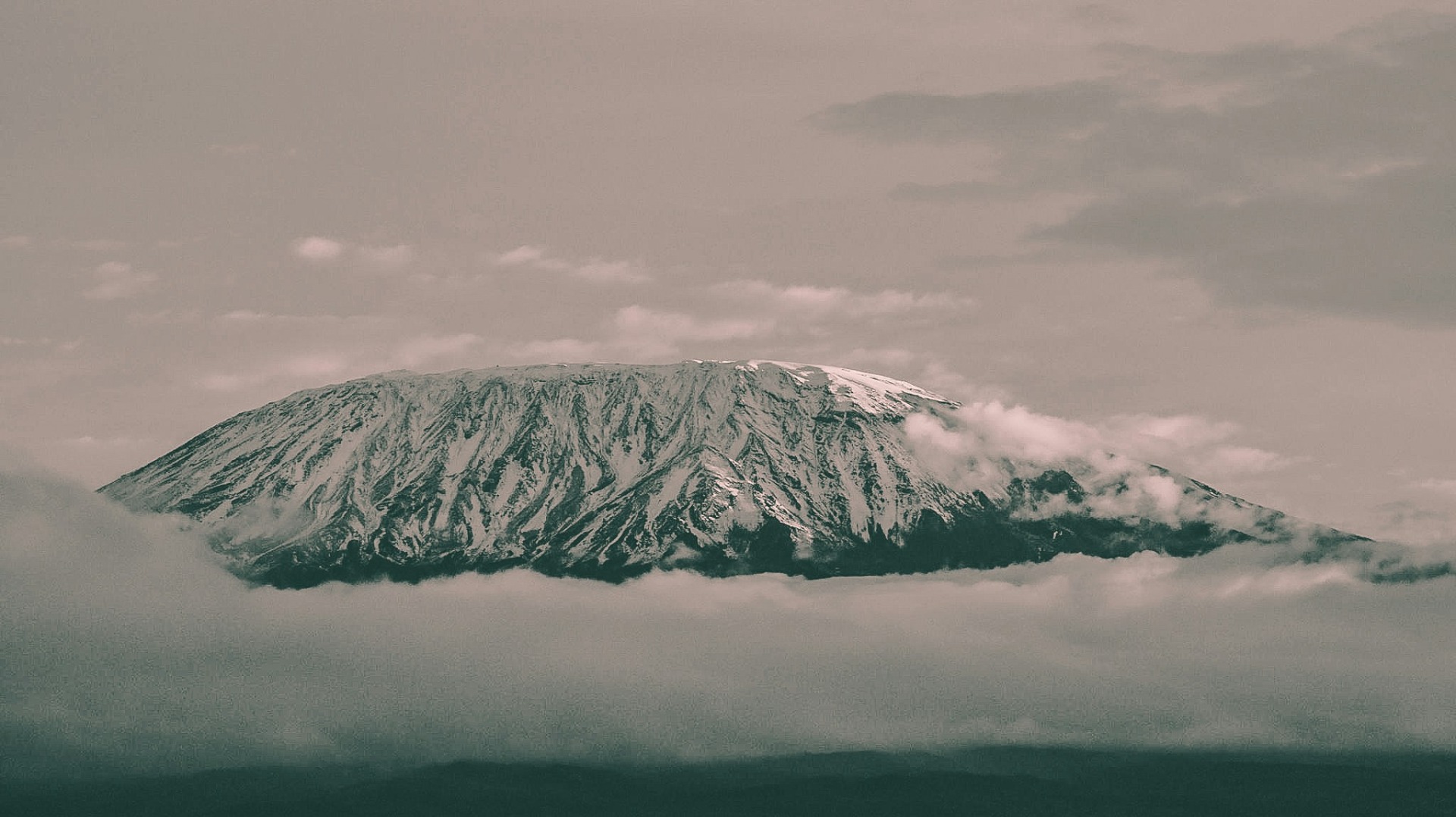
news
Kilimanjaro's New Caps: What the Fresh Climbing Limits Mean for Your Ascent
Encounters Africa - 8 min read
Updated on 19 August 2026
Kilimanjaro's new caps on daily climbers mark a significant shift for one of Africa's most iconic ascents. Tanzania's authorities have introduced strict hiker limits and increased permit fees on the mountain's busiest routes to address erosion, overcrowding, and environmental degradation. These measures, effective from early 2025, will reshape how travellers plan their journeys to the Roof of Africa, particularly for those seeking a considered, high-end experience with Encounters Africa.
The changes aim to preserve the mountain's fragile ecosystems while maintaining its allure for discerning adventurers. With daily caps now set at 90 climbers per route on the popular Marangu and Machame paths, and permit costs rising by up to 50 percent, the days of spontaneous bookings are largely over. This article explores what these fresh climbing limits mean for your ascent, from altered booking windows to smarter route selections that deliver a more intimate encounter with the mountain.

The Pressures That Prompted Change
For years, Kilimanjaro has drawn increasing numbers of hikers, with annual summiteers exceeding 50,000 in recent seasons. The result has been visible wear on trails, litter accumulation, and strain on local support systems. Porters and guides, often carrying heavy loads along eroded paths, have borne much of the burden, while sensitive alpine vegetation has suffered from compacted soil and human traffic.
Tanzanian National Parks Authority (TANAPA) data shows that the Machame Route alone has seen peak days with over 200 climbers, far exceeding sustainable levels. The new regulations respond directly to scientific assessments highlighting accelerated erosion on slopes above 3,000 metres. By capping numbers, authorities hope to reduce daily footfall by roughly 40 percent on the busiest trails during high season.
The mountain has spoken, and we are finally listening. Fewer feet each day means deeper roots for the fragile plants that hold its soils in place.
What the New Kilimanjaro Climbing Limits Actually Entail
From January 2025, daily hiker caps will apply across all official routes. The Marangu Route, often called the Coca-Cola route for its relative ease, will be limited to 90 climbers per day, while the scenic Machame Route receives the same ceiling. The Lemosho and Rongai routes follow with slightly higher allowances of 120 and 100 respectively, reflecting their longer durations and lower historical pressure.
Permit prices will increase substantially. A standard seven-day Machame climb permit will rise from approximately $800 to $1,200 per person, with additional conservation fees layered on for groups. These funds are earmarked for trail maintenance, porter welfare programmes, and reforestation initiatives on the mountain's lower slopes. The changes also introduce mandatory rest days on longer routes to improve acclimatisation success rates, which currently hover around 65 percent for standard expeditions.
These limits align with similar measures introduced on Mount Everest and in Nepal's Annapurna region, where daily caps have demonstrably improved both safety records and environmental conditions. For luxury travellers, the shift promises less congestion at key bottlenecks such as the Barranco Wall and Stella Point.
How These Limits Affect Different Climber Profiles
Independent hikers and large group expeditions will feel the greatest impact. Booking windows are expected to shorten dramatically, with popular dates for January to March and June to October selling out up to 18 months in advance. This creates a more level playing field for operators who maintain strong relationships with local authorities and booking systems.
Private expeditions, by contrast, stand to benefit. With fewer people on the mountain, the silence between camps becomes more profound, and wildlife sightings on the lower forested slopes grow more likely. The new structure particularly suits those travelling with Encounters Africa, who can secure priority access through established partnerships with premium operators on Tanzania.
Choosing Your Route Under the New Regime
The revised regulations encourage a rethink of traditional route preferences. While the Machame Route has long been favoured for its dramatic scenery and challenging final push, its new cap of 90 may push committed climbers toward the equally beautiful but less crowded Lemosho Route. Beginning in the remote western forests, Lemosho offers a gradual ascent over eight or nine days, allowing better acclimatisation and a higher summit success rate of nearly 85 percent.
The Northern Circuit, a relatively recent addition that circumnavigates the mountain's quieter flanks, emerges as an excellent choice under the new limits. With its remote camps and minimal crowds even before the caps, it provides the solitude many luxury travellers seek. Rongai, approaching from the drier northeastern side, also gains appeal for those wanting to avoid the wetter southern slopes during certain seasons.
A Kilimanjaro climb was never truly about racing others to the summit. These limits simply restore the mountain's natural rhythm and the personal nature of the journey.
Route Comparison Under New Daily Caps
Machame Route: 6-7 days, 90 climbers daily cap, scenic but now heavily regulated with earlier booking essential
Lemosho Route: 7-9 days, 120 climbers daily cap, remote start and excellent acclimatisation profile
Northern Circuit: 9-10 days, lower daily numbers, exceptional privacy and varied ecosystems
Marangu Route: 5-6 days, 90 climbers daily cap, hut accommodation but steeper environmental scrutiny
Practical Implications for Luxury Travellers
For those accustomed to seamless, high-end African journeys, these changes necessitate earlier planning but ultimately enhance the experience. Booking at least 14 months ahead for peak season climbs (December to February and July to September) becomes standard practice. Encounters Africa can secure space through our network of distinguished partners who maintain dedicated allocations on premium routes.
The increased permit costs, while significant, contribute directly to improved porter conditions and mountain infrastructure. Many luxury operators now include enhanced support such as private toilet tents, dedicated dining shelters, and oxygen systems as standard. This shift aligns with the growing expectation that a Kilimanjaro climb should offer comfort commensurate with its physical demands.
Our experience curating tailor-made journeys across East Africa shows that travellers who embrace these changes often report deeper satisfaction. The reduced numbers create space for genuine connection with mountain guides, whose knowledge of local ecology and Chagga culture adds profound layers to the ascent.

What This Means for Your Booking Timeline
The question travellers most frequently ask is simple: when should I book my Kilimanjaro climb under the new rules? The answer depends on your preferred season and route. For the popular January-February window, which coincides with drier weather and clearer summit views, secure your permit allocation at least 16 months prior. June through October requires similar forward planning, while shoulder seasons of March, April, November and December offer slightly more flexibility at 10-12 months.
Working with a specialist operator like Encounters Africa streamlines this process considerably. We maintain close relationships with the most respected guiding companies on the mountain and can often secure last-minute availability through our established networks when individual bookings cannot. Our private ascents, designed around your specific fitness level, interests and schedule, typically include comprehensive pre-climb preparation and the highest standards of mountain safety protocols.
Beyond the logistics, these measures signal a broader commitment to responsible mountain tourism in Africa. Similar conversations are emerging around other iconic sites, suggesting that thoughtful limitations may become the norm rather than the exception.
Embracing a More Considered Ascent
Kilimanjaro's new climbing limits represent not restriction but refinement. By reducing daily numbers and increasing investment in the mountain's care, Tanzania is ensuring that future generations can experience the same sense of wonder that has drawn travellers for over a century. The air at 5,895 metres will feel no less crisp, but the path leading there may now offer greater tranquillity and connection.
For those who have long dreamed of standing on Africa's highest point as the sun rises over the clouds, these changes ultimately enhance rather than diminish the reward. The mountain remains a powerful teacher of patience, resilience and respect for natural limits, qualities that align perfectly with the ethos of thoughtful luxury travel.
For discerning travellers seeking a private safari beyond our set itineraries, we invite you to contact us directly. We specialise in designing exceptional, tailor-made journeys for individuals, couples, families, and private groups of up to eight guests. Drawing on our handpicked network of distinguished camps and lodges, we curate every detail with precision and care, creating a seamless, deeply personal safari experience shaped entirely around your preferences, pace, and budget.
Whether combining your Kilimanjaro ascent with a classic Tanzania safari in the Serengeti or exploring the primate-rich forests of Rwanda, Encounters Africa stands ready to craft an unforgettable African journey. Visit our enquiry form to begin the conversation about your ascent of Kilimanjaro under these important new parameters.
More like this
news
Kruger 2026: Rangers Deploy AI Tracking to Shield Rhinos from Poachers
news
Luxury Lodges Embrace Native Flora in 2026 South African Designs
news
Namibia's Fishing Cooperatives Reverse Decades of Overfishing Along the Skeleton Coast

News
Rwanda Expands Protected Zones to Shield Endangered Species from Habitat Loss

news
Rwanda's 2026 Anti-Poaching Measures: Drones and Rangers Target Rhino Threats

News