news
Namibia's Fishing Cooperatives Reverse Decades of Overfishing Along the Skeleton Coast
Encounters Africa - 9 min read
Updated on 20 August 2026
In the cold Atlantic waters lapping Namibia's Skeleton Coast, a quiet revolution has taken place. Local fishing cooperatives, once overshadowed by industrial fleets, have stepped forward with measured quotas, seasonal closures, and community-led monitoring that have begun to restore fish stocks depleted by decades of overfishing. This success story illustrates how the blue economy can deliver both ecological renewal and shared prosperity when coastal communities hold the reins.
Namibia's fishing cooperatives have reversed decades of overfishing along the Skeleton Coast through disciplined management. Hake biomass has increased by more than 60 percent since 2015, while pilchard numbers continue their slow but steady climb. The model now serves as a blueprint for sustainable marine resource use across Southern Africa, proving that local stewardship can outperform top-down industrial approaches.

The Collapse That Preceded Renewal
For much of the late twentieth century, Namibia's coastal waters suffered under intense pressure. Foreign and domestic industrial trawlers targeted hake and pilchard with little restraint, pushing both species toward commercial collapse by the early 2000s. Annual catches plummeted, and the once-thriving fishing towns along the Skeleton Coast watched their livelihoods erode with each passing season.
By 2008, scientific surveys showed hake stocks at less than 20 percent of their sustainable levels. Pilchard populations, historically the backbone of Namibia's pelagic fishery, had fallen even further. Coastal communities faced unemployment rates exceeding 40 percent in some areas, while the marine ecosystem showed clear signs of imbalance with increased numbers of jellyfish and fewer predatory fish.
The sea had given generously for generations, yet industrial extraction left it exhausted. The cooperatives understood that only by limiting today's catch could tomorrow's children inherit a living ocean.
Communities Take the Helm
Faced with these stark realities, small-scale fishers began organising into cooperatives during the mid-2010s. Rather than competing individually against larger vessels, they pooled resources, shared knowledge, and negotiated collective access rights with the Namibian government. This shift marked the beginning of a new chapter in the country's marine management.
Today, more than 25 registered cooperatives operate along the Skeleton Coast and in the southern fishing grounds near Lüderitz. Each cooperative represents between 15 and 40 fishers, many of whom come from families that have worked these waters for four generations. Their collective approach has transformed not only how fish are caught but how decisions about the ocean are made.
How Namibia's Fishing Cooperatives Restored Coastal Fish Stocks
The cooperatives' success rests on three practical pillars: science-based quotas, rotational fishing zones, and rigorous self-monitoring. Working closely with marine biologists from the University of Namibia and the Ministry of Fisheries, cooperative members helped establish total allowable catches that reflect real-time stock assessments rather than optimistic projections.
Seasonal closures, particularly during spawning periods between July and October, allow fish populations critical breathing space. These aren't arbitrary dates pulled from calendars but carefully chosen windows based on water temperature data, lunar cycles, and historical spawning records. The result has been measurable recovery across multiple species.
Independent surveys conducted in 2023 by the Namibian Marine Resources Research Institute recorded hake biomass at approximately 380,000 tonnes, up from 230,000 tonnes in 2015. Pilchard stocks, while still below historical highs, have shown annual growth rates of 8-12 percent since cooperative management intensified in 2018. These aren't abstract numbers; they translate directly into more stable incomes and greater food security for coastal families.
By respecting the rhythms of the ocean rather than fighting against them, these cooperatives have shown that economic gain and ecological health need not be opposing forces.
The Science Behind the Success
What sets Namibia's model apart is its integration of local ecological knowledge with modern fisheries science. Cooperative elders who remember the abundance of the 1970s share observations about water currents, seabird behaviour, and fish movement patterns that complement satellite data and trawl surveys.
This blended approach has allowed for more nuanced management than blanket industrial quotas ever achieved. For instance, when cooperatives noticed unusually high concentrations of juvenile hake in certain bays during 2021, they voluntarily extended no-take zones in those areas despite the short-term financial cost. The following year's adult stock numbers validated their decision.
Economic Benefits Flow to Coastal Communities
The renewed fish stocks have brought tangible improvements to living standards along Namibia's rugged coastline. Cooperative members now earn an average of N$8,500 per month during peak seasons, compared to less than N$3,000 before the reforms. More importantly, these earnings are distributed more equitably than under the previous system dominated by a handful of large companies.
Beyond direct fishing income, the cooperatives have diversified their activities. Several now operate small-scale processing facilities that create additional jobs, particularly for women in filleting, packaging, and quality control. Others have invested in tourism ventures, offering visitors sustainable fishing experiences and marine education tours that generate revenue even during closed seasons.
The economic ripple effects extend further. Local suppliers, boat maintenance services, and transport operators have all seen increased demand as the cooperatives' success has stabilised the entire coastal economy. In the town of Henties Bay, for example, three new small businesses opened in 2022 directly attributable to the increased activity and confidence of the fishing cooperatives.
Women at the Centre of Change
One of the most encouraging aspects of this marine renewal has been the prominent role of women. While traditional fishing was largely male-dominated, the cooperative model has created space for female leadership in processing, marketing, and financial management. Several cooperatives are now chaired by women who have introduced innovations ranging from solar-powered drying facilities to direct marketing channels that bypass middlemen.
Maria !Gawaxab, chairwoman of the !Hurib Fishing Cooperative near Swakopmund, explains how the women in her group have used their portion of profits to establish a community savings scheme. This has allowed families to weather poor seasons without resorting to illegal fishing, further protecting the recovering stocks.
Challenges That Remain
Despite the clear progress, significant challenges persist. Climate change is altering ocean temperatures and currents, potentially shifting fish distributions in ways that current management systems may struggle to address. Illegal, unreported, and unregulated fishing by foreign vessels continues to undermine cooperative efforts, with estimates suggesting that up to 15 percent of catches in Namibian waters still come from such sources.
Market access remains another hurdle. While local stocks have recovered, many cooperatives struggle to compete with heavily subsidised industrial fisheries from other nations that can offer lower prices. Building stronger domestic and regional markets for sustainably caught Namibian fish has become a priority for cooperative leaders and government partners alike.
The ocean's recovery reminds us that true wealth lies not in extracting as much as possible today, but in ensuring the sea can provide for generations to come. Namibia's cooperatives are writing a new chapter in the blue economy that balances human needs with marine limits.
Lessons for the Wider Blue Economy
Namibia's experience offers valuable insights for other nations seeking to implement blue economy principles. The success demonstrates that decentralised, community-based management can deliver better conservation outcomes than centralised industrial models when paired with strong scientific support and clear legal frameworks.
Other Southern African countries are already taking notice. South Africa has begun piloting similar cooperative models in its Western Cape fisheries, while Angola is exploring community quota systems for its rapidly declining shrimp stocks. International development organisations have cited Namibia's approach as a model for small-scale fisheries reform across the continent.
Integrating Marine Protection with Terrestrial Conservation
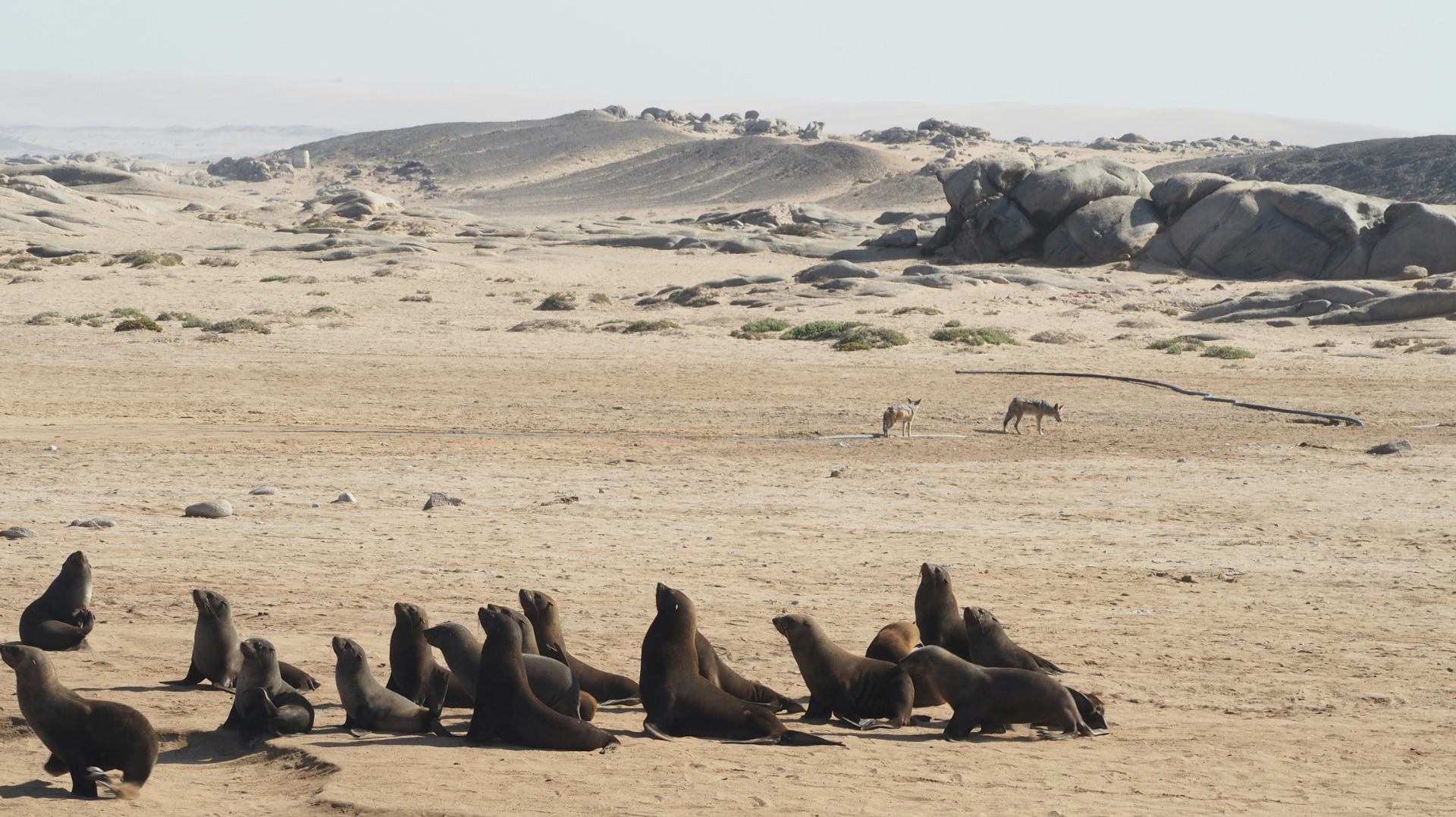
The fishing cooperatives' work complements Namibia's broader conservation efforts. Many cooperative members also participate in community conservancies that protect coastal desert ecosystems and the unique wildlife of the Skeleton Coast. This integrated approach recognises that healthy oceans depend on healthy coastlines, and vice versa.
Visitors to Namibia can now experience these connections through carefully designed itineraries that include time with fishing cooperatives alongside more traditional wildlife viewing. Several lodges have developed partnerships with cooperatives that allow guests to learn about sustainable fishing practices while enjoying responsibly sourced seafood.
For those interested in exploring Namibia's marine conservation alongside its renowned wildlife areas, consider our tailored Namibia safari experiences that can incorporate visits to both the Skeleton Coast and inland conservancies.
The Future of Namibia's Coastal Fisheries
Looking ahead, the cooperatives are focusing on value addition and resilience building. Plans include developing traceability systems that allow consumers to verify the sustainable origins of their fish, investing in aquaculture research for high-value species, and expanding training programmes for younger fishers in both traditional knowledge and modern marine science.
The Namibian government has committed to expanding the cooperative model, with new legislation expected in 2025 that will further formalise community fishing rights. This institutional support, combined with the cooperatives' proven track record, suggests that the recovery of Namibia's coastal fish stocks may be not just a temporary rebound but the foundation for a genuinely sustainable blue economy.

A Model Worth Supporting
The transformation along Namibia's Skeleton Coast offers a compelling example of what becomes possible when local knowledge, scientific rigour, and community governance align. These fishing cooperatives haven't simply restored fish stocks; they've restored hope, dignity, and economic agency to coastal communities while creating a more balanced marine ecosystem.
For discerning travellers seeking a private safari beyond our set itineraries, we invite you to contact us directly. We specialise in designing exceptional, tailor-made journeys for individuals, couples, families, and private groups of up to eight guests. Drawing on our handpicked network of distinguished camps and lodges, we curate every detail with precision and care, creating a seamless, deeply personal safari experience shaped entirely around your preferences, pace, and budget.
Whether your interests lie in marine conservation, desert wildlife, or cultural immersion with communities like these fishing cooperatives, Encounters Africa can craft an itinerary that reveals the authentic heart of Namibia. Our long-standing relationships with local partners, including several fishing cooperatives, allow us to offer experiences that go far beyond the conventional safari circuit.
To begin planning your journey into Namibia's evolving blue economy and its remarkable landscapes, we encourage you to visit our enquiry form and share your aspirations. The Skeleton Coast's restored waters and the communities that protect them await those ready to witness conservation success stories that honour both nature and people.
More like this

News
Rwanda Expands Protected Zones to Shield Endangered Species from Habitat Loss

news
Rwanda's 2026 Anti-Poaching Measures: Drones and Rangers Target Rhino Threats

News
Rwanda's Mountain Gorillas Face New Survival Threats in 2024
News
Rwanda's Wildlife Agencies Report Rising Buffalo and Antelope Numbers in 2024
news
Serengeti Great Migration 2026: Forecasted River Crossings and Peak Dates
news