Culture
Practical Ways to Experience Zambian Cultural Moments During Your Visit
Encounters Africa - 10 min read
Updated on 1 July 2026
Zambian cultural moments bring a profound dimension to any journey through this landlocked nation, where living traditions remain woven into daily life across its diverse ethnic communities. From the vibrant ceremonies of the Lozi people to the intricate craftsmanship of the Tonga, culture and heritage in Zambia offer travellers authentic encounters that extend far beyond wildlife sightings in its renowned national parks. This article explores practical approaches to engaging respectfully with these traditions, ensuring your visit contributes positively to local communities while creating lasting memories.
Zambia is home to 73 recognised ethnic groups, each preserving distinct languages, dances, and customs that have evolved over centuries. The best time to experience many of these Zambian cultural moments is during the dry season from May to October, when roads are accessible and major festivals align with cooler weather. Whether you are drawn to rhythmic drumming or quiet conversations with artisans, integrating these elements thoughtfully transforms a standard safari into a richer exploration of identity and resilience.
Understanding the Rich Tapestry of Culture and Heritage in Zambia
Zambia's cultural landscape reflects a complex history shaped by migration, trade, and colonial influences, yet its people have maintained strong connections to ancestral practices. Oral traditions pass down knowledge of kingship, initiation rites, and environmental stewardship through generations, creating a living heritage that visitors can respectfully observe. Communities across the country continue to celebrate these elements not as performances for outsiders, but as vital expressions of who they are.
Travellers often discover that what appears as simple ritual carries layers of meaning tied to seasonal changes, spiritual beliefs, and social structures. The Zambia of today balances modernisation with deep respect for customary law, which still governs many rural areas. Approaching these encounters with genuine curiosity rather than expectation yields the most rewarding exchanges.
Respectful participation in Zambian cultural moments requires patience and presence; the reward is connection to a heritage that has endured for hundreds of years.
The Significance of Major Ceremonies
Annual festivals serve as cornerstones of cultural expression, drawing both locals and visitors into shared celebration. These events follow lunar calendars and agricultural cycles, offering windows into cosmological beliefs that link communities to their ancestors and the natural world. Understanding their context beforehand allows for more meaningful engagement when you witness them first-hand.
.jpg)
Practical Ways to Engage with Zambian Cultural Moments
Thoughtful planning opens doors to authentic Zambian cultural moments without disrupting community rhythms. Begin by selecting experiences that align with your itinerary, focusing on regions where cultural tourism supports conservation and education initiatives. Local guides and community-led organisations often facilitate these encounters, ensuring proceeds benefit the custodians of these traditions directly.
Timing matters immensely. Many ceremonies occur between March and August, coinciding with post-harvest periods when communities have resources and energy for celebration. Research specific dates through reputable operators, as some events like the Kuomboka can shift according to flood levels on the Zambezi River. Building flexibility into your schedule prevents disappointment while demonstrating respect for natural and cultural cycles.
Attending the Kuomboka Ceremony
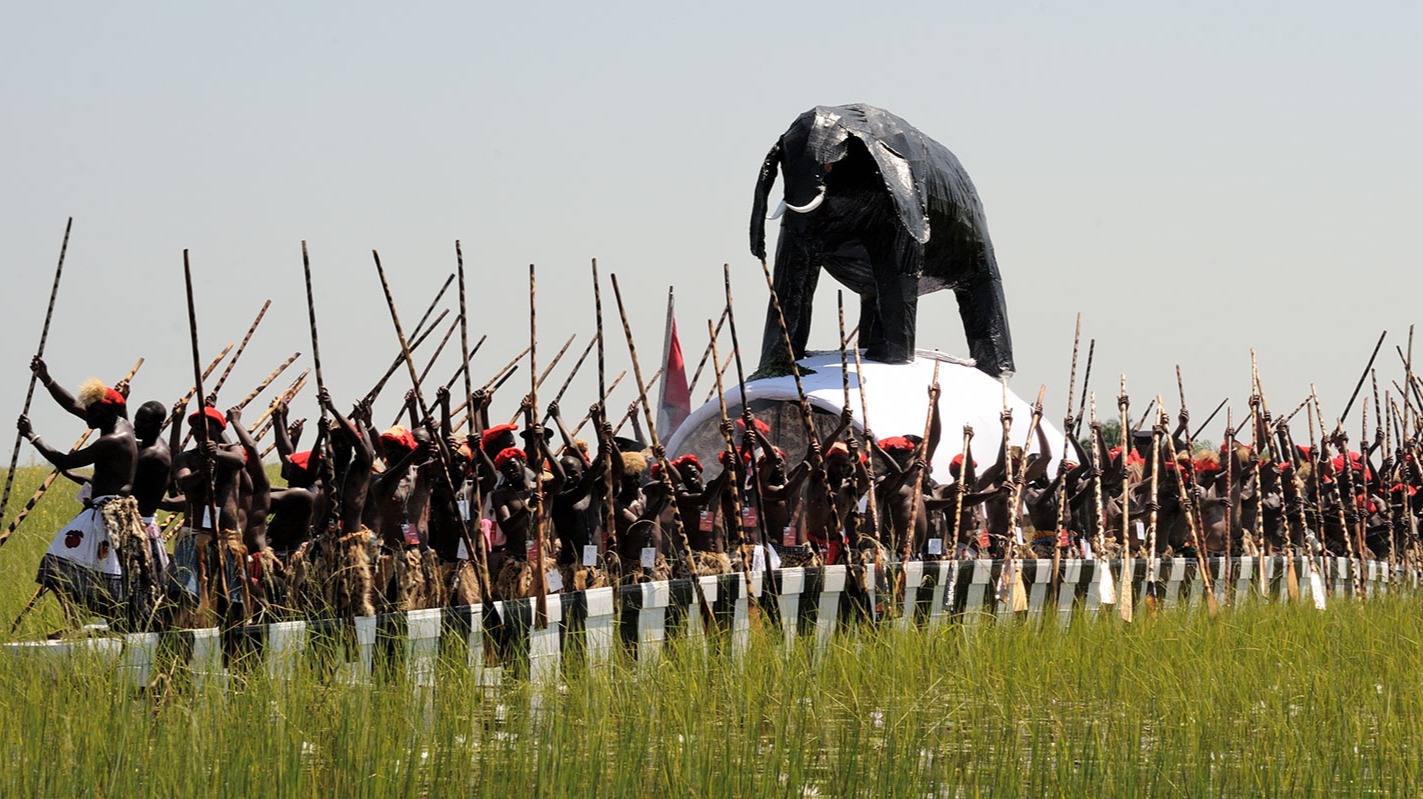
The annual Kuomboka, or "getting out of water," stands as one of Zambia's most spectacular displays of culture and heritage. Held in the Western Province, it commemorates the Litunga's journey from the flooded Barotse Floodplain to higher ground, involving ornate barges, traditional regalia, and thousands of participants. To experience it respectfully, travellers should book well in advance through established operators who coordinate with local authorities.
Visitors typically arrive by boat or light aircraft, staying in nearby camps that support the Lozi economy. During the ceremony, maintain a low profile, following instructions from your guide regarding photography and positioning. The thunder of drums and colourful spectacle create an unforgettable sensory experience, but remember this remains a sacred event for the Lozi people, not entertainment.
The synchronised movement of paddlers against the Zambezi current carries not just the Litunga but centuries of Lozi history, resilience, and spiritual connection to their homeland.
Meeting Artisans and Learning Traditional Crafts
Beyond grand festivals, smaller-scale interactions often prove equally memorable. Arranging visits to Tonga basket weavers in southern Zambia allows travellers to observe and sometimes participate in the creation of intricate sisal and palm designs. These sessions, typically lasting two to three hours, provide insight into mathematical patterns and stories embedded in each piece.
Support local economies by purchasing directly from makers rather than through middlemen. Many community projects near Moremi Game Reserve and in the vicinity of Livingstone offer such workshops, where proceeds fund education and healthcare. Ask thoughtful questions about materials and symbolism, but avoid pressing for information considered private or sacred.
Participating in Storytelling and Music Sessions
Evening gatherings around the fire offer intimate Zambian cultural moments through Nyanja or Bemba storytelling. These oral performances preserve history, moral lessons, and humour within rhythmic language and song. Lodges partnering with nearby villages often arrange these sessions, ensuring storytellers receive fair compensation and retain control over what is shared.
Listen actively and respond appreciatively. Some experiences may include learning simple dance steps or drum rhythms, but never assume participation is expected. These moments frequently extend beyond scheduled time as conversations flow naturally, revealing personal connections to the tales being told.
Respectful Approaches to Culture and Heritage in Zambia
Respect forms the foundation of any meaningful cultural exchange in Zambia. Always seek permission before photographing people or sacred objects, and adhere to local dress codes, particularly at ceremonies where shoulders and knees should remain covered. Small gestures like learning basic greetings in the local language demonstrate your willingness to meet communities halfway.
Many travellers find that slowing down yields the richest insights. Rather than rushing between sites, allocate several days in one area to allow relationships to develop organically. This approach aligns with the measured pace of rural Zambian life and often leads to spontaneous invitations that cannot be pre-arranged.
Supporting Communities Through Ethical Tourism
Choose operators who maintain transparent relationships with villages and cultural groups. Encounters Africa works exclusively with partners who ensure fair benefit distribution and cultural sensitivity training for all staff. This commitment helps preserve traditions while providing sustainable income streams beyond seasonal tourism.
Consider how your presence might affect resource use in remote areas. Carrying reusable water bottles, avoiding single-use plastics, and respecting designated paths demonstrates environmental stewardship that resonates with many Zambian values of caring for the land.
True connection with Zambian heritage happens not through observation alone, but through the quiet recognition that these living traditions continue to shape identities in profound and ongoing ways.
Integrating Cultural Experiences with Your Wildlife Safari
Zambia's national parks and cultural heartlands often sit in close proximity, allowing seamless blending of experiences. A morning game drive in South Luangwa can be followed by an afternoon visit to a nearby village, creating natural transitions between wilderness and community. This combination appeals particularly to those seeking depth in their African journeys.
Specialist operators can design itineraries that incorporate both elements without compromising either. For instance, spending three nights at a bush camp followed by two nights at a community-owned lodge near Zambia's cultural sites offers balanced pacing. Such thoughtful sequencing prevents cultural experiences from feeling like add-ons to a primarily wildlife-focused trip.
Recommended Itineraries for Cultural Depth
A ten-day journey might begin in Livingstone with visits to local craft markets and a guided tour of Victoria Falls from the Zambian side, before heading to the Barotse Floodplain for Kuomboka season. Alternatively, combine South Luangwa safaris with time spent learning about Chewa traditions in the Eastern Province. These routes typically involve light aircraft transfers, minimising road travel time.
For those with more flexibility, consider a 14-night itinerary that includes both northern and southern cultural zones. This allows time to witness different seasonal expressions of tradition while enjoying varied landscapes from miombo woodland to riverine ecosystems. Professional guides help interpret connections between cultural practices and the environments that sustain them.
What is the Best Way to Experience Authentic Zambian Cultural Moments?
The most rewarding approach involves working with specialists who maintain long-term relationships with communities rather than seeking out experiences independently. This ensures proper protocols are followed and that your visit benefits those sharing their heritage. Reputable operators like Encounters Africa can arrange everything from private meetings with master drummers to extended homestays where appropriate.
Preparation enhances these encounters significantly. Reading about specific ethnic groups beforehand, learning a few phrases, and understanding basic etiquette demonstrates respect that is always appreciated. Most importantly, enter each experience with openness rather than a checklist mentality. Some of the most powerful Zambian cultural moments arise unexpectedly when visitors allow space for genuine connection.
Numbers tell part of the story: Zambia welcomes approximately 1.2 million international visitors annually, yet only a fraction engage deeply with local culture. Those who do report these experiences as transformative, often citing them as the highlight of their journey years later. The key lies in quality over quantity, choosing fewer, well-facilitated interactions over a whirlwind of superficial visits.
Creating Lasting Connections Through Culture and Heritage in Zambia
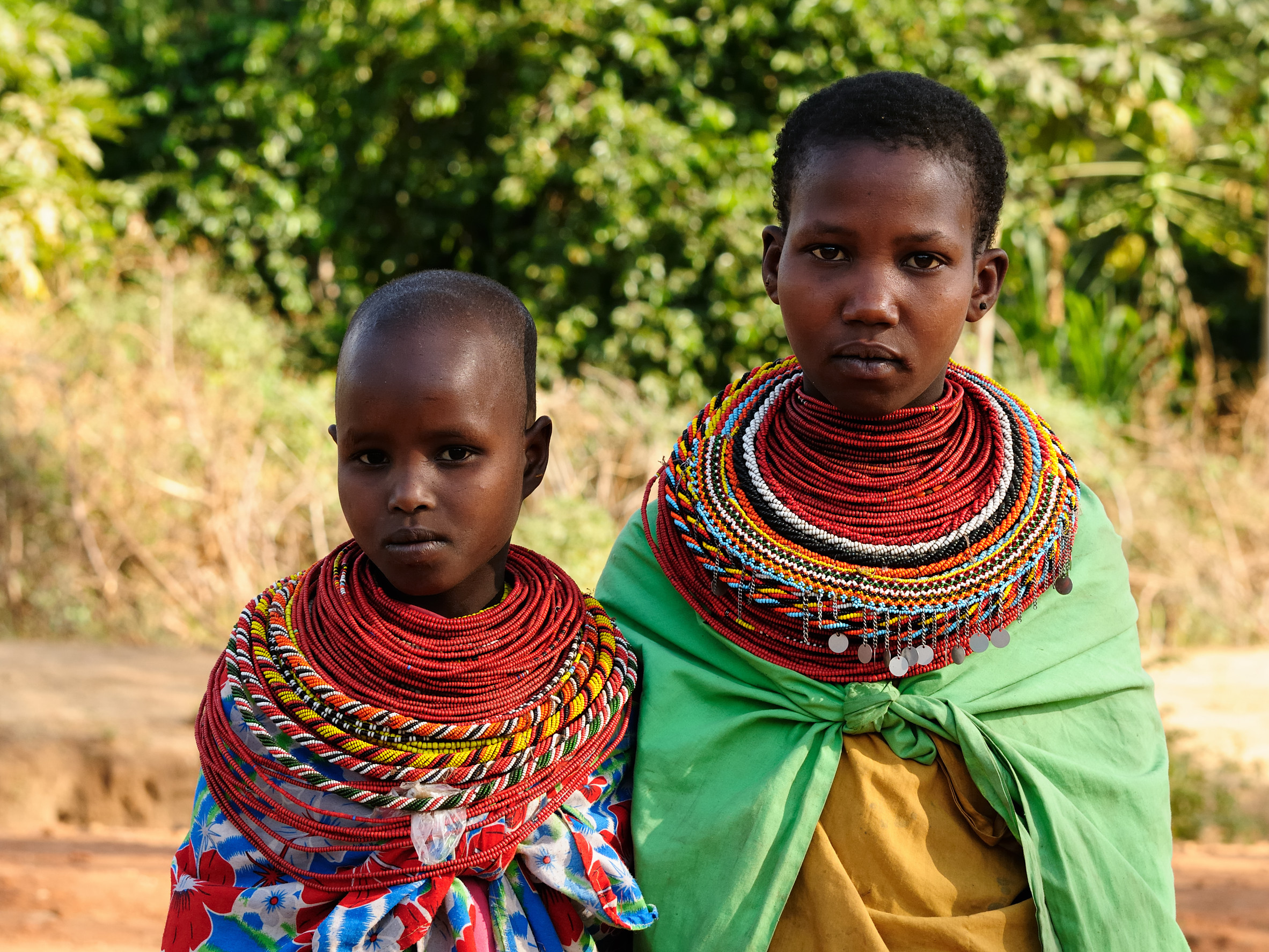
The memories formed through Zambian cultural moments endure because they touch something fundamental about human experience. Whether watching the intricate footwork of a Ngoni dance or listening to elders explain the significance of particular beadwork patterns, these encounters reveal universal themes of belonging, creativity, and continuity. They remind us that heritage lives not in museums but in the hands, voices, and hearts of contemporary communities.
Many travellers return home inspired to learn more about Zambia's history or to support specific projects they encountered. Some maintain correspondence with artisans or storytellers, creating bridges that span continents. These ongoing relationships represent perhaps the most valuable outcome of investing time in cultural engagement during your visit.
Deepening Your Understanding Through Responsible Travel
Approaching culture and heritage in Zambia with sensitivity and curiosity enriches not only your journey but also the communities who welcome you. By choosing experiences that support local custodians and maintaining an attitude of learning rather than consuming, travellers become part of a positive cycle that helps preserve these traditions for future generations. The sensory richness of drum rhythms at dusk, the smell of woodsmoke during storytelling, and the warmth of shared laughter create impressions that remain long after departure.
Encounters Africa specialises in designing journeys that weave together exceptional wildlife viewing with meaningful cultural connections. For discerning travellers seeking a private safari beyond our set itineraries, we invite you to contact us directly. We specialise in designing exceptional, tailor-made journeys for individuals, couples, families, and private groups of up to eight guests. Drawing on our handpicked network of distinguished camps and lodges, we curate every detail with precision and care, creating a seamless, deeply personal safari experience shaped entirely around your preferences, pace, and budget.
Consider exploring our Zambia cultural safari experiences or discover more in our article on how local knowledge enhances every safari. To begin planning your own meaningful journey through this remarkable country, please visit our enquiry form and share your interests with our team.
More like this

Culture
Respectful Safari Practices That Honor African Wildlife Traditions
culture
San Tribe Rhythms: Living Among Botswana's Ancient Bushmen
Culture
Seychelles Beyond the Beaches: What the Creole Traditions Reveal
culture
South Africa's Cultural Essentials: Xhosa, Zulu, and Sotho Traditions Explained
Culture
Tanzania's Vibrant Traditions: What Every Visitor Should Know Before Arrival
Culture