News
Rwanda Expands Protected Zones to Shield Endangered Species from Habitat Loss
Encounters Africa - 8 min read
Updated on 24 June 2026
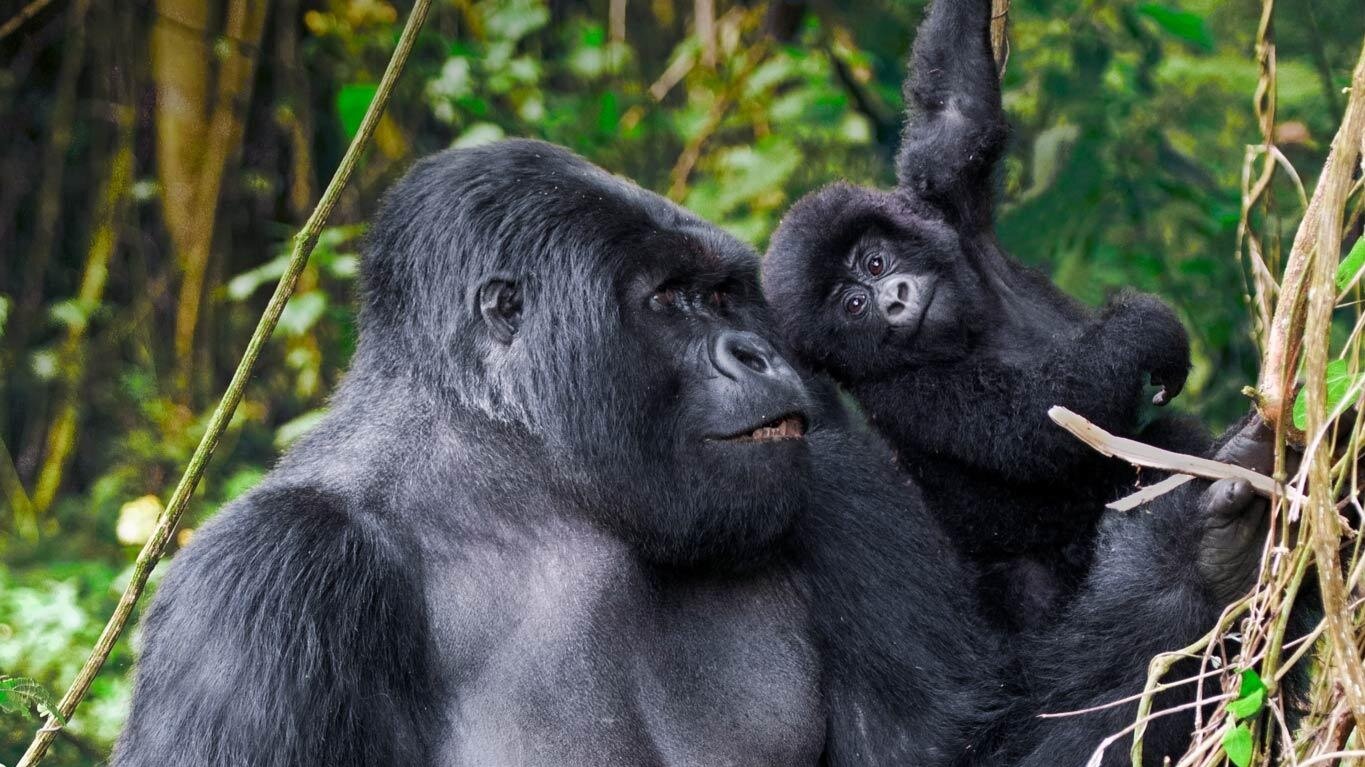
Rwandan wildlife conservation continues to evolve with fresh measures designed to counter habitat loss and support the recovery of vulnerable species. The expansion of protected zones in Volcanoes National Park marks a significant step forward, enlarging core sanctuaries by nearly 15 percent and introducing enhanced monitoring that is already showing positive results for mountain gorillas, golden monkeys, and forest elephants. These developments reflect Rwanda’s sustained commitment to safeguarding its natural heritage while involving local communities in meaningful ways.
As one of East Africa’s most successful conservation stories, the country now protects over 1,000 square kilometres of critical habitat across its national parks. Recent initiatives focus on strengthening boundaries, improving anti-poaching efforts, and creating economic alternatives for neighbouring families. This news on conservation offers encouraging signs that targeted action can deliver measurable gains for both wildlife and people.
Recent Expansion of Protected Areas in Volcanoes National Park
In late 2024, authorities announced the addition of 2,300 hectares to the existing protected zones within Volcanoes National Park. The move addresses long-standing pressure from agricultural encroachment and charcoal production that had fragmented key gorilla habitats. New buffer areas now connect previously isolated forest patches, allowing greater movement for groups that had become confined to smaller territories.
Field teams have already recorded improved ranging behaviour among several habituated gorilla families. The enlarged sanctuary also encompasses important bamboo stands and Hagenia woodland vital for the park’s population of golden monkeys. Rangers equipped with GPS devices and trail cameras now cover the expanded terrain more effectively, creating a denser protection network across the Virunga massif.
The quiet expansion of these highland forests reminds us that conservation gains are built incrementally, through patient collaboration between government, communities, and international partners who share a vision for thriving landscapes.
Impact on Endangered Species
Mountain gorilla numbers across the Virunga region have climbed from approximately 480 individuals in 2010 to more than 600 today, with Rwanda’s sector contributing substantially to that growth. The newly protected zones are expected to support an additional two to three groups over the coming decade. Forest elephant signs have also increased in the lower elevations, suggesting the expanded habitat is already benefiting these elusive giants.
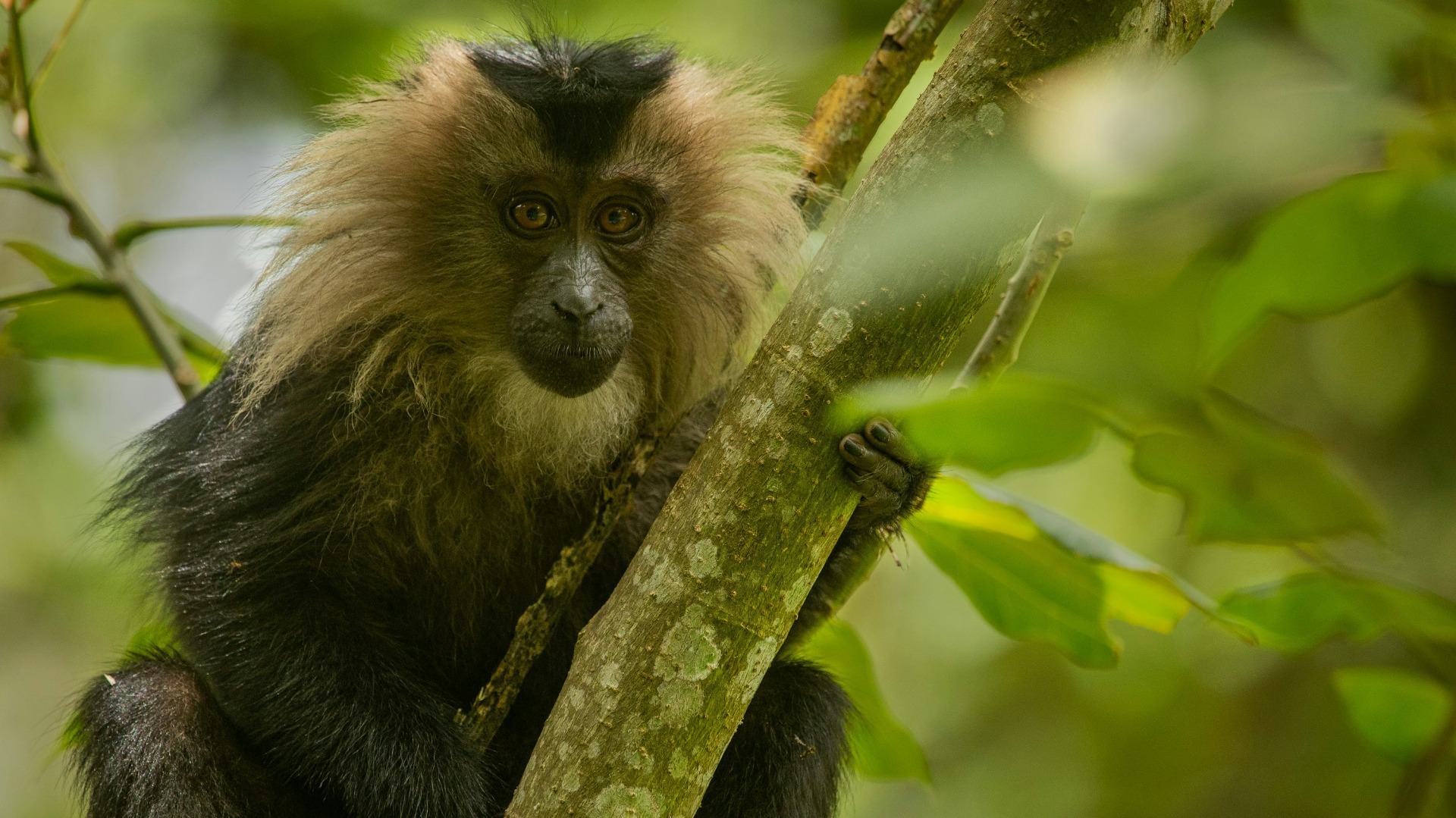
Golden monkey troops, often overlooked in favour of their larger primate cousins, show promising signs of range expansion. Recent surveys counted 42 distinct groups within the park, up from 33 recorded five years ago. These small increases matter enormously for genetic diversity and long-term resilience against disease and climate pressures.

Strengthening Anti-Poaching and Monitoring Efforts
Newly trained rapid-response units now patrol the extended boundaries using a combination of foot patrols, camera traps, and real-time data sharing. The introduction of solar-powered surveillance towers at strategic ridge points has reduced response times to potential threats from an average of four hours to under 90 minutes. Such improvements are central to conserving Rwandan animals in a landscape where human activity remains intense.
Canine units have proven particularly effective at detecting snares and tracking individuals involved in illegal resource extraction. Since their deployment in early 2023, snare recovery rates have risen by 65 percent while the number of active poaching camps discovered has declined sharply. These operational advances form the backbone of current news on conservation coming out of the Virungas.
Effective protection is not measured merely by arrests but by the steady return of wildlife to areas once considered too risky, a quiet testament to the value of consistent, intelligence-led ranger presence.
Technology Meets Traditional Knowledge
Rangers now work alongside community scouts who bring intimate knowledge of local topography and seasonal patterns. This partnership has improved the placement of monitoring equipment and helped identify previously unknown animal corridors. Mobile applications allow real-time reporting of wildlife sightings and illegal activities, creating a collaborative information network that spans both park and community land.
Drone surveys conducted quarterly now provide accurate vegetation maps and help track changes in forest cover with remarkable precision. The data gathered informs everything from fire management to reforestation priorities, ensuring resources are directed where they deliver greatest benefit to conserving Rwandan animals.
Community Incentives and Alternative Livelihoods
Recognising that sustainable conservation depends on local support, authorities have expanded revenue-sharing programmes that direct 10 percent of all park fees directly to surrounding villages. In 2024 this amounted to more than $2.8 million distributed across 12 sectors bordering the Volcanoes National Park. Funds support school construction, health clinics, and agricultural improvement projects chosen by community committees.
Beekeeping cooperatives and handicraft enterprises have flourished, offering families genuine economic alternatives to forest exploitation. Women-led groups now produce honey, beeswax candles, and woven baskets sold to visitors, creating steady income that reduces pressure on protected resources. These initiatives demonstrate how conserving Rwandan animals can simultaneously improve human wellbeing.
Education and Youth Engagement
Conservation clubs in 28 local schools now reach over 4,200 children each year with hands-on learning about the park’s unique biodiversity. Students participate in tree-planting days, visit habituated gorilla groups under supervision, and learn about the economic value of living landscapes. Many return home as enthusiastic advocates within their families.
Vocational training centres focus on skills relevant to the growing tourism sector, from guiding and hospitality to sustainable farming techniques. Graduates often find employment within the park’s ecosystem, reinforcing the link between healthy wildlife populations and personal opportunity.

When communities see tangible benefits from protected areas, conservation shifts from an imposed restriction to a shared endeavour that enriches both present lives and future prospects.
Success Stories and Measurable Outcomes
Early results from the expanded zones are encouraging. Camera trap data shows a 28 percent increase in large mammal detections within the new areas during the first six months of operation. Illegal tree cutting incidents have dropped by more than half compared with the same period last year, while reports of human-wildlife conflict have decreased as alternative income sources take hold.
Partnerships with organisations working across the broader Virunga landscape ensure that protection efforts in Rwanda complement similar work in neighbouring Uganda and the Democratic Republic of Congo. This transboundary approach is essential for species such as mountain gorillas that regularly cross international borders.
What Recent Data Reveals About Population Trends
The latest census figures, compiled through a combination of direct observation, genetic sampling, and nest counts, indicate continued growth across key indicator species. Mountain gorilla reproduction rates remain strong, with infants now representing nearly 20 percent of the population in Rwanda’s sector. Forest elephant dung counts suggest at least 40 individuals regularly use the expanded habitat, though their shy nature makes exact numbers difficult to confirm.
These statistics provide concrete evidence that the combination of expanded protection, rigorous enforcement, and community engagement is producing the desired effect. Such data-driven approaches are becoming the standard for effective news on conservation across the region.
Looking Ahead: Future Priorities for Rwandan Wildlife Conservation
While progress is evident, challenges remain. Climate change is altering vegetation patterns in the high Virungas, and increasing tourism numbers require careful management to prevent disturbance. Authorities are therefore investing in climate-resilient restoration projects and developing new visitor protocols that minimise impact on sensitive habitats.
Plans are also underway to strengthen protection in Twin Lakes Burera & Ruhondo and to explore wildlife corridors linking different protected areas. These initiatives will help ensure that Rwanda’s remarkable biodiversity continues to thrive amid changing environmental and demographic pressures.
International visitors play an important role by choosing responsible operators and supporting community projects. Revenue from high-value, low-impact tourism remains one of the most effective tools for funding long-term conservation work. Those interested in experiencing these landscapes while contributing to their protection may wish to explore our Rwanda safari itineraries that visit both the Virungas and the vast open plains of Akagera.
Supporting Rwanda’s Conservation Journey
The recent expansion of protected zones represents more than lines drawn on a map. It signals a deepening understanding that the future of Rwandan wildlife conservation depends on integrating scientific rigour, technological innovation, and genuine community partnership. The early results offer genuine hope that targeted, well-funded efforts can reverse decades of habitat decline and secure vital populations of endangered species.
Encounters Africa has witnessed first-hand how these initiatives transform both landscapes and lives. Our close relationships with local conservation teams and community leaders allow us to offer travellers authentic insight into the complex realities of protecting Africa’s wildlife heritage. For those looking for a private safari beyond our set itineraries, we would be delighted to hear from you directly. We specialise in creating beautifully tailored journeys for solo travellers, couples, families, and private groups of up to eight guests. Through our trusted network of carefully selected camps and lodges, we craft each safari around your individual interests, preferred pace, and budget, ensuring a seamless and deeply personal experience from beginning to end.
Whether you wish to track mountain gorillas in the misty Virungas, observe recovering wildlife in Akagera, or combine both experiences in a single journey, our team stands ready to design an exceptional Rwanda adventure that supports the very conservation efforts described here. Contact us today to begin planning your contribution to this remarkable story of recovery and hope.
More like this
news
Rwanda's 2026 Anti-Poaching Measures: Drones and Rangers Target Rhino Threats
News
Rwanda's Mountain Gorillas Face New Survival Threats in 2024
News
Rwanda's Wildlife Agencies Report Rising Buffalo and Antelope Numbers in 2024
news
Serengeti Great Migration 2026: Forecasted River Crossings and Peak Dates
news
Seychelles 2026: New Visa Rules and Resort Capacity Updates
News