Wildlife
Practical African Destinations Hosting Viable African Wild Dog Populations in 2024
Encounters Africa - 10 min read
Updated on 13 August 2026
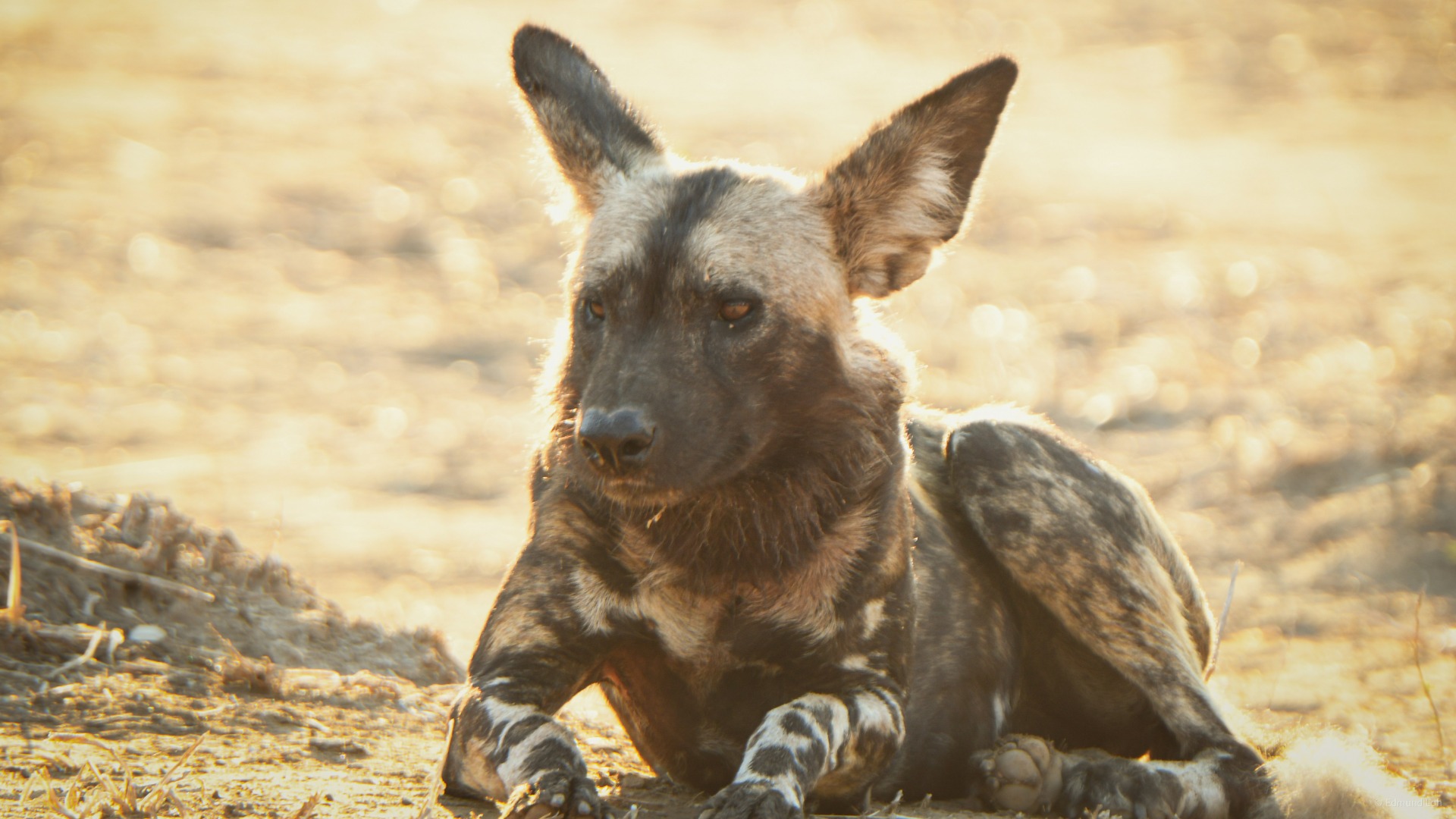
Africa's painted wolves, better known as African wild dogs, rank among the continent's most endangered carnivores. With fewer than 7,000 individuals remaining in the wild as of 2024, locating stable packs requires precise knowledge of specific landscapes where habitat connectivity, prey abundance, and dedicated conservation programmes allow these highly social hunters to persist. Botswana's northern concessions and Tanzania's vast southern reserves stand out as current strongholds, supporting some of the most viable populations through careful monitoring and expanding habitat corridors.
Encounters Africa regularly guides travellers to these remote areas, where the thrill of witnessing a wild dog pack in full chase creates indelible memories. Their distinctive mottled coats, large rounded ears, and tireless cooperative hunting make every sighting a privilege. This guide details the practical destinations hosting sustainable African wild dog populations right now, the conservation initiatives bolstering their numbers, and how to plan a responsible safari focused on these remarkable predators.

The Current Status of African Wild Dogs in 2024
Once found across 39 African countries, African wild dogs now occupy less than 8 percent of their historic range. The International Union for Conservation of Nature estimates the total free-ranging population at approximately 6,600 adults, with only about 1,400 mature individuals capable of breeding. South Africa, Botswana, Tanzania, and Zimbabwe together host more than 80 percent of the remaining global population, making these nations central to any serious effort to secure the species' future.
Modern conservation relies on intensive monitoring using GPS collars, camera traps, and community reporting networks. In 2023 alone, transboundary initiatives moved 42 wild dogs between reserves to boost genetic diversity, while new habitat corridors established in southern Africa have already enabled natural dispersal over distances exceeding 200 kilometres. These scientific interventions offer genuine hope that numbers can stabilise and, in well-managed areas, slowly increase.
The African wild dog is a conservation success story in the making, provided we continue creating connected landscapes where packs can hunt and raise pups without the constant pressure of human-wildlife conflict.
Botswana: Strongholds in the North and Central Regions
Botswana supports one of Africa's largest and healthiest African wild dog populations, estimated at around 1,200 individuals. The country's low human density and extensive protected areas create ideal conditions for these wide-ranging predators, which can cover up to 50 kilometres in a single day. Northern Botswana, in particular, has become a premier destination for travellers hoping to observe their sophisticated pack dynamics.
In the Okavango Delta, private concessions such as the Selinda Reserve and Duba Plains Private Reserve regularly record stable packs of 12 to 18 animals. These areas benefit from year-round water and abundant prey, allowing dogs to den successfully each year. Further east, the Khwai community area and surrounding concessions have seen pack numbers rise from just two in 2015 to at least seven resident groups by early 2024, thanks to reduced snaring and improved livestock protection programmes.
Key Camps for Wild Dog Encounters in Botswana
Several distinguished lodges offer exceptional guiding focused on predator behaviour. Duba Plains Camp sits within a private concession where two resident packs have become habituated to vehicles, allowing close but respectful observation. In the Selinda Reserve, knowledgeable guides track dogs using both traditional spoor interpretation and real-time telemetry data provided by conservation partners.
Further south, the vast landscapes of the Central Kalahari and Makgadikgadi Salt Pans support smaller but equally important populations. Here, packs must adapt to extreme seasonal changes, moving vast distances between the Boteti River and the pans as water sources fluctuate. These areas offer a more rugged, authentic experience that appeals to travellers seeking wild dogs in truly remote wilderness.
Tanzania: The Selous and Beyond
Tanzania holds the second-largest population of African wild dogs on the continent, with an estimated 800 to 1,000 individuals. The remote Selous Game Reserve, now part of the larger Nyerere National Park, remains the country's most important stronghold. Covering more than 30,000 square kilometres, this vast wilderness supports at least 30 known packs, many of which have never encountered human settlements.
The park's rugged miombo woodland and seasonal river systems provide perfect hunting grounds. Wild dogs here often form unusually large packs exceeding 20 adults, a phenomenon linked to the abundance of impala, wildebeest calves, and other medium-sized prey. Recent studies from 2022-2024 show that these packs successfully raise an average of 7.8 pups per litter, among the highest recruitment rates recorded anywhere in Africa.
In the endless golden light of the Selous, watching a pack of painted wolves flow silently through the tall grass remains one of the purest expressions of African wilderness still available to travellers.
Other Tanzanian Landscapes Supporting Wild Dogs
While the Selous dominates, smaller but growing populations exist in Ruaha National Park and parts of the greater Serengeti ecosystem. In Ruaha, conservation teams have fitted 18 dogs with collars since 2021, revealing surprising long-distance movements between protected areas. These data have helped establish new wildlife corridors that reduce conflict with pastoralist communities on the park boundaries.
The relatively low visitor numbers in these southern Tanzanian reserves mean that sightings, when they occur, feel genuinely wild. Guides here emphasise patience and tracking skills rather than guaranteed encounters, creating a more authentic safari experience that aligns perfectly with the elusive nature of these animals.
South Africa: Managed Metapopulations and Private Reserves
Although South Africa hosts fewer free-ranging wild dogs than its northern neighbours, the country has pioneered innovative conservation through managed metapopulations. By 2024, approximately 600 wild dogs live across 30 reserves linked by careful translocation programmes. The Kruger National Park and its adjacent private reserves remain the primary focus, supporting around 350 individuals in 2023 surveys.
Private concessions bordering Kruger have achieved remarkable success. In the Balule Private Game Reserve, for instance, three packs now move freely across former cattle land restored to wildlife. Similarly, the Waterberg region and parts of the Eastern Cape have established viable populations through intensive monitoring and conflict mitigation strategies that include electrified fencing and community education.
Conservation Success Stories in South Africa
The Endangered Wildlife Trust's Wild Dog Conservation Programme has collared more than 80 animals since 2015, providing detailed data on pack movements, mortality causes, and genetic health. This information has directly informed the creation of new corridors connecting isolated populations, with the goal of reaching 500 wild dogs in South Africa by 2030.
Travellers visiting these areas often combine wild dog viewing with broader biodiversity experiences. Many lodges work directly with researchers, allowing guests to participate in citizen science activities such as photographing dogs for identification databases or helping collect scat samples for dietary analysis.
Zambia and Zimbabwe: The Emerging Middle Ground
Zambia's South Luangwa National Park and surrounding conservancies support roughly 200 African wild dogs, with numbers steadily increasing since 2018. The park's varied terrain, from riverine forest to open plains, creates perfect conditions for these cursorial hunters. Several packs have become well-known to long-term researchers, offering valuable insights into pack leadership transitions and cooperative breeding behaviours.
In Zimbabwe, the Mana Pools region and private reserves in the southeast continue to play an important role. The Zambezi Valley's wild dog population has benefited from cross-border collaboration with Zambia, allowing packs to move naturally across the river during low water periods. Recent estimates suggest at least 15 active packs in the greater Zambezi Valley system as of mid-2024.
How to Plan a Successful Wild Dog Safari
The best time to search for African wild dogs depends on the destination. In Botswana, the dry season from June to October concentrates prey near water sources, making hunting easier to observe. In Tanzania's Selous, the dry months from July to November similarly improve visibility, though the green season offers dramatic scenes of dogs chasing prey through tall grass after rains.
Success rates vary significantly between areas. In well-monitored private concessions of northern Botswana, visitors with a dedicated wild dog focus typically enjoy at least one quality sighting every three days. In larger national parks such as Kruger or Selous, the ratio may drop to one meaningful encounter per week, but the experience carries the added reward of true wilderness exploration.
Patience remains the greatest virtue when seeking wild dogs. Those who allow the landscape to reveal its secrets on its own terms are rewarded with moments of raw natural theatre that no schedule can guarantee.
Conservation Efforts Expanding Wild Dog Range
Across all key range states, conservation organisations are working to reconnect fragmented habitats. In 2023, the Botswana Predator Conservation Trust and its partners established two new wildlife corridors linking the Okavango system with the Chobe River Front. Early camera trap data from these corridors already shows wild dogs using these pathways, with one collared female travelling 180 kilometres in just nine days.
Community-based programmes have proven equally important. In Tanzania, education initiatives around the Selous have reduced retaliatory killings by teaching livestock owners how to construct predator-proof night enclosures. Similar programmes in Zambia's Luangwa Valley have lowered snaring incidents by 65 percent since 2020 through alternative income projects and conservation-friendly farming techniques.
What Makes African Wild Dogs So Special
These animals live in tight-knit family groups where only the dominant pair usually breeds, while other adults help raise the pups. Their hunting success rate exceeds 80 percent in many areas, far higher than lions or leopards, thanks to their remarkable stamina and coordination. Yet their greatest vulnerability stems from this very social structure: the loss of just a few key individuals can cause an entire pack to collapse.
Travellers who witness wild dogs often describe an almost hypnotic quality to their movement. The way they flow across the landscape in perfect synchrony, communicating through subtle ear twitches and soft chirps, creates a profound sense of connection with one of Africa's most sophisticated predators.
Practical Advice for Responsible Viewing
Responsible operators maintain strict viewing protocols to minimise disturbance. Vehicles should never separate a pack or approach closer than 30 metres during hunts or when pups are present. Morning and late afternoon drives prove most productive, as wild dogs prefer to hunt during cooler hours and rest in shade during the heat of the day.
Choosing camps that contribute directly to monitoring programmes ensures your visit supports conservation. Many lodges employ dedicated researchers or fund collaring projects, creating a direct link between tourism revenue and wild dog protection. By travelling with specialists like Encounters Africa, you gain access to the most current information about pack movements and can adjust your itinerary accordingly.

Planning Your African Wild Dog Experience
The landscapes that still support viable African wild dog populations offer far more than simple sightings. They provide windows into complex ecosystems where these predators play a vital role in maintaining natural balance. Whether you observe a pack resting in the shade of an acacia tree in Botswana's Khwai Community Area or watch them hunt across the golden plains of Tanzania's Selous, these encounters remind us why protecting the last strongholds matters so deeply.
For discerning travellers seeking a private safari beyond our set itineraries, we invite you to contact us directly. We specialise in designing exceptional, tailor-made journeys for individuals, couples, families, and private groups of up to eight guests. Drawing on our handpicked network of distinguished camps and lodges, we curate every detail with precision and care, creating a seamless, deeply personal safari experience shaped entirely around your preferences, pace, and budget.
Consider combining wild dog areas with visits to Kenya's conservancies or the mountain gorilla experiences available in Rwanda for a broader perspective on Africa's conservation successes. Our team can help craft an itinerary that balances your desire to see these rare painted wolves with other iconic wildlife experiences across the continent.
Begin your journey by reaching out through our enquiry form. The Encounters Africa team will listen carefully to your interests and craft a safari that brings you face to face with Africa's most endangered hunter in the landscapes where they still thrive.
More like this
Wildlife
Practical Guide to Spotting Serengeti Wildlife in Tanzania Across Seasons
Wildlife
Practical Strategies for Capturing Tanzanian Wildlife Moments on a Luxury Safari
Wildlife
Practical Ways to Witness Ugandan Animals and Wildlife on Your Next Safari
Wildlife
Practical Ways Tourists Can Support African Wildlife During Game Drives
Wildlife
Reading Kenya's Savannah: Proven Field Signs That Reveal Nearby Wildlife
wildlife