Wildlife
Practical Guide to Spotting Serengeti Wildlife in Tanzania Across Seasons
Encounters Africa - 9 min read
Updated on 24 June 2026
The vast plains of the Serengeti hold some of Africa's most compelling wildlife in Tanzania, where seasonal rhythms dictate the movements and behaviours of countless species. From the thunder of the wildebeest migration to the stealthy patrols of big cats, Serengeti wildlife offers layered stories that unfold differently throughout the year. This practical guide examines how these shifts influence sightings, helping travellers plan for meaningful encounters while avoiding peak crowds.
Understanding Serengeti wildlife patterns allows for more focused and rewarding game viewing. The ecosystem supports approximately 300 mammal species and over 500 bird varieties, creating a dynamic theatre where predator and prey interactions play out against dramatic backdrops. Whether witnessing a river crossing or tracking a leopard through acacia woodland, timing remains essential for optimal experiences.
The Serengeti does not reveal its secrets to those in a hurry; patient observation across the seasons brings the most profound connections with its wildlife.
The Serengeti Ecosystem and Its Seasonal Cycles
Spanning nearly 15,000 square kilometres in northern Tanzania, the Serengeti forms part of a larger ecosystem that extends into neighbouring Kenya. Its open grasslands, scattered woodlands, and rocky kopjes create diverse habitats that support an extraordinary density of animals. The cyclical movement of rains drives the famous migration, influencing where and when different species concentrate.
The long rains typically arrive between March and May, transforming the southern plains into lush grazing grounds. By November, the short rains bring renewed growth to the north and west. These patterns shape not only the movements of migratory herds but also the hunting strategies of resident predators. Knowledge of these cycles helps travellers anticipate where Serengeti wildlife will be most active.
During drier periods, water sources become gathering points, concentrating game and creating excellent viewing opportunities. Conversely, the wet season disperses animals across the plains, requiring different approaches to spotting. This seasonal variability means no two visits to the Serengeti deliver identical experiences.
Key Habitats Within the Serengeti
The southern short-grass plains attract vast herds during the calving season from December to March. Here, open vistas allow for easy observation of predator-prey dynamics. Further north, the central Seronera region features acacia woodlands and granite kopjes that provide vantage points for big cats and shelter for smaller species.
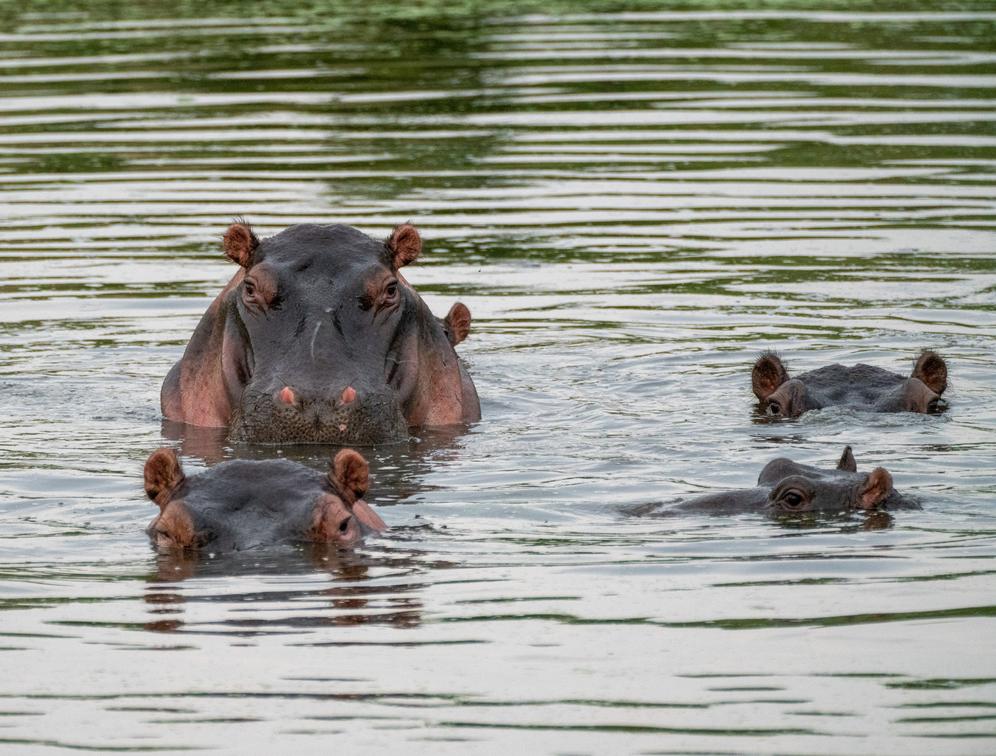
The western corridor, with its permanent water from the Grumeti River, supports resident populations of hippos, crocodiles, and buffalo. The remote northern reaches near the Kenyan border offer thick bush and gallery forests along the Mara River, perfect for those seeking solitude with Serengeti wildlife. Each area presents distinct opportunities depending on the time of year.

Wildlife in Tanzania: The Great Migration Across Seasons
The Serengeti migration involves roughly 1.5 million wildebeest, 200,000 zebra, and 500,000 gazelle moving in a clockwise pattern following seasonal rains. This spectacle defines many travellers' understanding of Serengeti wildlife, yet its timing varies slightly each year based on rainfall patterns.
From December to March, the herds gather on the nutrient-rich southern plains for calving. Predators such as lions and hyenas take advantage of vulnerable newborns, creating dramatic scenes visible from a respectful distance. February typically sees the highest concentration of births, with up to 8,000 calves born daily during peak periods.
As the plains dry between April and June, the herds move westward toward the Grumeti River before heading north. The dramatic river crossings usually occur between July and October, when animals face formidable crocodiles in the Mara River. By November, the herds return south as rains rejuvenate the short-grass plains, completing the cycle.
Following the migration requires flexibility, but the reward is witnessing one of the planet's last great natural spectacles in its purest form.
Resident Wildlife Throughout the Year
Beyond the migratory herds, the Serengeti supports stable populations of iconic species. The Big Five remain present year-round, though their visibility fluctuates with vegetation density and prey availability. Lions form the largest prides here, with some groups numbering over twenty individuals in prime territories.
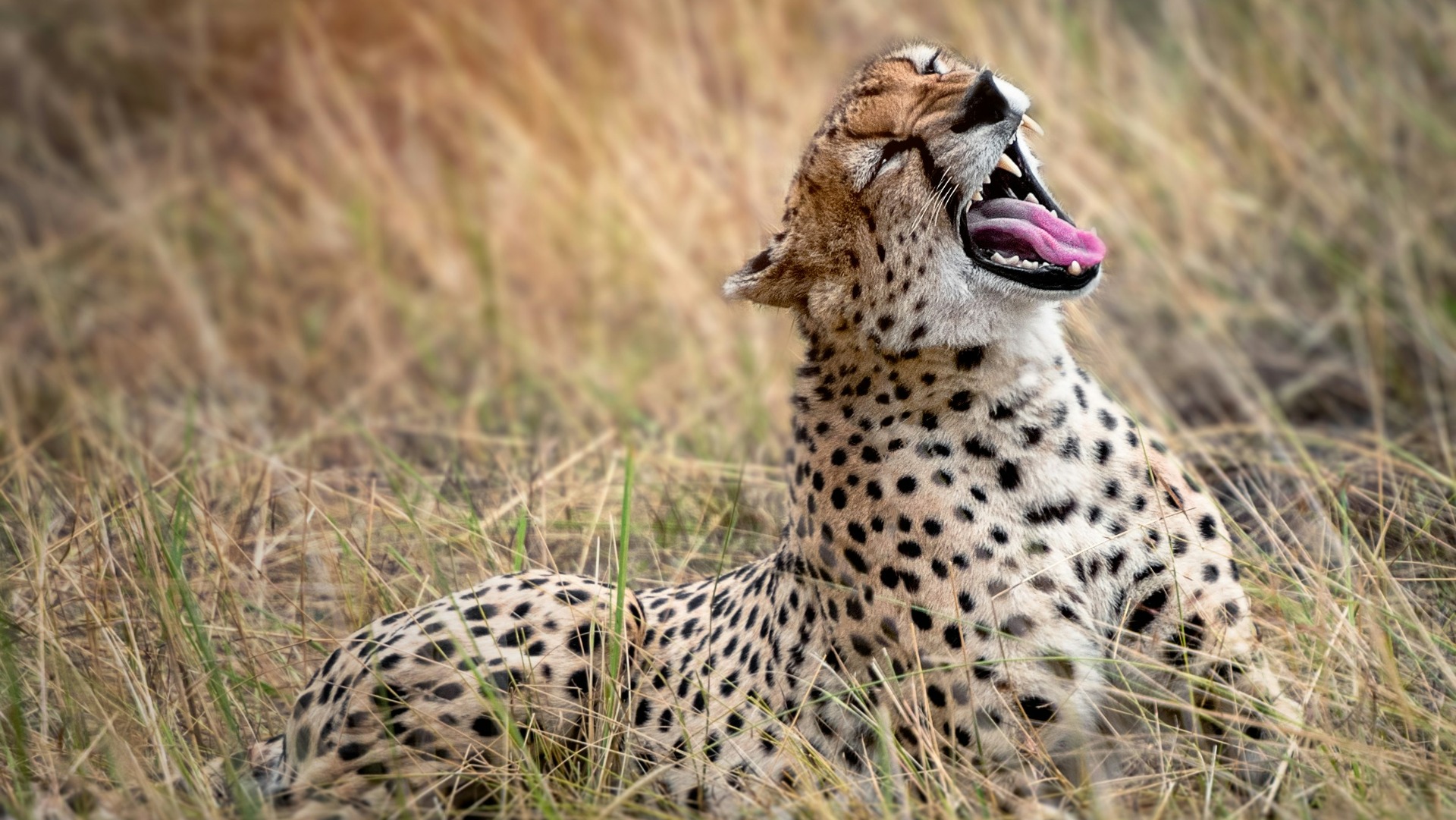
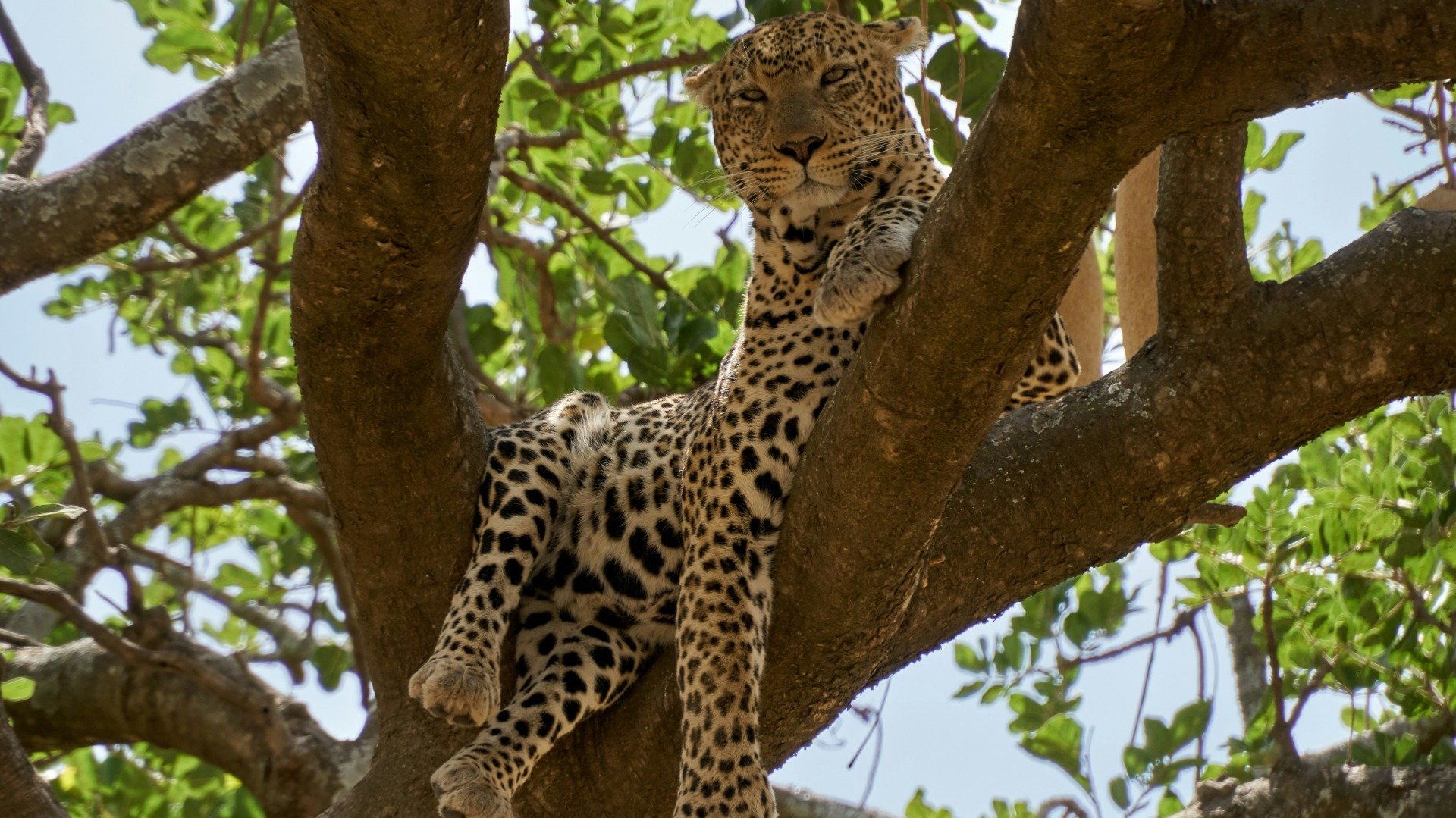
Leopards favour the rocky outcrops and riverine areas, where their climbing ability provides safety from larger competitors. Cheetahs, requiring open spaces for their high-speed hunts, often appear on the plains during drier months when cover is reduced. African elephants move between water sources, their presence particularly notable near permanent rivers during dry seasons.
Smaller mammals add richness to every game drive. Bat-eared foxes, servals, and dwarf mongooses reward those who scan the grasslands carefully. Birdlife flourishes too, with over 500 species recorded, including colourful rollers, lilac-breasted rollers, and the impressive kori bustard.
Optimal Times for Spotting Specific Serengeti Wildlife
December through March offers exceptional viewing on the southern plains. The short grass makes it easier to spot cheetahs and other predators hunting among the wildebeest herds. This period also coincides with fewer visitors in certain sectors, allowing for more intimate encounters with Serengeti wildlife.
The dry season from June to October brings animals to predictable water sources, simplifying game viewing. River crossings reach their peak intensity in July and August, though these popular events attract larger numbers of vehicles. Travellers seeking balance between wildlife activity and crowd levels often choose the shoulder months of June or October.
The long rains from March to May create lush landscapes and fewer travellers. While some areas become inaccessible, those that remain open provide rewarding sightings in vibrant green surroundings. Birdwatching reaches its zenith during this period as migratory species arrive from Europe and Asia.
What to Expect During Each Season
In the green season, expect dramatic skies and newborn animals. Game drives may cover shorter distances due to wet tracks, but the reward comes in witnessing tender moments between mothers and calves. Vegetation growth can make smaller species harder to spot, yet the overall experience feels fresh and rejuvenating.
The dry season delivers clearer visibility and concentrated wildlife around waterholes. Dust can be prevalent, particularly in August and September, but the golden light at dawn and dusk creates perfect conditions for photography. Nights cool considerably, making layers essential for early morning and evening activities.

Practical Tips for Responsible Wildlife Viewing in Tanzania
Approaching Serengeti wildlife requires patience and respect for natural behaviours. Maintain a minimum distance of 25 metres from most animals, increasing this to 50 metres or more for predators or during sensitive activities such as hunting or mating. Never position vehicles between a mother and her young.
Early morning and late afternoon drives typically yield the most activity, as animals avoid the midday heat. Skilled guides enhance these experiences by interpreting subtle signs, such as alarm calls from birds or the posture of prey species that signal nearby predators. Requesting a private vehicle allows for greater flexibility in following interesting sightings without pressure from group schedules.
Binoculars prove invaluable for observing details at distance, while a good field guide helps identify the numerous bird species. Photography enthusiasts should consider how their equipment might disturb animals; avoid using flash and maintain quiet during critical moments.
True appreciation of Serengeti wildlife comes not from ticking off species but from understanding the intricate relationships that sustain this remarkable ecosystem.
Choosing the Right Safari Experience
Mobile camps that follow the migration offer the advantage of proximity to current wildlife hotspots. Permanent lodges provide more amenities and serve as excellent bases for exploring specific areas in depth. For those seeking exclusivity, private concessions on the Serengeti periphery deliver fewer vehicles and more personalised encounters.
Consider combining different regions within the Serengeti for a comprehensive perspective on its wildlife. A few days in the south followed by time in the central or western areas reveals how the same species adapt their behaviours to varying landscapes and conditions.
Conservation Efforts Supporting Serengeti Wildlife
The Serengeti ecosystem faces pressures from surrounding human populations, climate change, and infrastructure development. Organisations work alongside the Tanzanian government to maintain wildlife corridors and mitigate human-wildlife conflict. Community conservancies on the ecosystem's edges play a vital role in creating sustainable economic alternatives to practices that threaten habitat.
Visitors contribute directly through park fees that fund conservation initiatives and anti-poaching efforts. Supporting lodges with strong environmental credentials further amplifies positive impact. Several camps participate in research projects monitoring specific species, offering travellers opportunities to learn about ongoing scientific work.
Recent studies indicate that the Serengeti lion population has stabilised at around 3,000 individuals, while cheetah numbers remain more vulnerable at approximately 300 within the greater ecosystem. These figures underscore the importance of continued protection for long-term viability of Serengeti wildlife.
How Travellers Can Make a Difference
Choosing operators committed to ethical practices ensures your visit supports rather than strains the ecosystem. Avoid venues that encourage off-road driving or close approaches that disturb animals. Participating in citizen science projects, such as reporting sightings of collared animals, can contribute valuable data to researchers.
Learning about local communities' relationship with wildlife fosters deeper appreciation. Many conservancies allocate tourism revenue to education, healthcare, and development projects, creating incentives for residents to protect rather than exploit natural resources.
Planning Your Serengeti Wildlife Experience with Encounters Africa
For discerning travellers seeking a private safari beyond our set itineraries, we invite you to contact us directly. We specialise in designing exceptional, tailor-made journeys for individuals, couples, families, and private groups of up to eight guests. Drawing on our handpicked network of distinguished camps and lodges, we curate every detail with precision and care, creating a seamless, deeply personal safari experience shaped entirely around your preferences, pace, and budget.
Whether you wish to follow the migration's progress across multiple regions or focus intensively on big cat behaviour in less-visited sectors, our team can craft an itinerary that maximises your connection with Serengeti wildlife. We work with expert guides who combine decades of experience with genuine passion for the ecosystem they call home.
Consider complementing your Serengeti stay with time at Elewana Elsa's Kopje Meru in Meru National Park or exploring the wonders of Kenya's Masai Mara for a broader East African perspective. Our article on photographing African wildlife offers additional insights for those hoping to capture memorable images during their journey.
Reach out today via our enquiry form to begin planning your Serengeti wildlife experience. Our specialists look forward to creating a journey that reveals the many facets of this extraordinary ecosystem while supporting its continued protection.
More like this
Wildlife
Practical Strategies for Capturing Tanzanian Wildlife Moments on a Luxury Safari
Wildlife
Practical Ways to Witness Ugandan Animals and Wildlife on Your Next Safari
Wildlife
Practical Ways Tourists Can Support African Wildlife During Game Drives
Wildlife
Reading Kenya's Savannah: Proven Field Signs That Reveal Nearby Wildlife
wildlife
Rwanda’s Forest Canopy and Chimpanzee Troops: What to Expect at Nyungwe
wildlife